POST UPDATED 2026
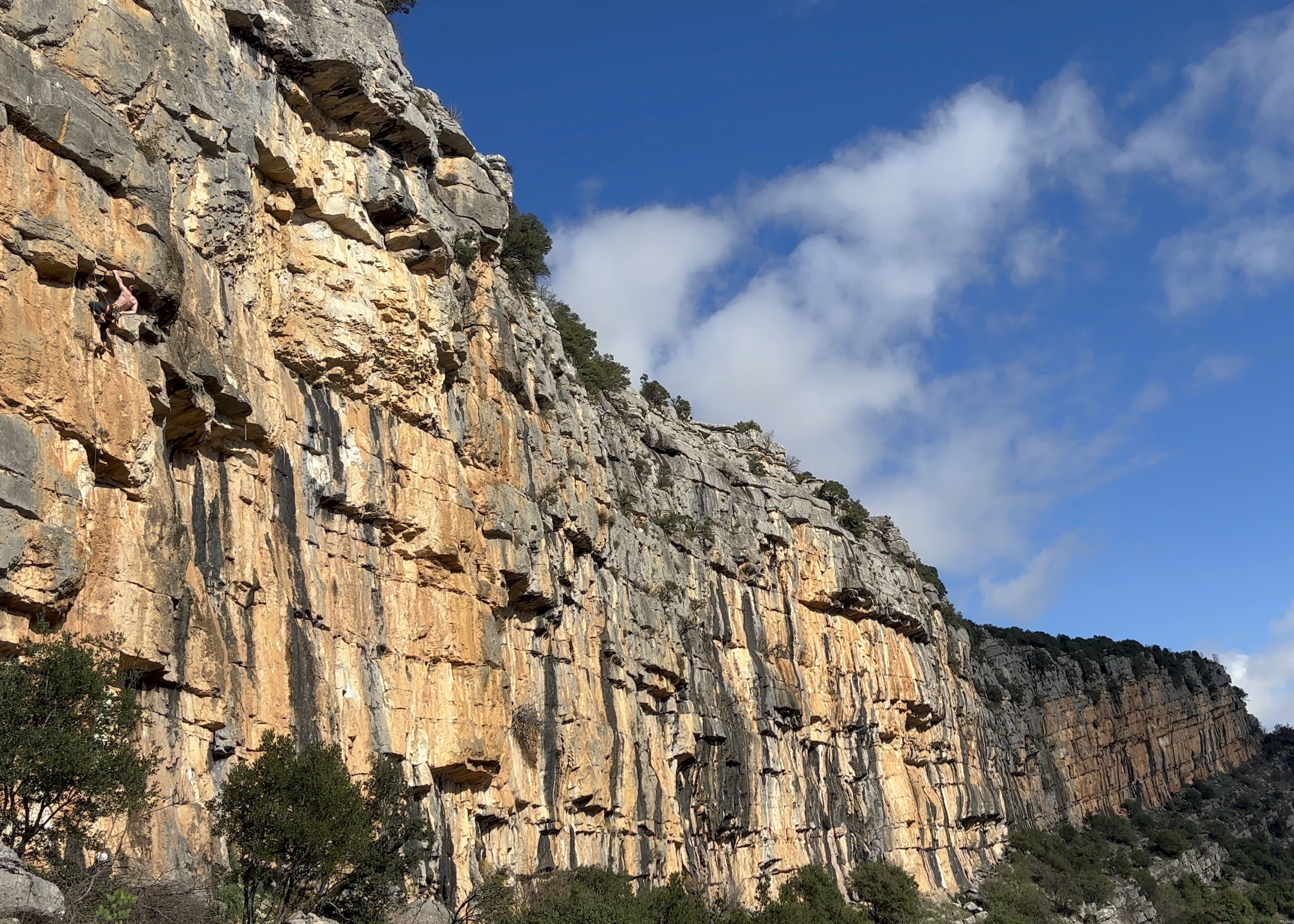
Montenegro is a small country, the 38th smallest in Europe, in fact. However, despite its small size, it has a huge amount of natural beauty and variety. From the stunning coastline to the inspiring high peaks of Durmitor and many, many canyons filled with beautiful cliffs, perfect for sport climbing! The rock quality is generally really good, and in recent years there has been more and more development of climbing areas and the bolting of many new routes. We first visited Montenegro around 5 years ago, and had a great trip, and we really enjoyed the climbing. We have since returned again in 2026, and had an even better trip! The quality and quantity of new routes was amazing and clearly Montenegrin climbing is going from strength to strength. We thought the climbing was excellent and we were so glad we were able to return for another trip, and we would go back for a third time in a heartbeat!
Guidebooks for Climbing in Montenegro
Currently there is no climbing guidebook for Montenegro. Instead, there are a whole host of different resources online that you can use to find topos for the area you want to visit. Perhaps the most comprehensive single source is https://topo.climbers-heaven.me, which has loads of information about many different crags across the country. The site can be difficult to use on a desktop, it is optimised for use on a mobile. It was a little tricky for us to get it to work, which is not a problem, just something you will want to check works before you actually arrive at the crag. There is also a very helpful PDF guide which is great for Smokovac in particular, which you can find at https://montenegroclimbing.net. The excellent addition of many new routes in Montenegro is partly what can make route finding confusing, as depending on who did the routes and where they are, they will probably have been documented in different places. We recommend using a combination of theCrag, 27Crags and Mountain Project. It can be time consuming to browse them all, so it is worth taking a look to familiarise yourself before your trip, on a rainy day! The good news is that everything you need is out there, and that at the crag routes often have a name at the bottom. Whilst not the case for every route, it is common enough that you’ll be able to locate yourself easily enough.

Weather and Climbing Season in Montenegro
Montenegro is the sort of country that can have very changeable weather and the conditions will vary a lot depending on where in the country you are. For example, in the height of summer, Cijevna will be unbearably hot, but up at higher altitude in Durmitor you may manage fine. Meanwhile in winter, Durmitor will be in condition for skiing but Cijevna can be perfect. Whilst you may be able to find something at any time, the best season for sport climbing will be from October to April. In winter there will be some rain, but the routes dry quickly and there are several sectors you can climb at during rain. When the sun comes out it is glorious and surprisingly hot, even in mid winter. We actually climbed in t-shirts in February in Cijevna! Some of the best sport crags get quite a lot of sun, so this is something to consider if you are planning to visit in the warmer months.
Below is a map of the different crags we climbed at in Montenegro so you can see where they are in relation to each other:
Climbing Recommendations
Cijevna & Lovka
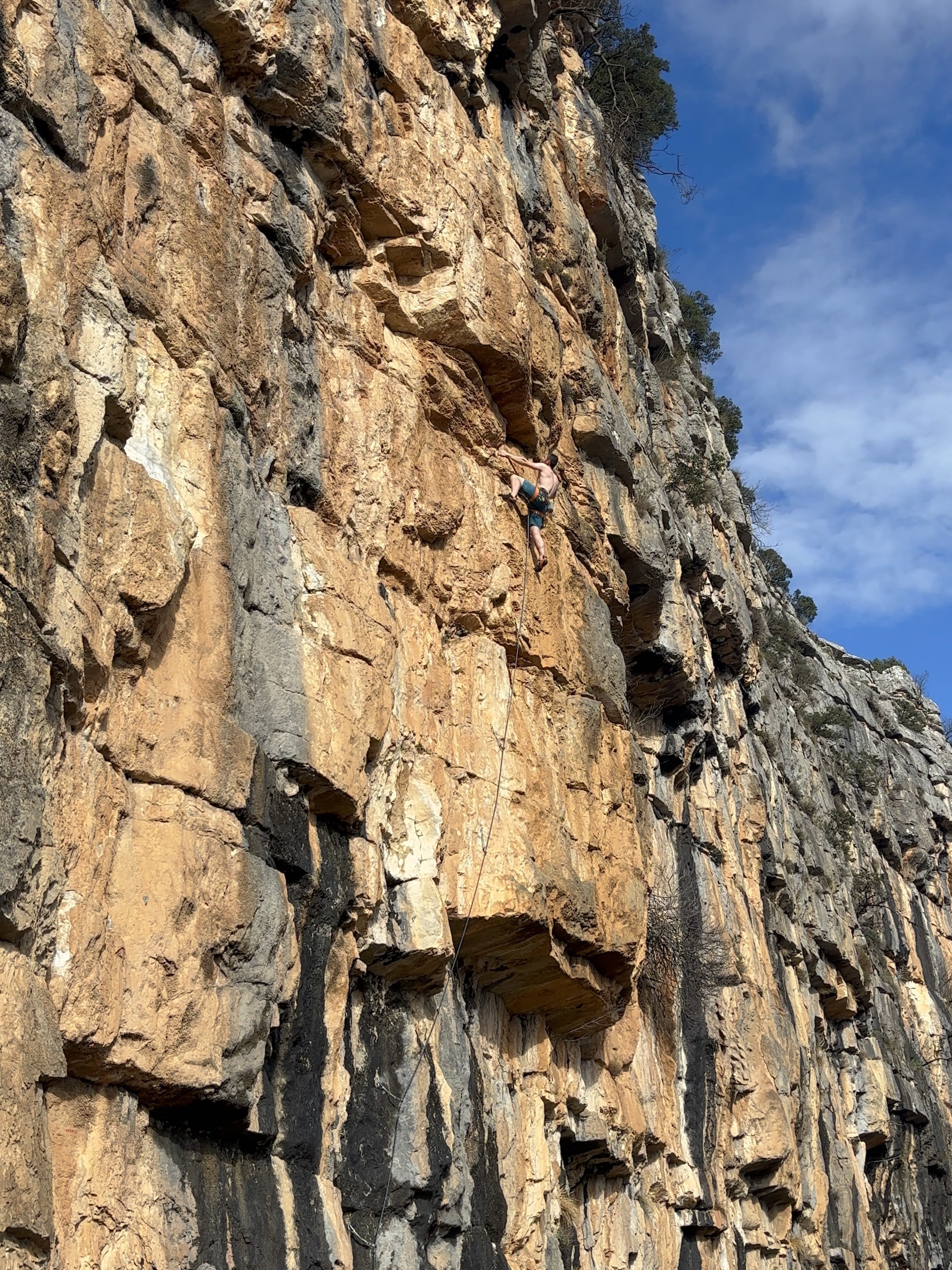
First of all, we will define what we mean by Cijevna and Lovka. It can be easy to interpret these as two totally different places, but that isn’t the case. Cijevna is the name of the canyon which all the routes are located within. The canyon is lined with stunning cliffs and has a beautiful azure blue river flowing through the bottom. If someone says they are going climbing in Cijevna, typically they mean they’ll be approaching the cliffs from beneath – for example to sectors like Left Wall and Right Wall. If someone says they are going climbing in Lovka, they will be approaching the crags from above, from the village of Lovka – to sectors like Lovka Wall or Techno. The cliffs are all in the same canyon as each other, in fact the sectors are often directly on top of each other. Both the Cijevna area and Lovka have great routes, but Lovka is the star of the show and you will find the majority of the best and most beautiful routes here.
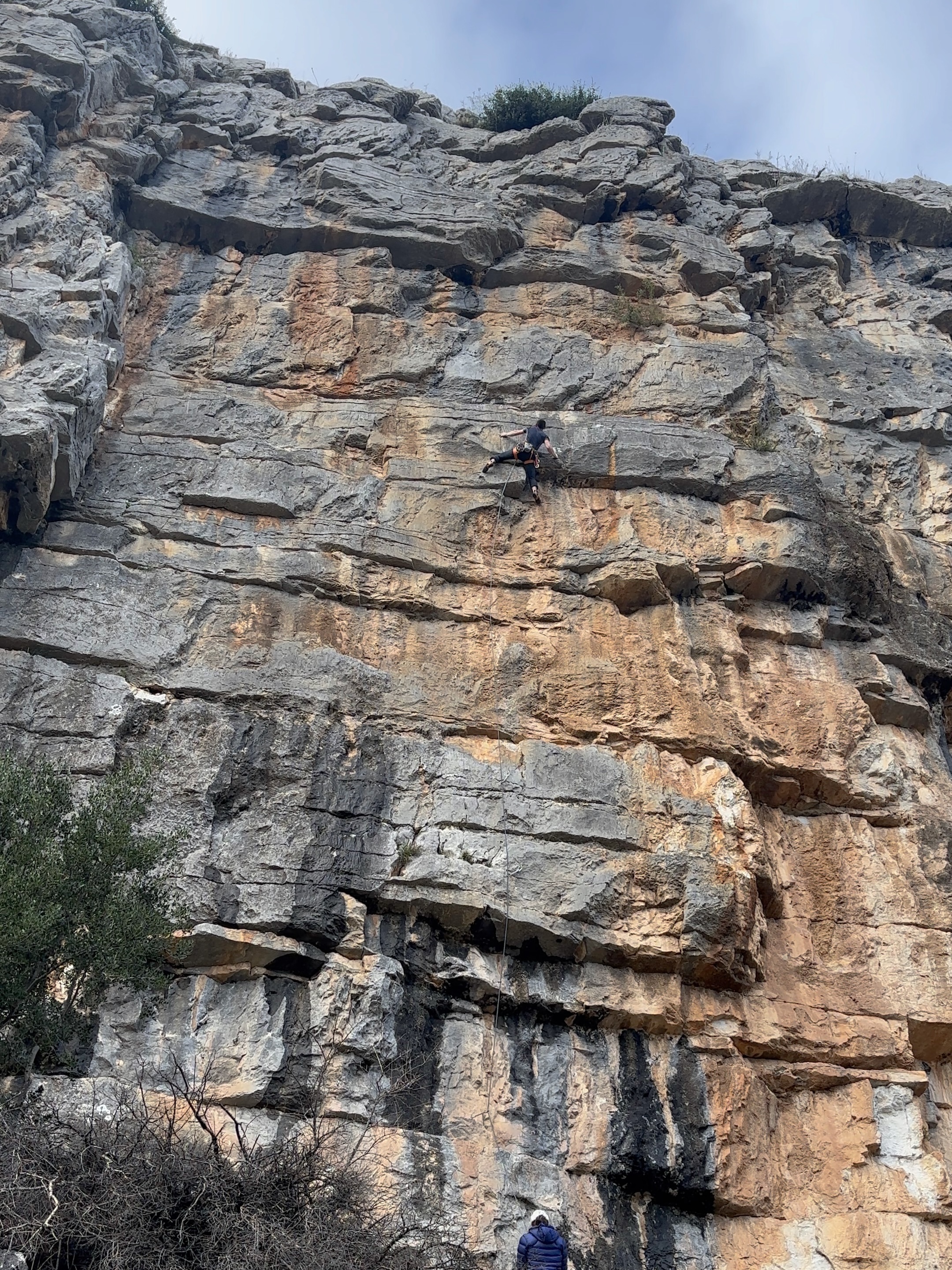
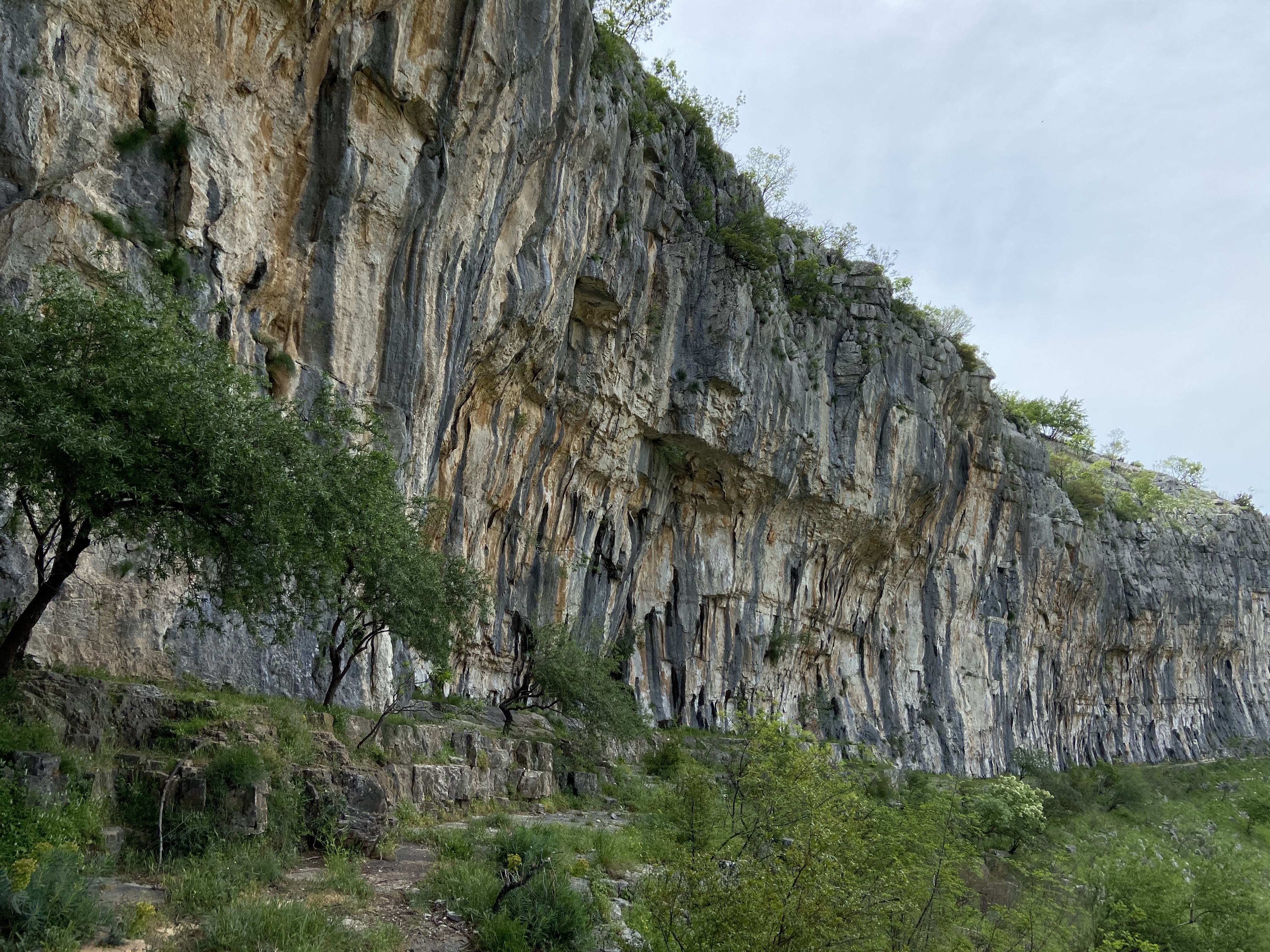
The crags in the canyon are perfect for sport climbing, like they were intentionally made for it. Typically, the crags are around 35 to 40 meters tall, continue in bands for several hundred meters and have consistently good rock quality with a variety of styles. The rock has lots of horizontal breaks, so it is quite common to have a hard move on some tiny holds before you can get yourself ready to make a lunge for the next big break and the jug/flatty of relief. There are plenty of quite vertical routes as well as plenty of steep ones, and there are also a good number of tufa climbs as well, perhaps not as many as Smokovac, but the Lovka tufas dry quicker in our experience. We found the rock quality to be generally excellent across Cijevna/Lovka, in general it is more or less perfect limestone. However, you should bear in mind some routes are very new and the possibility of breaking something is definitely present.
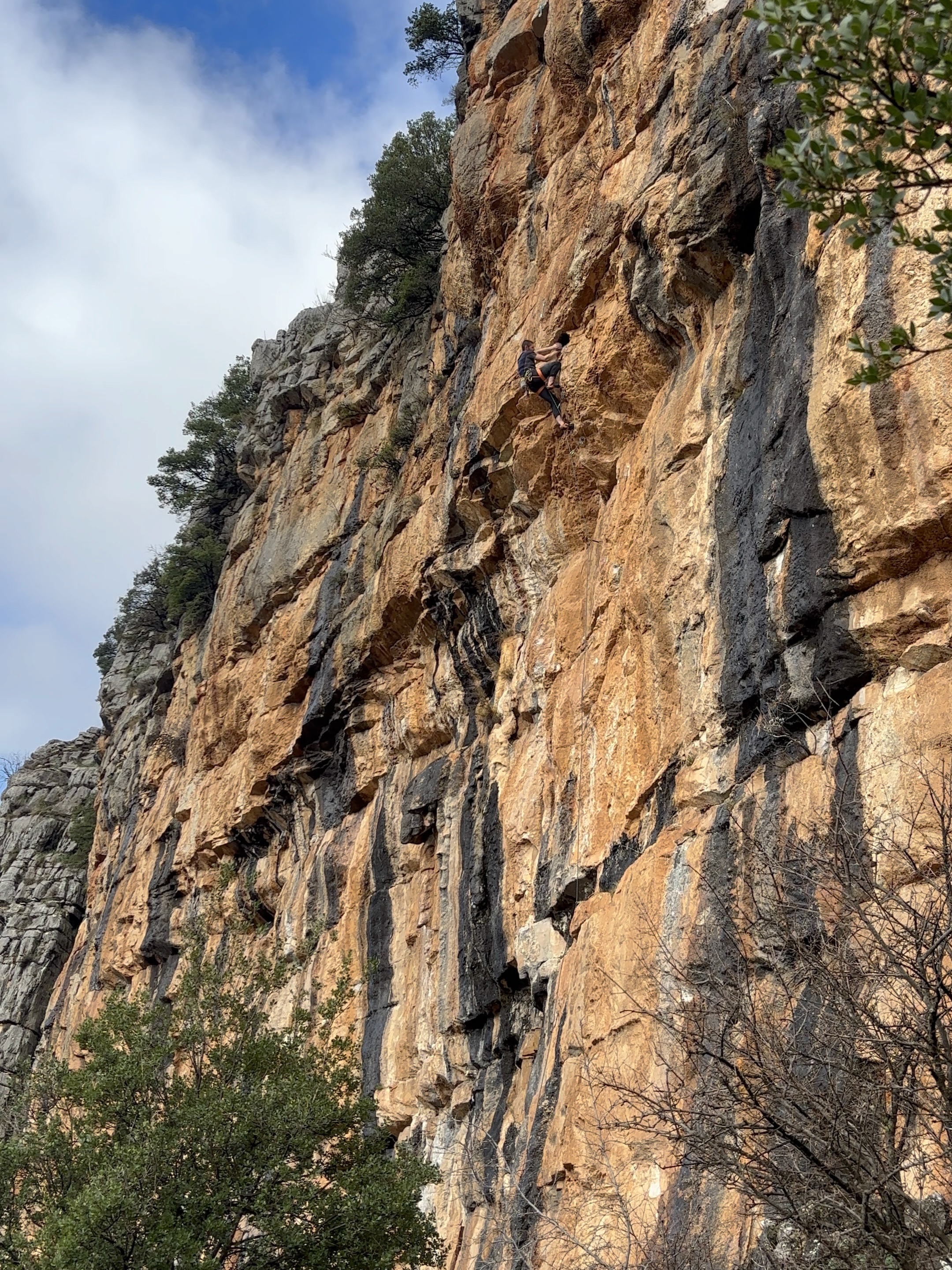
It is hard to come up with an exact number of how many routes there are in this area right now, but it will be in the hundreds. The expansive cliff bands would also allow for many, many more – this could easily become one of the sport climbing hubs of the entire Balkan region, it is already among the best. The routes are well bolted on the whole, but can vary, and we found the grades at Lovka to be much more amenable and friendly than at Smokovac. That isn’t to say they are easy, but definitely a touch fairer! We had a really great time in the area and we were impressed by how good it was, there are some fantastic routes that rival those from some of Europes most famous areas. The location is great and access is easy, it’s hard to find anything to dislike about it!
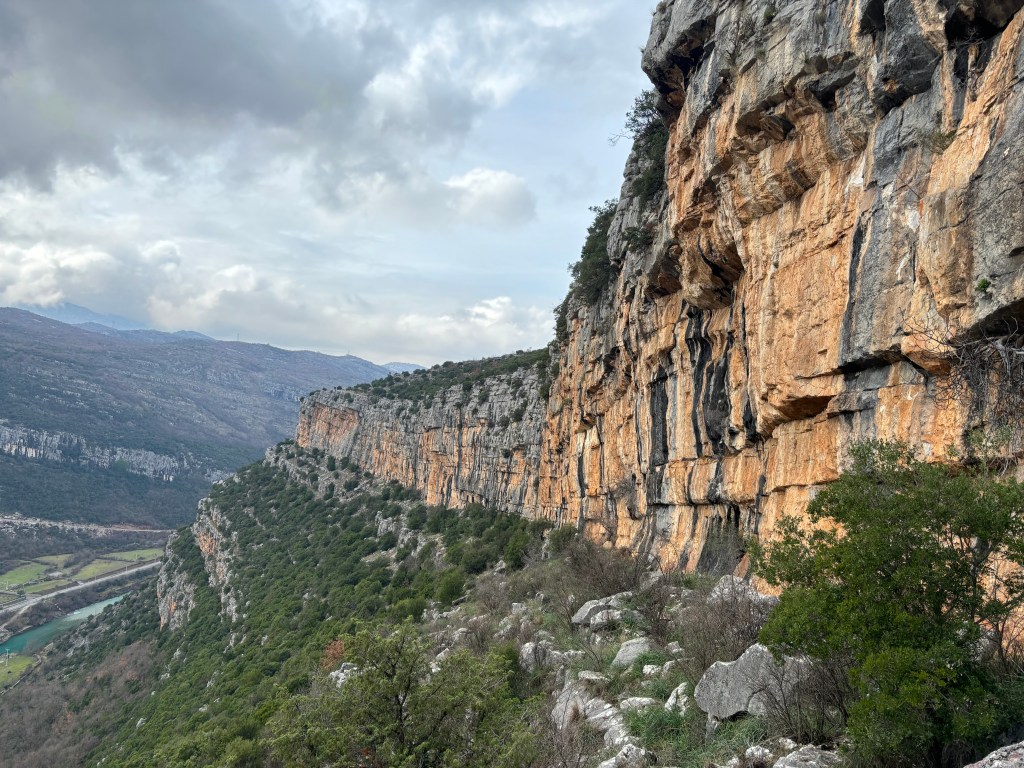
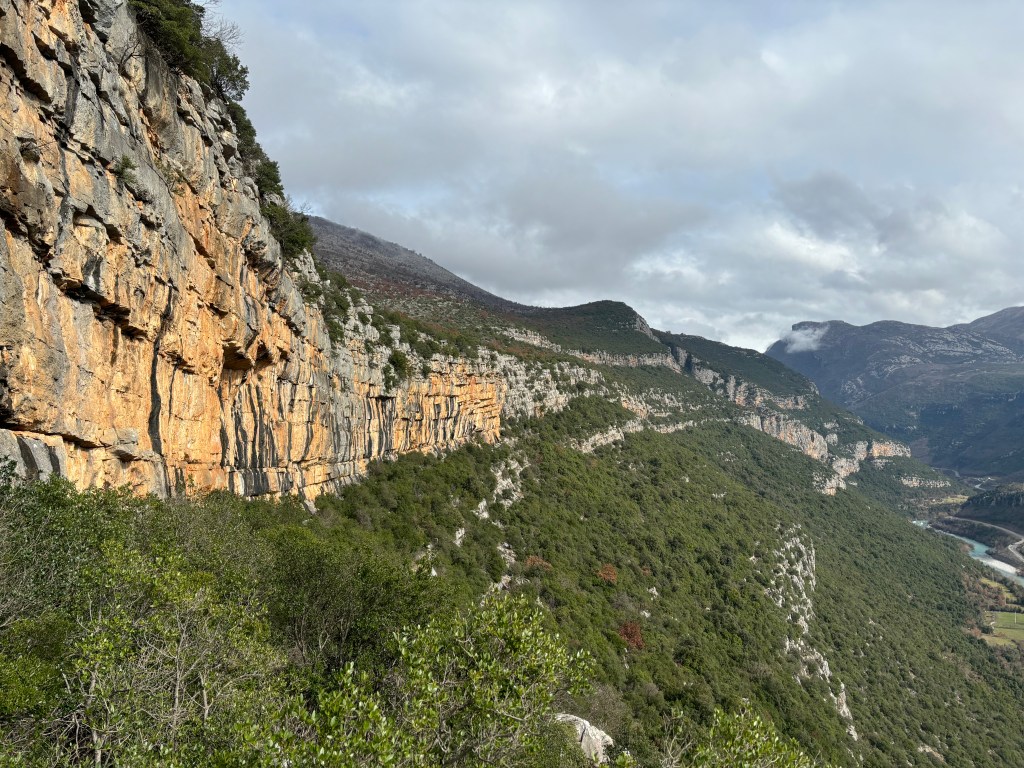
Two completely different areas of Lovka: left and right from the approach descent respectively
We write for pleasure and climbing is our passion. Our articles will never be paywalled. However, if you would like to help towards the costs of running the site or if you have found our content useful please consider contributing here. To read more about why your support matters, click here.
Smokovac
Smokovac is one Montenegro’s most significant, well known and historical climbing venues. The routes in Smokovac are very well established and are close to Podgorica, which has a strong climbing scene of its own. There are three main sectors with around 140 routes. The sectors are on both sides of the valley with different aspects, so it is possible to climb at different times of year. The most popular sector at Smokovac is Smoki, which is the star sector with by far the most impressive routes. Smoki is North-West facing, which makes it possible for climbing in the morning on a hot day. There are plenty of great tufa climbs at Smoki, but bearing in mind its aspect, they can take a long time to dry properly. The parking is just off the main road and has approximately 10-15 minute approach. It is fair to say the location of Smokovac, above one of the country’s major highways, is not as nice as the location of Cijevna, however the surrounding hills are still very impressive.

Most routes are between 20 and 25 meters long, slightly shorter than in Cijevna, and they often look easier than they actually are. You can spot something that looks like a warmup, but turns out to be pretty bloody hard! The routes here feel stiff at the grade in general, so whatever you climb you will feel you have earned. There are a lot of tufas on the crag and the style is really varied. As well as tufa squeezing there is also plenty of nice, technical and pumpy climbing. We found that the routes generally stayed dry during light rain, and would dry ok after moderate rain. However, in winter or early spring the crag will be quite wet due to seepage, so even if there hasn’t been much rain, you shouldn’t expect everything to be dry in January!
If you find our content useful please consider subscribing:
Rest Day Activities
Durmitor National Park
Durmitor National Park is one of the most beautiful parts of Montenegro or indeed anywhere in the Balkans. It is the sort of place where you can find pretty much whatever type of adventure you are looking for. There are climbing routes here, both single pitch sport and adventurous multipitches and lots of great hikes, both long and short. Our visits to Durmitor were very much in the winter/spring transition period and as such there was a lot of snow and not a lot of rock climbing! However, we enjoyed the hikes just as much and we had some wonderful days out. One of the highlights of our time in Montenegro was watching a lone wolf for a few minutes on the mountainside on our way up Bobotov Kuk. We also thoroughly enjoyed the cascades at Crno Jezero, which is a phenomenon which occurs due to the vast amount of snow melt in the Spring. The tributaries of the lake burst which floods the path with a series of mini, icy cold cascades which are simply stunning. Regardless of what time of the year or why you visit Durmitor, you are bound to find something great to do, we definitely recommend making time in your trip to visit.

Tara Canyon
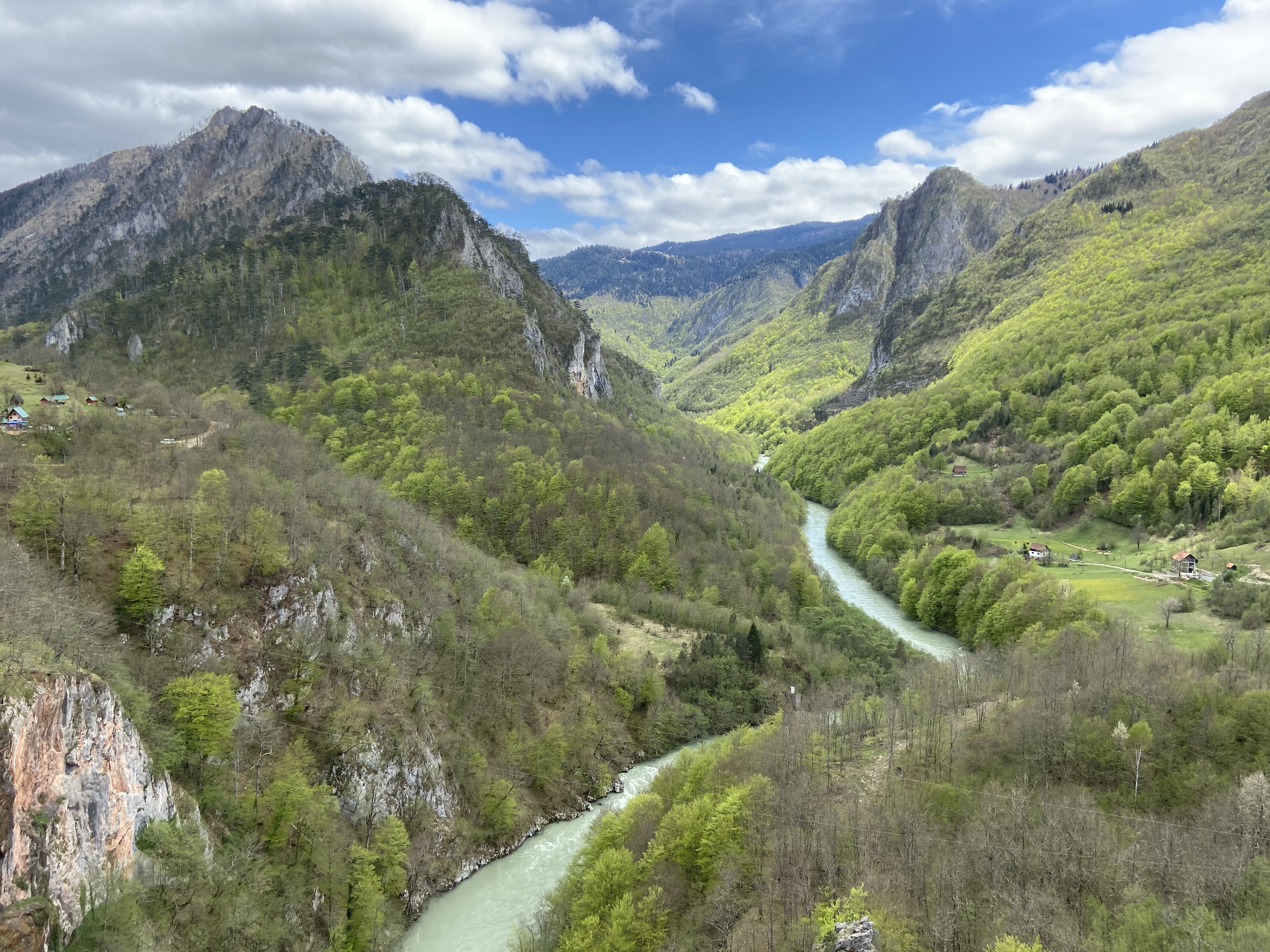
Not too far from Durmitor national park is Tara Canyon which claims to be the deepest canyon in Europe. There is also climbing here but we couldn’t find any meaningful information about it on our first visit to the country in 2021. Now there is much more developed in the area and in other parts of northern Montenegro, but we didn’t return again as it was very much too cold for climbing in February! Aside from climbing there is a historic bridge, rafting, zip lining and a whole host of things geared towards tourists. It is a nice place to stop off on a journey, but going for a hike is probably nicer than some of the activities!
Historical Towns
Montenegro has many beautiful historical towns, with impressive architecture and plenty of attractions in their own right. Interestingly, the capital city, Podgorica, is definitely not the most impressive or historical place to see in Montenegro – although it is a handy base for the climbing! Places like Kotor, Budva and Bar are far more beautiful and are well worth visiting. They are becoming more and more popular for tourists, and it’s not hard to see why, as they hold their own against the beautiful towns and cities you may associate with the likes of Croatia and Italy.
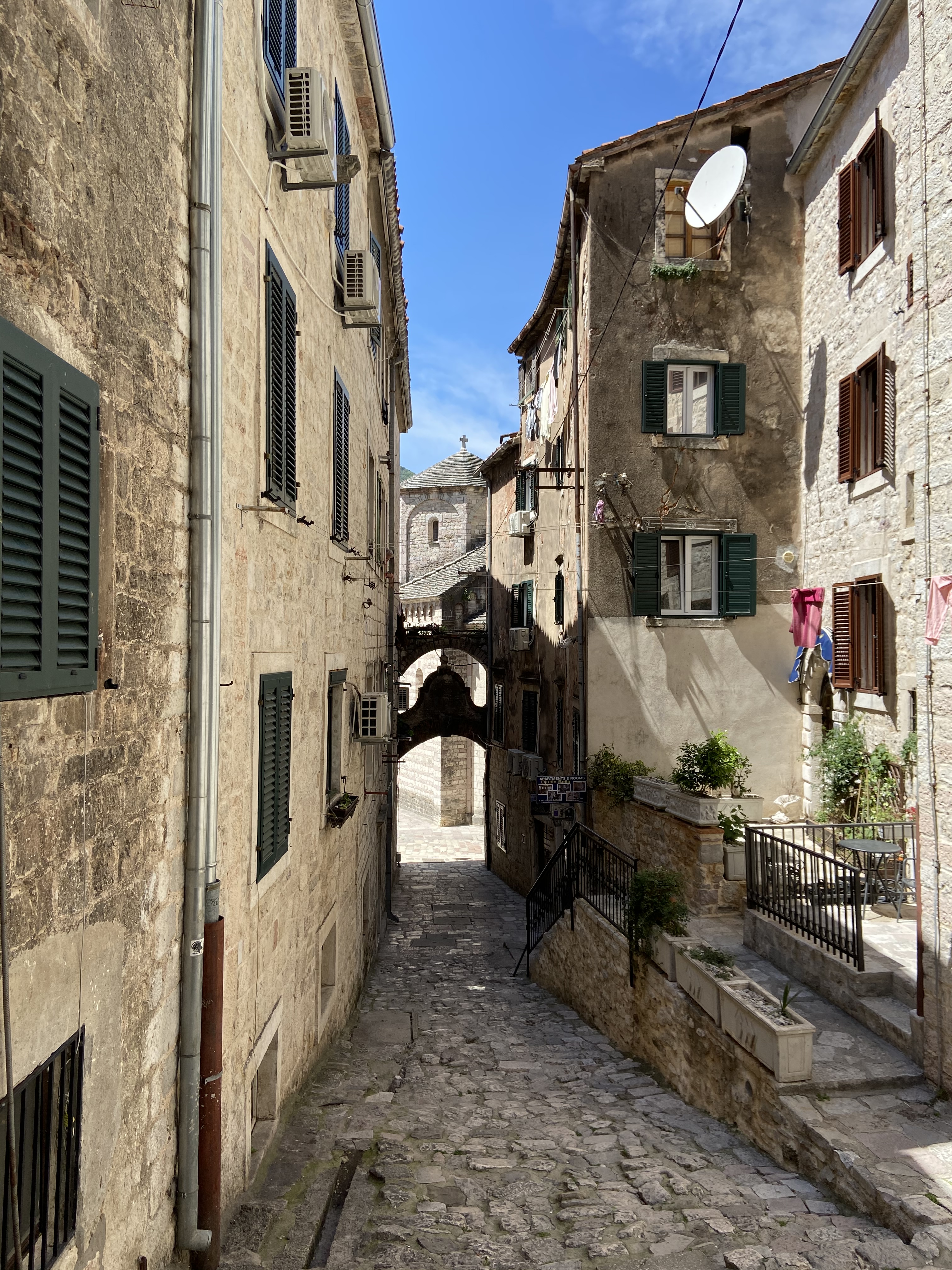
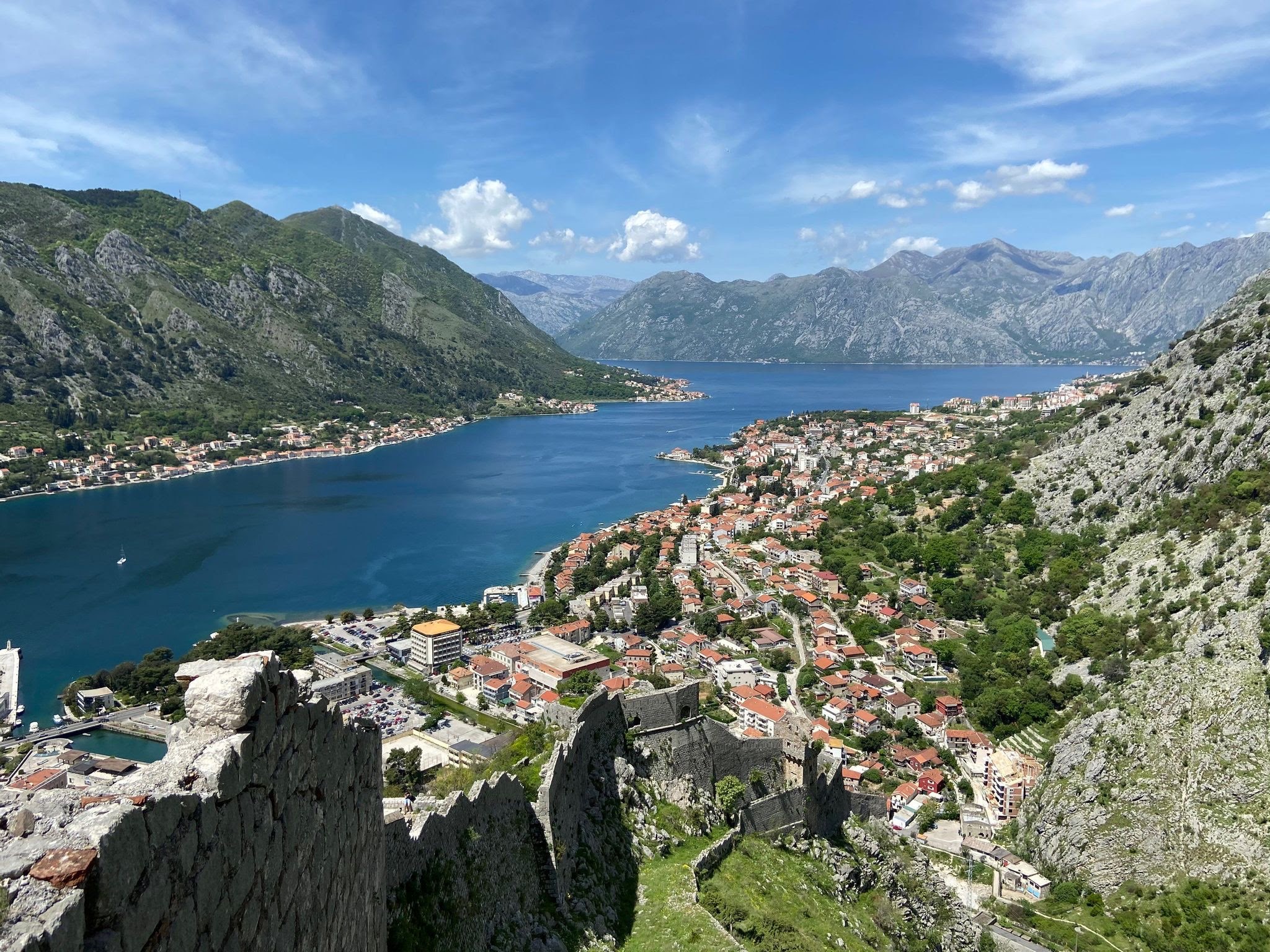
The beautiful historic town of Kotor
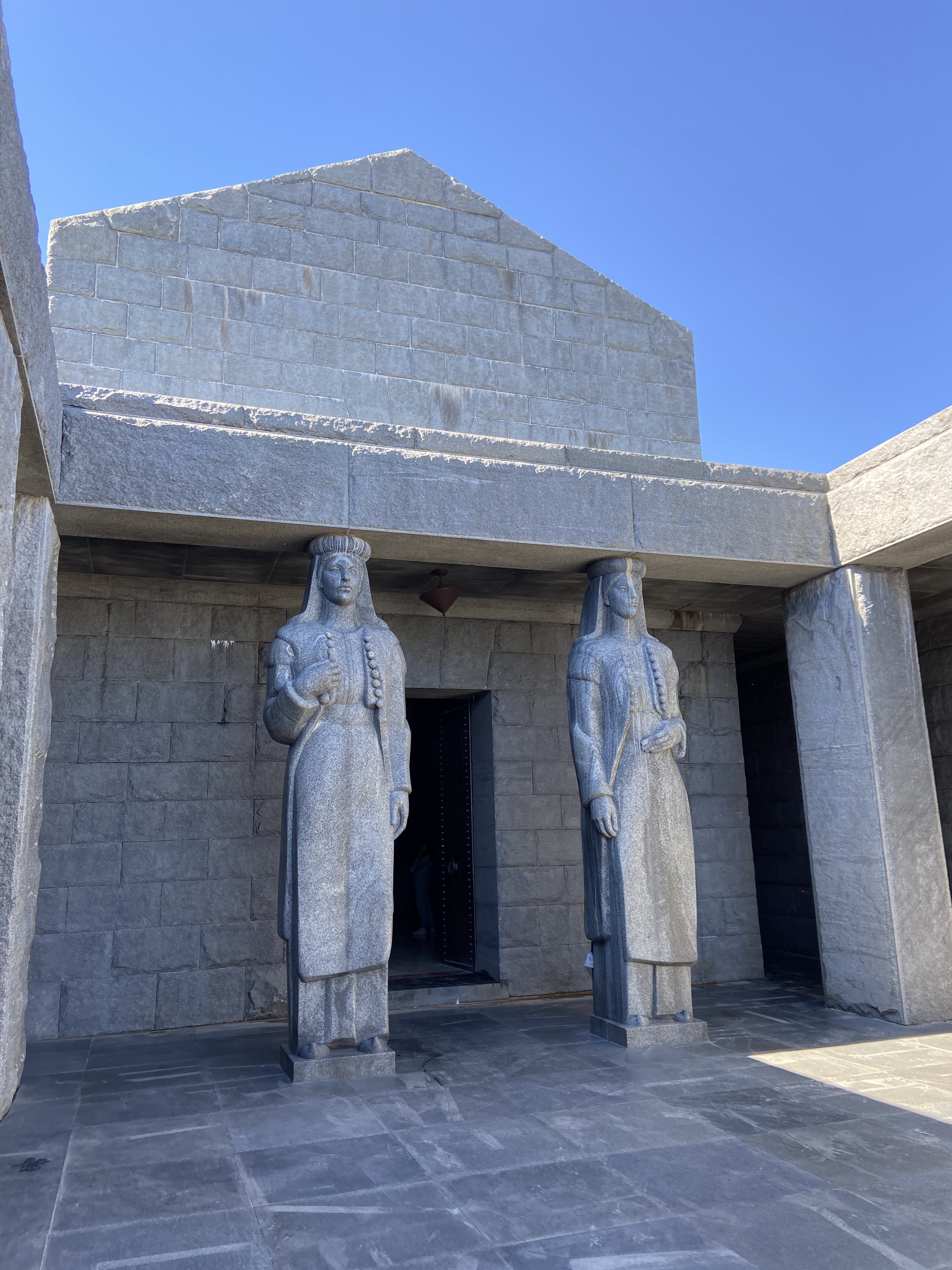
Mausoleum of Peter II Petrovic-Njegos
The Mausoleum of Peter II Petrovic-Njegos is around 35 km from Kotor, up a panoramic serpentine road, in the Lovcen National Park. Built in the 1970’s for a nationally beloved Montenegrin poet and leader, the mausoleum is very impressive and elaborate. Though he died in 1851, the fact that the mausoleum was built more recently demonstrates his significance to the country. Created from solid slabs of stone and with giant statues, it has an almost futuristic look. It has beautiful panoramic views down to the sea and you’re high up among the mountains on the viewing platform, with the birds flying amongst you. It was well worth the visit and gives an interesting insight into Montenegrin history.
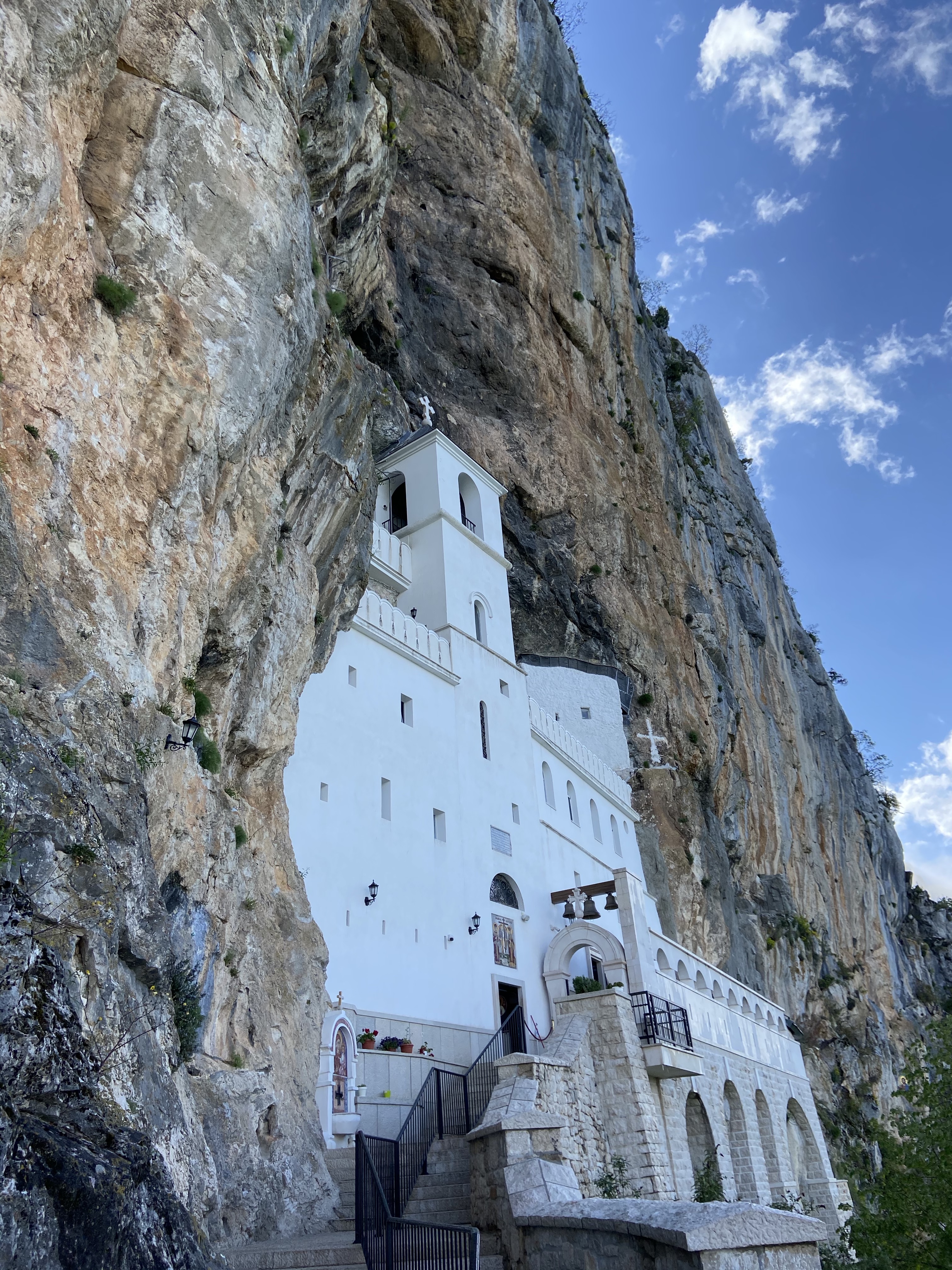
Ostrog Monastery
The Ostrog monastery is a beautiful Orthodox church built into the side of an impressive cliff. There is a lot of history behind the place, which was first mentioned in written records back in 1640. A lot has changed since then, and the original building was sadly damaged in a fire, with the frontage you see today being rebuilt in the 1920’s. However, many historical features, including some frescoes, survived the fire. In other parts of the church there are some beautiful mosaic frescoes which have been laid directly onto the rock surface of a cave the church is set in. It is a very interesting place to visit, and only 40 km from Smokovac, so very possible to combine with a half day of climbing.
Food
Ćevapi are a Balkan classic and they are very popular in Montenegro. Ćevapi are small skinless sausages typically made from a mixture of meat which can include beef, lamb and occasionally pork. They can come in different shapes and sizes, but in Montenegro they are small and round, roughly the size of a thumb.
Priganice were a personal favourite from Montenegro. Priganice are fried dough balls, which are absolutely delicious when eaten warm alongside cheese and honey.
Njeguški Steak is a somewhat unique and very tasty meal to try in Montenegro. The essence of the dish is a schnitzel of either veal or pork, which is stuffed with cheese and Njeguši Prosciutto, which is breaded and fried. As you can imagine it is a very indulgent dish, a good way to end a hard days climbing!
Njeguši Prosciutto is a type of smoked, dry cured ham from the village of Njeguši. Of course it is delicious, so much so it has a protected origin and can only be sold as such if it was actually made in the village of Njeguši.
Burek is another regional classic, a delightful pie made from filo pastry which can be layered flat or in a spiral. Fillings are usually either meat, cheese or cheese and spinach – all of them are delicious!
Summary
We have been consistently impressed with the climbing and the landscape in Montenegro. The quality of the rock is excellent and there is lots of it, the locations are beautiful and there are lots of them too! There have been many new routes done since we first visited Montenegro and no doubt there will be many more still before our next visit. The significance of Montenegro as a climbing destination just grows and gets better over time, only natural given how geographically blessed the nation is. We have always had a great time climbing in Montenegro and we are keen to go back again and climb some more!
We write for pleasure and climbing is our passion. Our articles will never be paywalled. However, if you would like to help towards the costs of running the site or if you have found our content useful, please consider contributing here. To read more about why your support matters, click here.
Relevant links and resources
https://topo.climbers-heaven.me/#climbing-in-montenegro
https://27crags.com/areas/montenegro
 The Crag Journal
One thought on “Scenic Sport Climbing in Montenegro”