Although Slovakia borders some frequently visited countries like Austria, relatively few people visit for tourism. Anybody that does visit Slovakia will be pleasantly surprised as the country has lots of beautiful nature, impressive medieval castles and many interesting places to visit. For climbing, Slovakia has several well established and good quality venues and surely much more areas that haven’t been developed yet.

We enjoyed a road trip through Slovakia, as part of a longer journey in Eastern Europe and the Balkans. We entered from Poland, explored several interesting areas, along the Western side and then moved on to Hungary. We didn’t know or expect much from Slovakia before we went, but we really enjoyed our time there and we were very impressed with the stunning natural landscapes throughout the country.

Guidebooks for Climbing in Slovakia
There is loads of ways to get information for Climbing in Slovakia, including several guidebooks depending on the areas you are visiting. However, we found climb.sk to be such a great source of free topos we never actually missed having a physical guidebook. The majority of crags in Slovakia are listed on there, all with route lists and some with topos. A few crags that didn’t have topos o climb.sk, like Priedhorie, did have topos on other websites, in this case 27crags. We also found theCrag to be useful and between the three of them, we got all the information we needed.
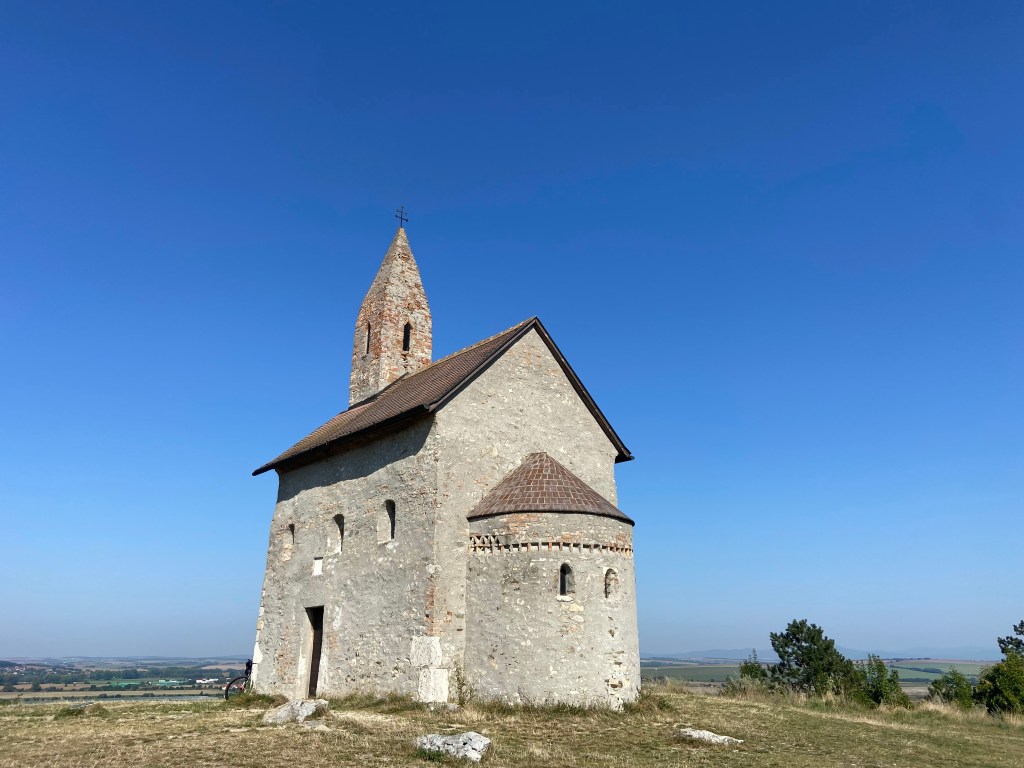
Below is a map of the different crags we climbed at in Slovakia, so you can see where they are in relation to each other.
Weather and Climbing Season in Slovakia
Slovakia has a continental climate, similar to most countries in Central Europe. The summers can be very hot and the winters very cold, leaving spring and autumn as the obvious choices for sport climbing. For anyone wanting to climb big multipitch routes in the Tatra mountains, summer will be fine, but the majority of sport crags are at a lower altitude and are much more susceptible to hot weather. Even in September it was hot and we were often seeking the shade, suggesting late autumn and early spring will be the prime time for good conditions.
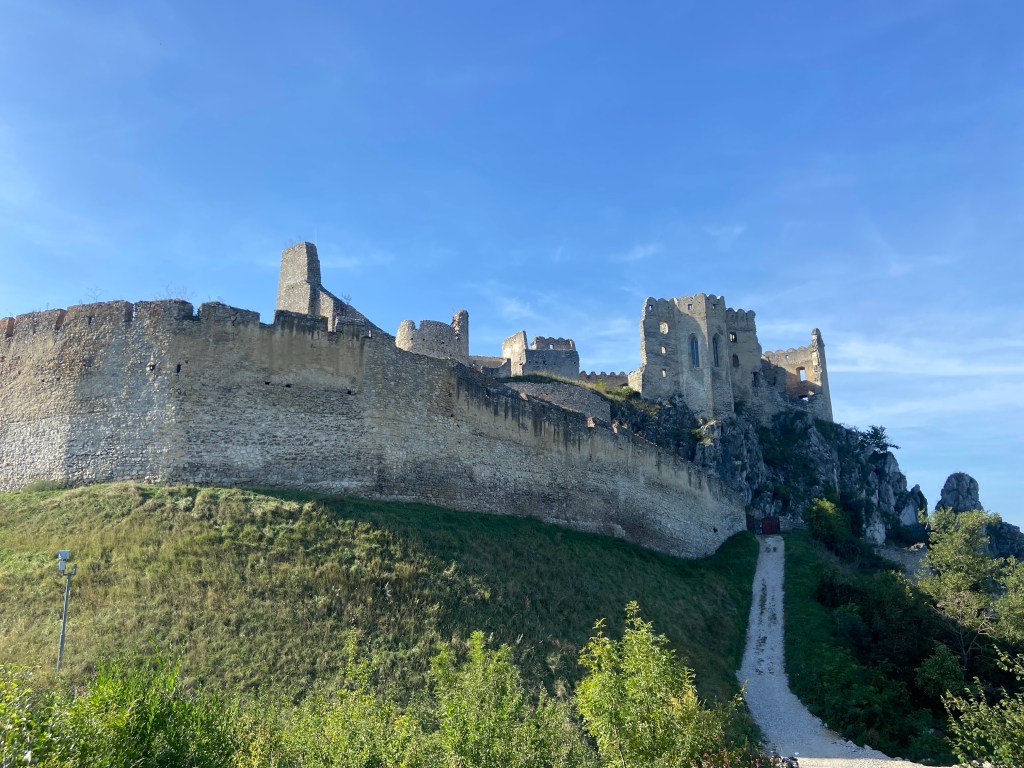
Climbing recommendations
Súľov
Súľov is a climbing area in Northern Slovakia. The rock is a very unusual type of micro-conglomerate. Most conglomerate climbing areas have a selection of pockets and pebbles ranging from the size of a cherry to a large potato. In Súľov it is much different, the features are all so small it feels like you are climbing the walls of a pebble dashed house!

We found the climbing here to be very technical with stiff grading. Balancing on the pebbles feels desperate and the pockets are often sharp and not as deep as you’d like! Sometimes the small pebbles can pop off, especially when using them as footholds, so consider wearing a helmet for belaying.

The area is quite vast, with loads of buttresses, pinnacles and even archways scattered throughout the forest. Even with the guidebook it is easy to get lost, which we did, several times. The rock also varies in quality between the different sectors with some much more compact than others.

We write for pleasure and climbing is our passion. Our articles will never be paywalled. However, if you would like to help towards the costs of running the site or if you have found our content useful, please consider contributing here. To read more about why your support matters, click here.
Priedhorie
Priedhorie is a beautiful climbing area set in a quiet forested valley inside a nature reserve. There are loads of different sectors in the area, facing many different orientations and with varying degrees of quality. The rock is limestone which on the whole is good quality. We thought the sector Zlatá was by far the best, with some stunning quality rock and a great view from the crag. The other sectors, like Podkova, are still good, but don’t come close to the quality of Zlatá.
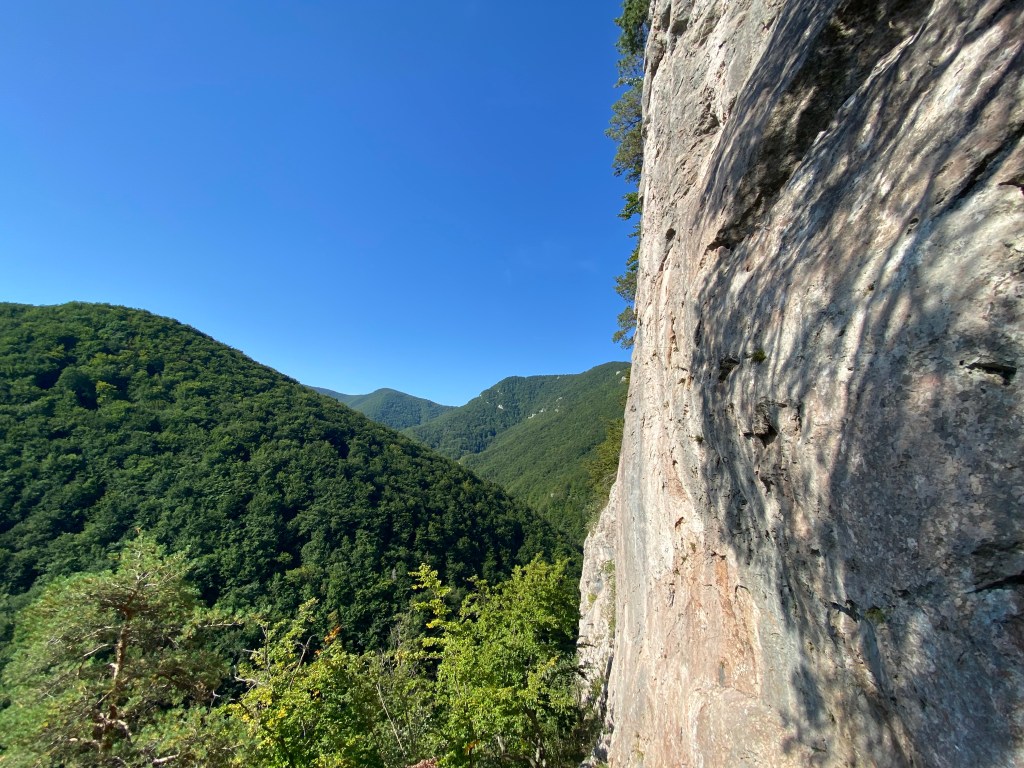
Priedhorie has around 200 routes, from 3 to 8b+ and is a wonderful place that is well worth visiting. Nearby Priedhorie is another climbing area called Sokolie, which has 68 routes from 4-8b+. We didn’t climb at Sokolie and opted to stick with Priedhorie, but it is still a good option if you are in the area. We really liked Priedhorie and it was just what we were looking for, a beautiful area with lots of routes and that isn’t touristic at all. Just watch out for the grades, ouch!
Beckov
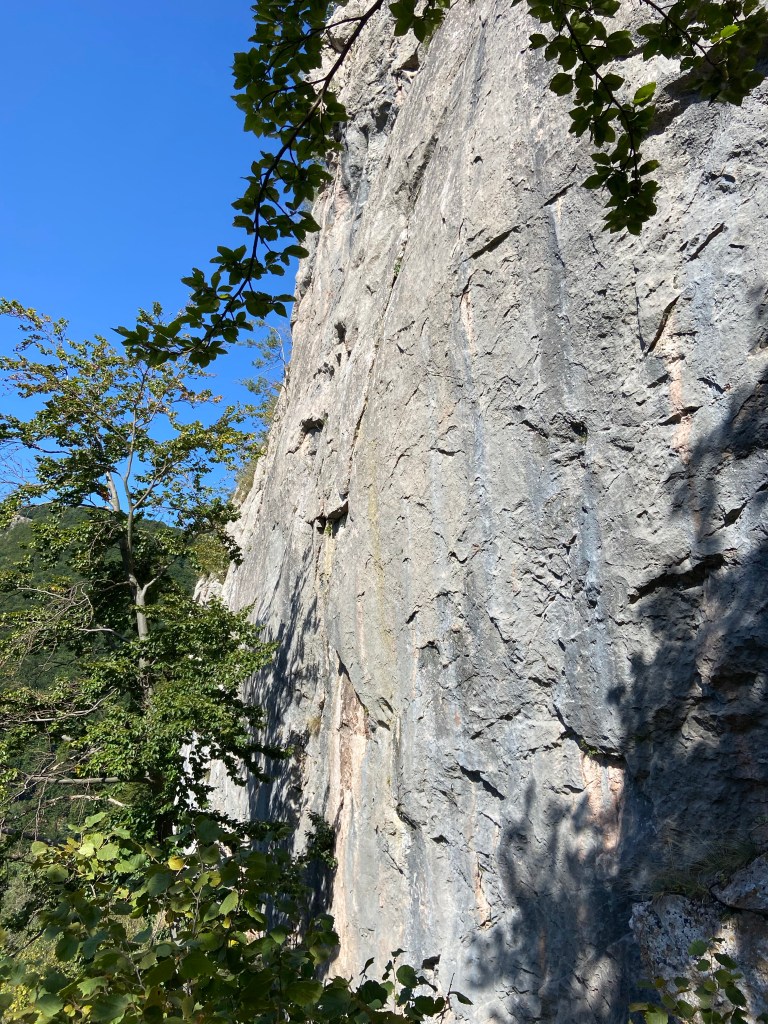
Beckov is an absolutely awesome place, one of those crags that is truly unique and epitomises how cool climbing in Slovakia is. We first learned of Beckov because of a really great video of Adam Ondra doing the first ascent of a 9a there, called Absolutorium. It was a brilliant watch and did such a good job of showcasing the crag it remained in our mind for a long time. When we realised we would be passing within 50km of the place, we knew we had to go and check it out! Beckovský Hrad itself is a stunning castle built in the 13th century, it survived many battles and changed owners several times before being devastated by a fire in 1729. The ruins remaining today are very impressive and you can really feel the history of the place.

Climbing wise, Beckov is also quite unusual! The most striking wall with the hard routes starts from inside the Kúria Beckov, a guesthouse with a cafe/restaurant terrace that is right beneath the crag. Around the back, there are even some routes inside the castle walls, starting down by the well. The access seems reasonably good all things considered, and thankfully there is a small sector where you can find solitude. To the left of Kúria Beckov and past a few houses there is a wall in a field with several recently bolted routes on it. In total Beckov has around 140 routes, from 3 to 9a and the best source of information we could find was climb.sk. It can be tricky finding and identifying the routes, thankfully a few of them have name plaques at the bottom. Beckov is a great place that is well worth visiting.

Bralie
Bralie is a really cool crag that, quite surprisingly, is Dolomite, a rock type that is not common in this region and that we didn’t expect to find. Dolomite is calcium magnesium carbonate, whereas Limestone is just calcium carbonate. That doesn’t seem like a big difference, but the climbing style was definitely very distinct compared to the typical limestone found in this part of Slovakia. The routes themselves were really good, the moves are very athletic with lots of big holds and features, yet they still manage to feel a bit technical. The only other crag we’ve climbed at that felt similar is Trebenna at Geyikbayiri.
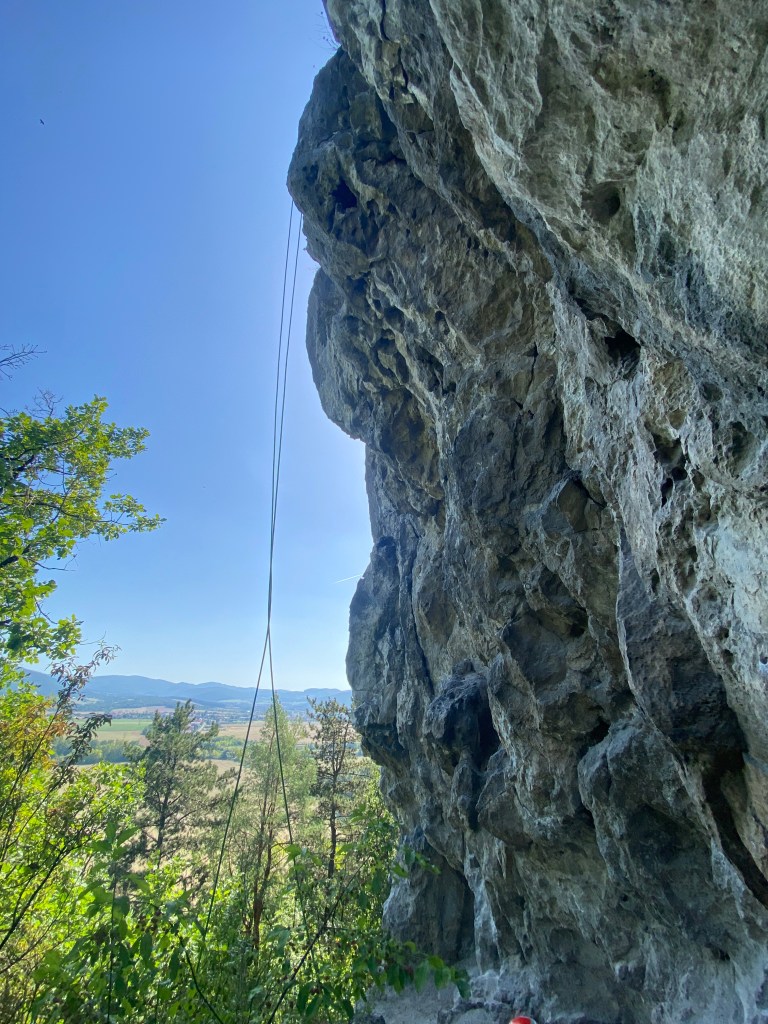
Bralie seems quite lucky to have been preserved as there are large quarries either side of the crag and you actually drive right past the front of the quarry to get to the parking. Thankfully once you’re at the crag it doesn’t disturb you much in an ‘out of sight, out of mind’ sort of way. There is a laminated topo at the crag and you can also find copies on climb.sk and 27crags. Bralie has around 58 routes, from 4 to 7b+ and it was a really enjoyable place to climb. Whilst it might not be among the largest or best crags of Slovakia, it does provide some great variety to keep you on your toes.

Kaľamárka
Kaľamárka (Kalamarka) is a crag in central Slovakia with over 200 routes. What makes this crag special is the rock. Kaľamárka is an Andesite crag, a type of volcanic rock that is effectively halfway between Basalt and Rhyolite.
The texture of the rock and the shapes are quite unusual and the style of climbing is notably different to other rock types. The climbing style is generally steep wall climbs, with either crimpy or flat holds. The routes often have striking features like corners and roofs. The holds don’t tend to be overly positive, so you need to squeeze a bit harder than normal. This will get you pumped!
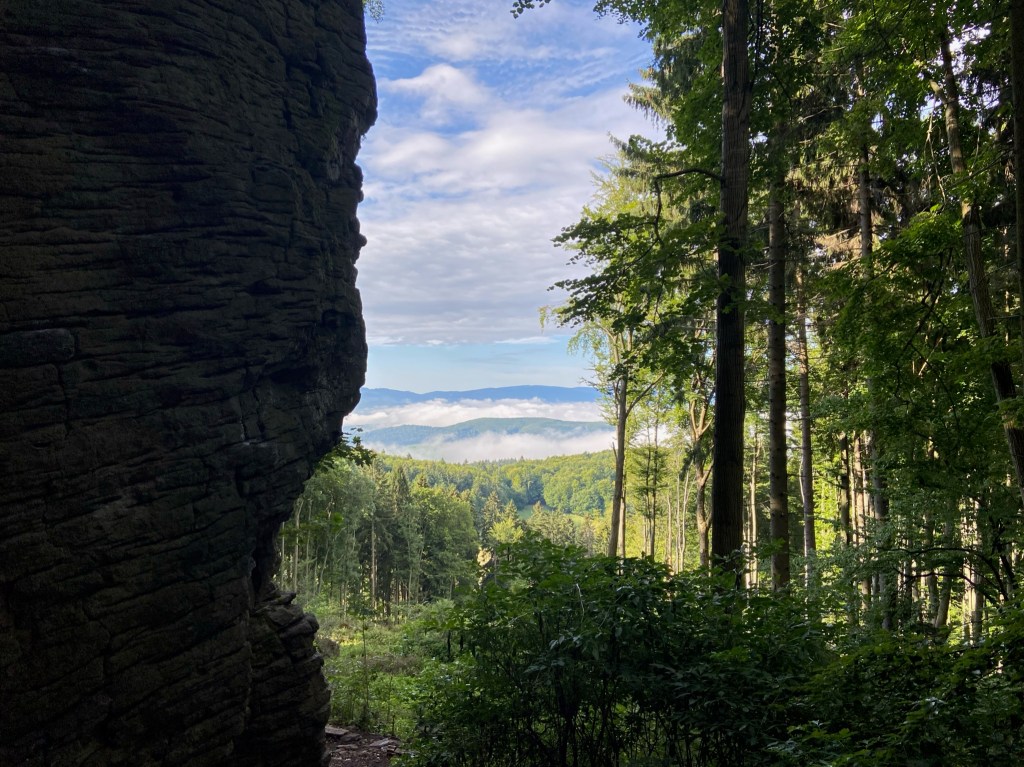
Some of the routes will feel hard for the grade and the bolting can be a bit spaced. We saw people using nuts to plug the gaps on easier routes, on harder routes it wasn’t as much of a problem. However, nothing here is a clip up so be prepared to log some air time if you fall off. The crag is split in to two sectors, which are on opposite sides of the road from each other. We climbed some great quality routes here and the crag really exceeded our expectations.

Rest Days
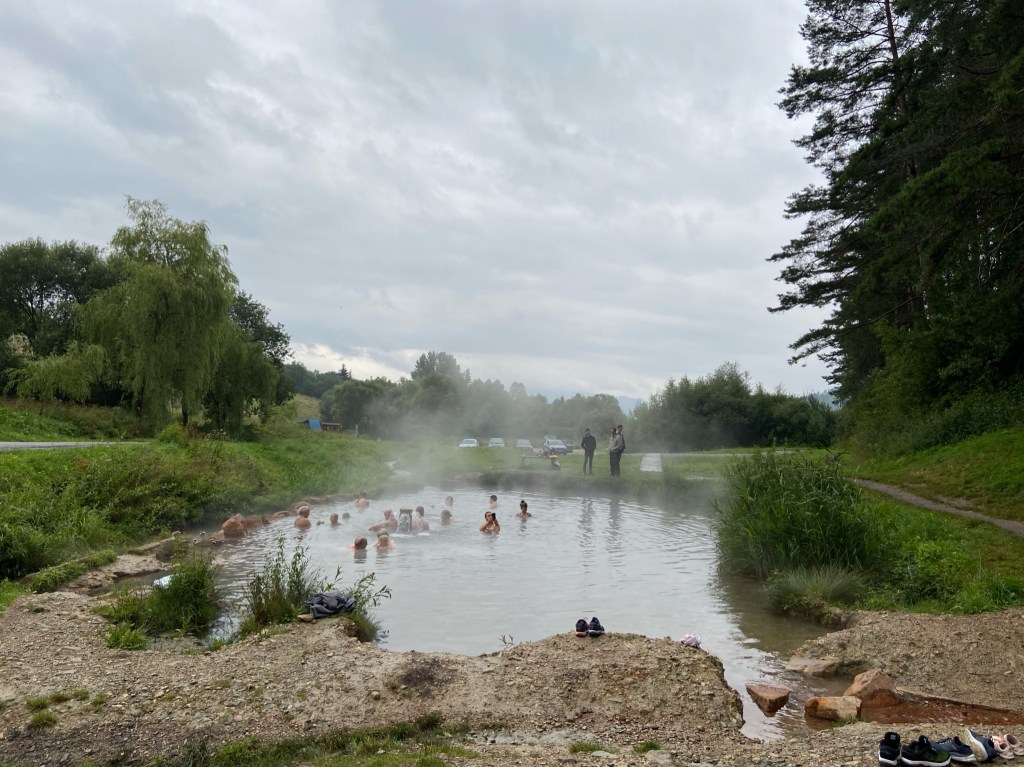
Slovakia has lots of beautiful national parks, with lots of great hiking through forests, mountains and crystal clear rivers. The High Tatras, Low Tatras and Slovak Paradise are among the best and most popular national parks in Slovakia. The Kalameny thermal spring is a free, natural hot spring in Northern Slovakia and is a cool place to visit as part of a road trip through Slovakia. As well as the outdoors, Slovakia is famous for its many castles and the beautiful cities of Bratislava and Košice. The national dish is called Bryndzové Halušky, it consists of potato dumplings with sheep’s cheese and bacon. It is a really tasty meal and is well worth seeking out while you’re in Slovakia.
Summary
Slovakia is a really nice place to visit, with lots of unspoilt natural areas and friendly, welcoming people. The climbing areas we visited felt quite unique and were really good quality. There are lots of other areas we didn’t visit that also look good, as well as the potential for development of new routes. Due to the varying aspects and elevations of the crags climbing is possible at most times of the year, although avoiding mid winter would be wise.
We write for pleasure and climbing is our passion. Our articles will never be paywalled. However, if you would like to help towards the costs of running the site or if you have found our content useful please consider contributing here. To read more about why your support matters, click here.
Relevant links and resources
Topos for climbing in Slovakia
 The Crag Journal
2 thoughts on “Unique Rock and Stunning Scenery: Climbing in Slovakia”