Serbia is right in the heart of the Balkans, but sadly it is not on the radar for most climbers and tourists. For example, Spain receives around 120 times more tourists per year than Serbia. Those who make the effort to go will be rewarded with stunning mountains, rivers and serene forests that can be enjoyed in solitude. For climbers, there are already several great crags to choose from, but like most of the Balkans there is the potential for much more development in the future.
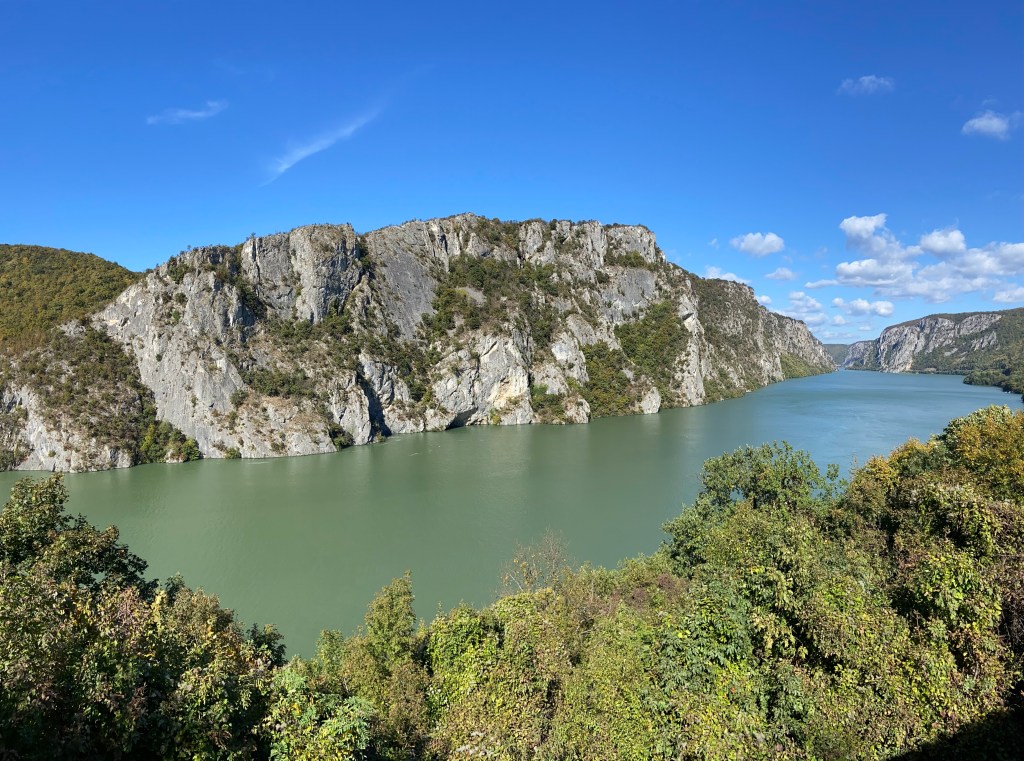
Guidebooks for Climbing in Serbia
Affiliate Disclosure
We have an affiliate partnership with Climb-Europe.com, which means we receive a commission if you buy a guidebook via one of our links, at no extra cost to you. Currently, we only use affiliates for guidebooks from Climb Europe, not anything else. To read more, click here.
There is a brand new, 2025 Balkan Colours guidebook available for Serbia now, you can buy it from Climb-Europe here.
For our trip to Serbia, the latest guidebook had not yet been released and so we used an assortment of online resources, such as the Serbian climbing website here, which has a helpful interactive map, GPS coordinates and route lists. At the crag, matching names on the list to routes can be confusing, but it’s all makes sense once you have your eye in. Another great source of information is theCrag.com, which has some great detail for certain crags. There is also a 2013 climbing guidebook for several crags in Serbia which you can find here: penjanjeusrbiji.rs, which we didn’t manage to find before our trip.
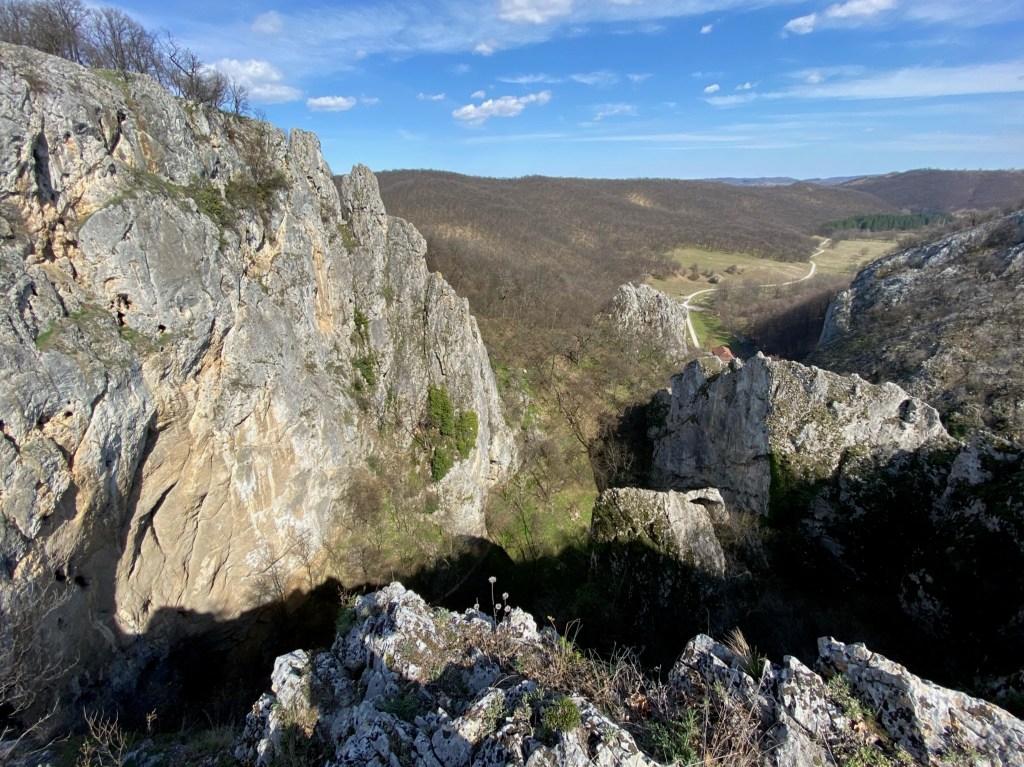
Below is a map of all the crags we have climbed at in Serbia, so you can see where they are in relation to each other.
Weather and Climbing Season in Serbia
Serbia has a mostly continental climate, with very hot summers and cold winters. In southern Serbia, the Mediterranean influences the weather slightly, meaning milder temperatures in that region. In general, summer will always be too hot to enjoy climbing and winter will usually be very cold. Northern Serbia can be quite dry in winter, making the climbing season slightly longer if you can brave the chilly temperatures. As is typical for much of Europe, spring and autumn will offer the best conditions. We have climbed in Serbia both in March/April and in October, we had pretty much ideal weather during both visits.

Climbing Recommendations
Grdoba
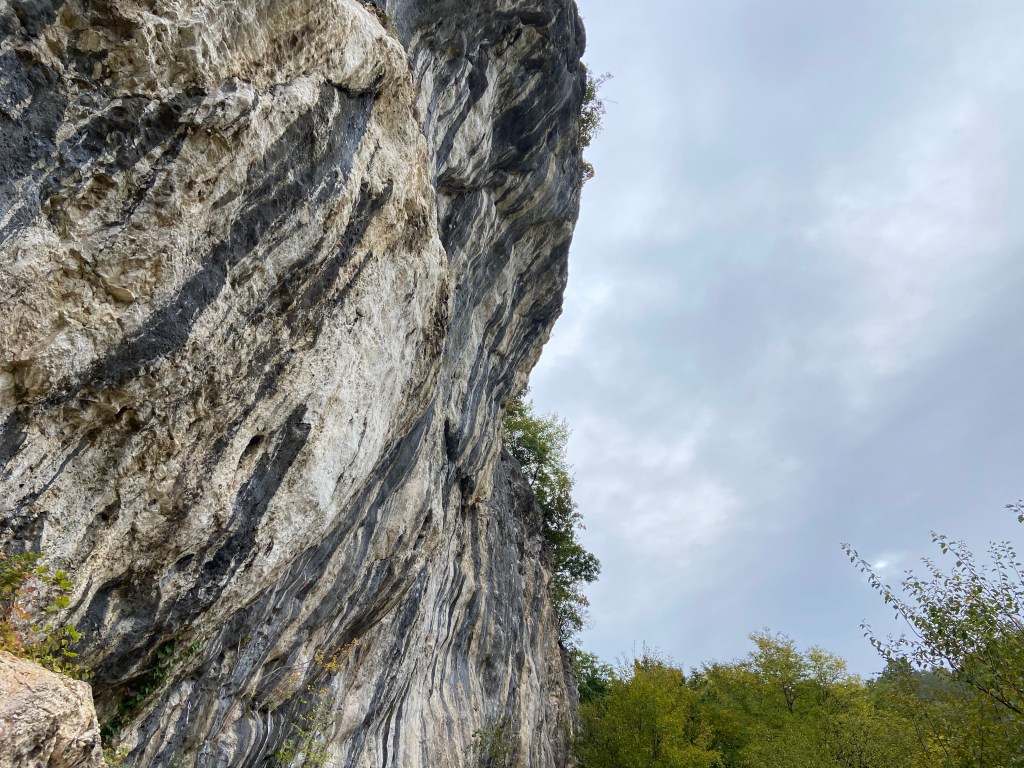
Grdoba is a beautiful climbing area in a rural yet easily accessible location. The crag gets a good amount of activity at weekends by climbers from Belgrade. The routes are clean and chalked and there are often draws left in peoples projects. During the week it is super quiet and wonderfully peaceful. There are several different sectors that are like giant boulders sticking out of the hillside, with some routes over 30 meters long. Grdoba has around 130 routes, from 5 to 8c and is generally very good quality limestone. The routes are hard for the grade, and in general the rock quality will also get better as you go up the grades. There are around 40 routes beneath 7a, but most of these aren’t as good as the harder routes, so it will be beneficial if you can climb in the 7s here.
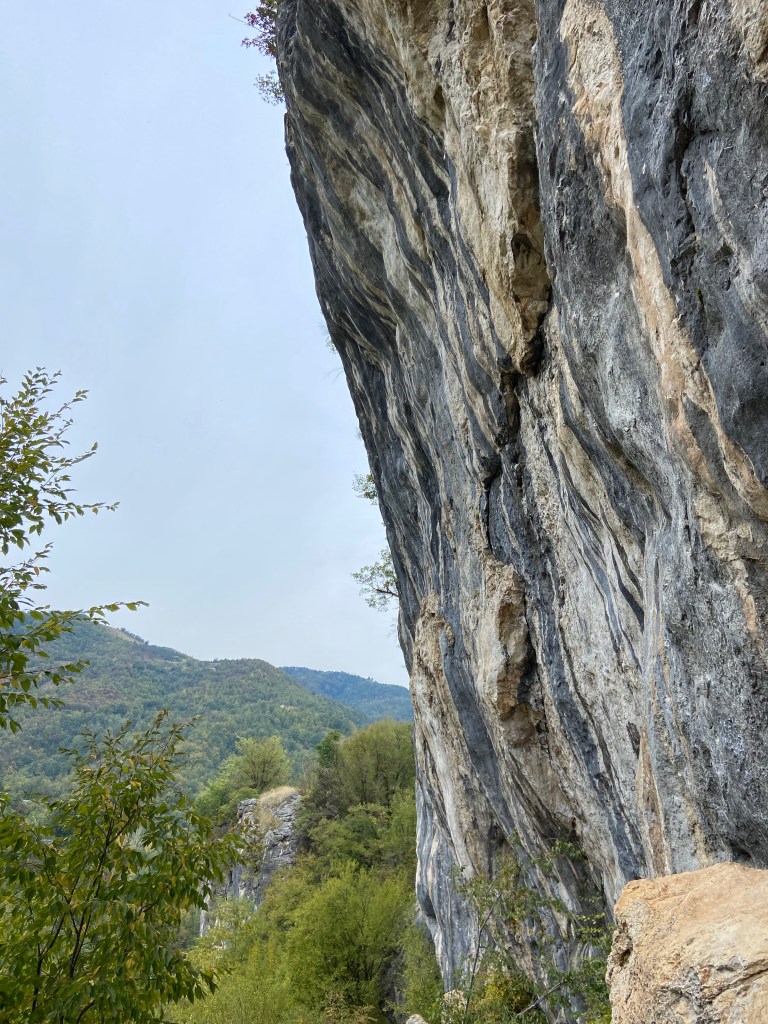
The area near the top of the best sectors is suitable for camping, it is a very tranquil and relaxing place to be. If you need a break from the physical and intense climbing style, the beautiful Pustinja Monastery is only a short walk away. The monastery originally dates back to sometime in the 11th century, but has been rebuilt at various times. The interior of the monastery is decorated with beautifully preserved frescoes that were painted in 1622. The monastery survived destruction over the following centuries because it is hidden by the mountains and could only be accessed by a steep trail and not by road. In the 1960s a small road was finally built to the monastery. Nuns still live there today and they sell delicious honey from the bees they keep at the monastery.
We write for pleasure and climbing is our passion. Our articles will never be paywalled. However, if you would like to help towards the costs of running the site or if you have found our content useful, please consider contributing here. To read more about why your support matters, click here.
Petnička Pećina
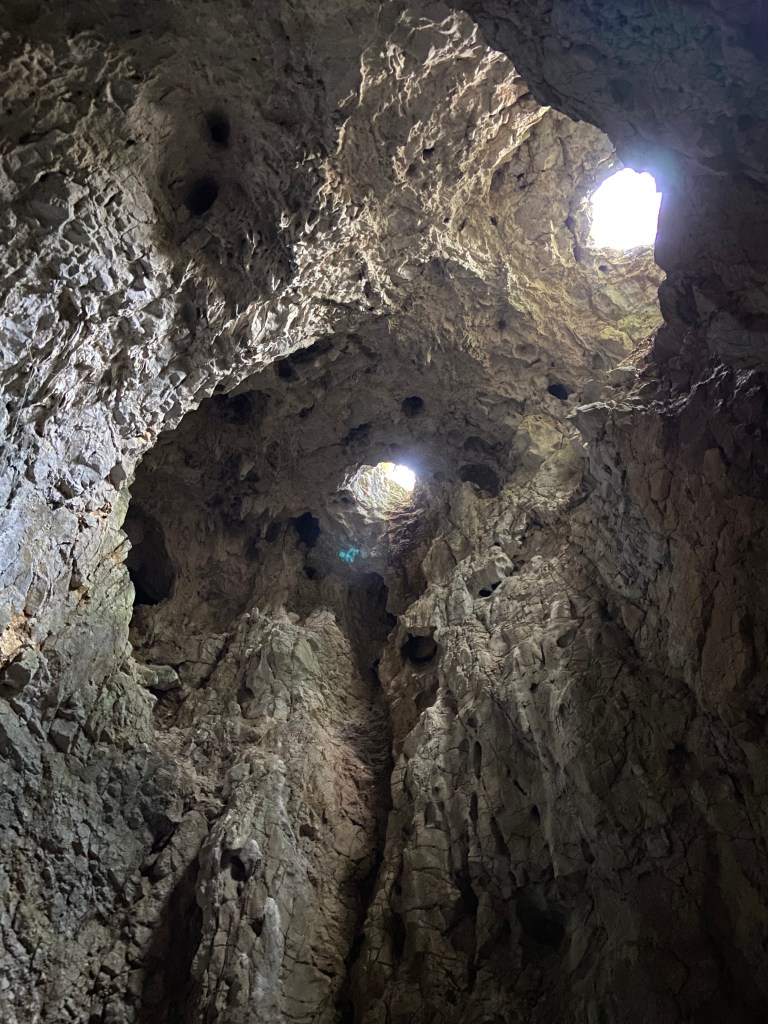
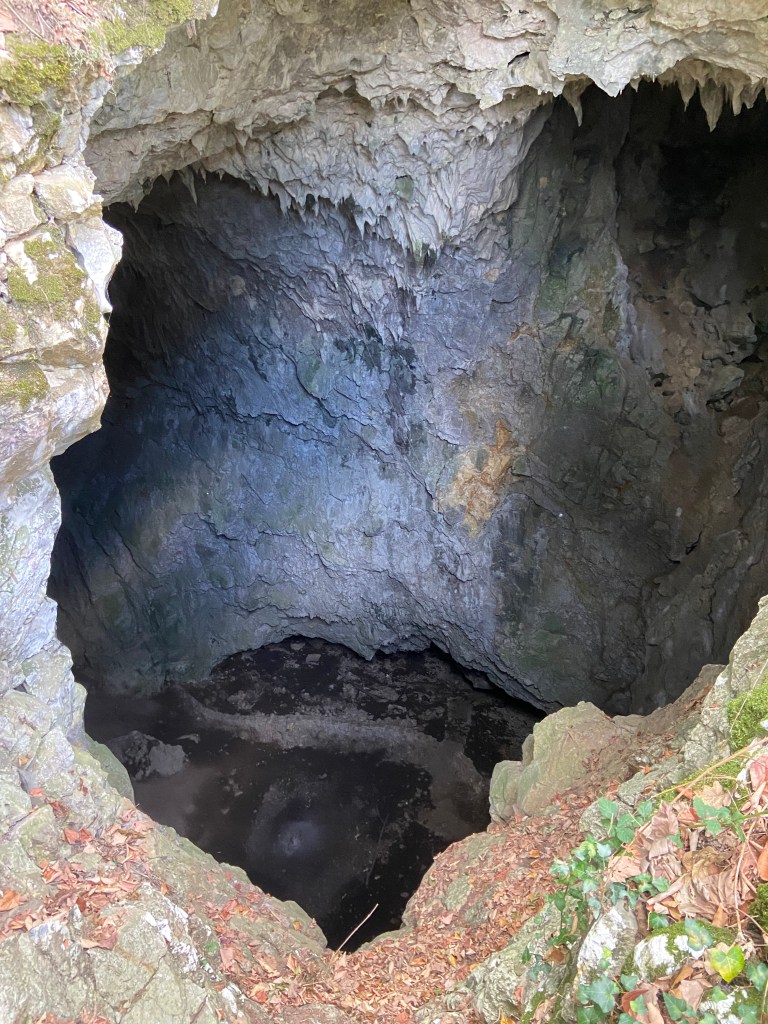
Petnička Pećina is an amazing cave system, with some stunning rock architecture and an enormous amount of potential. The main parts of the cave that climbers will be interested in are a lower tier, where the Banja spring flows out, and the upper tier – a large cavern with two ‘eyes’ in the ceiling. You can walk between the two via a cool tunnel, or on a path on the hill to the left. Once you’re in the upper tier, several paths go in different directions and it is possible to get a good look around the place, a very interesting area that is popular with cavers.
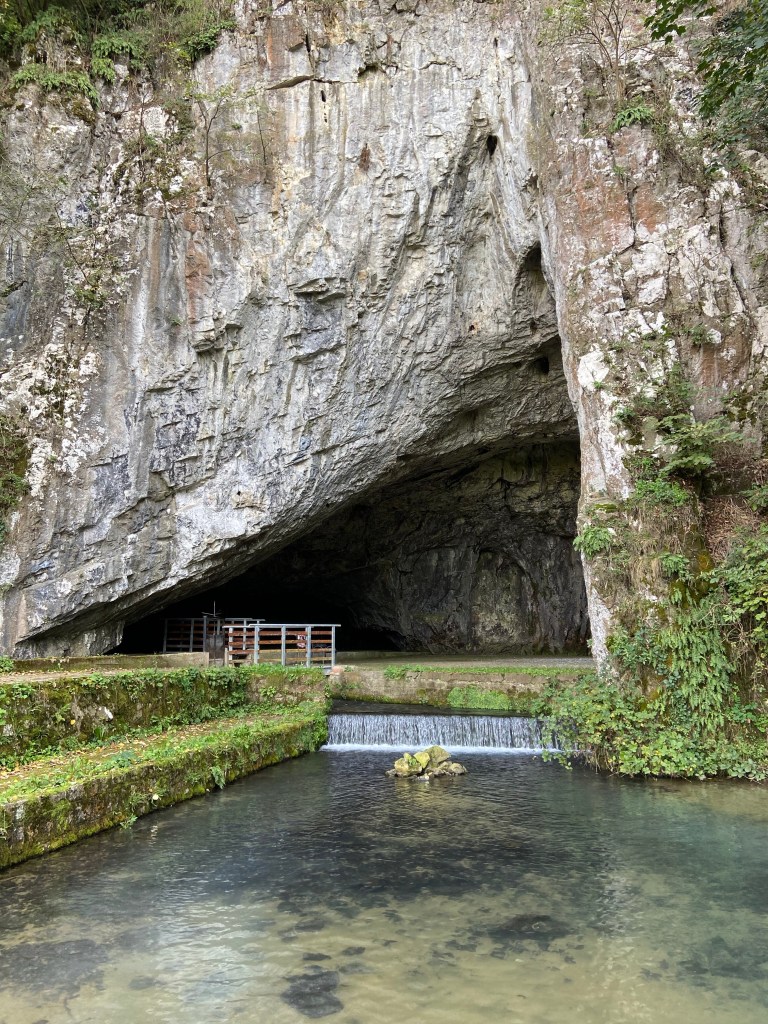
At the moment, Petnička Pećina has 15 routes from 6a to 7c, but there is the potential for many more, and it seems that more are already being developed. We saw a fixed line and some shiny new glue in bolts, clearly someone has been working very hard. One particular route that appeared new looked like an absolute king line, starting in the bowels of the upper cave and climbing all the way to the ceiling, towards the light. The fact Petnička Pećina is only 31km away from Grdoba means it is definitely worth including on a visit to the area.
Soko Grad, Ljubovija
Soko Grad is an incredibly beautiful and historical place, with some really great climbing that deserves more attention. The area is home to the ruins of a medieval fortress that features in records dating from 1176. Soko Grad became infamous due to horrific torture carried out by the Ottomans during their occupation of the region. Soko Grad returned to Serbian control in the 1860s, and more recently the impressive Monastery of St. Nicholas was built in a stunning location in the valley bottom.
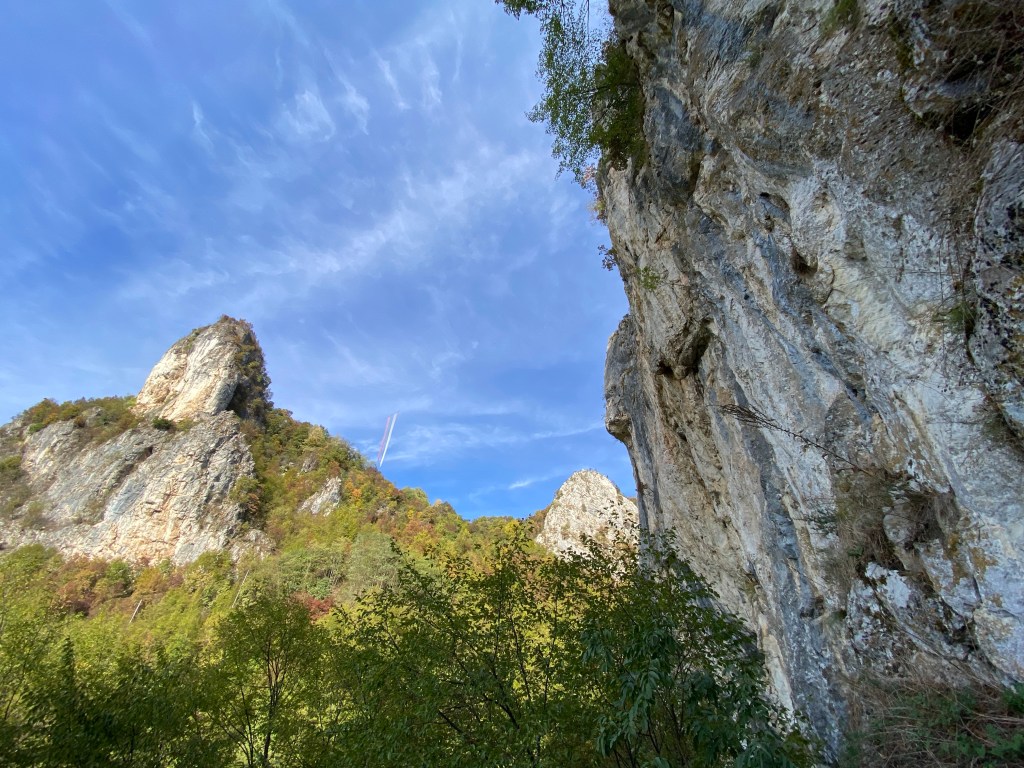
The very same cliffs that made the fortress impenetrable for so long are now home to some fantastic climbing! Soko Grad has 104 routes, from 4c to 8b, with the potential for much more. The rock is really great quality, and feels quite atypical for this part of the Balkans, with several sectors having some awesome tufa routes. Finding some of the sectors can be a little tricky, but it is definitely worth it. It was a brilliant place to climb, it is off the radar of almost all international climbers, and sums up what Serbia has to offer perfectly – good climbing, beautiful places and very few tourists.

Dubočka Pećina
Dubočka Pećina is an enormous cave in Eastern Serbia. The cave is 2,275 meters long and the ceiling reaches a height of over 30 meters. A river runs through the cave, and outside there are numerous beautiful waterfalls. The ceiling is dripping with stalactites and the huge passage lures you further into the cave. With only a head torch, an easy walk takes you to the stunning plunge pool. This is where climbing terrain stops and troglodyte terrain starts. Dubočka has been explored by cavers and is surely amazing, but not something to head off down when you have no equipment or any idea where it goes!
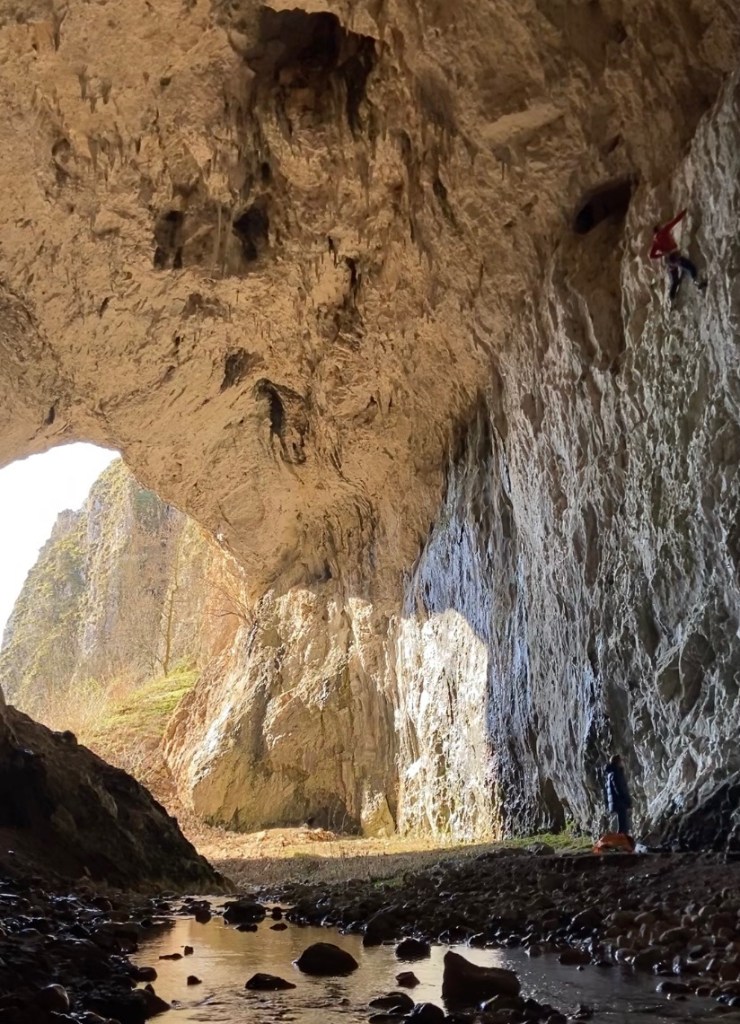
The climbing here was completely different to what we expected upon arrival. Some of the cave walls look loose and blocky, but to our surprise were totally solid. The climbing was very devious and technical. There were almost no holds that you pulled down on, instead lots of side pulls, undercuts, pinches and hard to spot footholds. The style made me reminisce of the catwalk at Malham Cove but at much lower grades.

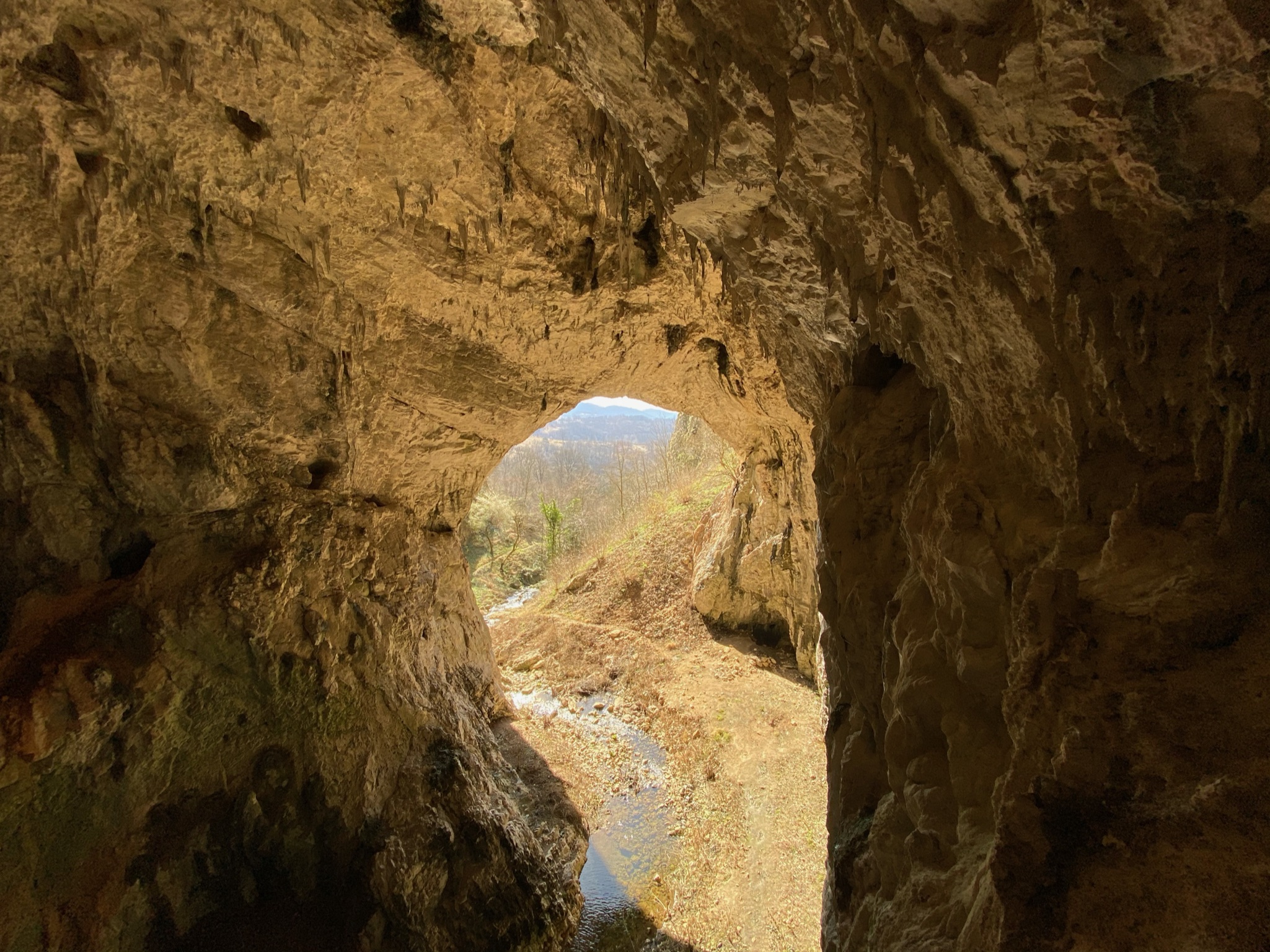

The routes range from 6a-7b+, but the potential for the cave is massive. At the moment the routes are only on the vertical walls of the cave, shaded under the roof. The enormous cave ceiling above remains untouched. If the rock here is as solid as the walls (it looks it), there could be some future test pieces here. Most of the routes were dry in the spring, even after the winter rainfall. There are 17 routes in total, 15 of which were bone dry, if a little dusty.

Jelašnička Klisura
Jelašnička Klisura is around 15km from Niš, in Southern Serbia. The gorge has more than 230 sport routes, including some multi-pitch routes and around 150 boulder problems as well. Jelašnička is one of the oldest climbing areas in Serbia and has routes ranging from 5a to 8c. The rock is mostly very compact grey limestone which has crimpy and technical climbing. Although one particular sector features steeper brown and orange rock which gives a nice variety of climbing styles.

There are around 16 small sectors dotted around the gorge, all within walking distance of each other. The nature of the sectors mean it is easy to follow the sun or the shade depending on the time of year. The gorge has an active local climbing scene and although it is never busy, it is common to meet other climbers on good weather days.

The climbing here was reliable and enjoyable. Although its not a huge area, there is enough good quality climbing to spend a week here before exploring other crags in Serbia. Having local climbers around makes Jelašnička even better as you can get good tips and information to help you during your stay.
Sićevačka Klisura
On the ‘other side of the hill’ to Jelašnička Klisura is another beauitful gorge with more climbing. Here the rock is totally different, much more of an orange-brown colour with some creamy white streaks in it. The climbing was quite burly and fingery, with the rock not having much friction but somehow still managing to be sharp! The grades here and at Jelašnička are quite harsh and we got ‘schooled’ on our first few days here.

A video from “A World Less Traveled” linked below, is about a new sector they developed in Sićevačka Klisura. We managed to spot the cave from the road, but unfortunately we couldn’t find the Tyrolean traverse over the river. We aren’t sure if we just couldn’t see it, it was removed or the water in the river had risen above the cable. It was a shame not to visit this sector as it looks fantastic.
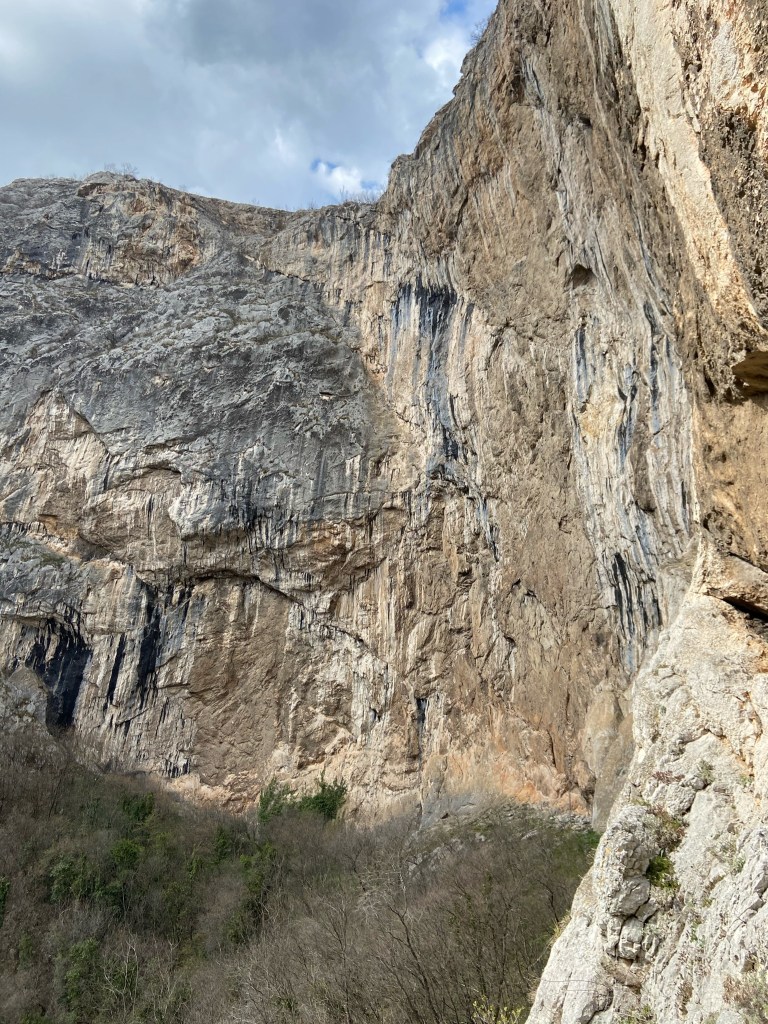
Slightly further up the road from the main sectors, there is a path leading to an absolutely enormous amphitheatre of rock. We spent ages wandering around looking at the walls (we also avoided a rather moody nose horned viper along the way!) We spotted some old pegs, bolts and a couple of fixed ropes. The rest remained untouched. The rock looks poor in some areas but reasonable in others, no doubt the adventurous of heart would find some exciting multi pitch routes here.
Rest day activities
Belgrade
The Serbian capital Belgrade is famous throughout Europe as a vibrant city of culture. Belgrade sits on the confluence of the famous Danube river with the Sava river. With a population of around 1.7 million, the city is full of life and interesting things to see. Belgrade is one of the oldest continually inhabited cities in Europe and settlements were established here earlier than 279 B.C.

Belgrade is a great place to visit while you’re in Serbia, it has major transport links to the rest of Serbia and surrounding countries. We arrived in Belgrade by bus from Sarajevo and after spending a few days there, got a bus to Niš. The buses are frequent and really well priced, although they always take longer than you think they will.
Niš
Niš is another historical city that is perfectly located for anyone climbing at Jelašnička Klisura or Sićevačka Klisura. In the city there is a nazi concentration camp museum as well as an unusual Skull Tower which dates back to the Ottoman Empire era. Both of these places are sombre but interesting to visit. They serve as reminder that conflict is never the answer and that people should be tolerant and kind to one another.
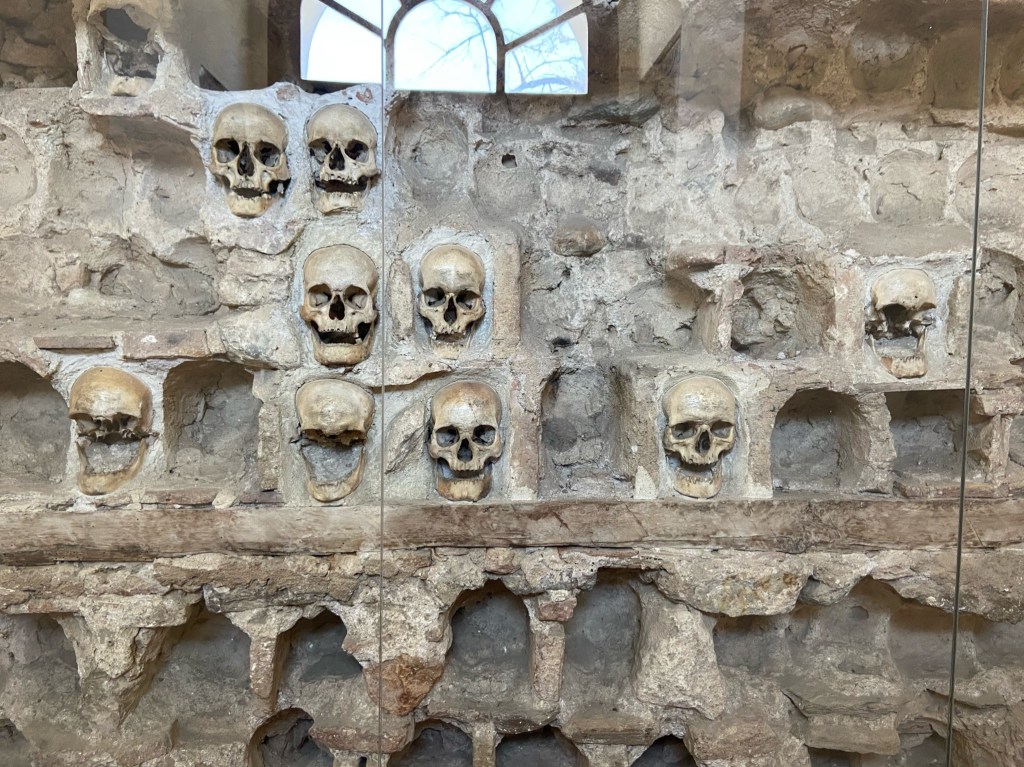
There are lots of more upbeat and positive things to do and see in Niš as well, so don’t let some darker history put you off. The city has great transport links to places like Skopje or Sofia, we followed up our Serbia trip by getting the bus to North Macedonia. Niš has lots of nice places to eat and drink coffee as well as affordable accommodation.
Vratna Gates
The impressive stone arches of the Vratna Gates are found in Eastern Serbia, a stones throw away from the Danube River, that forms the border with Romania. The location is extremely peaceful and remote, set in nature, surrounded by wildlife. We saw a mother deer and her fawn drinking from the river, totally at home in their environment. There are several hiking trails that you can take that explore both the different stone arches as well as various viewpoints along the way.

There are currently no routes that climb any of the gates, the rock looks good enough quality and not blank so it would be possible. Without knowing who owns the land or if the environment has protected status, it is hard to know if climbing would be allowed. It would be a major undertaking to clean and equipping routes here but the results would be amazing.

At the base of the gates lies a 14th century monastery on large grounds. Inside the church, there is a stall where you can buy their produce. The people here are friendly, they have some nice wares like honey from their bees and homemade Rakija.
Summary
We only scratched the surface of what is on offer in Serbia. For both climbers and travellers it is an interesting and beautiful country that shouldn’t be missed from a trip to the Balkans. We know there is a guidebook in the works and that more and more crags are being developed. We would definitely go back to Serbia again.
We write for pleasure and climbing is our passion. Our articles will never be paywalled. However, if you would like to help towards the costs of running the site or if you have found our content useful please consider contributing here. To read more about why your support matters, click here.
For more articles about climbing in the Balkans, read our Balkans series here.
Relevant links and resources
Serbia climbing topos and information
Affiliate Disclosure
We have an affiliate partnership with Climb-Europe.com, which means we receive a commission if you buy a guidebook via one of our links, at no extra cost to you. Currently, we only use affiliates for guidebooks from Climb Europe, not anything else. To read more, click here.
New Balkan Colours guidebook: https://climb-europe.com/products/serbia-rock-climbing-guidebook-topo?bg_ref=QMscYZ3xQy
Serbian Climbing website: https://serbianclimbing.com
https://serbianclimbing.com/penjalista/prirodna/
“A world less traveled” Serbia climbing video
https://www.youtube.com/watch?v=vsrh85B_dgA
Vratna gates
https://www.lonelyplanet.com/serbia/eastern-southern-serbia/attractions/vratna-gates/a/poi-sig/1603971/1324754
 The Crag Journal
Great blog! It’s really good to find other people exploring and sharing some of the less-travelled climbing spots – we’ll be sure to point the Rock Around The World van in that direction when we get the chance 🙂
Wishing you safe and happy adventures in the New Year! Cheers, Dom
LikeLiked by 1 person
Thanks for your comment! Be sure to see our other posts about climbing in the Balkans. If you’re ever back in Croatia pop across to Bosnia and Herzegovina I think it’s one of our favourite places we’ve ever visited.
Maybe our paths will cross on future travels. All the best 😊
LikeLike
Hey there! Thanks so much for sharing your articles with the climbing community, and for writing such a great piece about climbing in Serbia. I just wanted to add—if you don’t mind—that there is a climbing guidebook for Serbia, it was actually published back in 2013.
It mostly focuses on traditional climbing areas (like Borski Stol and the gorges of Gornjak, Ovčar/Kablar, and Sićevo—the one you visited), but it also includes some popular sport climbing spots and points to local guidebooks as well. On top of that, it features route descriptions, short bios of some of the legends in the Serbian climbing scene, and extra info on climbing ethics, birds, geology… basically, it turned out to be a mini climbing encyclopedia for Serbia.
I totally agree that climbing—especially sport climbing—has really taken off in the last 10 years, and I’m sure Cizmic and the rest of the crew will do a great job capturing that progress in their new guidebook.
I just wanted to mention—as one of the authors of that 2013 guidebook—to say: yep, one does exist 🙂 . It is in Serbian, but with some basic assistance of modern gagdets can be read in any language.
Link – http://www.penjanjeusrbiji.rs
All the best!
LikeLiked by 1 person
Hi Sana, Thanks for the comment, we are really glad to hear you enjoyed the post! Apologies about the guidebook, we had never seen that before, so thanks for bringing it to our attention. Perhaps it may have been that our searching in English didn’t bring up the website on google, but it’s great you have shared it with us now. It will be interesting to see some of the other crags we haven’t visited before, especially the trad crags. There is so much climbing potential in Serbia, it’s a beautiful country.
All the best
LikeLike