Finland is something of a backwater for climbing in Northern Europe, most climbers don’t know much about what Finland has to offer, other than the famous 9A boulder ‘Burden of Dreams’. The reality is there is loads of climbing in Finland and not just bouldering either. When we started to look into it we were genuinely shocked at how much there was, and how good quality it was. Other than climbing, Finland seemed to have very few tourists compared to Norway and Sweden, in some parts of the country we couldn’t believe how quiet it was. Finland is the 8th largest country in Europe but has one of the lowest population densities on the continent. The result is seemingly endless nature, pristine and unspoilt, often without anyone else in sight.
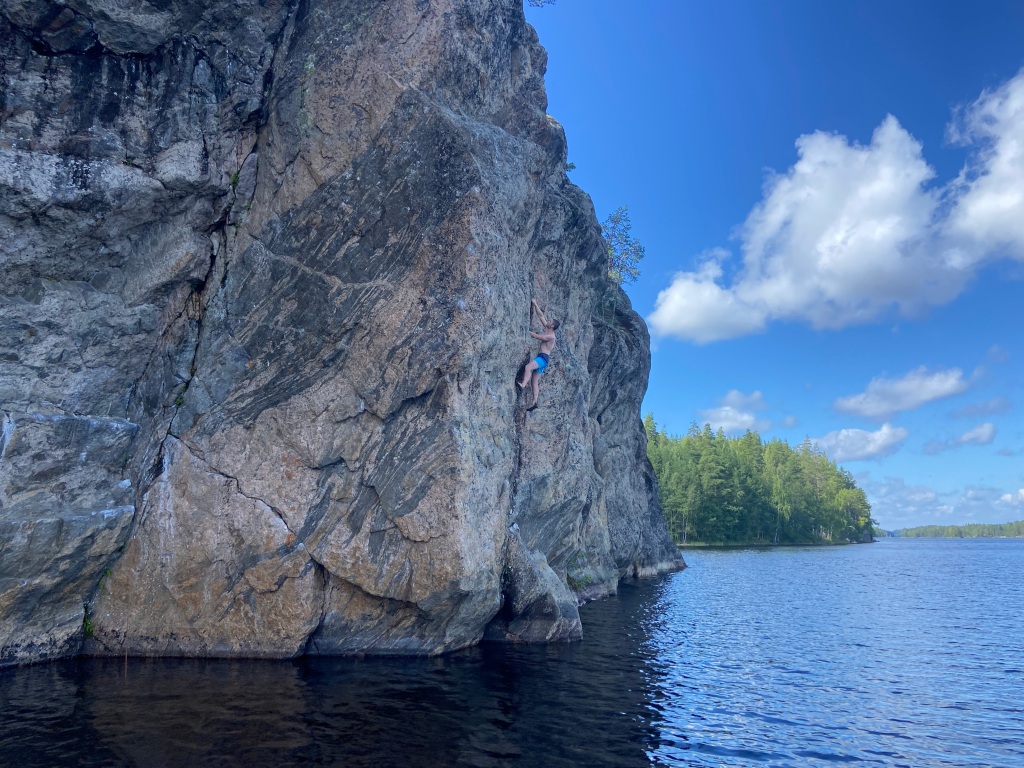
You may wonder why this is a Nordic road trip and not a Scandinavian one, and the simple answer is because Finland is not in Scandinavia! Whilst people from other parts of Europe might assume this to be the case, Finnish people do not consider themselves Scandinavian. Despite this, Finland is widely accepted as a Nordic country, hence the title.
Guidebooks for Climbing in Finland
There are several different guidebooks for climbing in Finland, some may be for specific areas, hard to get hold of or maybe slightly outdated. Because of this the best way is definitely to use 27Crags, which is also what the vast majority of local climbers do. The premium feature will give you access to topos for more or less every crag in Finland and these can be saved offline for use at the crag without signal. Usually grades will be French, but if you do see Finnish grades bear in mind they are slightly different to Nordic.
For Kustavi absolutely everything you need is on Jammi.net.
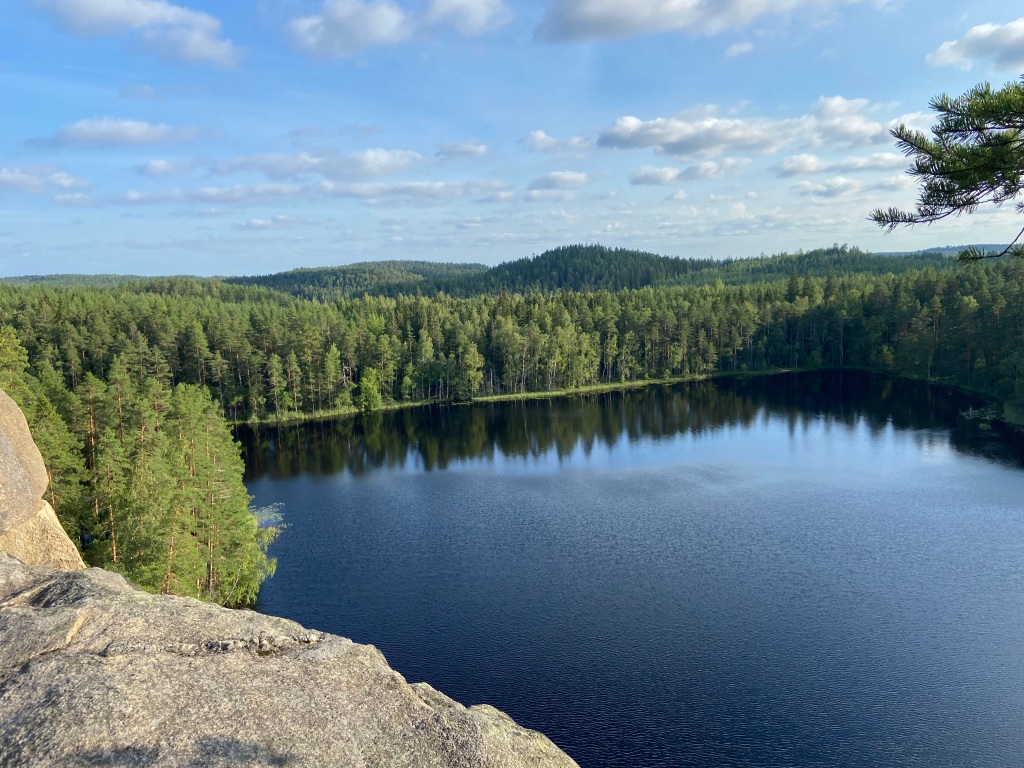
We should mention that we almost exclusively climbed routes in Finland and only did a small amount of bouldering. There are a few reasons for this, mainly our personal preference but also because we knew we were going to be doing exclusively bouldering in Estonia later on. The quantity of routes and boulders in Finland is vast and in a one month trip we knew we couldn’t do both well, so we picked our personal favourite style and stuck with that. We often climbed many consecutive days and we were totally destroyed physically by the time we left
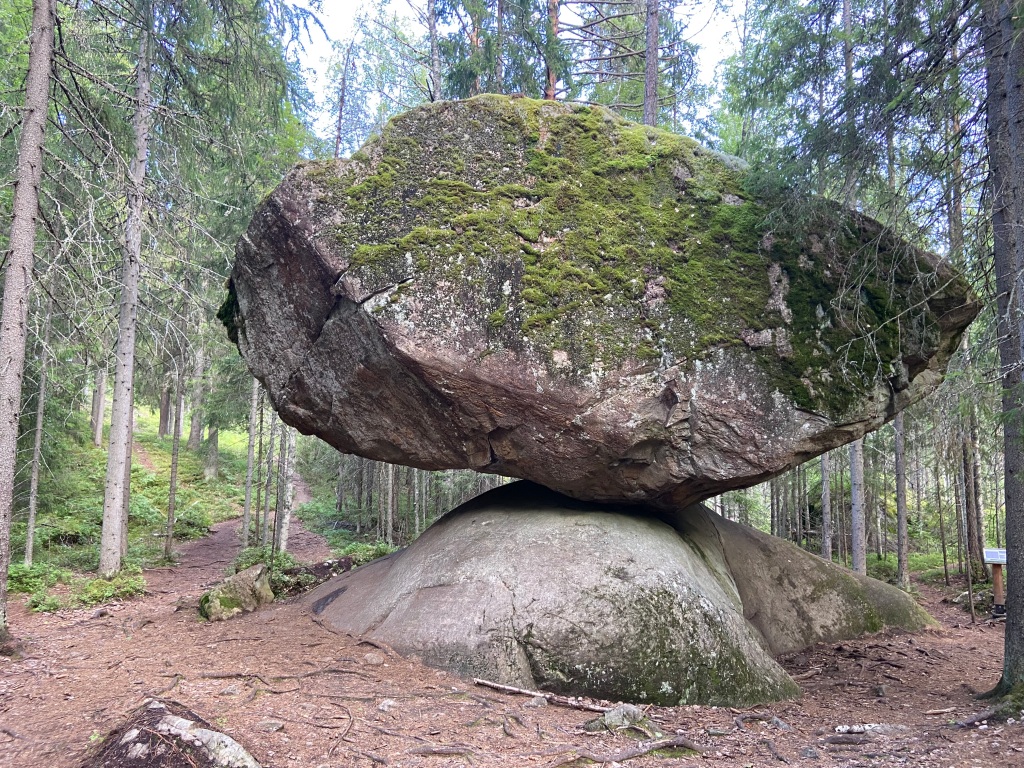
In terms of routes, the greatest quality and quantity is in southern Finland. There are also several nice crags around Rovaniemi. In the middle of the country there isn’t much in terms of routes, but there is a lot of bouldering. After climbing in the north we made our way down south over a few days, stopping off at some nice places for foraging, fishing, camping and sauna.
Below is a map of all the different crags we climbed at in Finland:
Weather and Climbing Season in Finland
The climbing season in Finland is relatively complex and quite a lot longer than you might imagine. On the very hottest days it can hit 30 degrees, but climbing in the shade will be fine. Likewise, you can get days in July and august when the temperature doesn’t make it above 12 degrees. In general the climbing season will run from April to September and it probably isn’t worth visiting outside of these months for most people. However, locals often manage to climb throughout the year, bouldering in sub zero temperatures or belaying off a frozen lake!
In the summer months, mosquito conditions are often just as important as weather conditions. We found mosquito coils to be priceless, enabling you to belay without being driven insane. Mosquito repellent is also worthwhile, but it makes your skin horribly greasy and can be bad for your clothes. Whatever you do, bring something, they can be really severe if you get caught in the wrong place at the wrong time.

Climbing Recommendations
Northern Finland / Lapland area
Petäjävaara
Petäjävaara is a nice small crag, close to the border with Sweden. Petäjävaara was the first place we climbed in Finland, a pretty savage introduction! The grades here are sandbagged and the style is very brutal crimping on gently overhanging rock. You can’t style your way up here, you really have to pull.
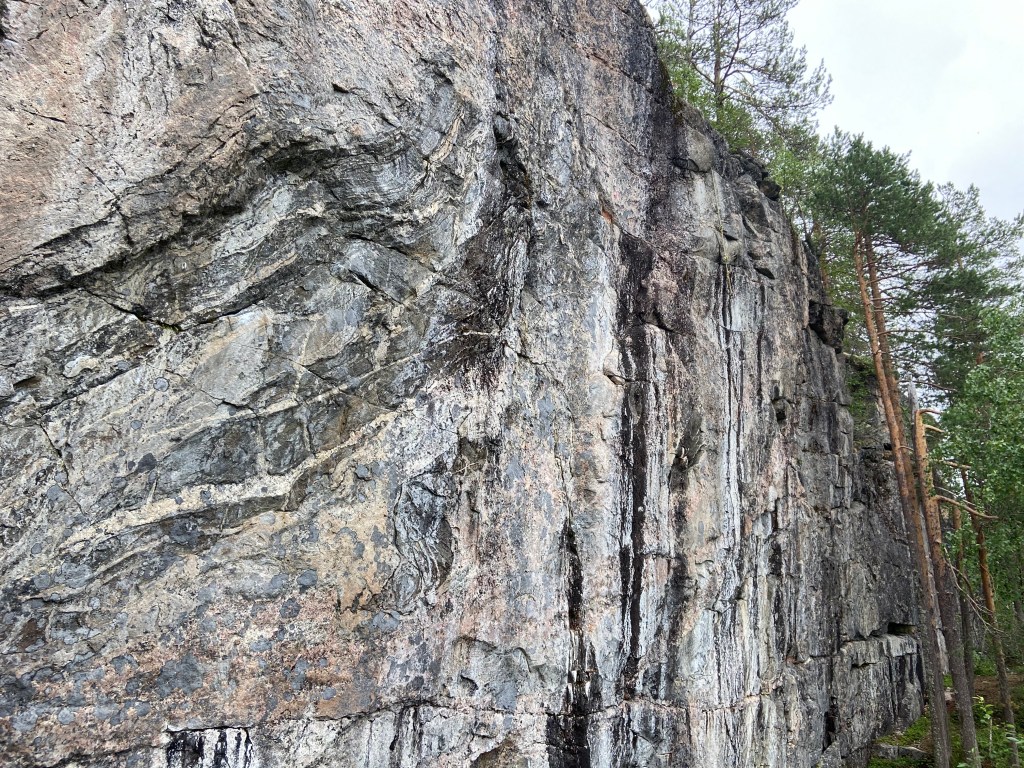
The crag is in a beautiful location with a pleasant walk through the forest to get there. The rock is good quality granite with some beautiful strata bands on the hardest wall. Petäjävaara has 29 sport routes and 18 trad, ranging from 4 to 8a, but most routes are over 6b (think 6c). We really liked the crag and the area, it was a fun place to climb and it definitely manages to work every last sinew in your arms.
We write for pleasure and climbing is our passion. Our articles will never be paywalled. However, if you would like to help towards the costs of running the site or if you have found our content useful, please consider contributing here. To read more about why your support matters, click here.
Käärmerakka
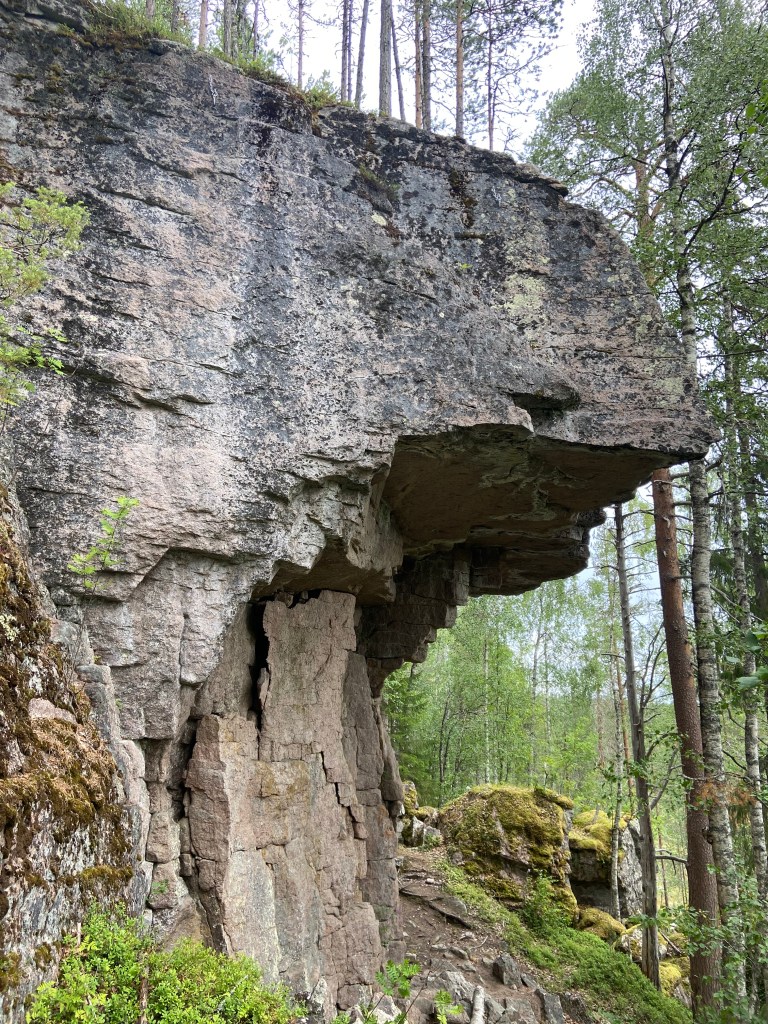
Käärmerakka felt a bit like Petäjävaara in many ways, but the routes are shorter and potentially even stiffer for the grade! The location is also in a beautiful area of forest, totally peaceful. Käärmerakka has two different sectors either side of a hill, which can be approached separately. It is possible to walk between the two on a faint but easy trail.

Käärmerakka has 14 sport routes and 5 trad as well as a few dry tool/mixed lines. The grades range from 5 to 7b, all of them feel harsh. Käärmerakka has some nice sloper climbing as well, which is pumpy but feels more amenable when compared to the crimpy routes. The slopers were a sight for sore eyes, after climbing on Käärmerakka crimps the grades almost anywhere else we’ve been should feel easy!

Karhunulkki (Sonka)
Karhunulkki is a really beautiful crag, with some really fun and varied routes. Some of the best routes here start with steep and gymnastic climbing on good holds through staggered overlaps, before you pull onto the wall above which is typically sustained climbing on crimps and slopers in eye catching horizontal breaks. To our shock the grades actually felt fair!
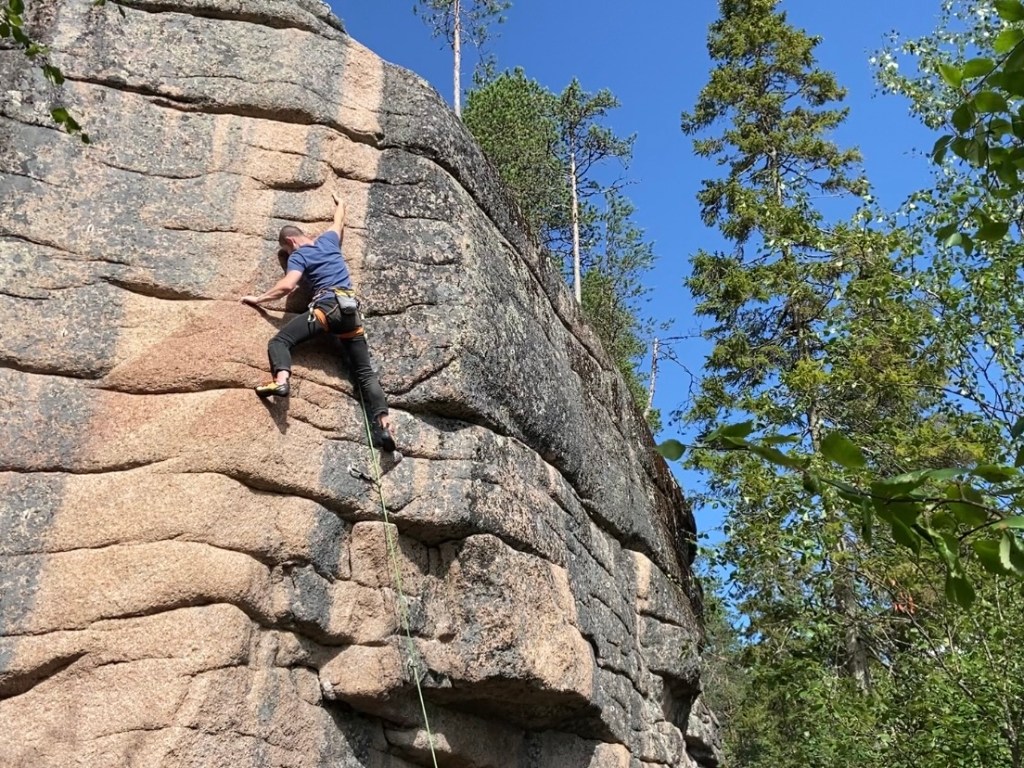
Karhunulkki has 25 sport routes and 16 trad, from 4-7b. We enjoyed the climbing here a lot, the rock is really nice and feels quite different to the other crags we visited in Lapland. According to a sign at the crag the granite here is 1.8 billion years old, which probably goes some way as to explaining its amazingly weathered texture.
Hiidenkirnut
Hiidenkirnut is one of the premier bouldering areas in Lapland, famous for the unusual rock type. The boulders are covered in pockets of varying sizes, sometimes there are so many it gives the rock an almost popcorn like texture. As far as we know it is still granite and it certainly climbs very differently to conglomerate. The name Hiidenkirnut means devils churns in English and the area is famous for its geological formations, known generically as giant’s kettles.
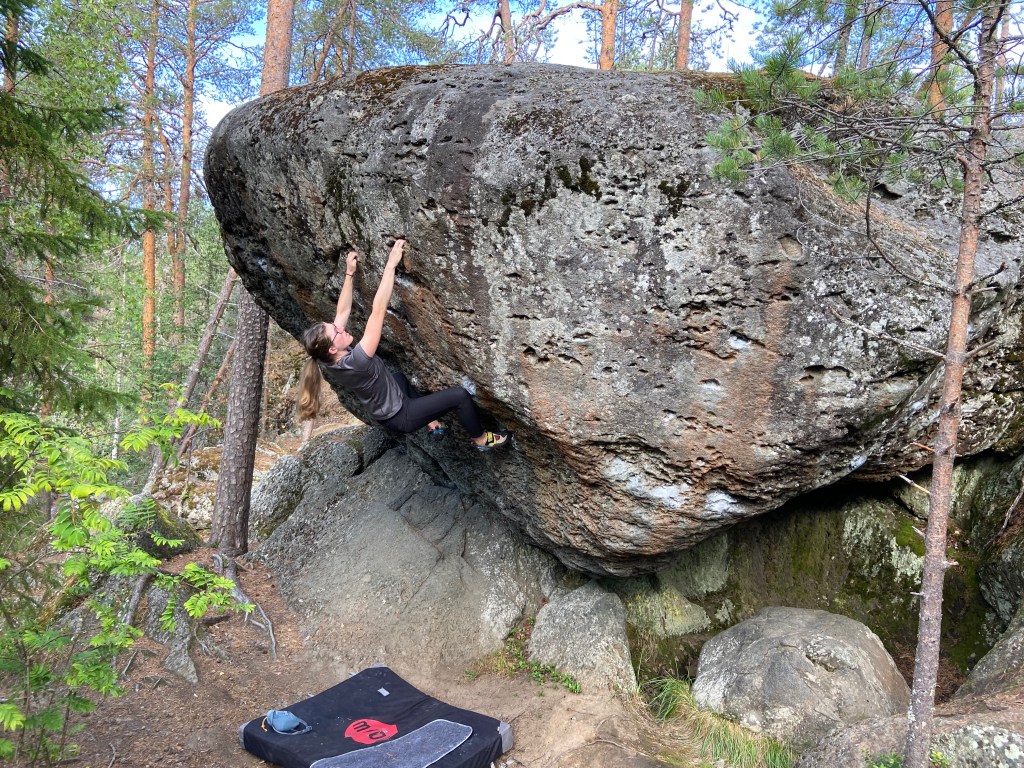
Hiidenkirnut has 351 problems, but good luck finding most of them! The grades range from 3-8A+ and there are also a few easy sport routes. There is something here for everyone and it is worth visiting if you are in the area and don’t mind a stomp through the woods. The blessing is one of the best boulders, Paavo-Kivi, is easy to find so you are guaranteed to get some good problems done there.
Martti Servo
Martti Servo is another bouldering area, just next to Hiidenkirnut, the two can easily be combined in a single day for some great circuiting and variety of rock. Whilst Martti Servo is granite, the rock has a really cool sandstone-esque feel to it. It genuinely possesses a lot of similarities with Font! It really has to be seen to be believed, we couldn’t quite believe it when we got there. It really needs a problem called ‘I can’t believe it’s not sandstone’.

Martti Servo has 64 problems from 3-8B+ and the climbing is really fun and much kinder to the skin than Hiidenkirnut. The only slight consideration for Martti Servo is that conditions play quite a big part. If it’s hot and muggy you won’t get far on the heinous slopers!
Southern Finland
Punkaharju
Punkaharju is the name of a town, near a crag called Haukkavuori, a hugely significant DWS crag in Finland. Whilst you might not know the crag by name, you may have seen it before in this video of Nalle Hukkataival climbing there. If that video doesn’t get you psyched to visit, nothing will! Luckily for us there are also lines a lot easier than 8c. In total there are 20 routes from 5+ to 8c, with really awesome lines on excellent rock, right across the grade range.
There is a floating sauna at the crag which is free to use, it was crowdfunded by local climbers which is an incredibly generous gesture. The sauna helps massively with lengthening the time of your session, even in the height of summer the water is chilly – you are on the same latitude as southern Greenland! Make sure to read and follow the etiquette for using the sauna and leave it ready for the next people, everything you need to know is on this 27Crags page.
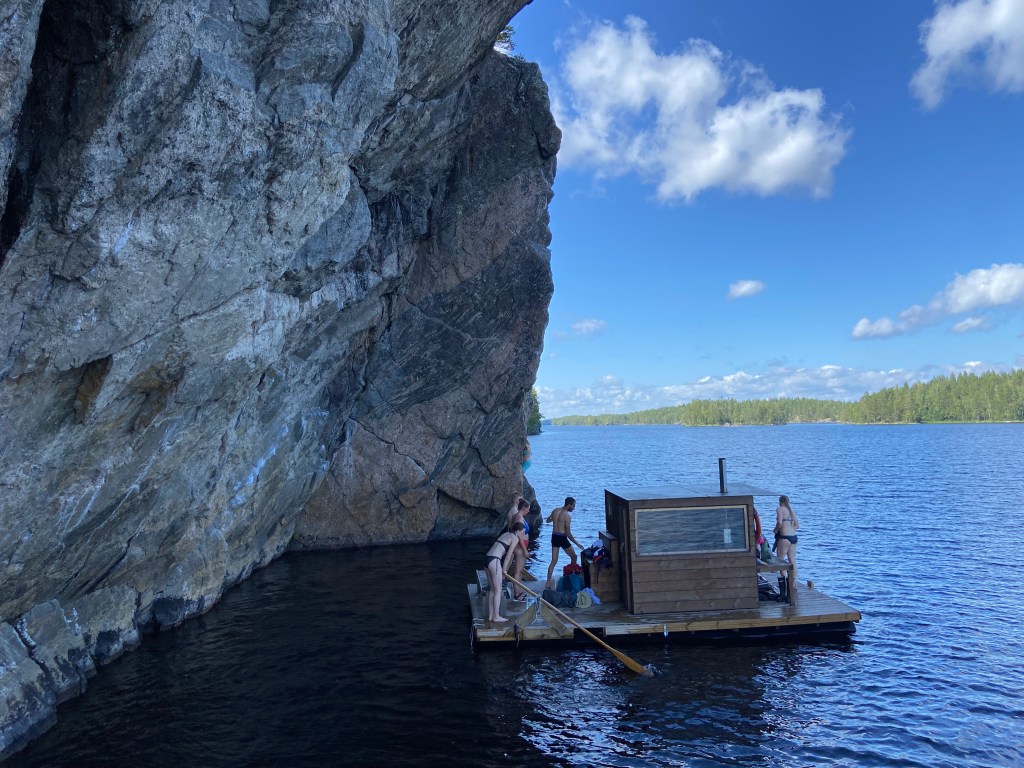
Our time here was one of those special days, everything was perfect and we couldn’t have asked for more. As we arrived at the sauna boat, some locals were just about to set off to the crag. They kindly let us join them and we enjoyed climbing together and getting to chat and warm up in the sauna. The weather was great, the climbing was amazing and the atmosphere was wonderfully relaxed.

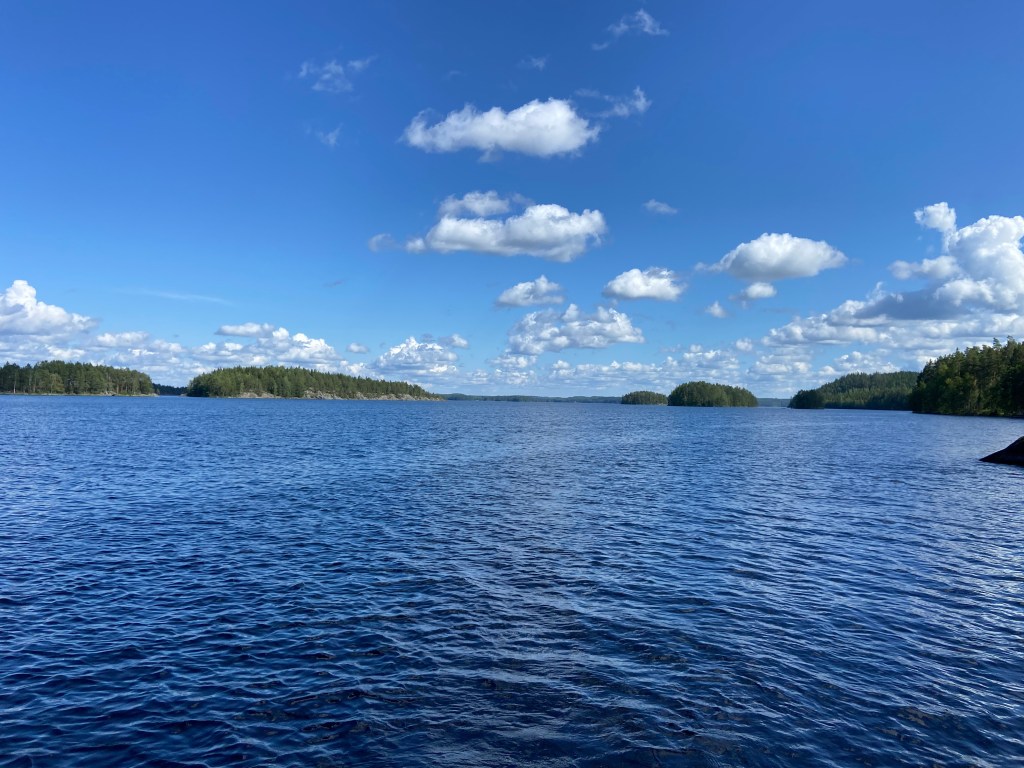
The crag is on lake Saimaa, Finland’s largest lake, which covers an area of around 4,279 square kilometres. Saimaa has 13,710 islands and because of this it actually has one of the largest coastlines of any lake in the world, at an almost unbelievable 14,500 km long! Saimaa is a very popular destination for Finnish people, but due to its size it feels super quiet. At the DWS crag there is almost nobody around and you are totally immersed in nature.

You should try to keep an eye out for the Saimaa ringed seal, a unique freshwater seal found only in this lake. The seals are now a unique species, having been cut off from the sea and other ringed seals around 9,500 years ago. This is because the land in Finland was, and still is, rising – due to a process called post-glacial rebound. In layman’s terms this is the earth’s crust uplifting after being compressed by the enormous weight of ice sheets from the last ice age. The process is expected to continue for another 10,000 years and currently Finland is growing at a rate of about 4 to 7 square kilometres a year! Apologies for the geography tangent, but we found that fascinating.
Tollonvuori
Tollonvuori is a really nice sport crag not far from Lake Saimaa, set in a nice quiet location in a forest, a short walk from a gravel road. The climbing is predominantly sport, but there are a few trad routes as well. The rock is really nice and there is a bit of everything style wise, slabby, crimpy and juggy routes are all on offer.

Tollonvuori has been well looked after by locals who have put topos and crag etiquette on a board near the base of the crag. There isn’t much information on 27Crags, but everything you could need is detailed at the crag. In total there are 31 routes, from 5a-8a+, in a lovely relaxing environment.
Rapionvuori
Rapionvuori is a major and somewhat undervalued crag, home to some absolutely mega trad pitches, a full 40 meters long with great rock and memorable moves. The crag is in the heart of the Finnish lakes region and the view from the top is absolutely stunning. Even though many Fins climb trad, it seems this crag is very quiet and a few of the routes needed a bit of a brush.
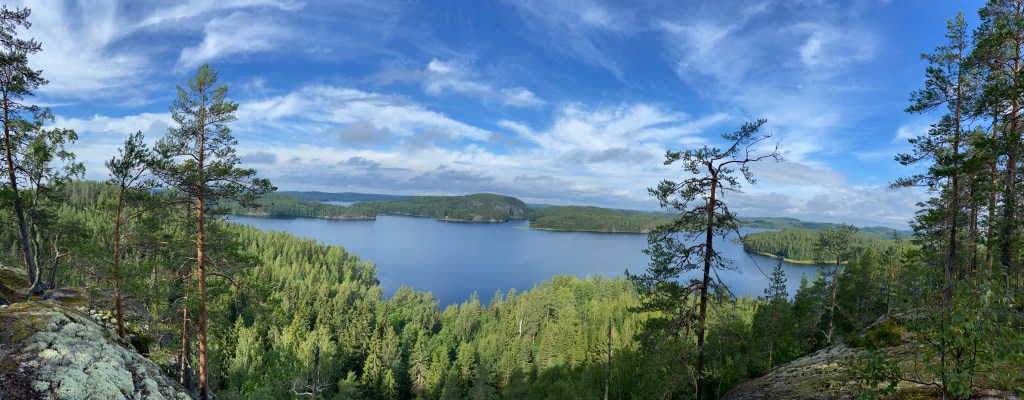
Rapionvuori has 23 routes, from 4 -7b and the mid to high 6th grade is the sweet spot, with some absolutely superb climbing. The crag is relatively shaded and the bottom 10 meters that gets tree cover can be a bit dirty and mossy. Once you are past that, the remaining 30 meters of rock is immaculate and has some very impressive features. The classic 6b corner of Airshow is superb, absorbing climbing. The partially bolted (still very much a trad route) 6c next to it, Korpilaki, is brilliant. Delicate and balancy moves that require full concentration and an absolutely wild crux, it is the full package and deserves more attention.
Karkaus
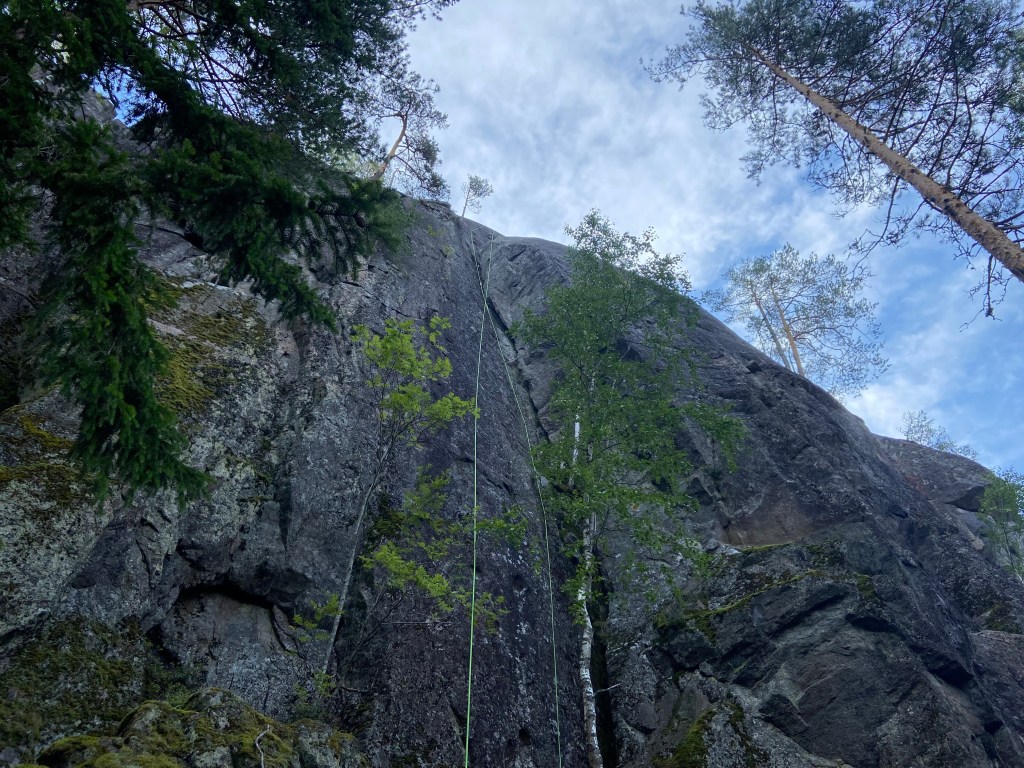
Another Finnish crag, another gorgeous lake side location. Karkaus is a really nice sport crag with overhanging rock and dynamic pumpy climbing between good holds. A lot of the routes are both harder and better than they look, the rock is generally really solid and good quality, the climbing style is very different to most other crags in the area.
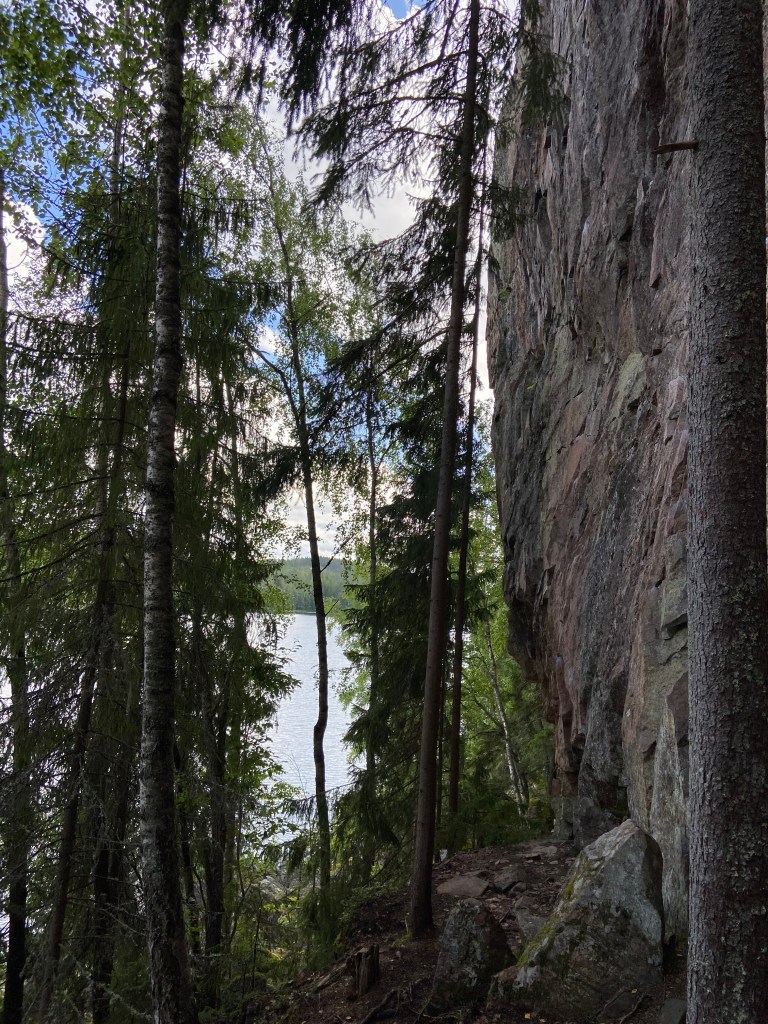
Karkaus has 19 routes from 6b-7c+ and is definitely worth a visit. We really liked the crag and thought both the routes and the atmosphere were wonderful. Our one criticsm would be that on some routes, the bolting is very weird and a bit sketchy, Manuscript (7a+) is the best example of this. 27Crags mentions taking a cam for extra protection but that is only half the battle, the bolts are really far to the right from where the route obviously gets climbed, without a cheeky clipstick up we would’ve had to bail.
Olhava
Olhava in short is the best crag in Finland. If Olhava was anywhere else, like Bohuslän, it would easily be one of the best crags there, the routes would be classics anywhere. The place to climb in Olhava is the Laatta sector, a perfect wall of granite, 40 meters high and rising straight out of a beautiful lake. The lines are stunning and the climbing superb, it is a pretty much flawless experience.
Getting to the sector is pretty cool in its own right, you paddle over in a boat provided by the Finnish Climbing Association, just for use by climbers. You can drop all the gear off on a small island connected to the crag by two boardwalks, starting your climb from the waters edge. The boat must be kept at the mainland so others can use it. If no one is conveniently placed to taxi you, one person can easily swim back after returning the boat, a refreshing way to prepare for a climb!
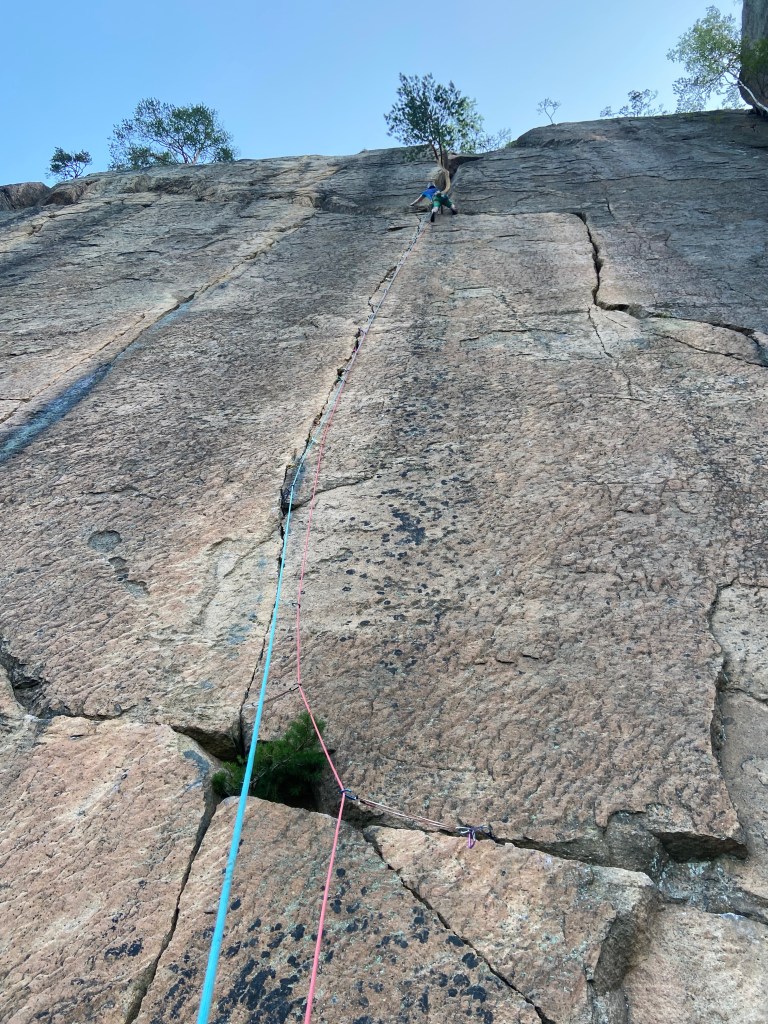
Olhava has around 95 routes, from 4 to 8a+ and trad climbing is the name of the game here. Whilst there are some routes with bolts, they will still feel like a trad experience, only the harder lines in the 8th grade are like true sport routes. A lot of the routes are very well protected, but feel massively exposed and intimidating. The wall is slightly off vertical and goes from top to bottom in one clean sweep, no ledges or obvious breaks, it makes 40 meters almost feel like 50!

Most of the classics are in the 5+ to 6c range, being able to climb these grades comfortably will definitely be of benefit. The grades are stiff, not necessarily huge sandbags like other places in Finland, but they feel massively intense and absorbing compared to average routes elsewhere that are the same grade. There are lots of small footholds and delicate balancy moves, you can’t just crank through it like a steep tufa route. If you haven’t climbed on granite before you might find some of the routes harrowing.
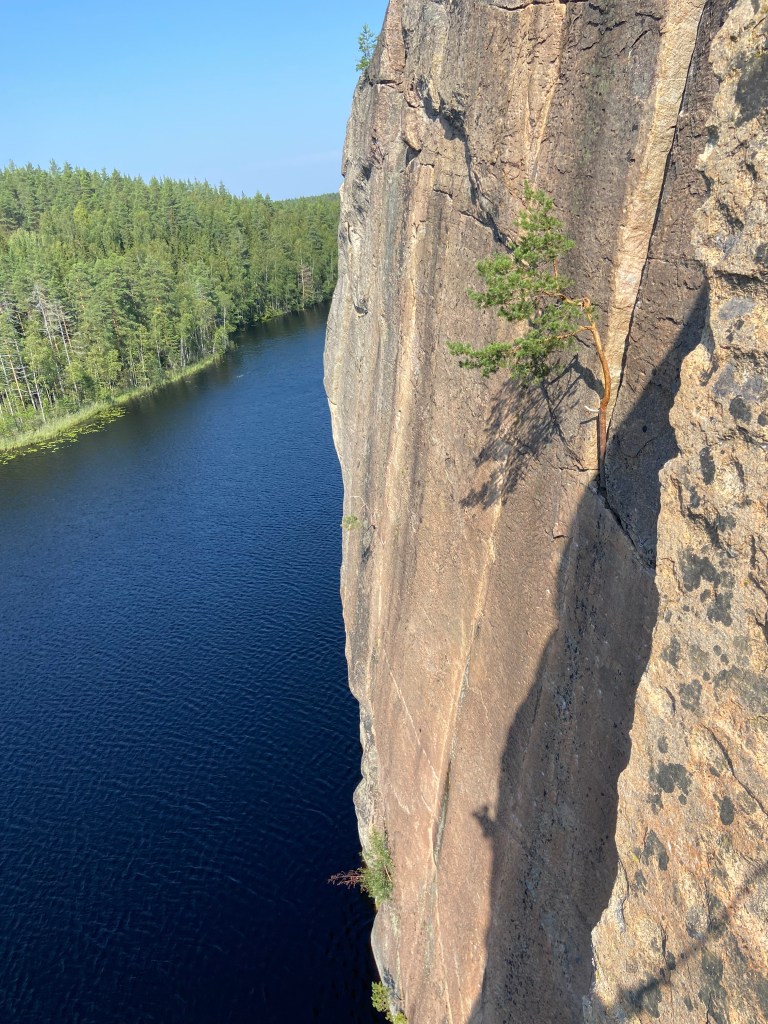
Olhava sits within Repovesi National park, which is popular with hikers and campers as well as climbers. There are several places within the national park where you can camp for free, toilets, fire pits & logs and drinking water wells are all provided for you. On a sunny weekend it can get busy but not overrun, it is a very big area. During the week it is super quiet and there is almost no one else around. Climbing, swimming, sleeping and cooking in this pristine environment is a great privilege and a true pleasure. Make sure to treat it with the utmost respect.
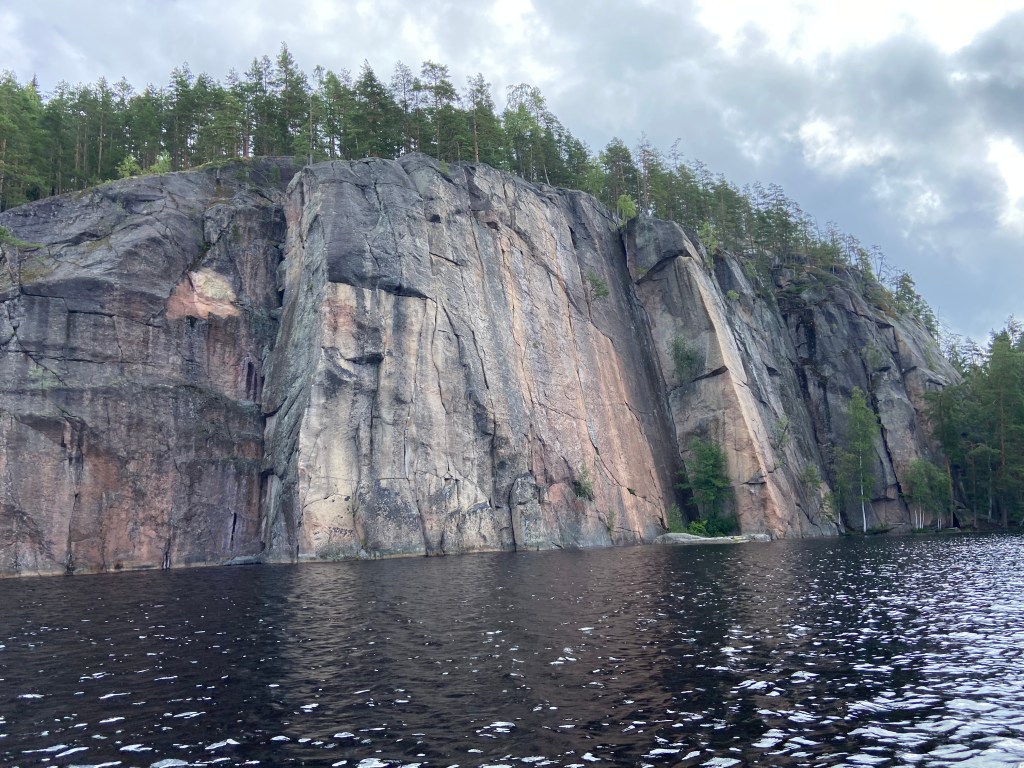
We loved Olhava and were bowled over by the quality, personally we think it’s the best single pitch trad crag we’ve ever been to. In that category, for routes in the 6s, it feels world class.
Louhos
Louhos is an unusual old quarry in the middle of an urban area, not far from the city of Kouvola. The quarry is historic and predates the Second World War. Much like most quarries the environment is kind of horrible, with an obligatory ancient burnt out car. Despite this the rock is surprisingly good and there are some eye catching lines.

Louhos isn’t what you come to Finland for, however it is still a very useful crag to know about. Kouvola is the nearest city to Olhava and it has a Lidl (yay!) and all the things you might need to stock up on, on your way to or from Olhava. Louhos is fully bolted and has 61 routes from 3-7b+. It is a fun place to spend a day and the climbing is good, but it isn’t the main event in southeast Finland.

Tikankallio
Tikankallio is an absolutely superb venue, it took us by surprise and we were very impressed by the quality. The walls are very clean and unbroken, shaded and also quick drying which is all you can ask for. The rock is really cool, like granite but with a strong conglomerate element to it, we couldn’t work out exactly what it was. Regardless of the rocks name, it is very solid and climbs really nicely, there are loads of nice cracks that also use unique holds on the outside.

Tikankallio has 31 trad routes and 10 sport, ranging from 5-8b. The crag gets going in 6s and from 6a+ there are loads of great lines to go at. We loved Tikankallio and can’t fault it at all, it’s a fantastic crag that is among the best in Finland. If it had more than 31 routes it would surely be a very popular area.
Haukkakallio
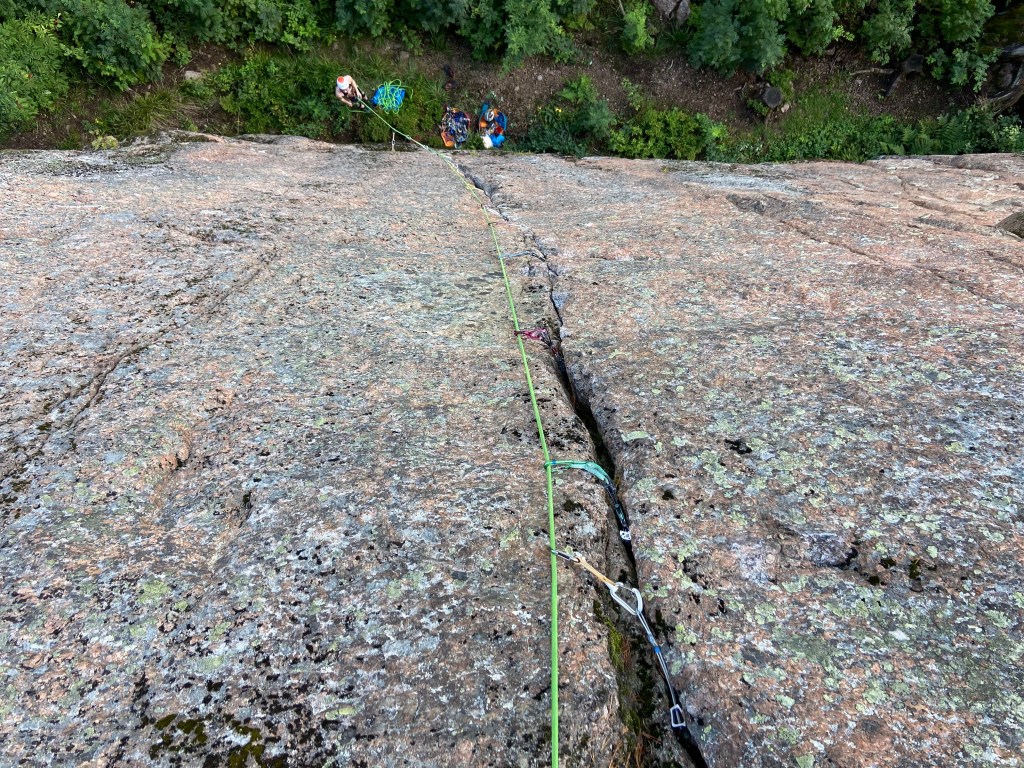
Haukkakallio is a popular climbing area near the coast in southern Finland, the crag has 74 trad routes and 61 sport, from 4-7c+. The crag has a nice location in the forest and feels secluded, even though it’s not far from the main road. The rock is good, but the lines are not as nice as they are at Tikankallio. Despite this, Haukkakallio gets around 20 times the amount of visitors as Tikankallio, based on 27Crags logbook ticks at the time of writing. We found this surprising, not that Haukkakallio isn’t nice, but how massively under appreciated Tikankallio is.
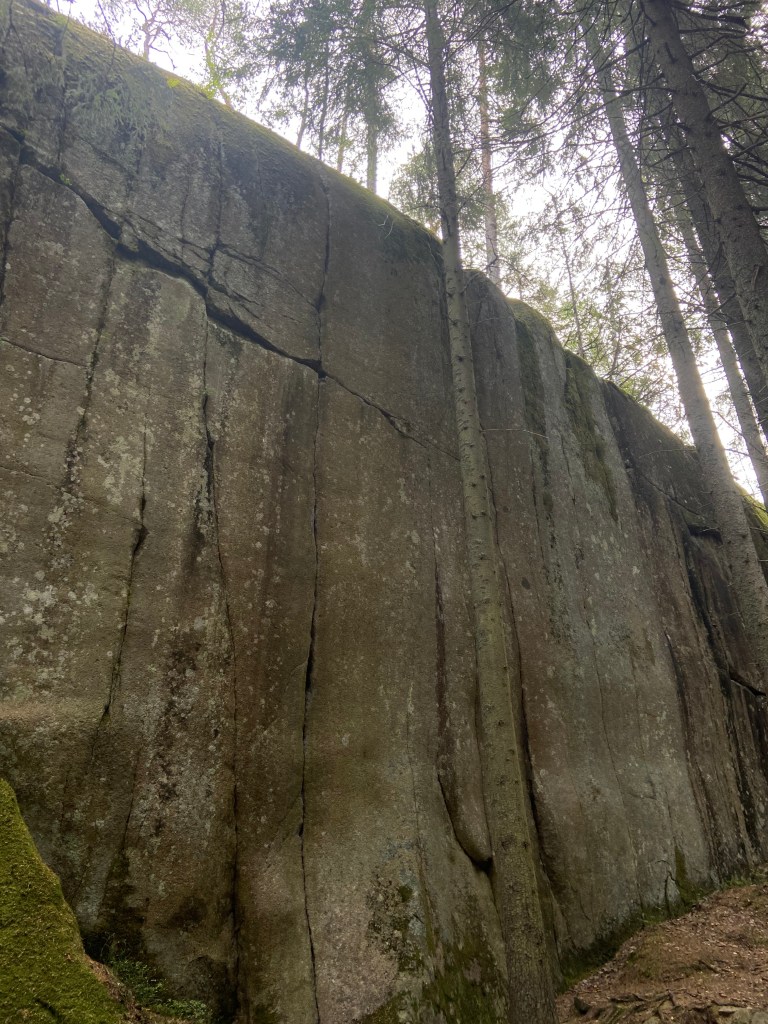
Haukkakallio should theoretically be sunny, but we had an unfortunate spell of weather before our visit and many of the routes were wet/damp. Because of the forest it may take a day or two to dry properly after heavy rain, although that probably applies to half of the crags in Finland!
Nalkkilan släbi
Nalkkilan släbi is billed as the fastest drying crag in Finland on the 27crags page, and it was certainly dry when we went. What wasnt mentioned is that it is right in the middle of a builders yard! Despite the slightly odd location, the rock is good quality and the slabs are certainly challenging. The rock is shockingly smooth, almost completely frictionless and the features are small and require total faith in your feet. Don’t go on a hot day, as the crag gets a lot of sun. Nalkkilan släbi has 15 sport routes and 7 trad, from 4-7b. The crag isn’t a classic, but it’s worth knowing of if you want some dry rock in the area, or to realise your footwork is actually crap!
Havukallio
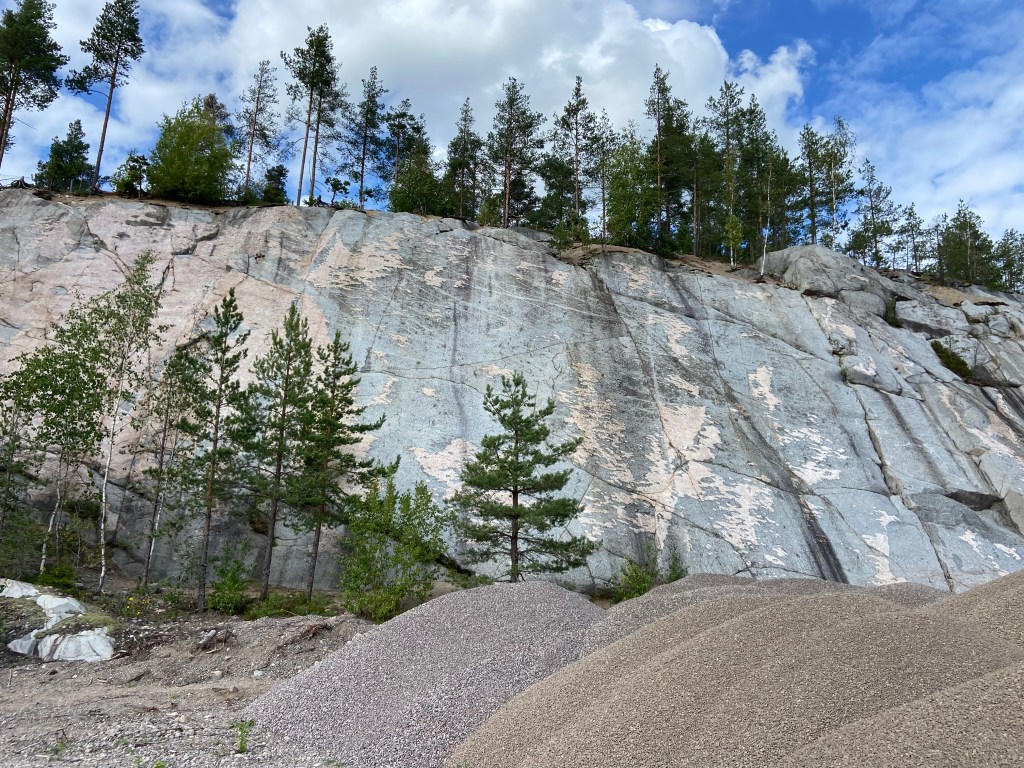
Havukallio is a good quality trad climbing area, with a nice selection of routes and a quick approach from the road. The rock is really nice quality and there are several appealing crack lines that are at amenable grades. Havukallio has 47 trad routes and 9 sport routes, from 3-8a. It is worth noting the sport routes are in the high 7s and low 8s, the lower grade routes are mostly all trad.

We enjoyed Havukallio, the routes and rock were really good. The only comment we would make is that for anyone climbing in the mid 6s trad, there is probably only enough for one big day of climbing and the crag felt a bit smaller and more limiting that some of the others we visited in southern Finland.

Lammi
Lammi is an excellent sport crag, with 23 routes 6a-7b, on great quality rock and are a good length. The only downside of Lammi is its position quite close to a relatively busy road, other than that it’s all good news. The crag is quite steep and there is some powerful and pumpy climbing between good holds, as well as some very crimpy wall climbs. Lammi probably compares best to Karkaus, we enjoyed the routes at Lammi more, but the location of Karkaus is undeniably better. Lammi is perfectly suited for an easy access cragging hit to blast your arms on good routes and for that alone it is worth a visit.

Falkberget
Falkberget is one of the tallest cliffs in southern Finland, with a good selection of sport routes across there grades. The rock is really good quality and many of the lines are quite visually striking, the quality usually increases as the grade does. Falkberget has 33 routes, from 5-8a, with the best routes starting in the upper 6s and going from there.

We had quite high hopes for Falkberget and upon seeing it we were impressed. However, climbing some of the routes presented a different side to the crag. The first route we did, ‘Sledgehammer’, was good and felt more or less normal. However the next two we did, ‘Juppihippipunkkari’ and ‘Urheiluhullu’ were a different story. The bolting was truly horrid, not the type with big but safe falls, but instead with big and genuinely quite dangerous falls. There are some sections where you could easily end up smashing your ankles, ‘Juppihippipunkkari’ has a run out of around 5 meters to the chains and it isn’t steep ground but ledgy. We just thought it was a great shame, Finland has lots of trad if you want to test your boldness and risk injury, but it isn’t really what sport climbing is about.
Hyttyskallio
Hyttyskallio is a fantastic crag, with some really great quality wall climbs on wonderful compact rock. Hyttyskallio has 15 sport routes and 21 trad, from 3-7c+. In our opinion the sport routes are better quality here, taking in the nicest and most appealing sections of the crag. We loved the routes we did at Hyttyskallio and far, far preferred it to Falkberget, even if it is a bit smaller.
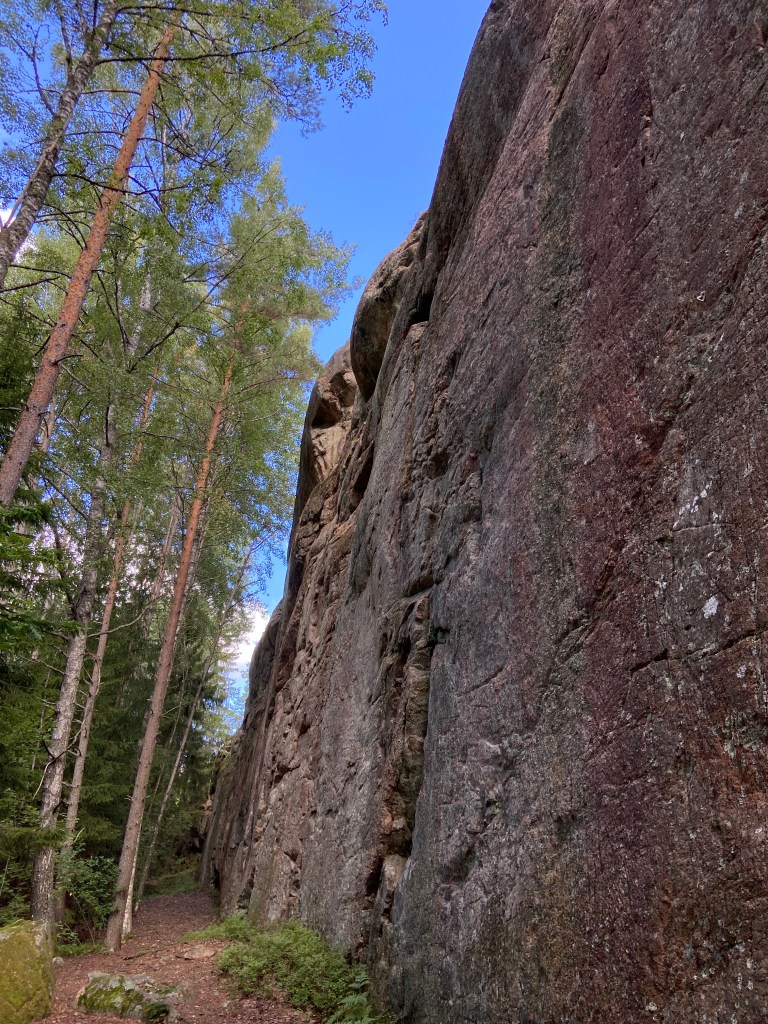
The crag is shady and in the forest so may be slow to dry, but is a perfect choice for hot days. The shade also provides the only real downside to Hyttyskallio, the routes can be quite green or a bit dirty. If you take a brush and accept onsighting is going to be tricky then once the holds have had a scrub you will be rewarded with some excellent climbing.
Angelniemi
Angelniemi is another really nice crag, similar in many ways Hyttyskallio, but it is harder and slabbier. Angelniemi gets the sun so the routes are usually dry and clean, even after rain. The rock is excellent, but the technical sneaky slabs feel oh so hard for the grade. The best routes are around 7a+ to 7b and they look quite easy from the ground, but they really aren’t!
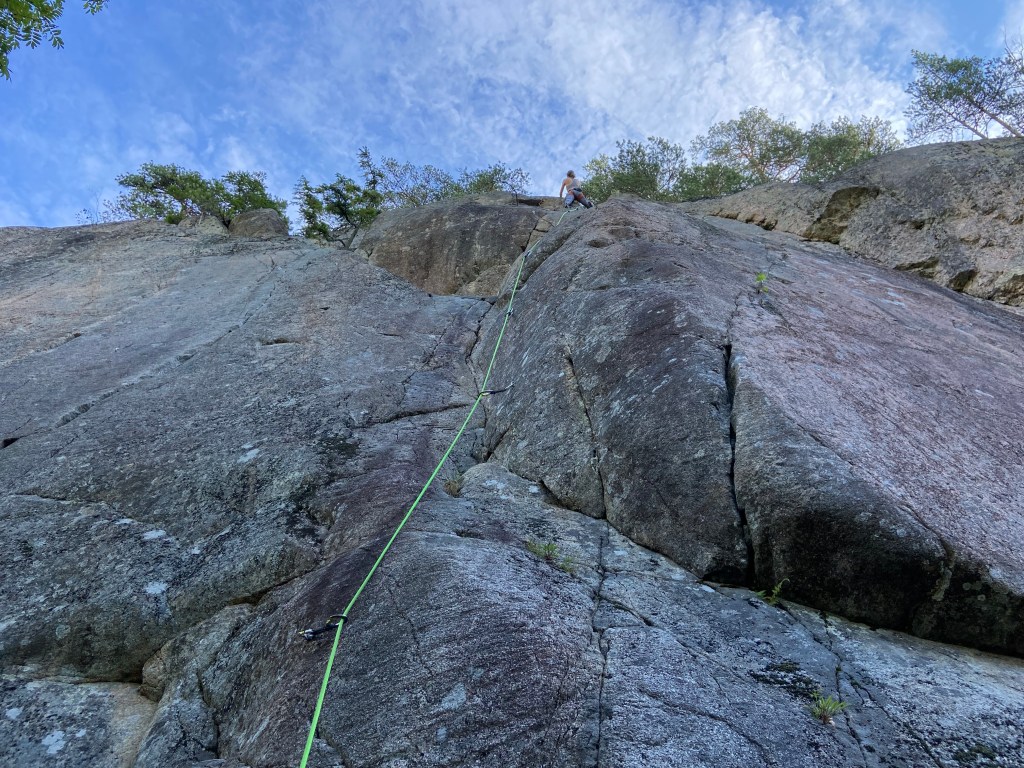
Angelniemi has 23 routes, mostly sport, from 5-8a. We thought the crag was really nice, with well equipped routes on great rock. The style of the climbing is quite brutal, but it’s a good place to get your eye in for granite slabs.

Kustavi
Kustavi is one of the most renowned climbing areas in Finland, occupying a beautiful area on an island in the archipelago sea. There are around 50,000 islands in the archipelago, if the smallest ones are counted. They are still growing in size today, you’ll know why if you’ve been paying attention! The area has a wonderful relaxed atmosphere and is a popular holiday spot for Finns. There are lots of artsy things to see, like the handicraft village, and loads of nice cafes. It is rightly said a trip to Kustavi isn’t complete without coffee and Munkki (Finnish doughnuts flavoured with Cardamom).
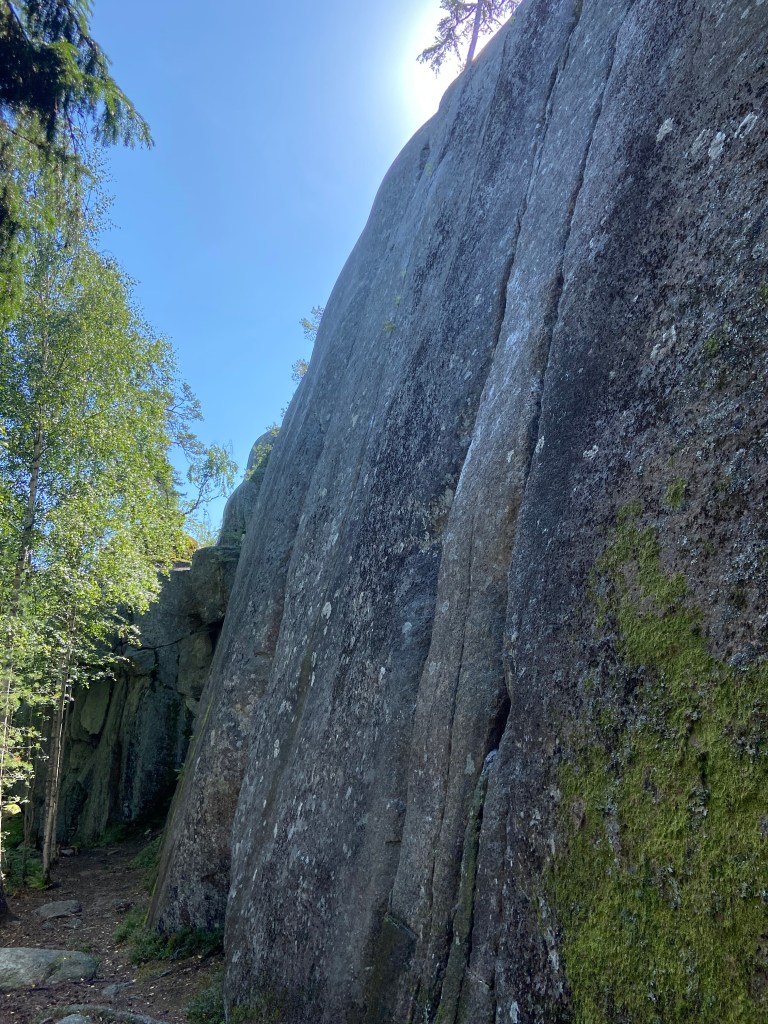
Climbing wise it is pretty hardcore, lots of gnarly crack wrestling and of course it’s all trad. The crags are modest in size, all under 20 meters, but you’ll be thankful they aren’t bigger when you top out! The grades are stiff, if you aren’t a good jammer you’ll get spanked. We discovered we absolutely suck at wide cracks, can struggle up hands and actually enjoy and savour a finger crack! The epicentre of information for Kustavi is Jammi.net, which has topos and everything else you need to know.
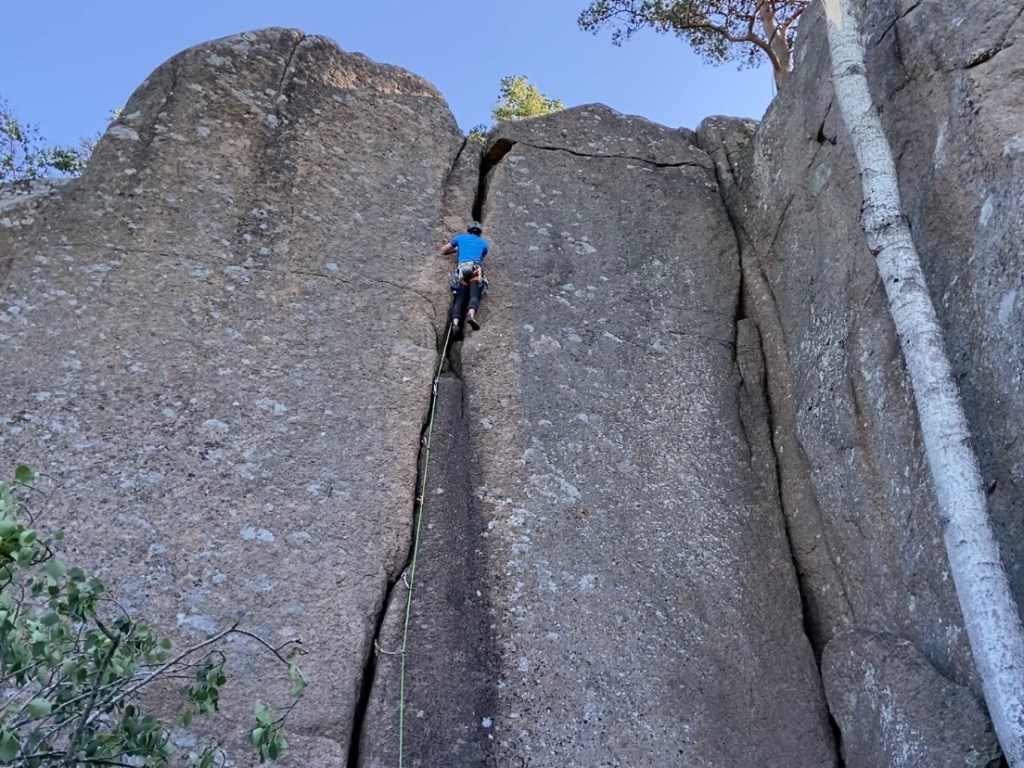
As well as the Finnish grade, Jammi has a unique, playful and very useful protection rating system. The five point system has teddy bear, alpine ibex, monkey, lizard and spider. Teddy bear is ‘pro 1’ and denotes safe routes, spider is ‘pro 5’ and indicates highly dangerous routes, you can read a more detailed breakdown on Jammi. There will be an animal logo next to each route to let you know what you are in for.
Hopiavuori is a classic Kustavi crag, jamming, hard grades and no bolts. The rock is generally really good but the very very top can be crumbly in places. Hopiavuori has 66 routes from 4-8b, with nice lines right across the grade spectrum.
Hooperinvuori is another of Kustavi’s best venues, the 27crags page mentions the rock being not so good, but we felt the opposite was true and the rock felt better than Hopiavuori! The 6c crack of ‘Isi Rider’ is a great route on immaculate rock, one of our favourites in the whole of Kustavi. Hooperinvuori has 23 routes from 3+ – 7b and is only a short distance away from Hopiavuori.
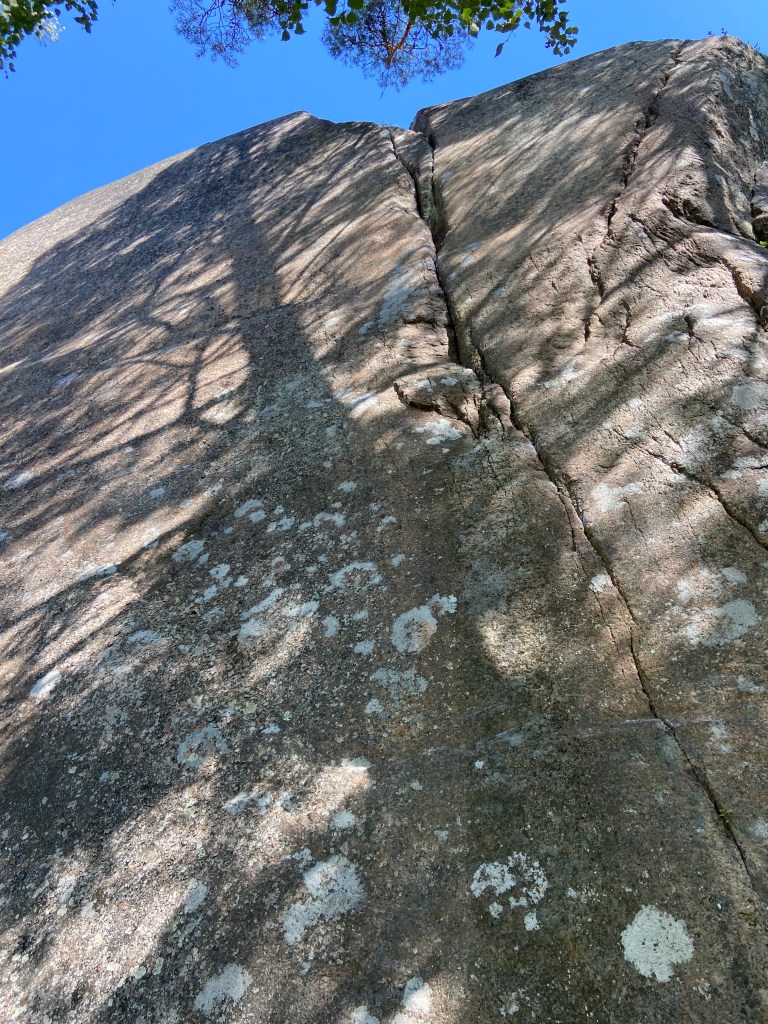
Kräkiniemi is a really great shaded crag, perfect for when the others are too hot. Height wise, the crag is maybe a bit shorter than the others, but the rock is really nice and many of the cracks are more eye catching than at the other crags. Kräkiniemi has 33 routes from 4-7c and is definitely worth a visit when you’re in Kustavi.
Pohjavuori is on a different island to all the other crags we visited in kustavi. The crag itself is shorter and not as good quality as the others. However, the main reason you visit Pohjavuori is to experience some different and quieter parts of the Archipelago sea and maybe to visit some other Kustavi cafés. It is a really interesting and unique part of Finland, and if it doesn’t rain there are 45 routes from 3+-8a+.
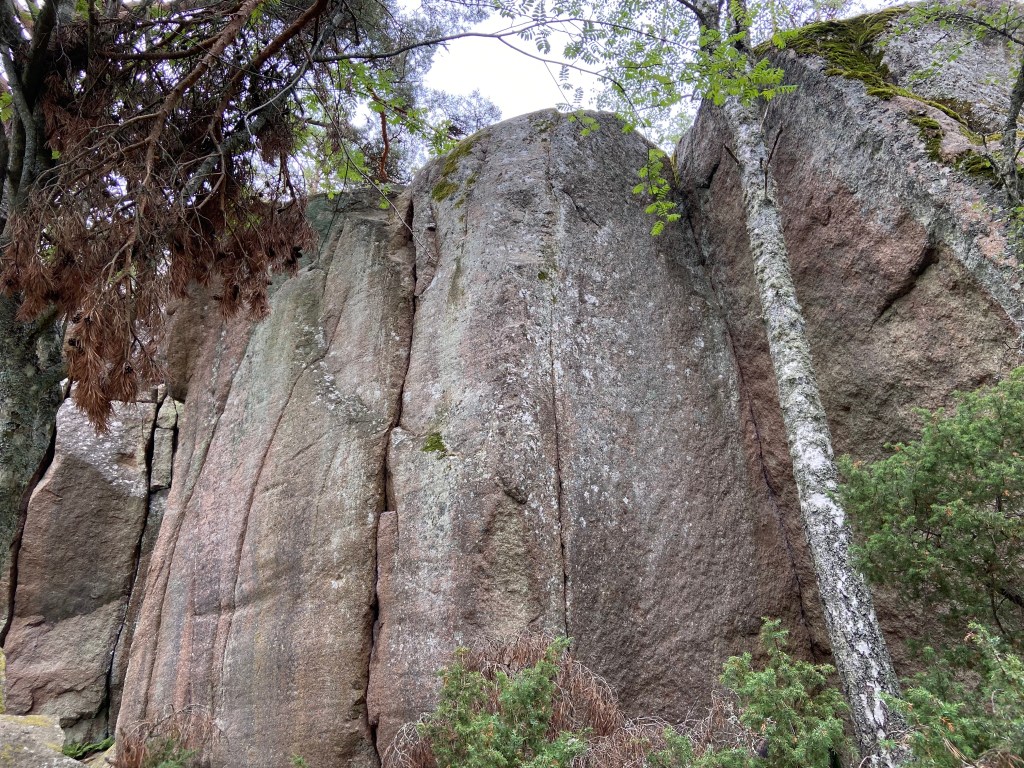
Rest Day Activities
Sauna
Sauna is a Finnish institution, a source of national pride and the favourite pastime of many Finns. We don’t like the ‘you must do this when you’re in X’ type statements, but when you are in Finland you should make every effort to enjoy several different saunas. The sauna was invented by Finns and there is probably nowhere better to enjoy sauna than Finland. The population of Finland is 5.5 million and it is estimated there are around 3 million saunas, so you won’t have to look far.
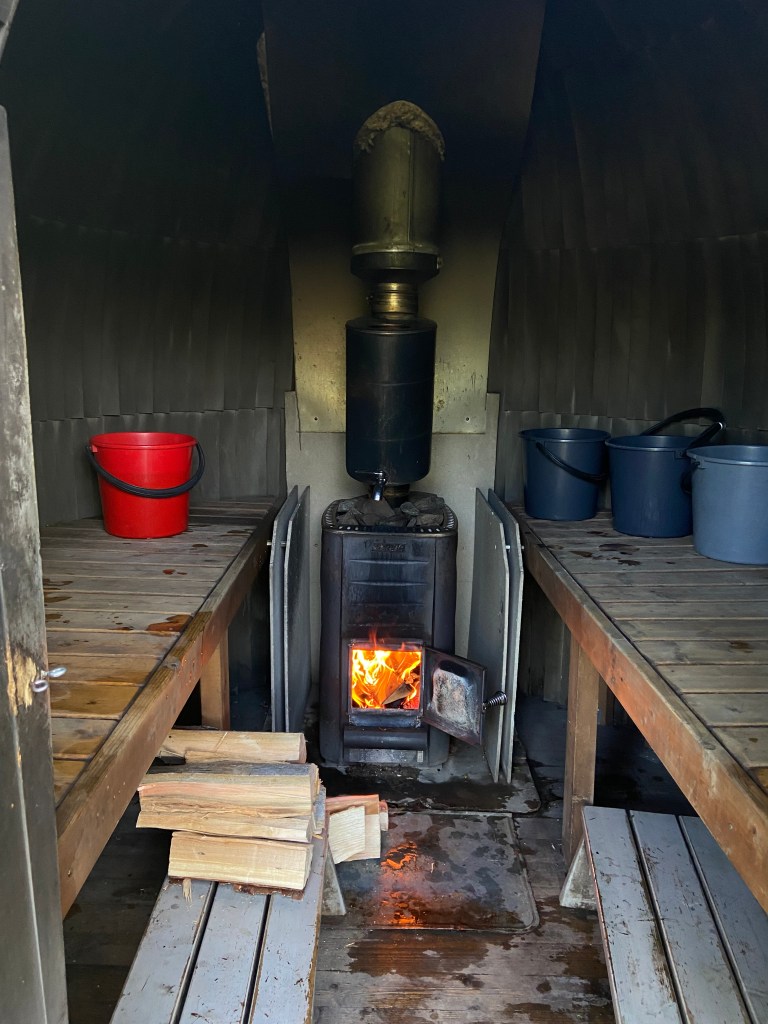
There are several different types of sauna, each with its own virtues. The smoke sauna (savusauna) is the ultimate and is also the most traditional. It is considered that a savusauna produces the best löyly (the name for the steam produced by putting water on the hot rocks). Löyly is more than just steam, it encapsulates the whole experience of sauna, without good löyly it would just be a hot, dry box. A good piece of advice is to treat a savusauna very differently to a regular sauna, they are incredibly powerful. If you add too much water at once in the early hours of a savusauna you can actually burn yourself.
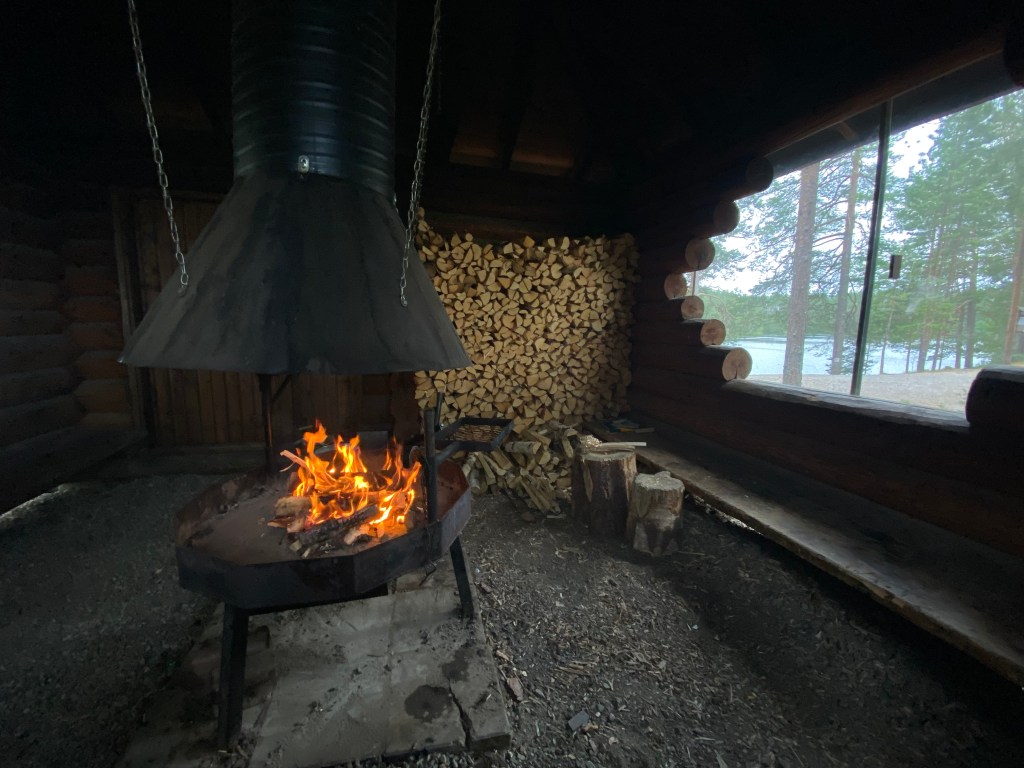
More modern saunas will use a wood stove that you must continue adding logs to as your sauna session progresses. In comparison the savusauna has one huge fire at the beginning and then uses only heat stored by the rocks. Modern saunas powered by wood stove are great and are considered to produce better löyly than electric powered saunas, which are the weakest of the pack. We visited 8 different saunas in Finland in the space of a month so we really got into them. We would highly recommend visiting a savusauna as the most memorable and traditional experience. Likewise, using the many great log stove saunas is a wonderful way to relax after climbing. Often these will be free in rural areas, make sure you are very considerate in your use of them (clean up, leave wood and kindling ready for the next people).
If you haven’t been to a sauna in Finland before, you might find the swimwear/nakedness situation worrying, but don’t be alarmed. Firstly, many public saunas require swimwear so if you are prudish you need never be naked or see naked people. Some naked saunas are separated by gender and some may be mixed. Going to a naked sauna is no big deal, the saunas themselves are quite dark, people do not ogle one another and it is completely de-stigmatised in Finnish culture. It is worth remembering the sauna is essentially a bath house that was invented for cleaning and you wouldn’t shower or otherwise wash yourself in swimwear.
Foraging
In Finland everybody, whether local or tourist, is entitled to Jokaisenoikeudet which in English means ‘everyman’s right’. This gives you the right to roam, even on private land. You may walk, cycle, swim, camp, use a boat, ski or even horse ride in more or less every part of Finland. In practice that means Finland has some of the best access to nature rights anywhere in the world.


As well as the right to roam freely, you are also allowed to harvest berries and mushrooms. Over 70% of Finland is forest, the highest of percentage of any European country. It is estimated there around 22 billion trees in Finland, with a tree density of 72,644 per square km, making it among the densest in the world. As you can imagine, that translates to a whole load of berries and mushrooms! It is your responsibility to know what you are picking and to always treat nature with the utmost respect.

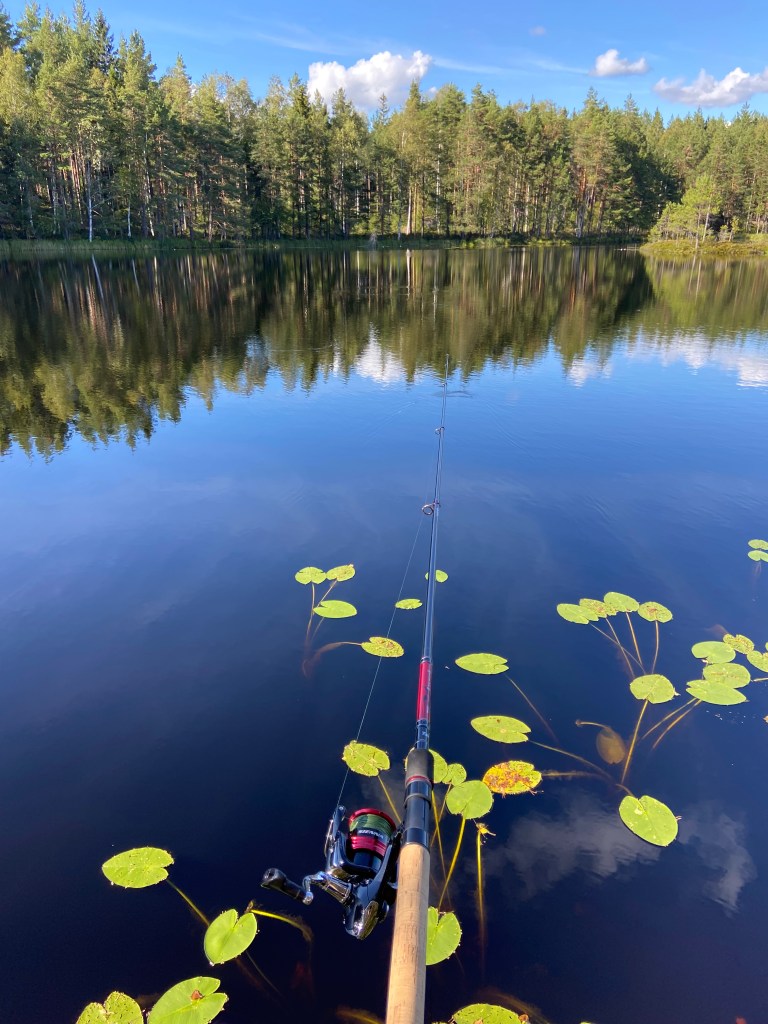
You can enjoy eating cloudberries, bilberries, bog bilberries, cranberries, lingon and much much more. Mushrooms are equally abundant, with chanterelle and porcini being tasty, prolific and easy to identify. Everyman’s right also allows to Fish with a hook and line (or ice fish) for free, however a fisheries management fee is required for using lures and local permits may apply.
Swimming
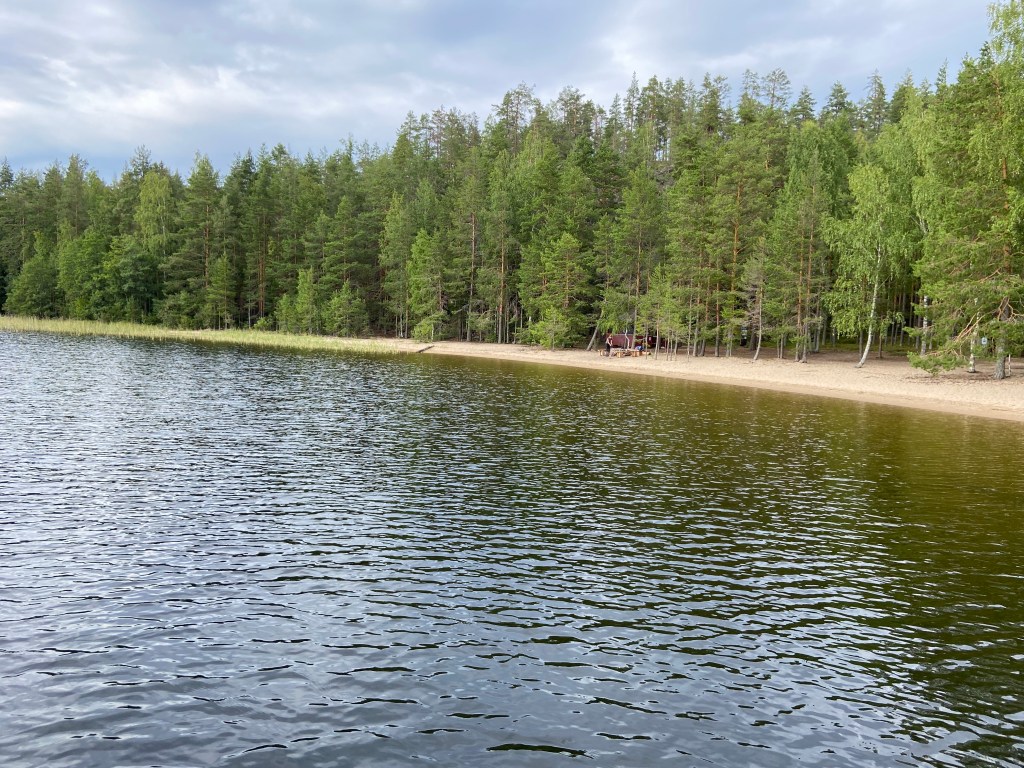
Open water swimming is a big thing in Finland, and not just after a sauna! Being free to swim for as long as you like in perfectly pure water is one of the best ways to feel completely relaxed and immersed in nature. Finland has roughly 188,000 lakes and around 10% of the country is water. To couple with that, there is 31,119 km of coastline if islands in inlets are included. It is pretty much a given that you’ll never be far from a nice swimming spot, it’s good for a bit of peaceful light exercise, bobbing along at slow speed and admiring the view.

Hiking
Finland is packed with hiking trails, from tiny paths through the forest to popular national park routes. Just like with swimming, you’ll never be far away from somewhere nice to stretch the legs. It is amazing how many cool little places you’ll stumble across if you walk a lot, homemade sauna tents, Laavus, diving boards and our personal favourite, cable ferries (pull yourself across the lake on a barge with pulleys). We walked everyday in Finland, some long and some short, it was always great to get some fresh air and take in the nature. It is worth getting into the habit of taking a few bits with you, like something to put berries in and a towel, you can often stumble across things when you least expect to.

Food
We spent our entire trip in Finland camping and in a bid to keep the budget reasonable we didn’t eat out in any restaurants. However, we did visit some great cafés as well as getting some Finnish classics from the bakery or things that you can prepare yourself.
Salmiakki deserves to be top of any list! Salmiakki is salted liquorice and was invented by Finns. This is proper, powerful stuff that really gets you going, not like salted caramel type things which are weak and cloyingly sweet, salmiakki is really salty. At first it may take some time to acquire the taste, but once you get into it, it hits a spot nothing else can reach. We absolutely love it, and had to exercise restraint for fear of a liquorice overdose (that is an actual medical thing).
Munkki are Finnish doughnuts, flavoured with cardamom, that gives them an interesting depth of flavour. Munkki are still sweet, but the cardamom adds a certain aromatic element to a tried and tested snack.
Korvapuusti are Finnish cinnamon buns, although this treat was actually invented in Sweden, they are equally popular in Finland and also taste great.
Karjalanpiirakka is effectively an open topped pie made from rye dough and stuffed with rice porridge. It sounds odd but tastes great and has a wonderful creamy but savoury nature to it.
Leipäjuusto is a delicious and filling dish, the translation of Leipäjuusto is ‘cheese bread’, which sums it up quite well. The cheese is best eaten hot, you can buy it and fry it up in a pan on a camp stove. The cheese is mild and goes lovely and melty, it tastes superb when eaten alongside cloudberry jam and is also traditionally eaten and dunked alongside black coffee.
Rieska or lepuska are types of traditional Finnish flatbread, the former being made from various grains and the latter with the addition of potato. They’re a great tasty and hearty food to take to the crag with you.
Summary
We had a brilliant time climbing in Finland, there are so many crags to go at you would really struggle to run out in a lifetime, and that isn’t including all the boulders! Quality wise, Olhava is definitely the jewel in Finlands crown, but that was never in doubt. It is definitely worth looking beyond Olhava as well, because many of the other crags are also superb. We thoroughly enjoyed our time in the north, the atmosphere and environment in the Arctic circle regions of Norway, Sweden and Finland are all simply magical. Overall, our favourite area was probably in the south east. Climbing between Punkaharju and Olhava was superb, all the crags in that area were really good and the unspoilt nature is wonderful. Being in such a quiet and remote area, surrounded by lakes and forest, with great climbing – that was all we could have asked for.
We write for pleasure and climbing is our passion. Our articles will never be paywalled. However, if you would like to help towards the costs of running the site or if you have found our content useful please consider contributing here. To read more about why your support matters, click here.
Relevant links and resources
https://27crags.com/crags/punkaharju/description
https://en.wikipedia.org/wiki/Post-glacial_rebound
https://www.eraluvat.fi/en/fishing/fisheries-management-fee.html
 The Crag Journal
Awesome!
LikeLiked by 1 person
Super cool, I am going to do a Nordic trip in two days, this is gonna be very helpful. 🙂
LikeLiked by 1 person
Thank you! We hope you have a fantastic trip, it is an awesome area to visit!
LikeLike