Angola is somewhere we had wanted to visit for a few years, ever since we first saw pictures of Pedras Negras and all the other amazing landscapes in the country. When the time came for a trip to Sub-Saharan Africa, it was right at the top of the list as somewhere that had awesome climbing, amazing variety, lots of culture and the chance to have an authentic adventure. Angola delivered all of what we had hoped for and more. The climbing was world class, the people were wonderful and you can have a genuine travel experience, without a tourist in sight. We spent four weeks in Angola and as well as being a highlight of our time in Africa, it is right up there as one of our favourite countries we’ve ever visited.
Guidebooks for Climbing in Angola
UPDATE 2026: There is now an excellent digital guidebook produced by Climb Angola, which is available to purchase here.
For our visit, there was no guidebook for the climbing in Angola. However, we used information from theCrag, which has quite good coverage of areas across the country. The exception to this is Pedras Negras, where the information on Mountain Project is better than theCrag. For updates on projects and development in the country, be sure to check out Climb Angola. It is worth getting in touch with the guys at Climb Angola before you arrive, they are the ones in the know for climbing and they will definitely have some useful details to help you make the most of your trip.

Weather and Climbing Season in Angola
Angola is a big country with an incredibly varied climate, with everything from tropical rainforest in the north to hot arid desert in the south. The summer, which brings the hottest and wettest weather, runs from October to April/May, while the drier and cooler winter runs from June to September. The seasons can of course vary vastly depending on which part of the country you’re in. However, June, July and August are the best 3 months regardless of which part of Angola you want to visit. We were in Angola for almost all of July and had great conditions, dry and not too hot, although it’s still preferable to climb in the shade.
Below is a map of the different crags we climbed at in Angola so you can see where they are in relation to each other. We have described the areas from North to South for simplicity.
Climbing Recommendations
Pedras Negras
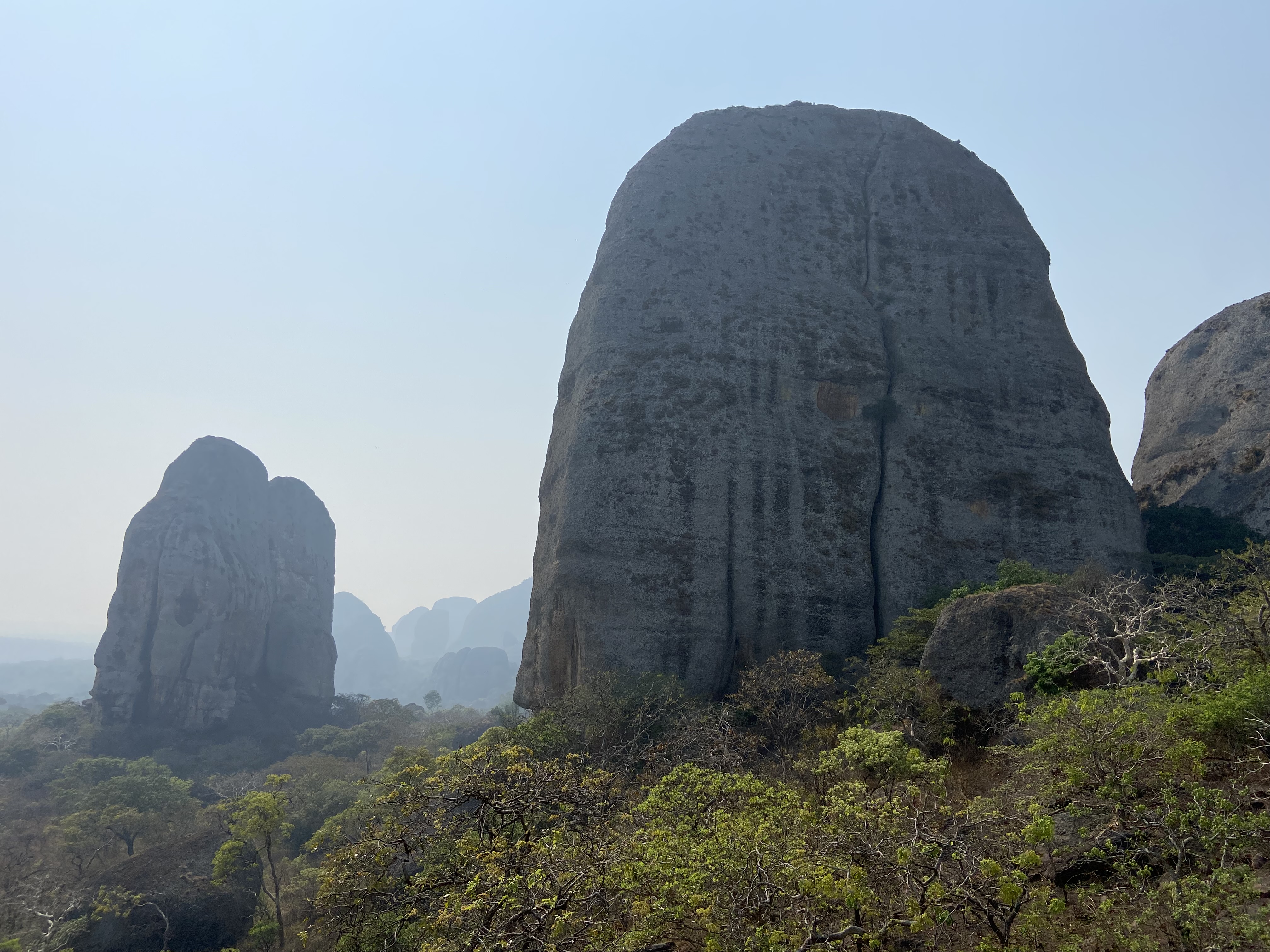
Pedras Negras is the big daddy of Angolan climbing. It might not have the largest number of routes or the hardest grades, but its incredibly unique and beautiful summits are something that will appeal to every climber. The rock at Pedras Negras is conglomerate, which is very good quality. The climbing style is ‘potato pulling’ and the abundance of hand and foot holds mean you sometimes can’t see the wood for the trees! What makes Pedras Negras unique is the shapes the rock has formed. There are towers, summits and ridge lines as far as the eye can see – literally hundreds of them. The vast majority of these towers have never even been climbed!
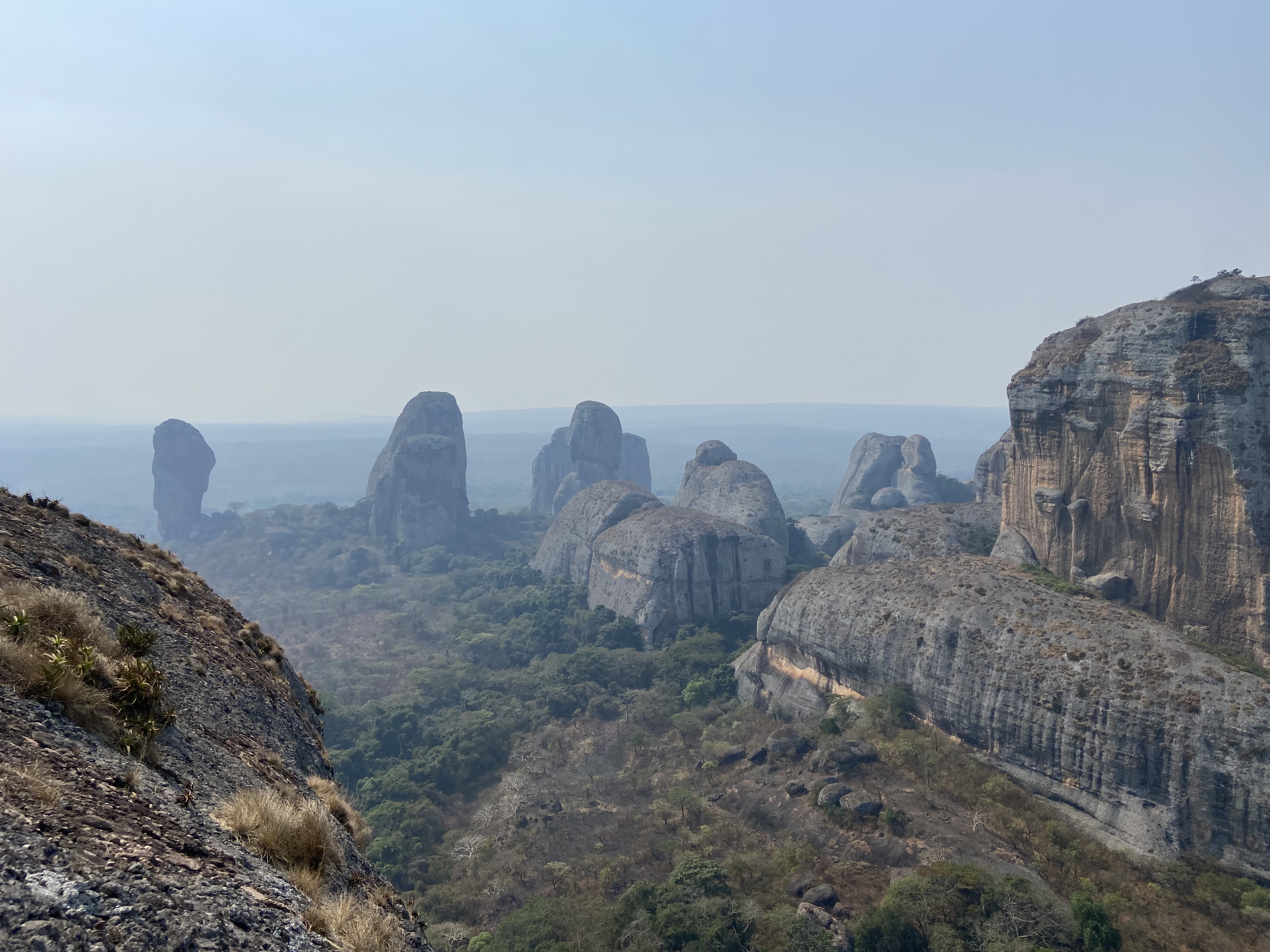
Pedras Negras is very much an adventure climbing destination, you will likely be the first climbers there for a year or even longer depending on which routes you do. It is obligatory to bring a machete and go prepared for cutting your own trail as any previous trails will have disappeared. This appears to put people off from visiting, but it is actually very manageable. Make sure to go well into the dry season, doing so will automatically make things easier. If you get lucky there may have been some burning which also helps a lot. Most importantly, make it happen! There aren’t many places in the world like this, if you’re a climber and you’re in Angola it simply can’t be missed.
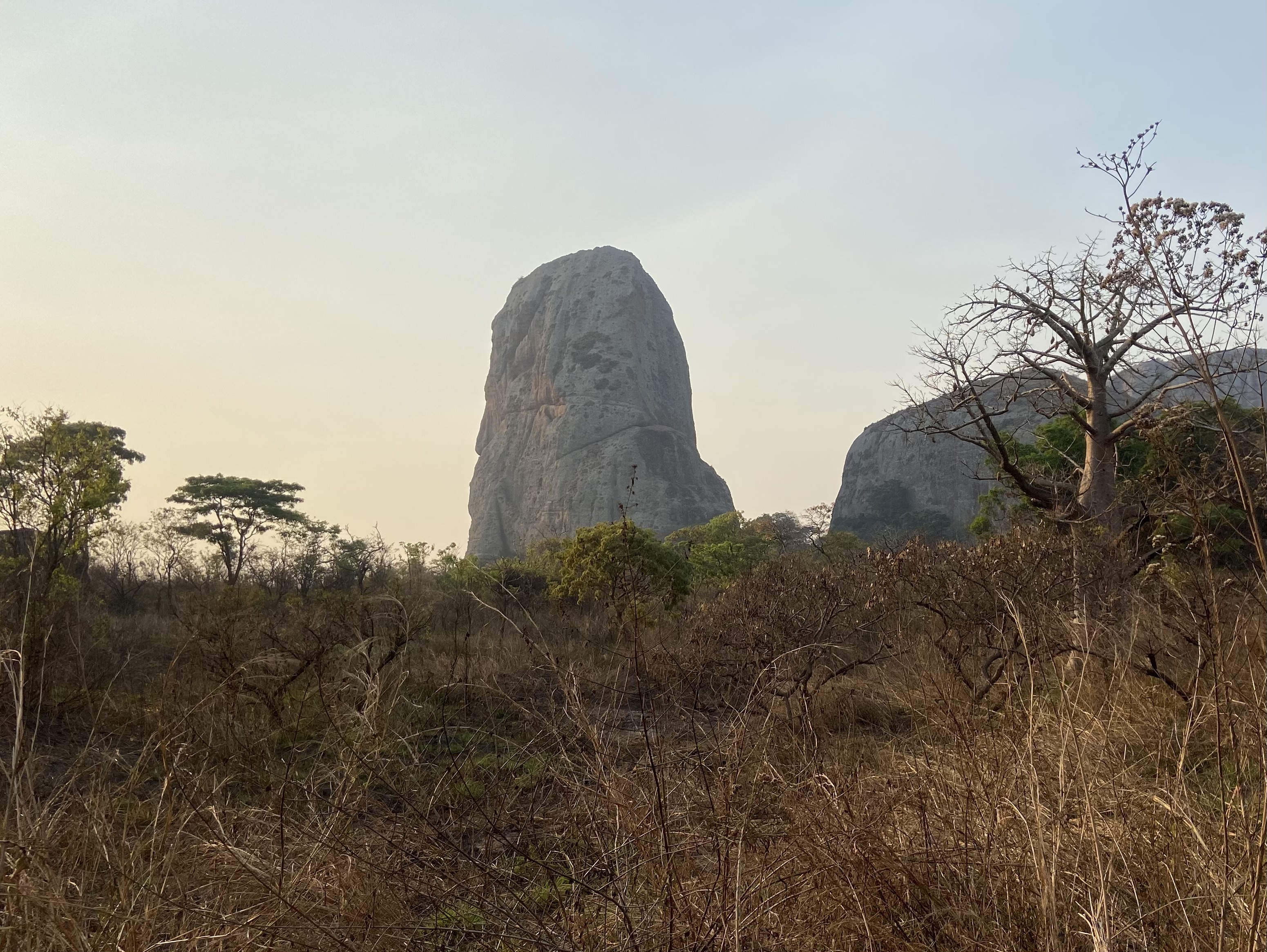
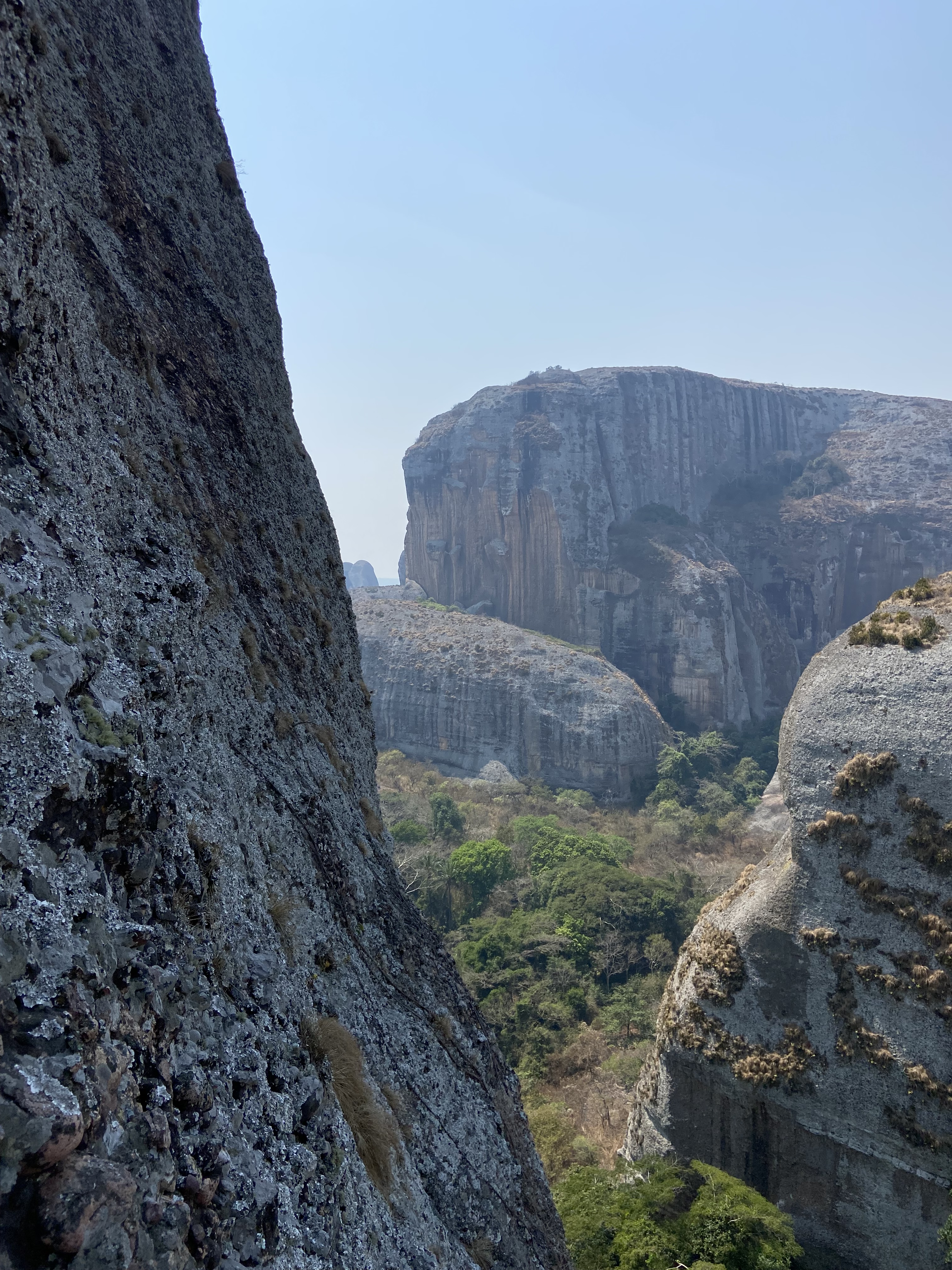
The vast majority of routes in Pedras Negras are multi pitch and take you to the summit of towers that are usually around 100-150 meters high. Most of the climbs are technically quite easy, but they feel quite involved on the sharp end. For example, the first pitch of Stegosaurus has 4 bolts in 65 meters, so don’t fall off! Not all routes are this run out, but the overall feeling of climbing in this style in rural Angola is still quite adventurous. This all plays a part in the emotions you experience when reaching a summit, they are some of the most magical and euphoric places to be. Some of the summits are really small, you truly feel like you’re on an island in the sky. There won’t be anyone else around, in fact on some routes you might be the first people up there for the best part of a decade.

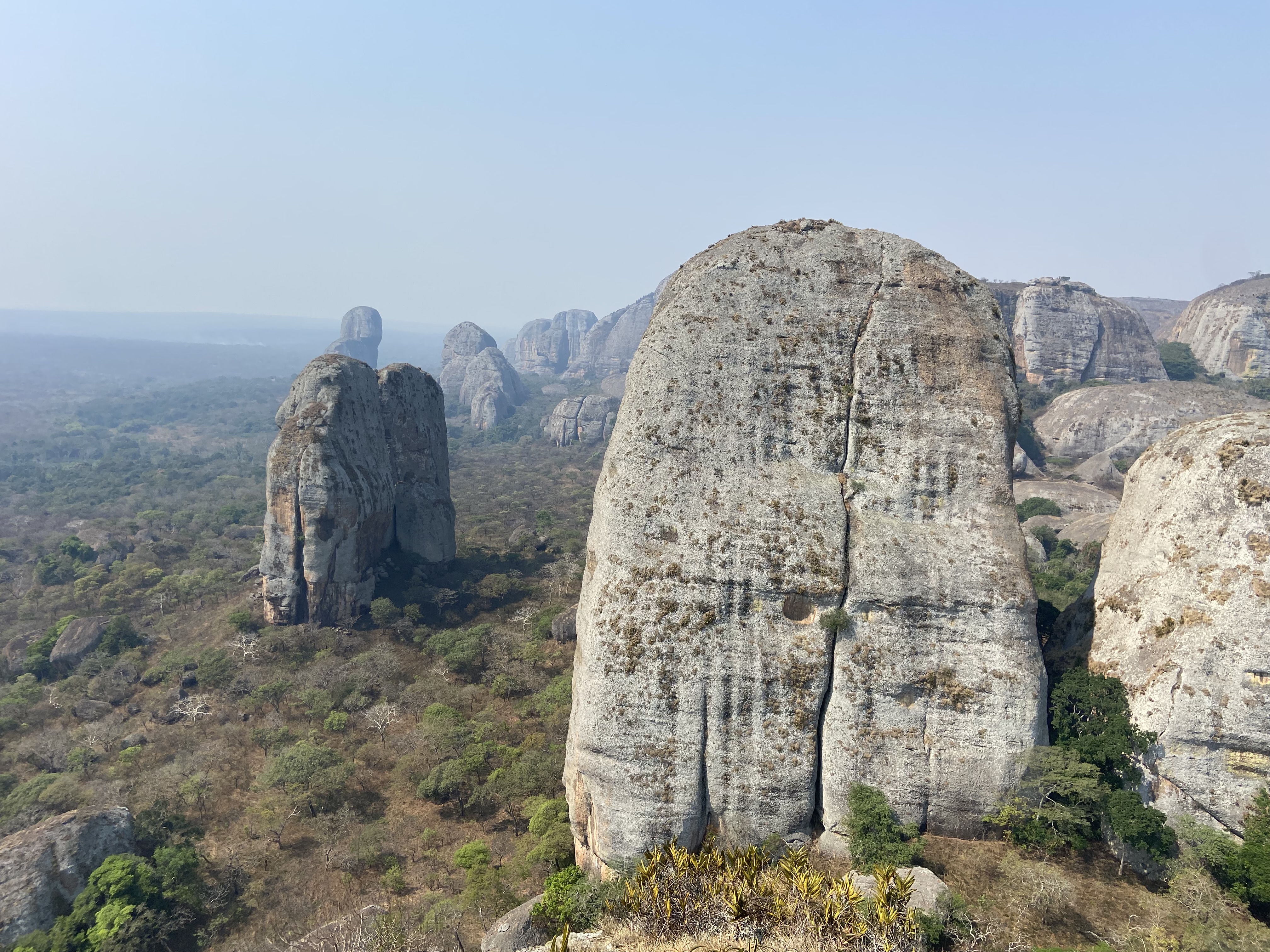

Amazingly, there is a small village inside all these giant rock towers, Pungo Andongo. The village is very quiet today but it has a long and fascinating history. The village was once the capital of the Kingdom of Ndongo before it was captured and destroyed by Portuguese colonists in 1671. Modern day Pungo Andongo is a very sleepy & peaceful affair, in typical Angolan fashion the locals are incredibly warm and welcoming. The first thing we did when we arrived in the village was to speak to the Soba (village chief), he was genuinely happy to see climbers and allowed us to camp inside the old school which is the perfect tent spot – flat, shaded and out of the wind. It was a great place to stay and made the days climbing more enjoyable, knowing you had a friendly place to call home after a long day out.
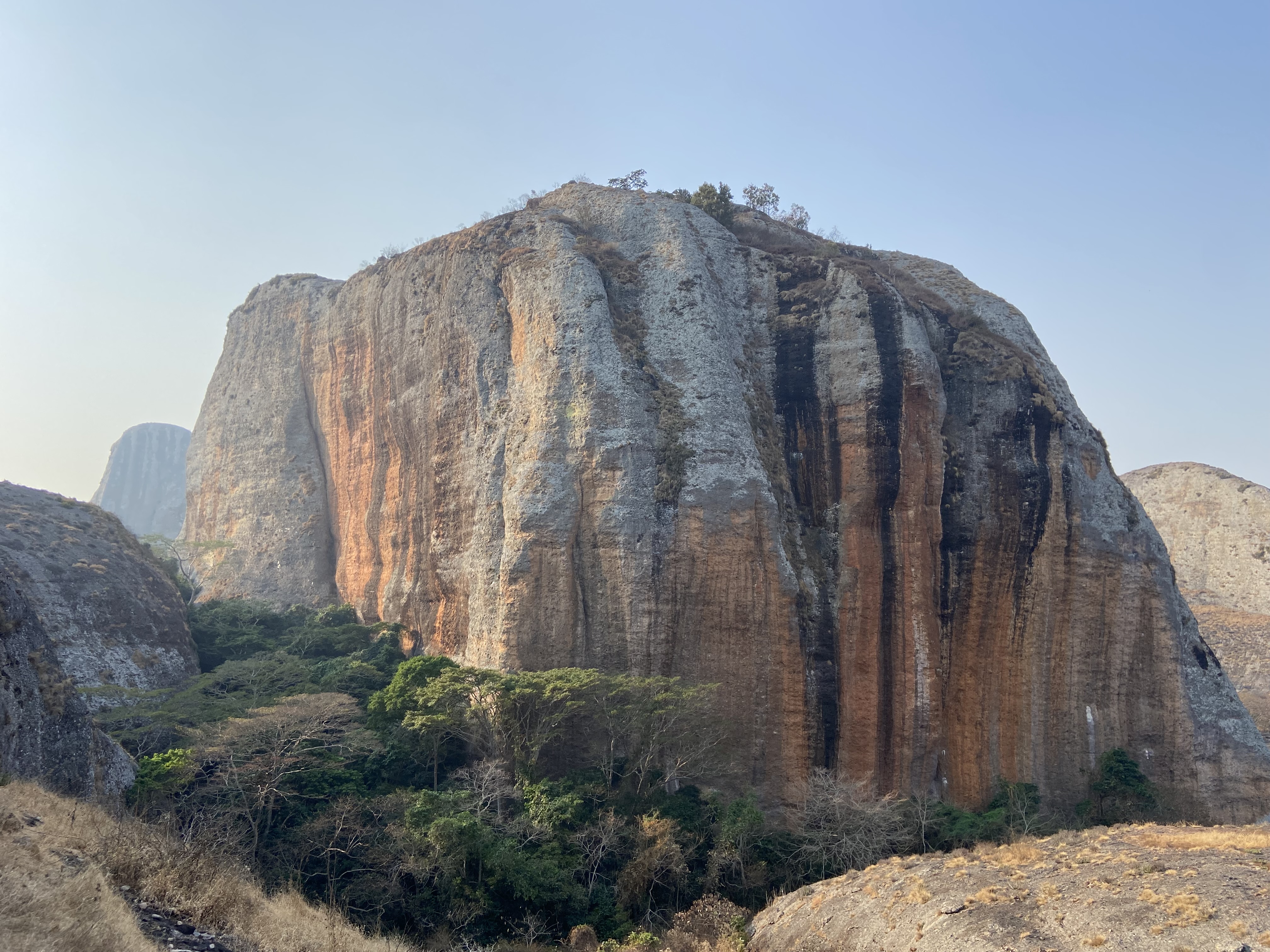
We basically don’t have a bad thing to say about Pedras Negras. It may be one of the most awkward or time consuming places to climb in Angola and you may climb less pitches than elsewhere, but it will definitely be one of the best places you climb on your trip. If it was in Europe or North America it would be full of climbers, but in Angola you’ll have the place to yourself. If you’re keen and prepared, then a world of epic first ascents are just lying in wait for you. It is definitely one of the most memorable and inspiring places we’ve ever climbed.

We write for pleasure and climbing is our passion. Our articles will never be paywalled. However, if you would like to help towards the costs of running the site or if you have found our content useful, please consider contributing here. To read more about why your support matters, click here.
Conda
Conda is a stunningly beautiful area covered in huge granite domes. The climbing itself isn’t in Conda, but in the village of Cumbira, 10 minutes away. The rock is very interesting, with lots of ‘popcorn’ shaped pebbles for your hand and footholds. The pebbles can occasionally pop and there are a few loose flakes, but this is mostly because the routes are very new and haven’t been climbed on much before, they should settle nicely with time. The style is mostly slab climbing and the difficulty is primarily dictated by the angle of the rock, you definitely rely more on your footwork and technique than on strength.
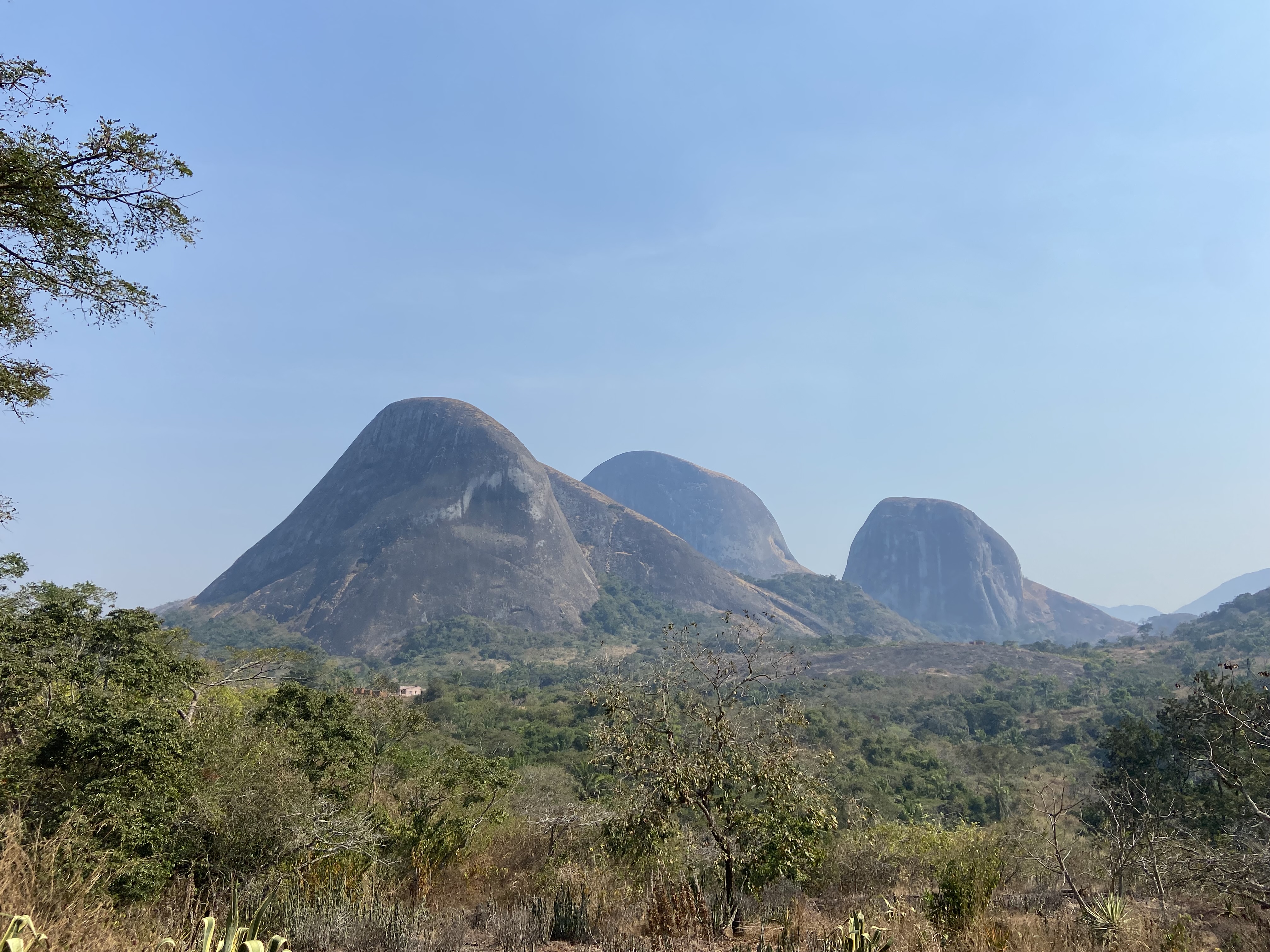
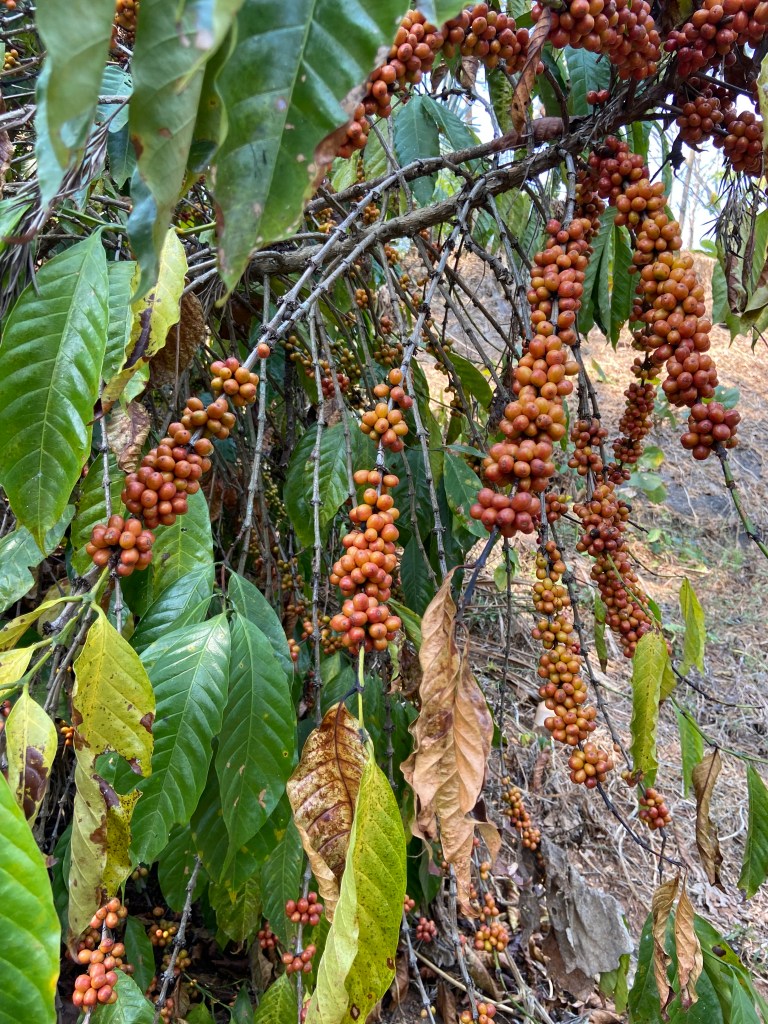
The environment around Conda is amazing, the elevation is over one thousand meters giving excellent conditions for growing. You will see everything from coffee & cacao to pineapples & papaya in the local area. The best place to stay is the Fazenda Rio Uiri, which is itself a coffee farm. They have great rooms, or you can camp, and the food is fantastic – some of the most delicious meals you’ll have in Angola. All of the climbing is within walking distance from the Fazenda, although having a car is still very useful.
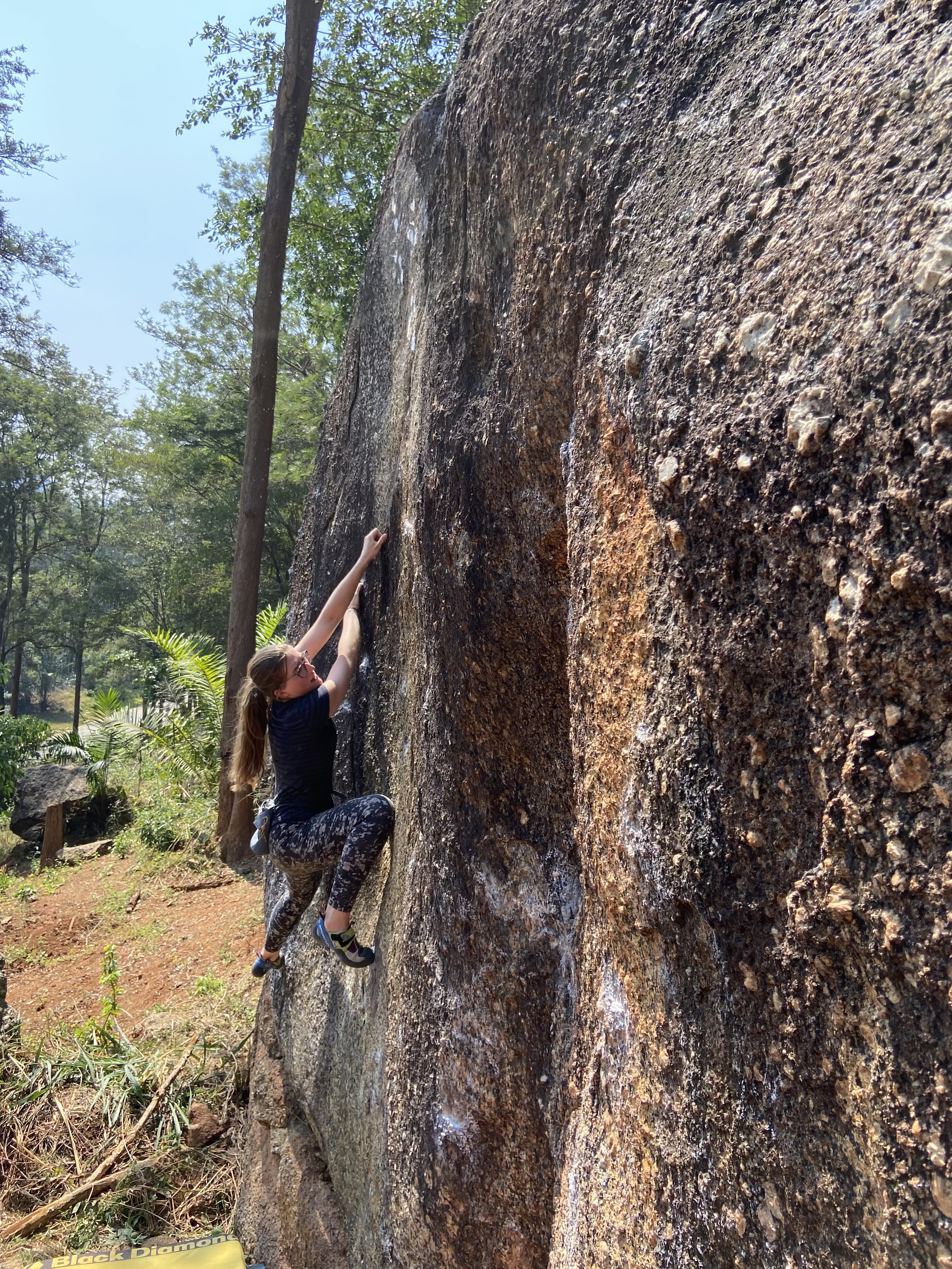
For a long time there were only a handful of routes in Conda, however, the Climbing for a Reason project has recently started bolting lots of new routes in an attempt to help bring climbers and development in to the local area. There are now a plethora of single pitch routes, several multi pitches and loads of boulder problems, so there is something for everyone to climb in Conda. There is still tonnes more potential for the future, both in and around Cumbira as well as in the surrounding hills. There are several huge faces and summits that have never been climbed.

Conda is perhaps the most chilled out and relaxing place to climb in Angola. The locals are extremely friendly and welcoming, the crags are easy to access and you have great accommodation in the heart of it all. It has a wonderful atmosphere and its relatively easy access from Luanda (∼6 hours) make it a great option for your first climbing stop in Angola. The different areas across the country are all so varied and they each have their own qualities. Conda definitely deserves a place on the list, but make sure you leave plenty of time for all the other areas as well!

Sumbe
Sumbe is currently one of the smallest climbing areas in Angola, but it has a lot of potential for the future. Sumbe itself is a small city on the coast and there are 2 different climbing areas, both within 10km of the city centre. The first area we visited was Rio Quicombo, a stunningly beautiful river canyon that is so green you feel as if you are in the Amazon! the Banks of the river have some huge baobabs and the spaces in between have been used to cultivate mangos, bananas and palms. Both sides of the river have crags, but the north side has the cleanest and most impressive walls as well as the only route here at the moment, a 6c+ sport route.
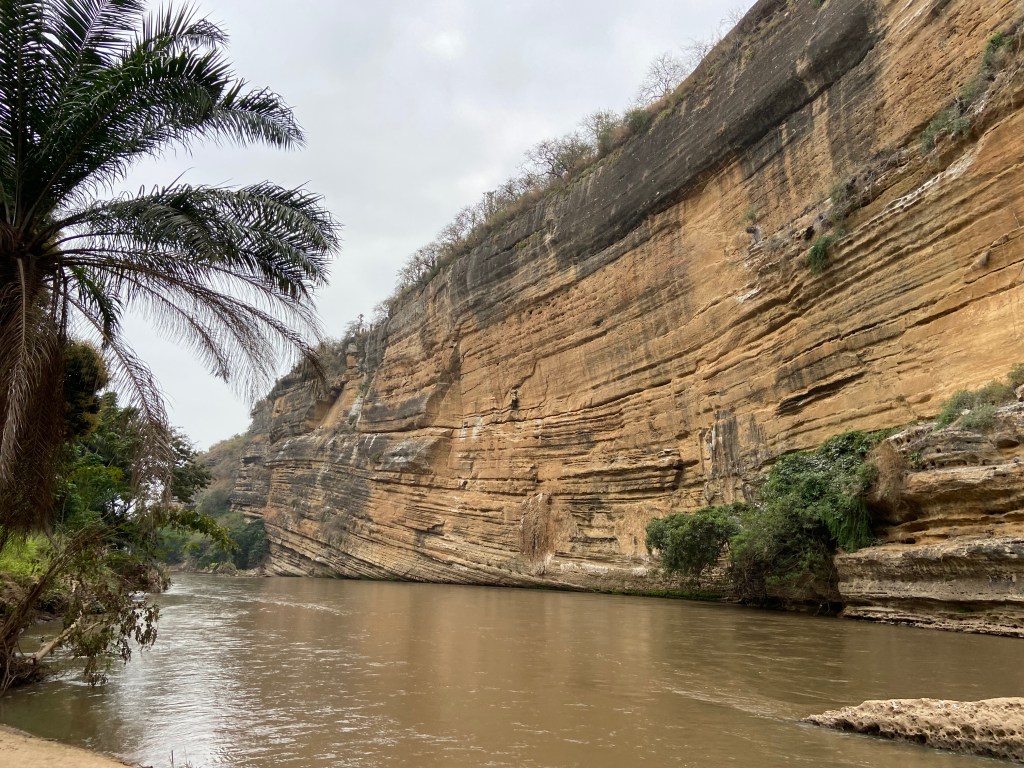
The rock in Rio Quicombo doesn’t look that good, but it is better than it looks. It is sandstone but with a element of calcium to it, this makes a lot of sense as the mountains above are full of limestone caves. Don’t get us wrong, it ain’t Rocklands! However, the rock is more than good enough to warrant further development. The one route currently is a bit tricky to access depending on the height of the river, but it was still possible with a bushwhack up the hill briefly, followed by a descent of some flaky ledges. Rio Quicombo won’t be Angola’s premier climbing area, but it is still a really beautiful place that deserves more attention.

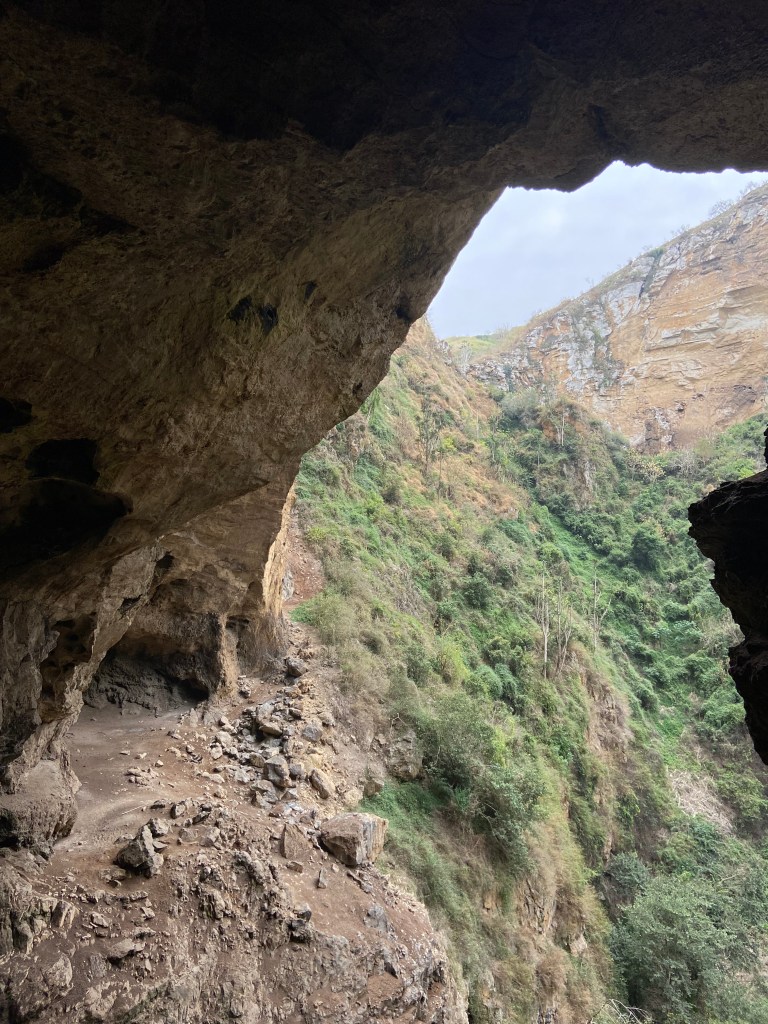
The second area we visited near Sumbe was the Grutas da Sassa, a humongous limestone cave that is currently home to 2 routes. The caves are hidden away in an amazing valley, which despite being less than 10km from Sumbe, feels like something from jurassic park! There are actually several caves and tunnels through the mountains and initially we walked to the wrong one. We’re actually glad we did as it is equally stunning and also holds a lot of potential. The scale of the caves is vast, it really reminded us of Laos, one of the only other places we’ve been with caves of this size. The ‘wrong’ cave has a window into another valley with huge orange walls and a powerful river flowing through the bottom, whilst these walls look far less appealing than the cave, they are a indicator of how much rock is hiding in the mountains of rural Angola.
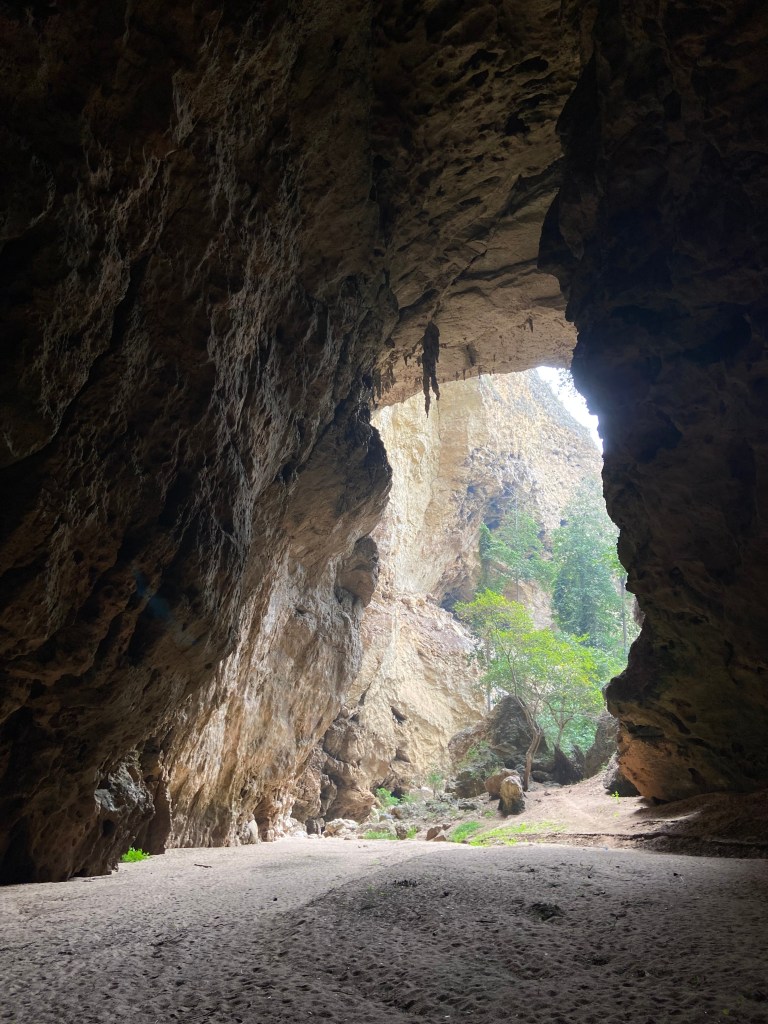
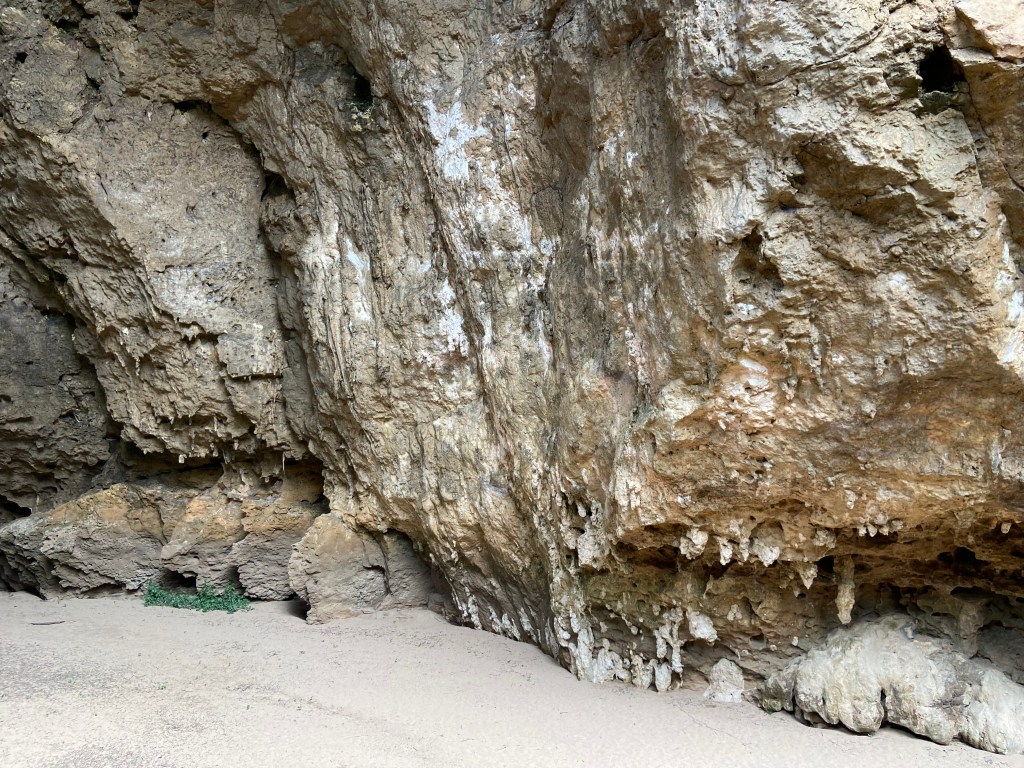
The rock is medium quality limestone with plenty of tufas and featured overhanging grey rock. The rock itself seems mostly solid and the only real issue is that it is very dusty, although what can be expected from a cave that has barely been climbed in? With more routes, some cleaning and some traffic it could be a totally awesome area. It is just another string in the bow of Angolan climbing, a different type of rock, permanently shaded and also rainproof. The Grutas da Sassa is very impressive and is probably the better of the two areas in Sumbe, particularly with the potential for future development. There is so much rock that even if only the best lines on the best rock were bolted, there would still be loads to do – definitely an area to watch in the future!
If you find our content useful please consider subscribing:
Serra da Leba
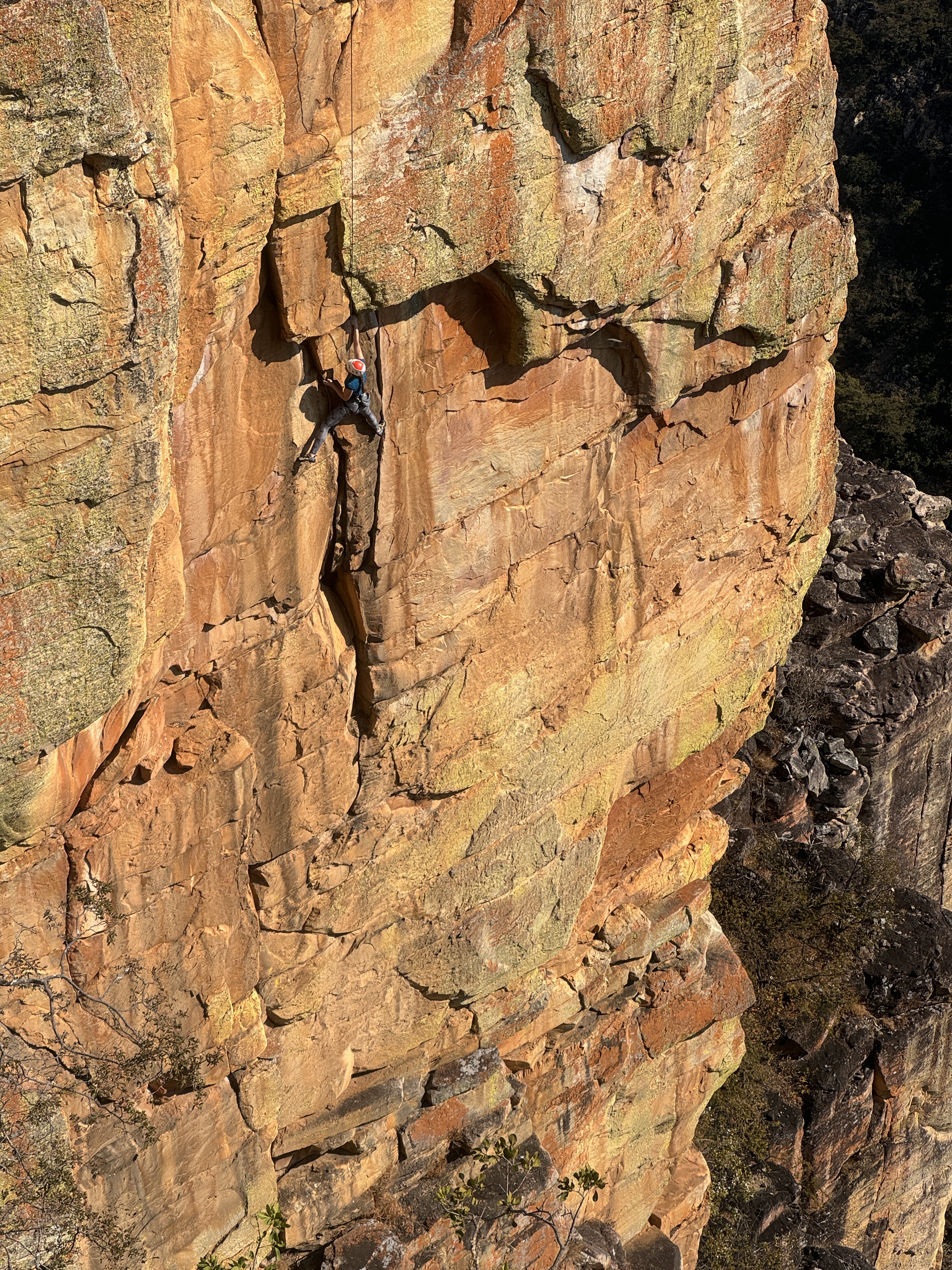
Serra da Leba is a strong contender for the best climbing area in Angola, somewhere that truly has world class potential. The rock is quartzite sandstone of the most phenomenal quality, well featured but equally bullet hard. The variety of holds climb like sandstone, but the rock is so compact it is geologically more like quartzite. It has good friction yet it isn’t grainy or sandy at all. The rock lends itself to comparison with Waterval Boven in South Africa, Serra da Leba is easily just as good as that – and that is arguably Africa’s best sport climbing area! Needless to say the place is awesome and a must visit in Angola.
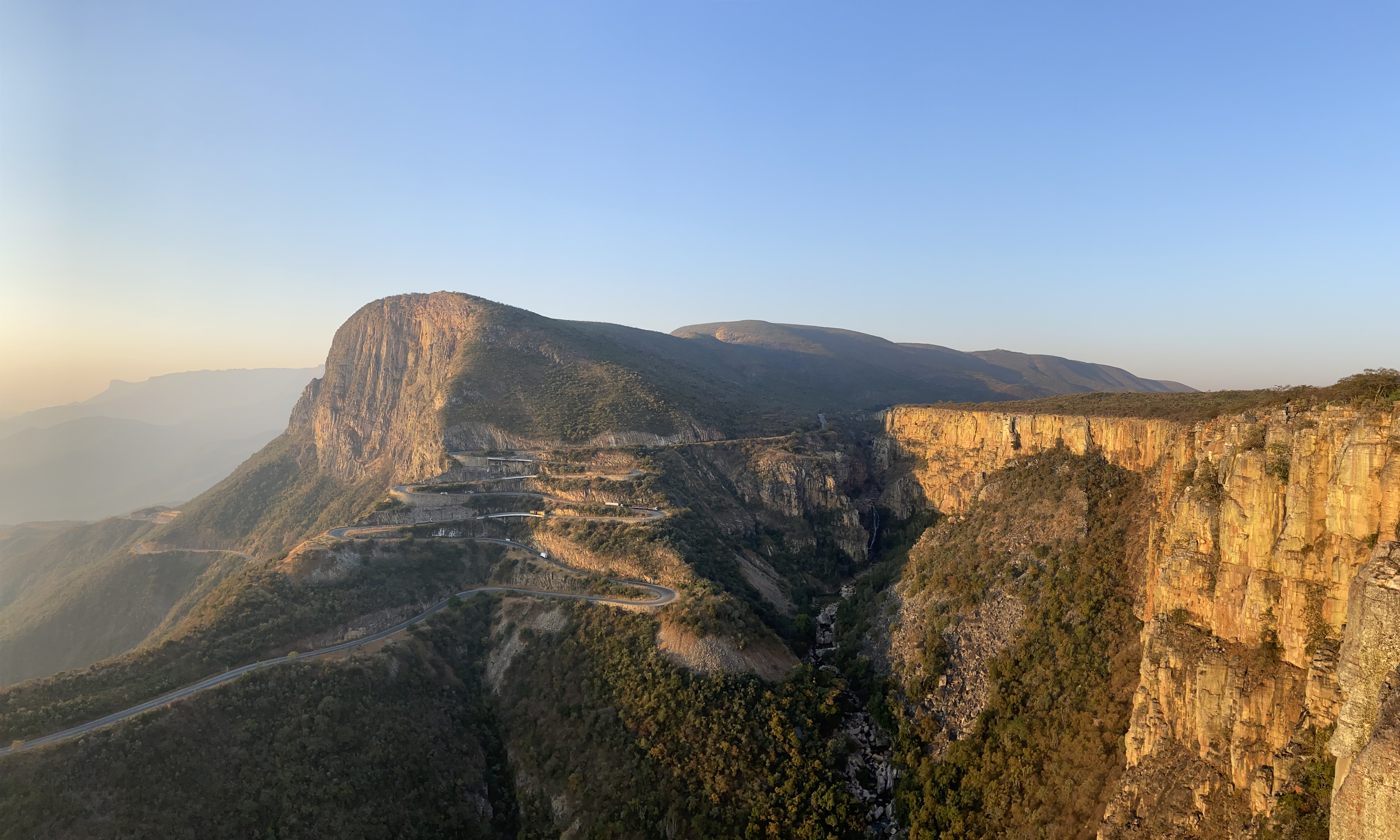
Serra da Leba is a famous landmark in Angola, owing to the beautiful serpentine mountain pass that snakes its way onto the plateau towards Lubango. On the way up the pass you are gifted panoramic views of the amazing cliff line, along with several huge waterfalls cascading their way down the mountainside. Serra da Leba actually appears on the two thousand Kwanza bank note, yet despite its fame you won’t find any tourists here. The area is completely unspoilt, has the potential for thousands of new routes and yet the access is incredibly easy – you can walk to the top in five minutes and be ready to bolt a new line.
The crags are extensive, with endless long single pitch length routes as well as huge walls of several hundred meters. The climbing style is varied, there are excellent crack climbs and laybacks, immaculate crimpy faces, steep walls and even some athletic roofs. The rock quality is consistently excellent regardless of the style or area. The area is so vast that it is hard to get a sense of scale at first. Looking from a distance, it is easy to dismiss some crags as being too small, only to realise they are 35 meters tall when you get close! Serra da Leba is without a doubt the rising star of African sport climbing.

There is a restaurant at the viewpoint that is set on top of the cliff, the owner is very friendly and will allow you to camp in the grounds behind the restaurant and you can get a hearty meal there after climbing too. From the restaurant, all the crags are within walking distance, this makes everything super easy – all you need to do is eat, sleep, climb and repeat! We absolutely loved our time in Serra da Leba, we cant wait to see where the place goes in the future and we would visit again in a heartbeat.

Rest Day Activities
Angola is a huge country, there are absolutely loads of things to see and do. However, the long distances and slow roads can mean you have to make some compromises when it comes to balancing your time climbing with anything else you might want to do. For example, we had liked the idea of visiting the Iona national park or the Bicuar national park – but doing so would mean we would’ve lost a lot of climbing days. When factoring in that it is a climbing trip, and the climbing is world class, then that always takes priority for us. Don’t go thinking there isn’t much to do, because there definitely is, but a typical African safari or similar will be much slower and more time consuming in Angola than in places like South Africa or Namibia.
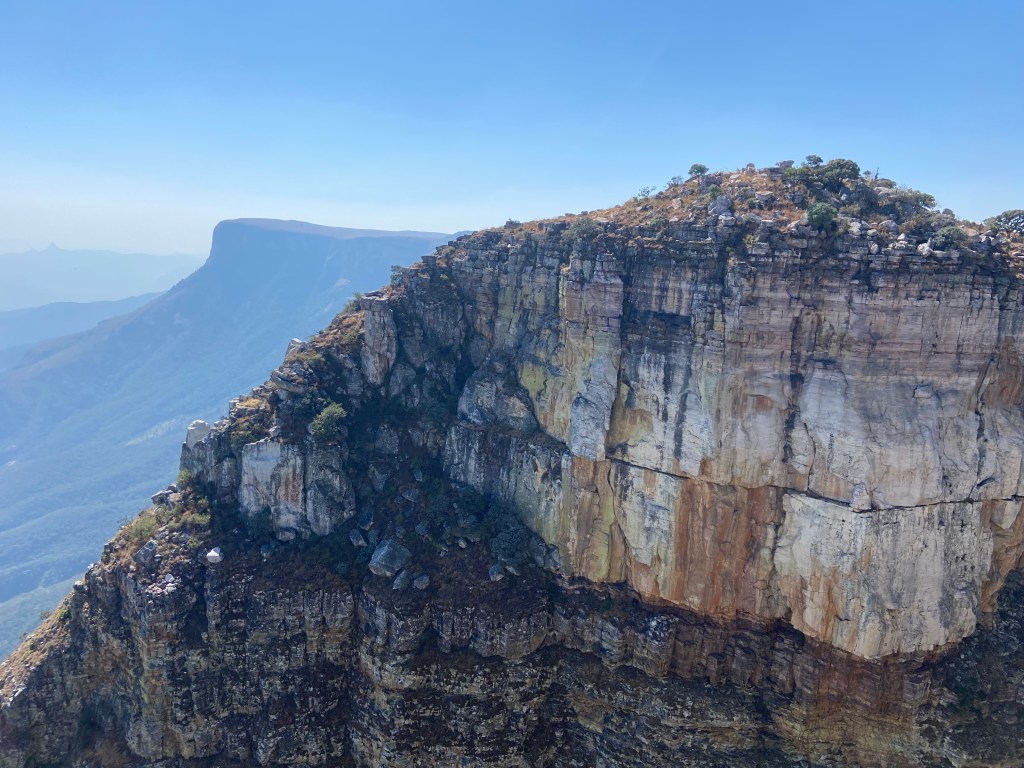
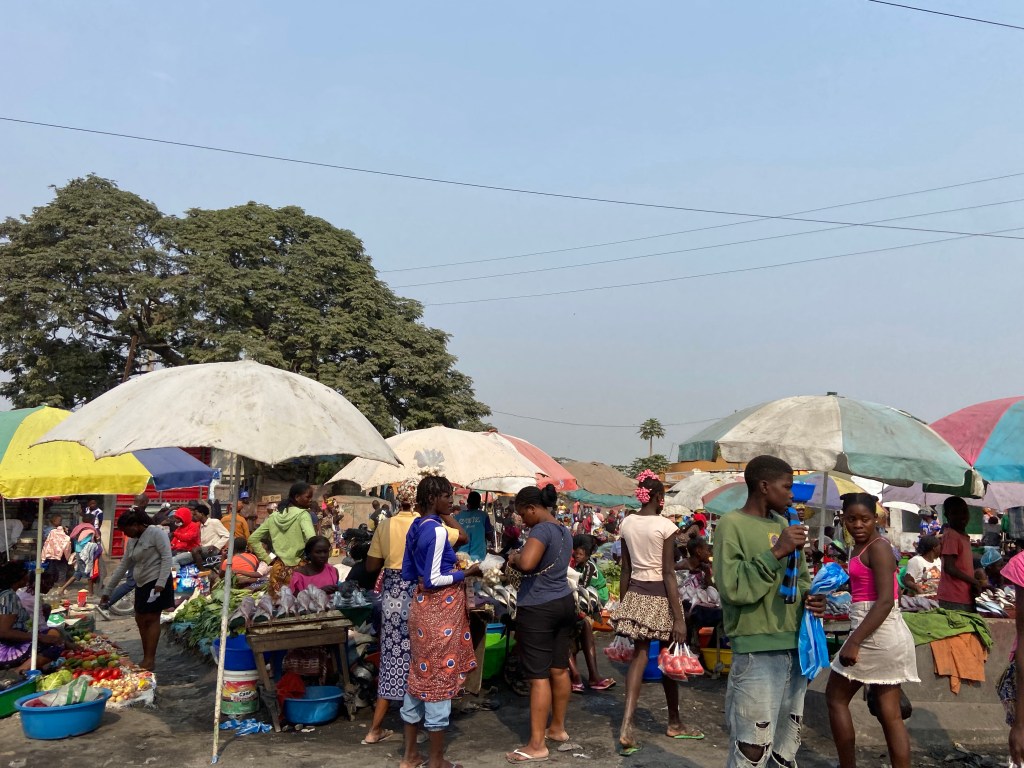
For smaller rest day activities there are still plenty of things to do. For example, you could visit Tundavala, an easy day trip from Serra da Leba that has amazing views from the plateau at over 2200 meters as well as some climbing potential! In Conda or Pedras Negras you can go walking on lots of small trails used by local farmers, many of them take you surprisingly far into the bush and have some incredible scenery. Angolan people are incredibly friendly and are more than happy to share their space with you. When you’re passing through towns or cities it is well worth visiting the markets, you can buy pretty much anything you could ever need, from a machete or a gas stove to fresh bread and avocados. Markets are a real hive of activity and are a great place to grab a snack, like Micate/Bolinhos de Chuva (cinnamon doughnuts).
Food
Muamba de Galinha is the national dish of Angola, a tasty chicken stew that is made with red palm oil. The use of red palm oil is common in central Africa, the Republic of the Congo and the Democratic Republic of the Congo also use this ingredient frequently, including to make a similar chicken stew. Muamba de Galinha incorporates okra and butternut squash into the stew and is typically served alongside funge.
Caldeirada de Cabrito is a traditional goat meat stew, a wonderful hearty meal with excellent flavour. The goat meat is cooked until it’s perfectly tender and the stew can be with potatoes and carrots or served with rice – either way it is a really great meal.
Feijoada is a delicious black bean stew, it is very famous in Brazil but is popular all over the Portuguese speaking world. Feijoada has a rich aromatic and smoky flavour, they are some of the tastiest beans you’ll ever eat.
Funge is a staple in Angola, and variations of the dish are incredibly widespread throughout Africa. Funge is like a thickened porridge that is traditionally made with cassava in Angola, although it can also be made with maize. You may click with the cassava or you may not, but it is definitely worth trying it as it is a very important part of local food culture.
Pudim or pudding, is a dessert popular in many Portuguese speaking countries. Pudim is a delicious, creamy flan with an irresistible caramel sauce. It is really popular in Angola and is the perfect way to end your meal.
Mousse de Maracujá is an other popular dish in Angola with Brazilian origins. Mousse de Maracujá is simply a passion fruit mousse – creamy, fresh and zesty it is a real crowd pleaser and something we simply couldn’t get enough of.
Summary
We absolutely loved Angola in every way, it stands out as one of the most underrated places we have visited. Angola has top draw sport climbing in Serra da Leba and phenomenal multi pitch towers in Pedras Negras – both incredibly contrasting styles, yet you’ll probably be the only ones around in either of them. Add to that the enormous potential for high quality first ascents & the amazing memories you’ll have from travelling around the country and what you have is very special. There simply aren’t many places on Earth that have the quality, the quantity, the variety and the unspoilt, non touristy character that Angola does. We had a fantastic time in Angola, our 4 weeks there flew by all too quickly, we hope to return one day, it absolutely deserves another visit.
We write for pleasure and climbing is our passion. Our articles will never be paywalled. However, if you would like to help towards the costs of running the site or if you have found our content useful please consider contributing here. To read more about why your support matters, click here.
Relevant links and resources
https://store.climbangola.com/l/climb-angola-guidebook
 The Crag Journal
Wow, guys!
What an incredible and comprehensive post about climbing in Angola! You’re truly building an amazing collection of climbing adventures from around the globe.
Huge congratulations—this is outstanding!
LikeLiked by 1 person
Thank you for the kind words, it means a lot! We’re really glad you liked the post, hopefully it has done Angola justice – it’s an awesome place!
LikeLiked by 1 person