Colombia is a big country with a vast amount of variety, with everything from mountains over 5,000 meters to Amazon jungle and Caribbean coast. The climbing opportunities are just as varied and there are many excellent crags throughout Colombia to tempt you, with beautiful sandstone, amazing limestone tufas and high quality granite all in abundance. With that in mind, Colombia seemed like the perfect place to start our journey through South America, which after arriving in Bogotá, would mean travelling entirely overland, primarily by bus. Needless to say, Colombia delivered exactly what we had hoped for and we thoroughly enjoyed our time there, both for the country and the climbing.
Guidebooks for Climbing in Colombia
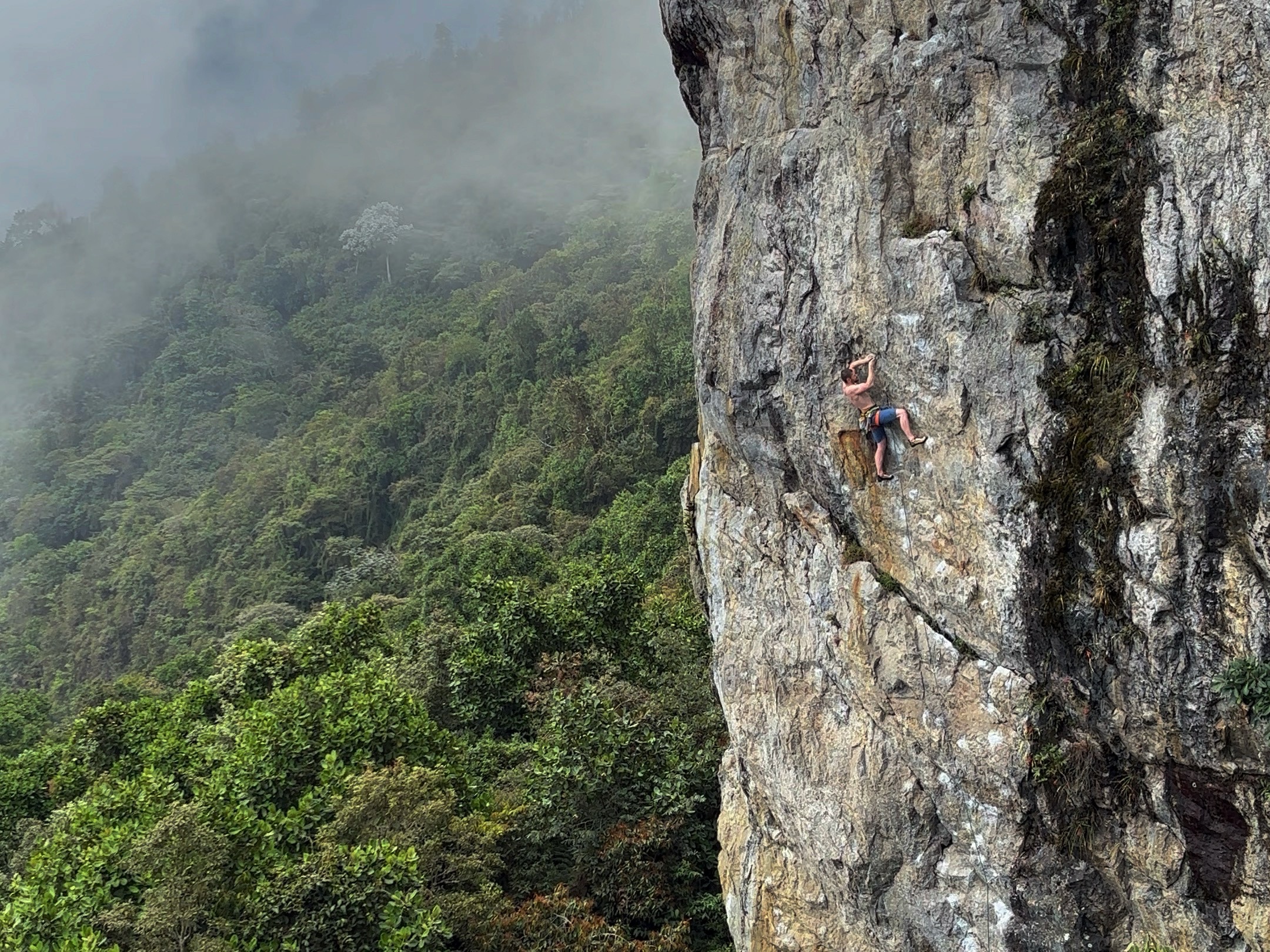
Colombia is very well serviced with guidebooks and online topos, the only thing it lacks is a select guidebook for the country as a whole. For many areas like La Mojarra or La Peña, you will be sent a PDF guidebook when you arrive, which will contain everything you need. Other areas like Machetá and Suesca have print guidebooks that can be bought in the local area. For anything not covered by that, theCrag and Mountain Project will have everything you need, theCrag in particular has loads of great topos for many crags across Colombia.
Weather and Climbing Season in Colombia
Colombia has two main seasons, the dry season which is from December to March and the wet season which is from April to November. Within this June to August is drier than the rest of the wet season, but isn’t well suited to the mountainous areas of Colombia. We visited in February and March and while we had mostly good weather, we did get several periods of rain. Thankfully the rock tends to dry quickly so we didn’t miss out on climbing, but it is definitely worth packing with some wet weather in mind in these months. The weather can vary significantly between the different climbing areas, but in general most areas will be good to climb in between December and March.
Below is a map of the different crags we climbed at in Colombia so you can see where they are in relation to each other. We have described the crags below in the order we visited them.
Climbing Recommendations
La Mojarra
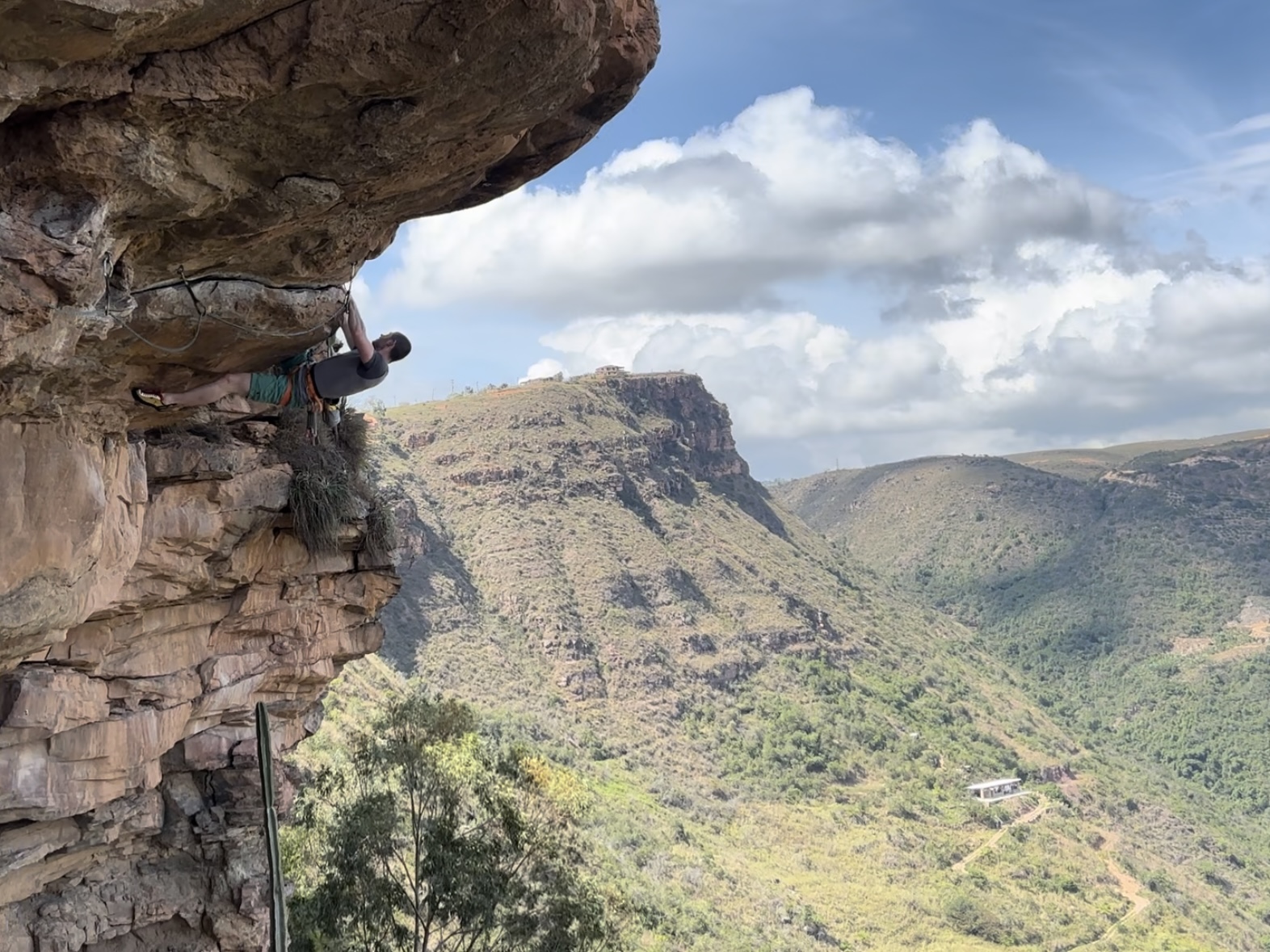
La Mojarra is the most famous and undoubtedly most popular climbing area in Colombia and by quite some way. La Mojarra is set on the outskirts of the stunning Chicamocha canyon, which at 2,000 meters deep is the world’s second largest canyon. It is more than fair to say La Mojarra has some great views. The rock is a visually striking red sandstone with lots of roofs, steep starts and tricky cruxes. The quality of the rock is quite varied, some of it is excellent but other areas can be prone to loose and hollow rock or friable sandy starts.

One of the best strengths of La Mojarra is that the vast majority of the routes are very well bolted, which really helps when you’re pumped and pushing through a steep roof. Generally, most of the routes are between 15 and 25 meters long and the main area of La Mojarra has around 190 routes from 4 to 9a, and some nearby crags have a further 60 routes spread between them. La Mojarra is split into 18 sectors, but they are quite small and the area feels smaller than the layout suggests, sometimes it can actually feel quite busy.
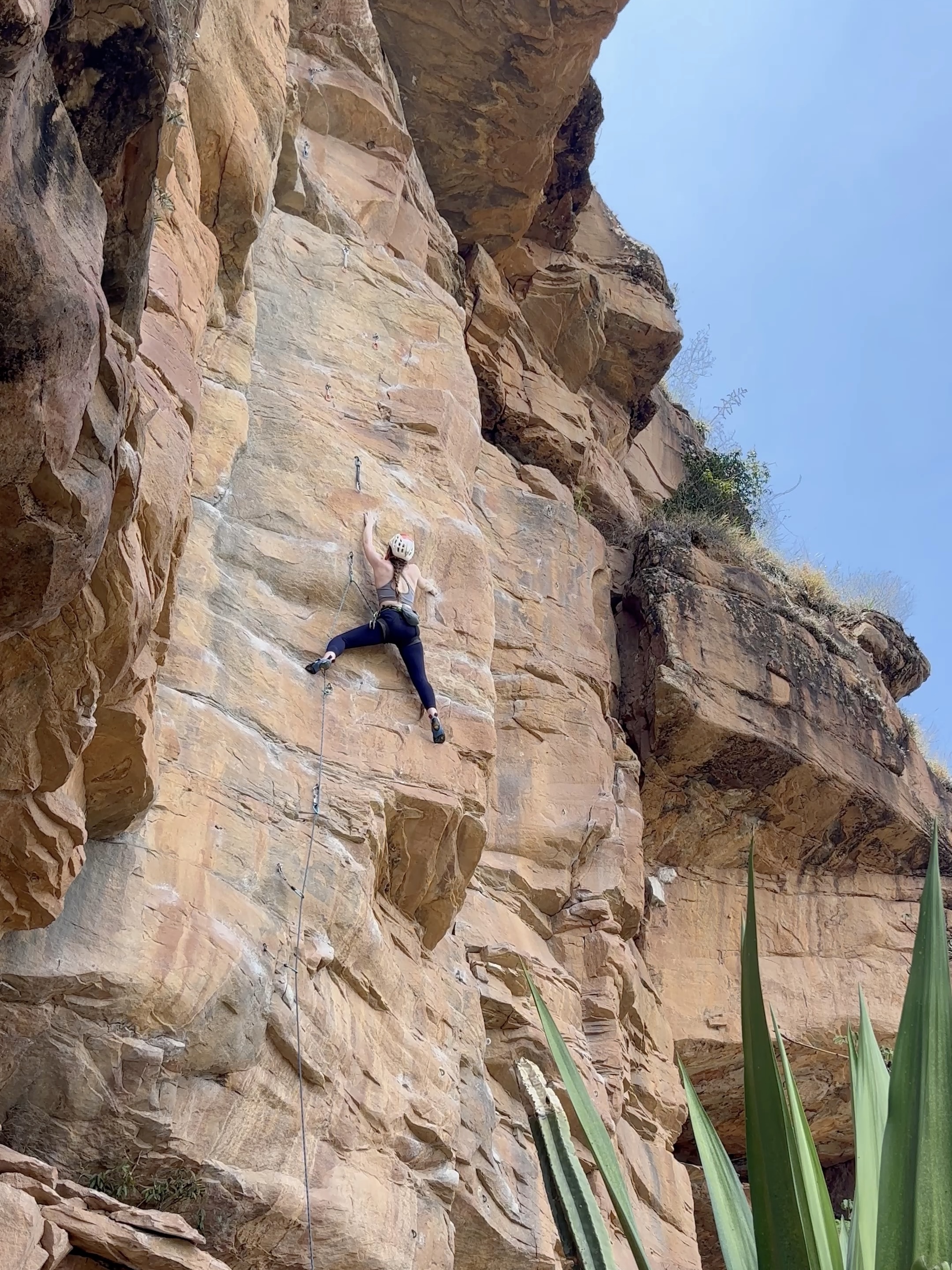
The crag sits on private land and has gated access, which is paid unless you are staying/camping at Refugio la Roca. Unfortunately, the gate typically doesn’t open until 12, or 11 on the weekends. This was quite a pain as we had consistently cloudy, cool and breezy mornings during our one week stay but couldn’t go climbing! The crag comes into the shade around 11, although the shade on a sunny day can still be much hotter than a cool, cloudy morning. This is the compounding factor with it feeling busy, as everyone is arriving at the same time to go climbing when the gate opens.

We are being critical of La Mojarra because it has so many climbers, when other crags all over the country have almost no one, and certainly very few international climbers by comparison. Often these crags are just as good (maybe better!), more authentic and really deserve more attention. La Mojarra is absolutely a great place to go climbing and if you’re in Colombia you should definitely visit, but make sure to go to some of the country’s other stunning climbing areas too!
We write for pleasure and climbing is our passion. Our articles will never be paywalled. However, if you would like to help towards the costs of running the site or if you have found our content useful, please consider contributing here. To read more about why your support matters, click here.
Macaguato
Macaguato is a stunning climbing area, so close to La Mojarra and yet so different. The environment at Macaguato is very special, a lush green jungle full of beautiful birds, interesting plants and iguanas jumping through the trees. The crag is enormous and very impressive, it is also sandstone but totally different in composition to La Mojarra, the climbing style is also very different. Macaguato has a more varied style and some very unique holds. The rock is generally very good quality, often much better than it looks, with the exception of some strata bands of poorer rock. These are usually very narrow and you can often skip right past them.
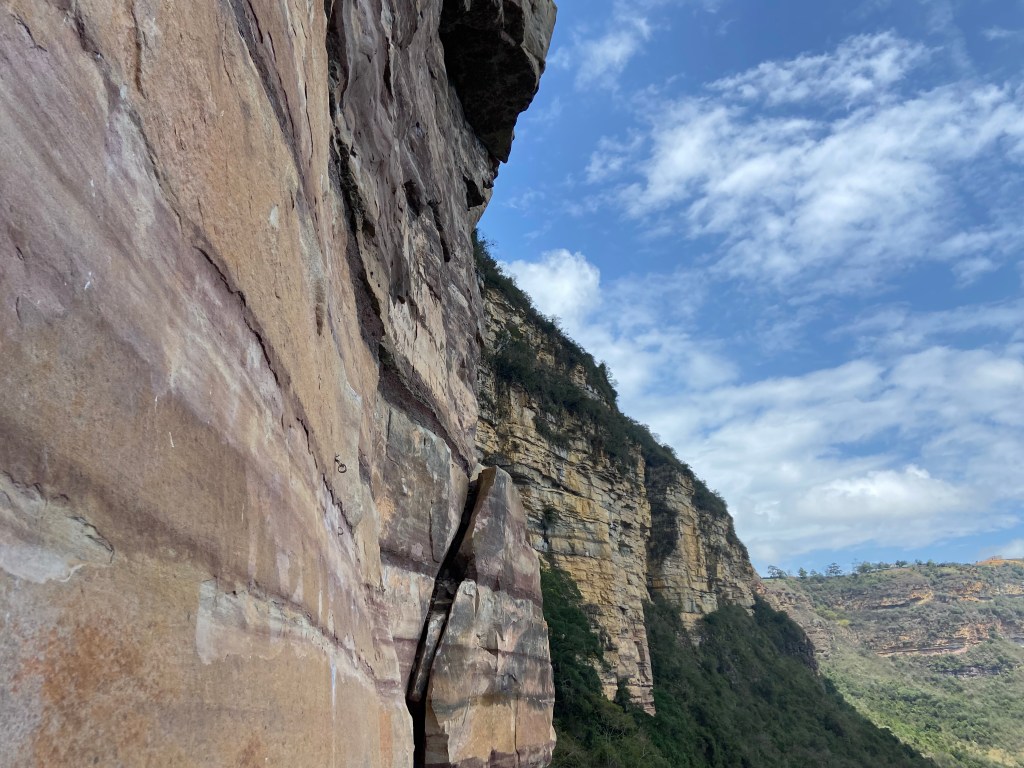
Set in the jungle near the base of the crag is an amazing place to stay, with both shared and private rooms. It has been finished so beautifully it is really a wonder how they managed to do it. We met Jorge, the founder and one of the main bolters, along with a few other Colombian climbers. Aside from these few people, the place was completely empty, which is shocking when you consider how impressive the place is, and how close it is to La Mojarra, which will undoubtedly have lots of climbers. It is absolutely key that more climbers make the effort to come and climb at Macaguato, you’ll be well rewarded, it is an awesome place!

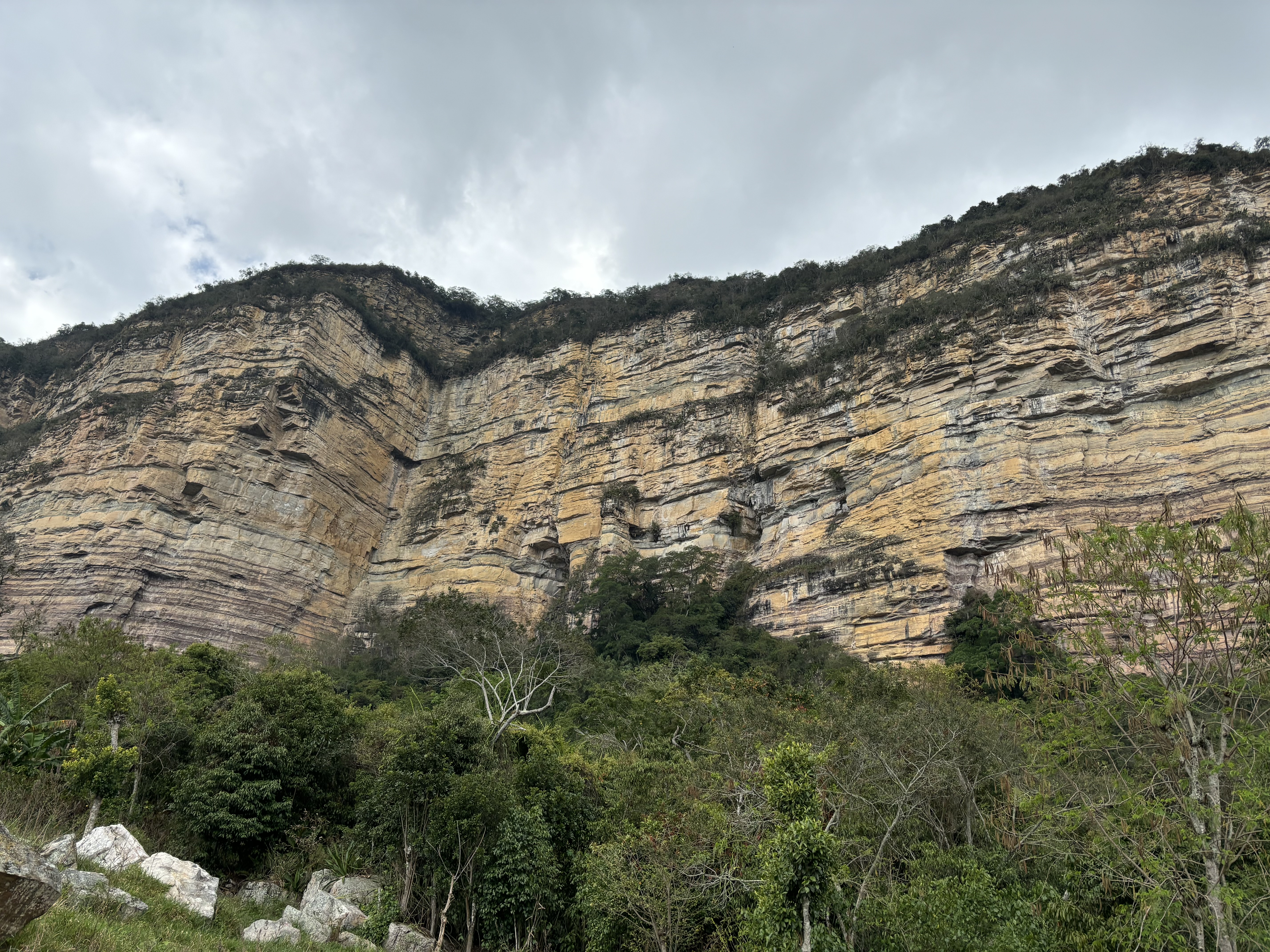
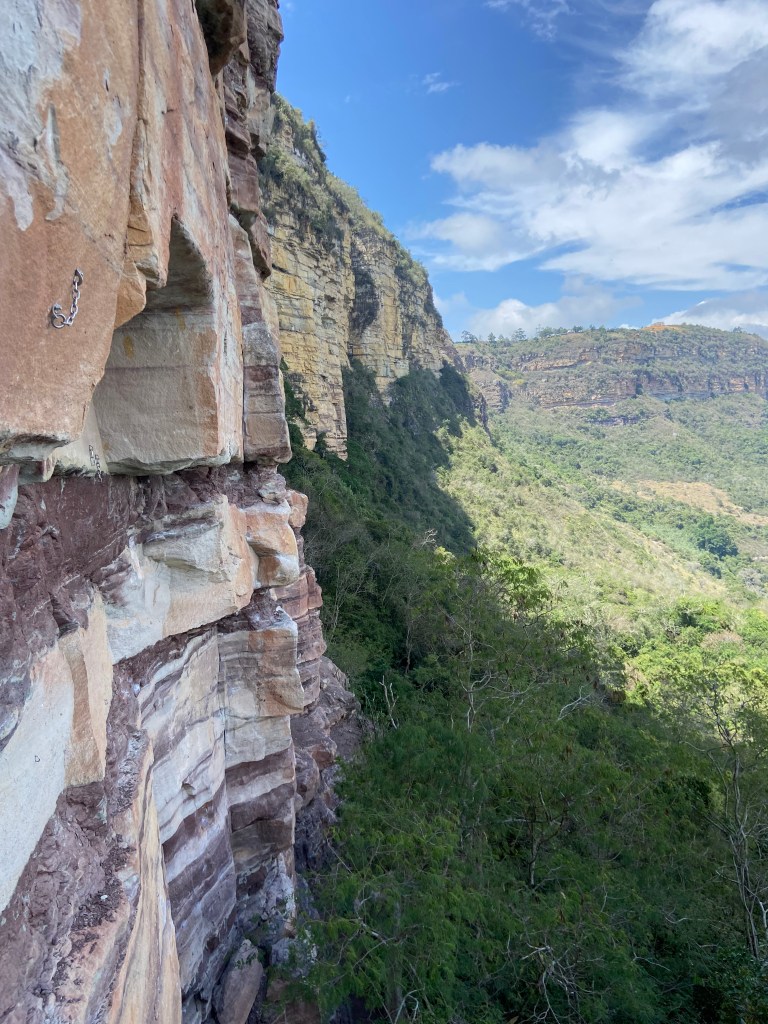
If counting multipitches as one route, Macaguato has 37 routes from 6a to 8b. If counting individual pitches the number will be much higher, there is also tonnes of potential for new routes and an existing via ferrata. The wall is over 200 meters tall and there are multi pitches that go the full length. We absolutely loved the place and would definitely be keen to spend more time here in the future. There is just so much rock to go at, it is definitely an up and coming area that is bound to be a classic crag of Colombia soon.
Florián
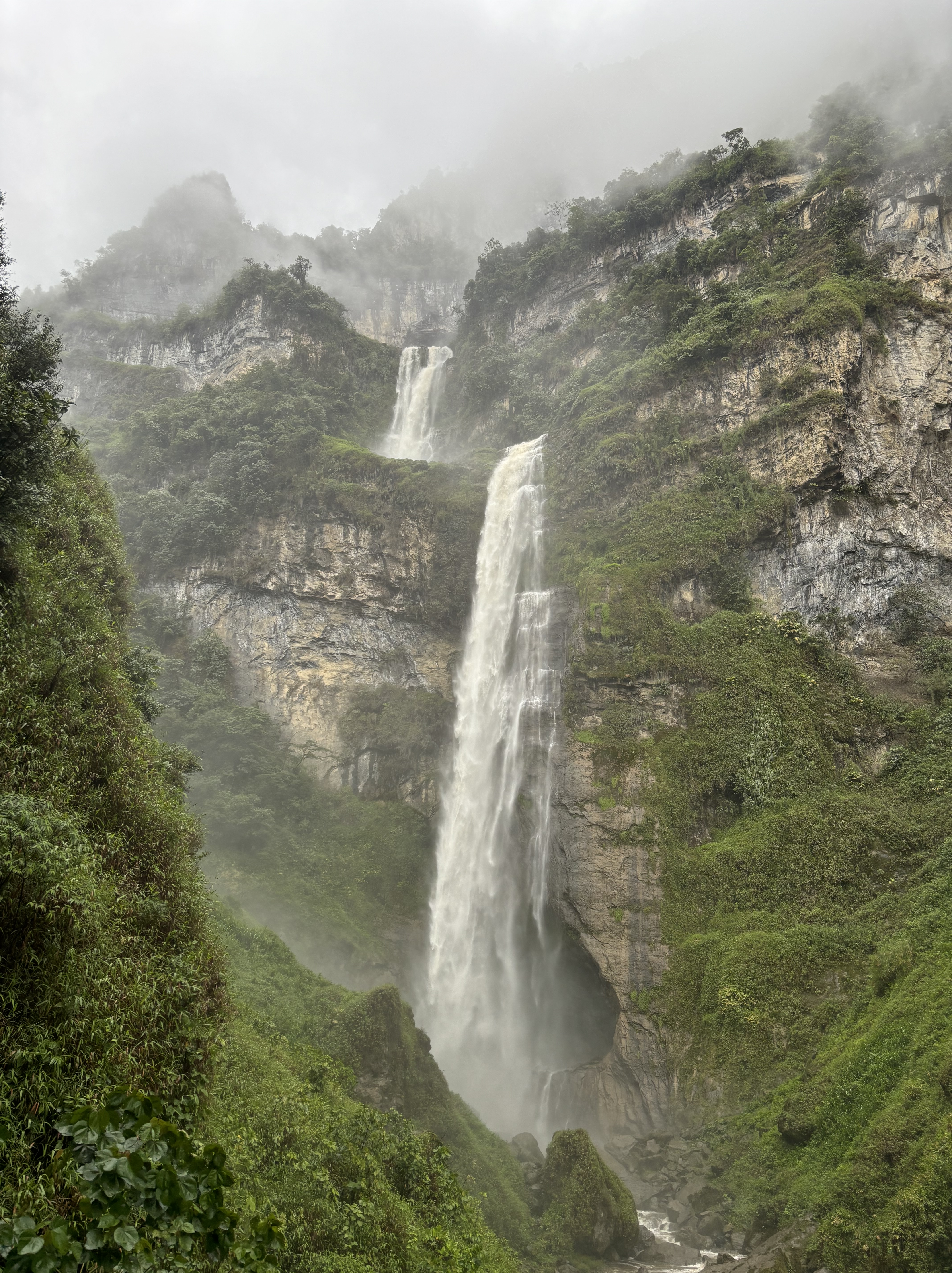
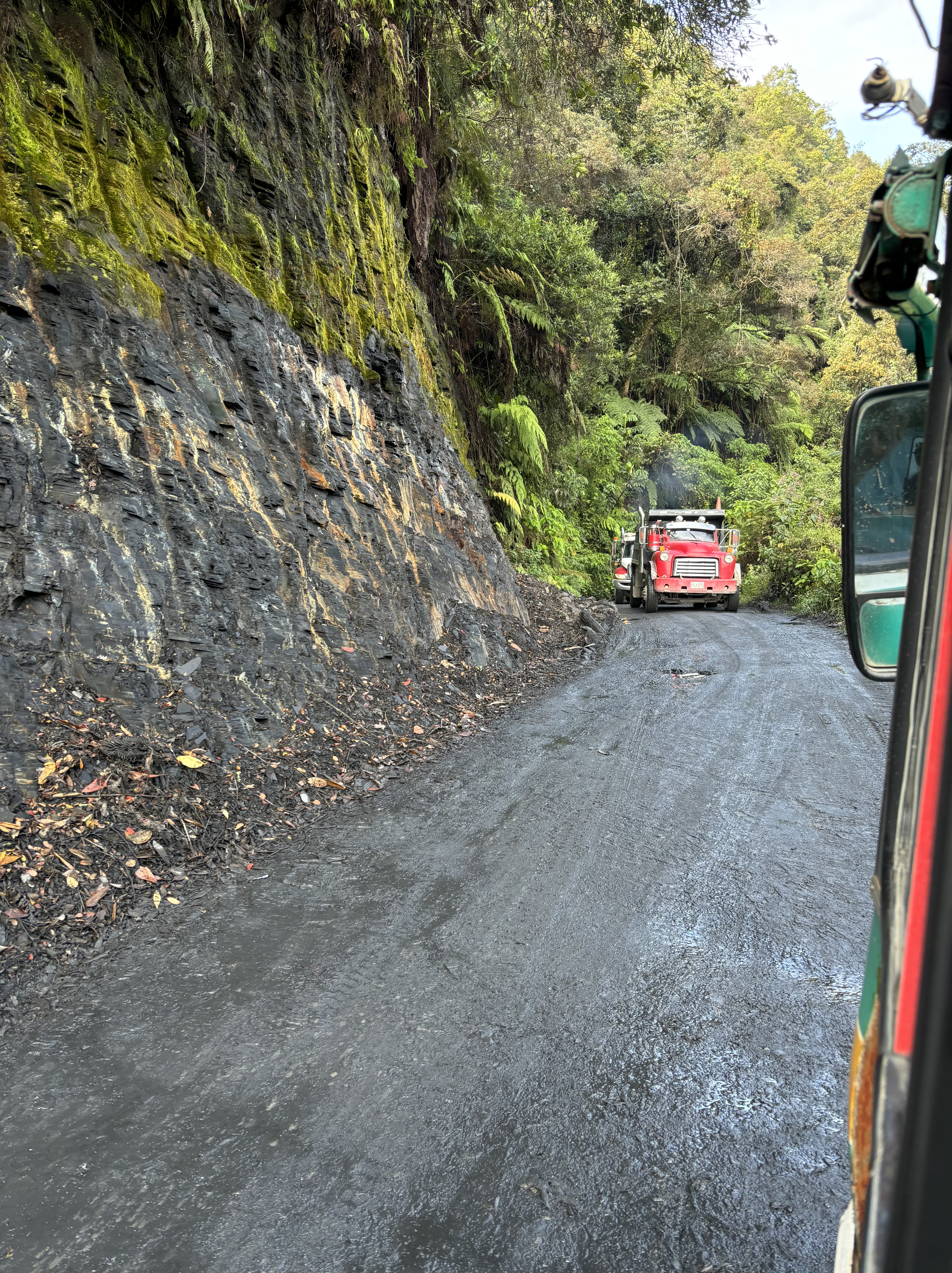
Florián is one of Colombia’s most stunning and impressive climbing areas, but also one of the quietest. Set in the mountains, Florián is an incredibly beautiful place, the scenery alone would make it worth a visit. There is dense jungle full of colourful birds, huge waterfalls, natural swimming pools and of course loads of crags! The journey to get to Florián is also interesting, it takes around 3 hours on unpaved roads from Puente Nacional, local communal 4x4s and tank like buses cover the rough journey, we went out on a bus almost 70 years old! There are tonnes of crags yet to be developed, and several excellent existing sectors, the three most significant of which we will describe below.

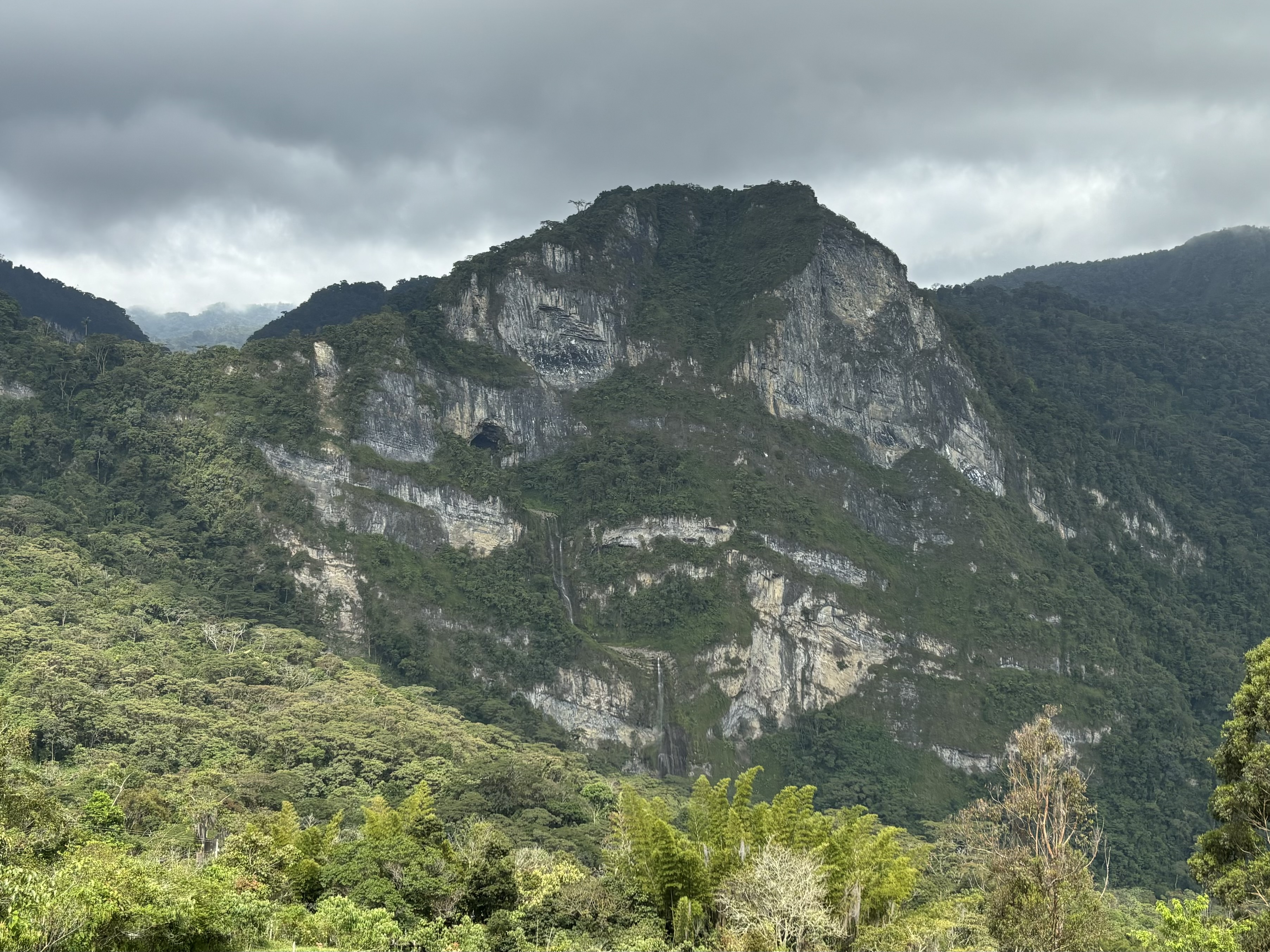
Las Ventanas De Tisquizoque is a surreal place, a cave, or rather a tunnel, carved by a river through the side of a huge mountain. When you walk in you are greeted by thousands of tufas & stalactites, and after a short walk you appear at the Ventana itself, which is halfway up the mountainside as well as being the exit point of the enormous waterfall. The views are amazing and better still there is some excellent climbing to be done!
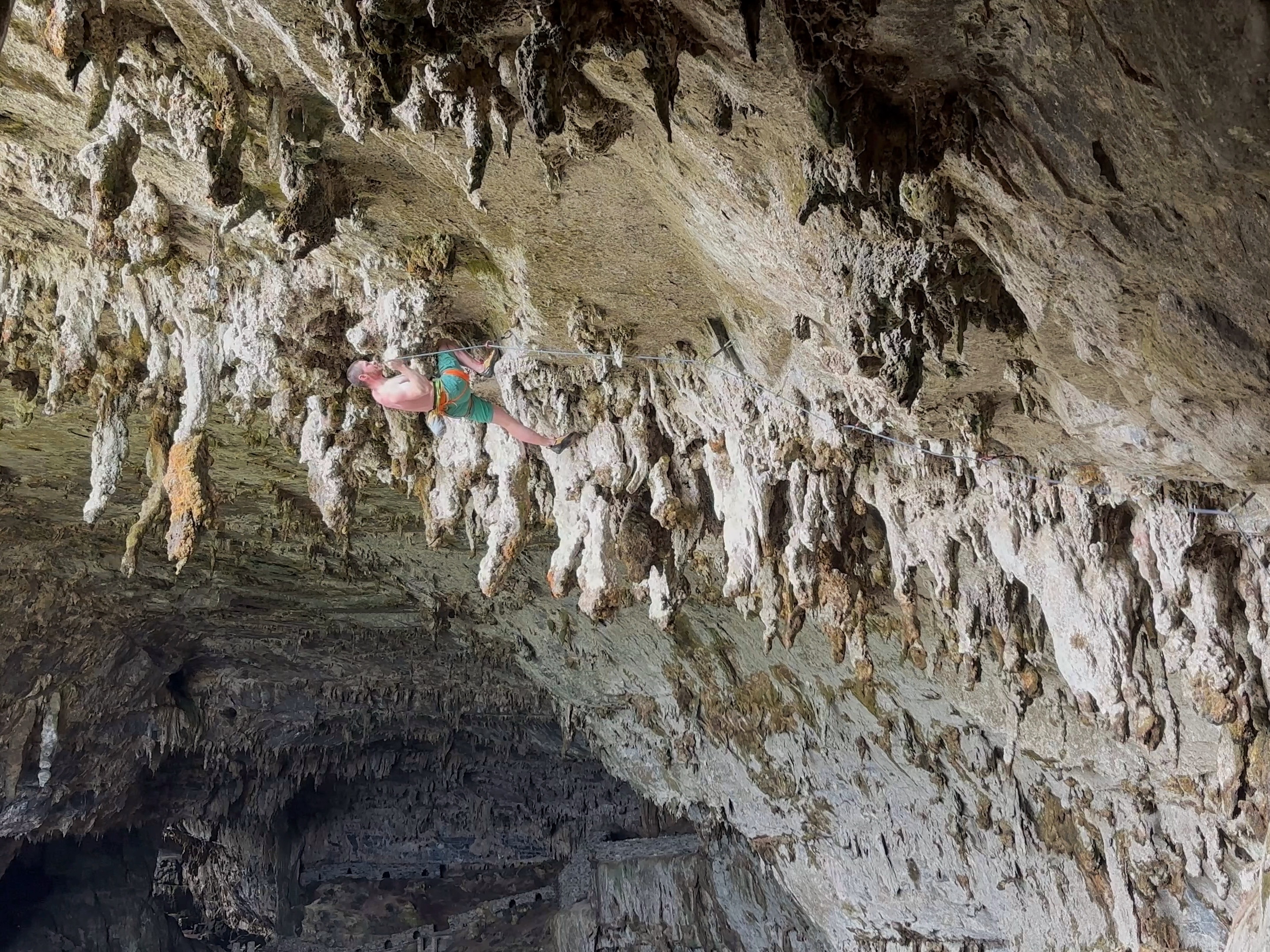
Las Ventanas is a pretty hard venue, but it is also a great place to try hard and push yourself. The climbing is world class and the routes are generally very well bolted. The rock is so good it is crazy that you’ll almost certainly be the only climbers around for the entire duration of your stay. The quality of the stalactite climbing would rival pretty much anywhere and when you factor in the stunning location it makes for a superb experience.

La Guaca is another of Florián’s best sectors, a big crag over 30 meters long with varied climbing on brilliant rock. There is excellent steep climbing through huge tufa umbrellas, technical face climbing and some roofs. The location is pretty easy to access, yet it is also very peaceful and surrounded by nature. La Guaca really sets your mind whirring about the potential of Florián in the future. There are dozens upon dozens of crags that look just like this all over the surrounding area. If their quality is close to that of La Guaca, it could be the makings of an enormous climbing area.

El Portón is great sector, which is particularly good for those seeking some lower grades. The rock is just as high quality as elsewhere and the routes are also well bolted, as they were throughout Florián. The crag is very much at one with the jungle and you may want to brush the holds a bit, it was also a bit of a shock to suddenly come face to face with a black vulture that had made its nest in a hole near the top of the crag! It is all part of the pleasure of climbing somewhere undisturbed and in nature. We enjoyed climbing at El Portón, it is a great crag for getting several routes done quickly.

If you find our content useful please consider subscribing:
Machetá
Machetá is a classic crag of Colombia, one of the most established and best known climbing areas in the country. The rock is a high quality sandstone, often much better than it looks and generally very solid. The climbing style is steep, very steep! The routes are physical and stamina based, make sure to pack your forearms for this crag! We had assumed the crag would be quite small, and potentially runout, but that wasn’t the case at all. In fact the crag is pretty big, at least as much as other areas like La Mojarra, and the bolting was also good.
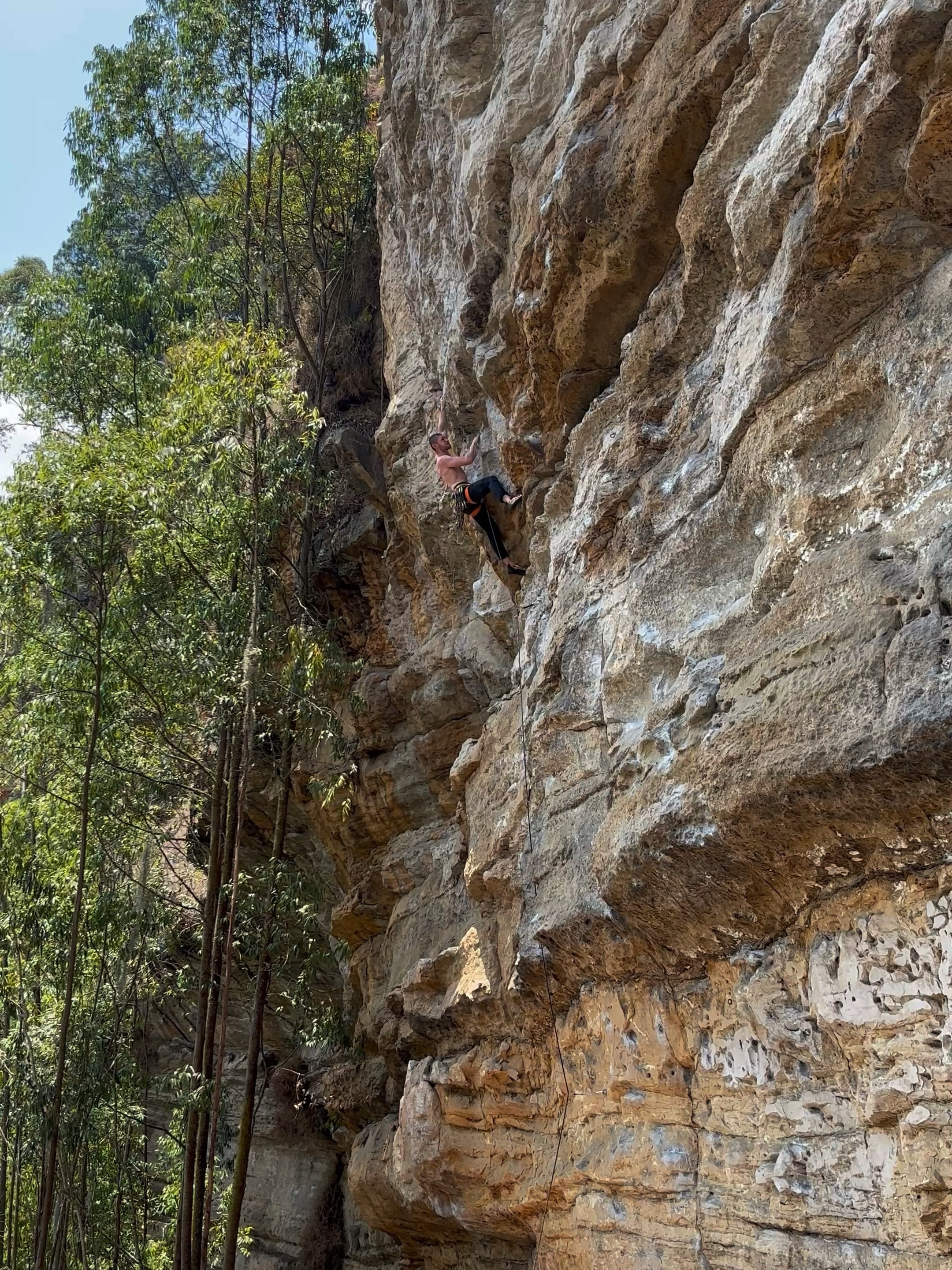
Machetá has pretty easy access and isn’t far from the road, but when you’re up in the trees at the crag it is a peaceful and relaxing place to climb. The crag comes alive with a thriving scene of Colombian climbers at weekends, but during the week it is very quiet and we had the whole place to ourselves. Machetá has over 110 routes, from 6a to 8b. The only real thing to watch in Machetá is the sun, as the crag faces south. In general, the crags will come into the shade around 11:30, although sometimes the crag base can remain sunny. Climbing conditions are perfect when the shade has arrived, but don’t bother arriving early unless it’s cloudy.
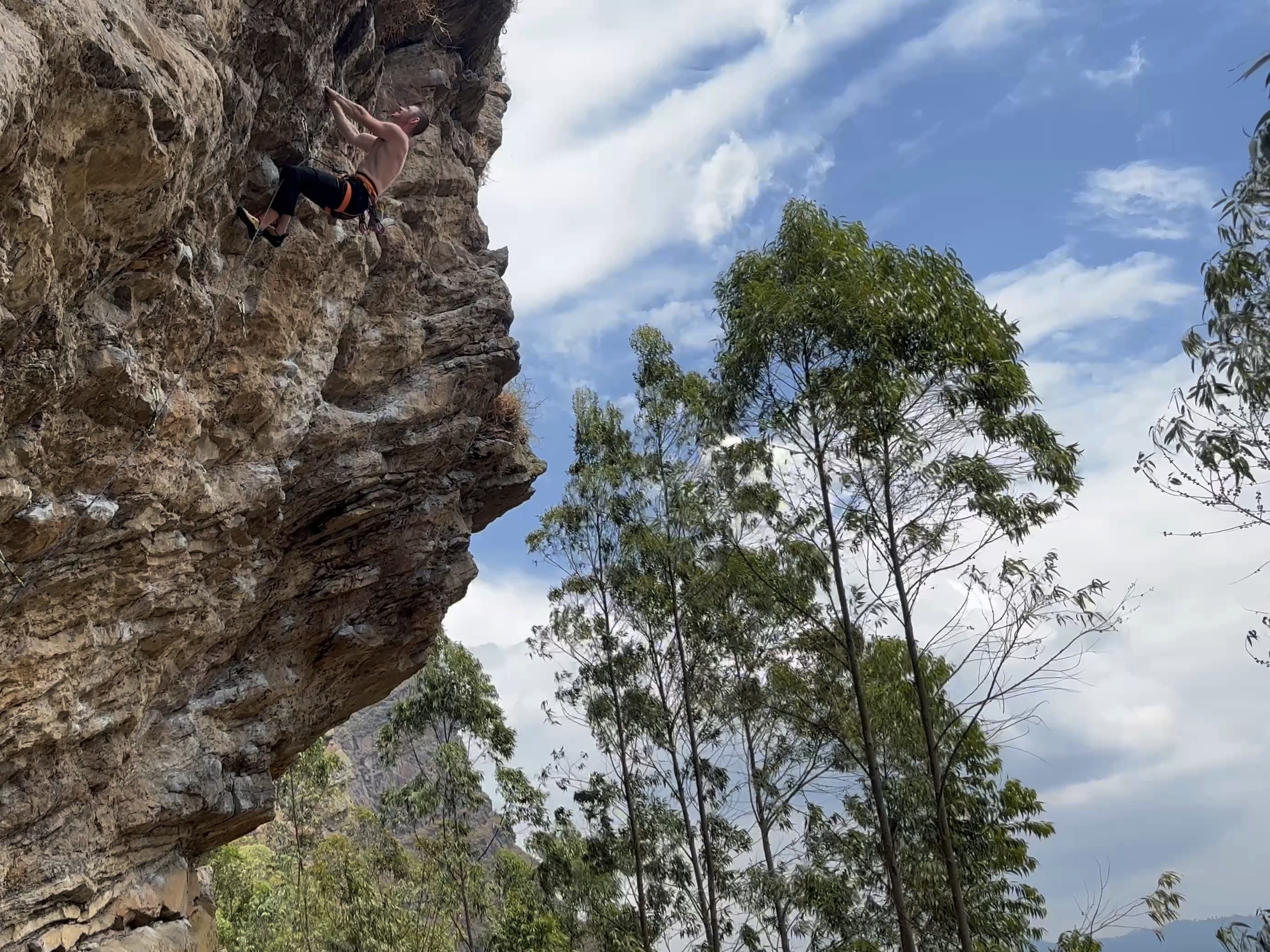
El Salón de la Justicia, also known as Nueva Machetá, is a relatively new sector a few kilometres away from Machetá. The crag is huge, and has many routes over 40 meters long, some sport, some trad and also some mixed. The climbing style still contains some of the characteristic Machetá steepness, but is also very varied with some exceptional crack climbing, dihedrals and laybacks. The rock quality is more mixed than Machetá, while some of it is excellent, it can also be loose and flaky in places. The approach is quite long and involves around 350 meters of ascent. Once you get there the views are stunning, the crag base is a narrow ledge with great exposure and gives it a mountain feel. El Salón has around 70 routes, from 5 to 8b and is definitely worth visiting, it is an impressive crag.

Suesca
Suesca is one of Colombia’s oldest and most historical climbing areas, a real home of Colombian climbing that remains popular to this day. The crag is a long band of sandstone split into lots of different buttresses by gullies and vegetation. There is some great quality rock and also some poorer sections. The crag sits along an active but quiet train track and is in a semi urban area, home to some graffiti and the typical trappings of crags in similar locations. Suesca has over 320 routes, just over half of which are trad/mixed and the rest are sport, with grades ranging from 3 to 8b.
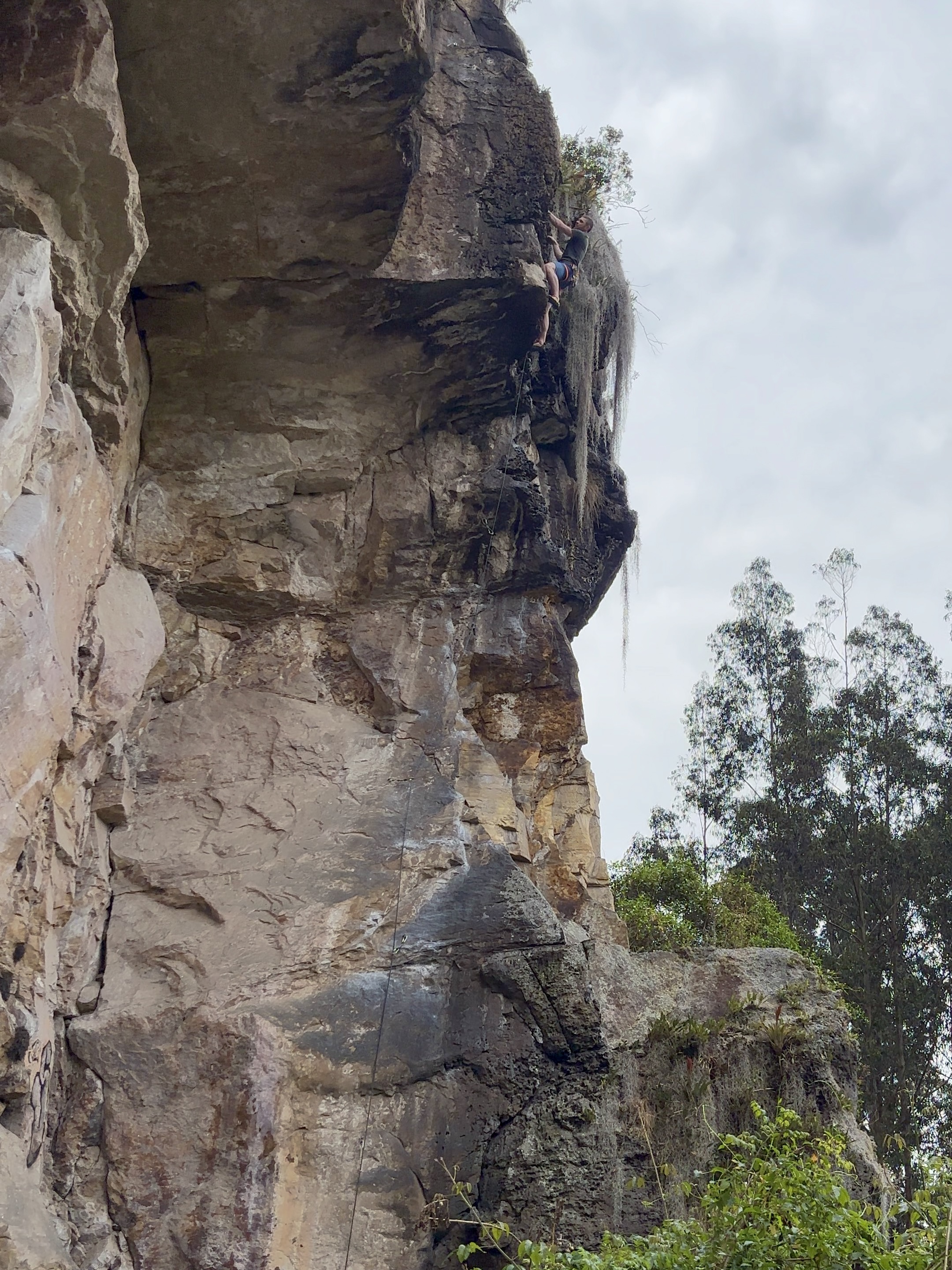
Being an old school crag, Suesca has a reputation for stiff grades and run outs, which is partly true, but we didn’t find it that bad, at least not compared to some other old school crags we’ve visited over the years. In some places the rock can be polished, but thankfully being sandstone it is generally less severe than the polish you tend to get on well travelled limestone. The crag is so long that it’s easy enough to find a quiet or less popular section to enjoy to yourself and it is mostly north to north west facing giving good climbing conditions.

It was surprising to us that Suesca seems relatively popular midweek, while Machetá was totally deserted. Perhaps this is due to the higher number of lower grade routes at Suesca, which are generally super fun to climb. For us personally though, we much preferred the rock, location and overall atmosphere in Machetá. Suesca is still a cool area worth visiting, but the areas naturally lend themselves to comparison as they are only around 1 hour apart from each other.
La Peña Abejorral
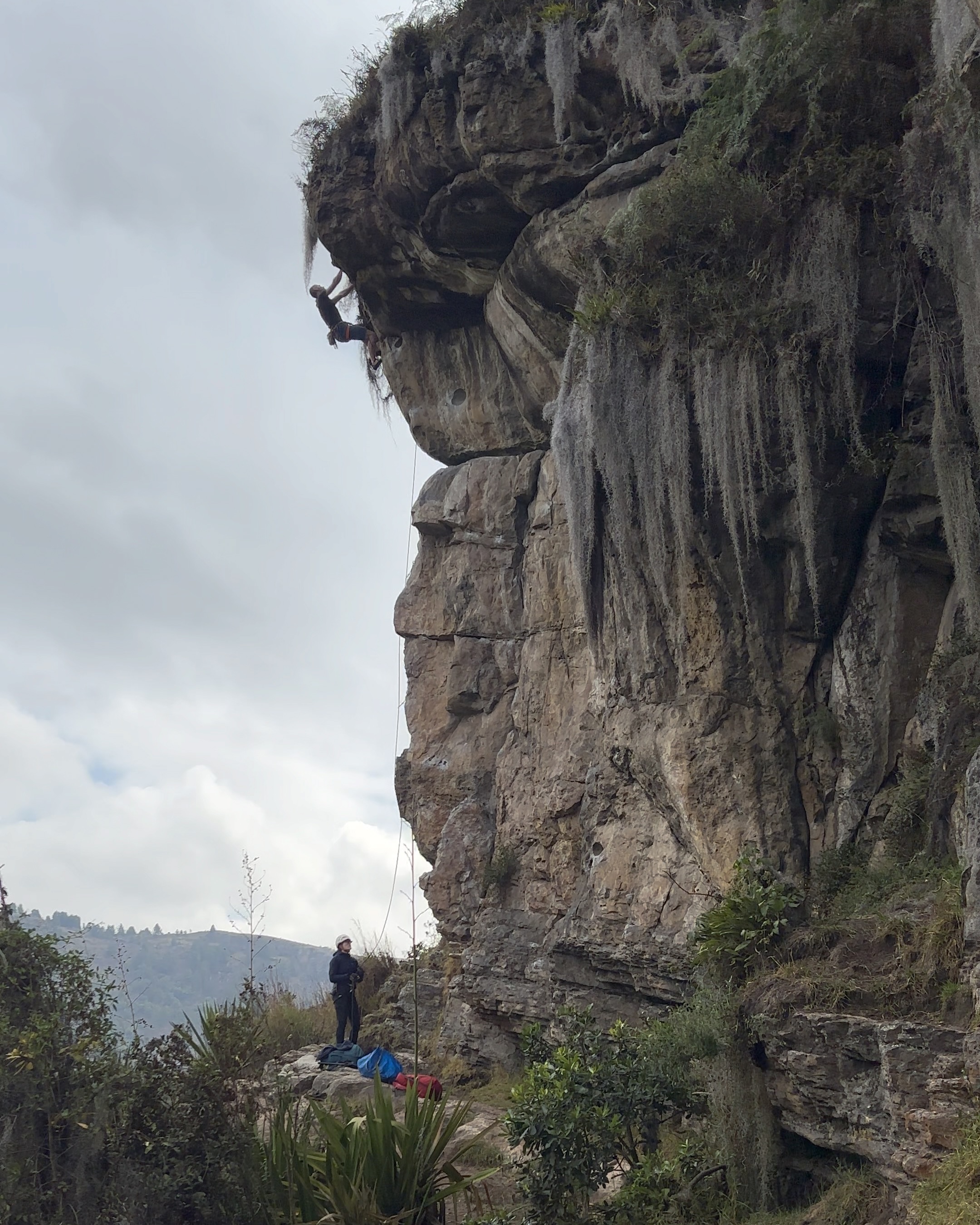
La Peña Abejorral, or just La Peña, is an excellent climbing area in the Antioquia region that is a relatively new addition to Colombian climbing. The rock is granite, which is very good quality and really enjoyable to climb on. The rock is solid but not sharp and there is a great variety of styles, with some really nice steeper climbing to counter the typical granite slabs. A high quality granite climbing area is a great asset to Colombia, which also has excellent sandstone and limestone crags. With around 86 routes, from 4c to 8c, La Peña isn’t the biggest area in the country, but the high standard of the climbing more than makes up for that.
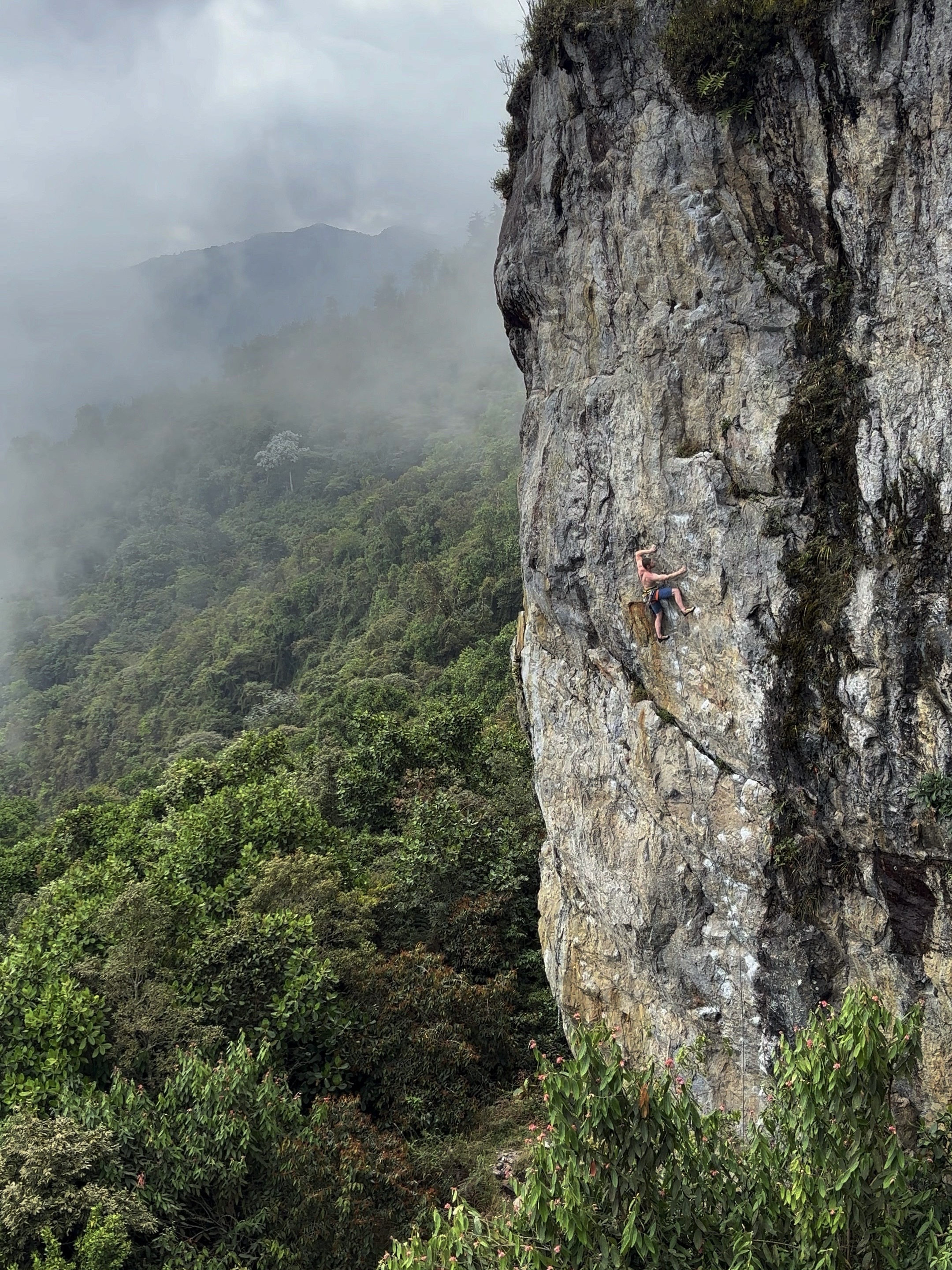
La Peña is in a beautiful location in the mountains, with excellent views and it is also on the site of an old coffee farm. Coffee is still grown there today and you can drink delicious coffee grown right beneath the crags each morning. The local climbers that developed La Peña have clearly done so with a lot of love, and they have gone the extra mile to make it a pleasure to climb there. The approach trail is excellent, the sectors are easy to find and the routes are very well bolted. La Peña isn’t climbed out either, there are still some hard unclimbed projects as well as some untouched crags perched high on the mountainside.

We really enjoyed climbing at La Peña, quality wise it comfortably keeps up with the other areas in the country, location wise it is also very nice, second only to Florián in our opinion. Whilst La Peña is clearly beginning to grow in popularity, it still isn’t very popular with people travelling to climb in Colombia, which is a real shame. It absolutely deserves more attention and is really worth visiting. There weren’t really any negatives about the place, even with quite a bit of rain we were always able to find somewhere dry to climb.
Pasto Area
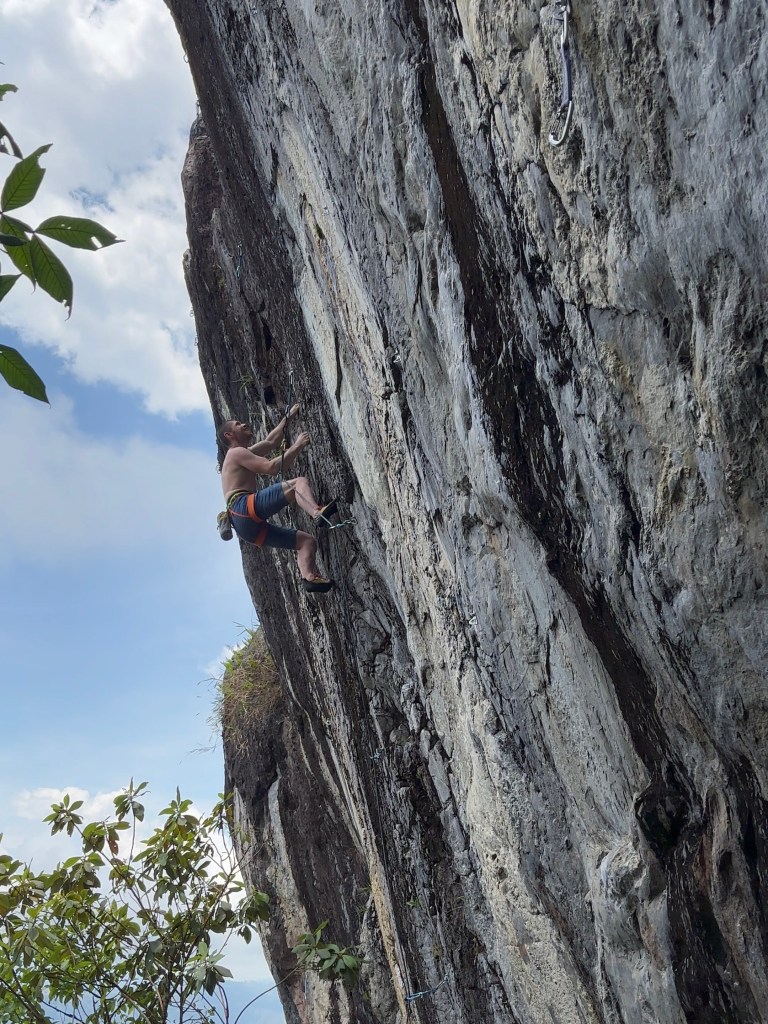
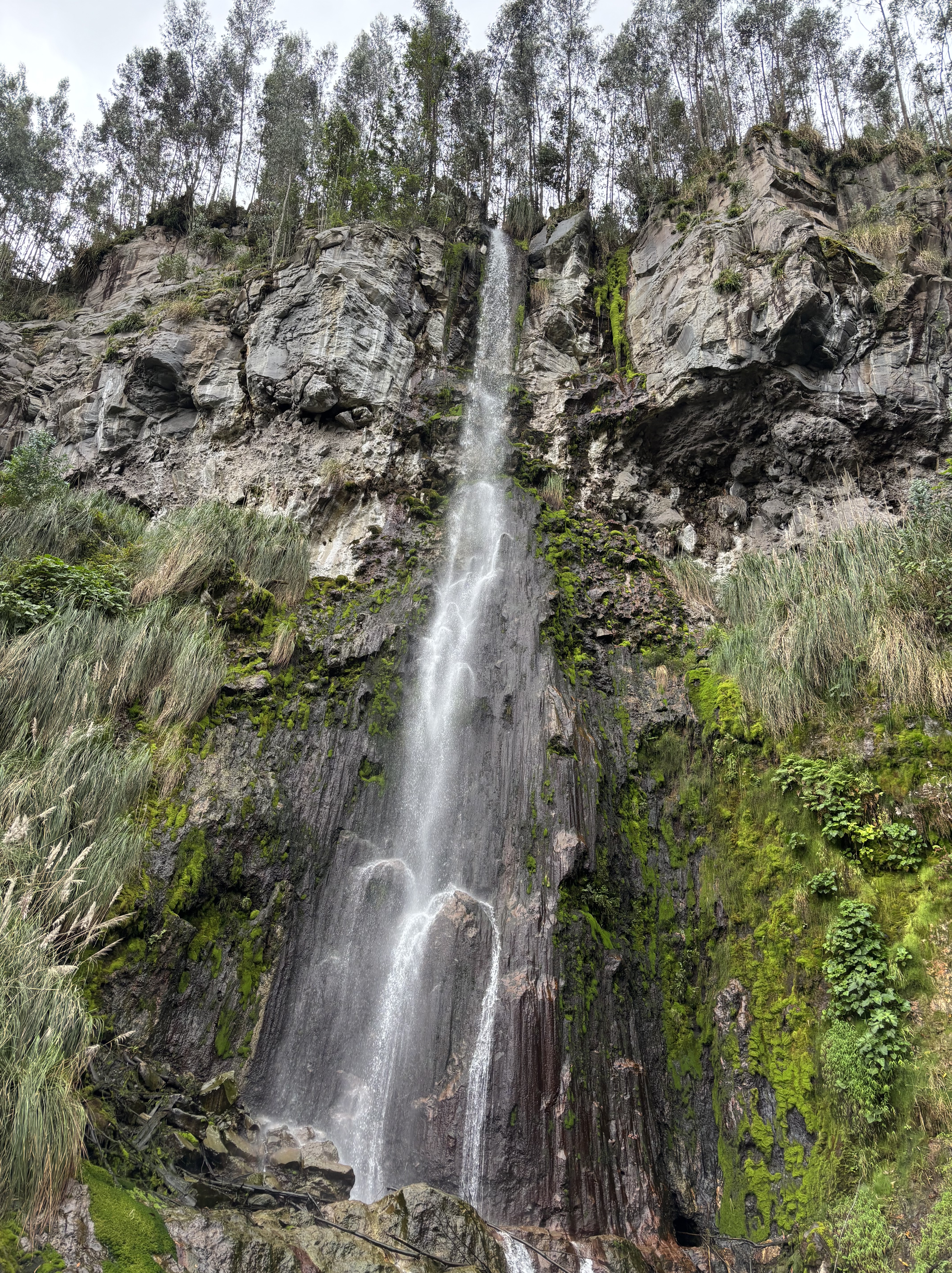
Pasto is a city in the south of Colombia that is very authentic and not on the tourist radar. Pasto is actually a very cool city, overlooked by a large and active volcano, Galeras, and surrounded by beautiful green hills with abundant waterfalls. Pasto also has an excellent, and free, gold museum which teaches you a lot about the cultural history of the province, Nariño. Climbing wise, Pasto is very close to several different crags, with over 220 routes between them, and also has a fair few crags that are yet to be developed. We picked some of the best looking crags to visit, which we will describe in more detail below.

Hombrecitos
Hombrecitos is a strong contender for the best crag in the Pasto area, the rock is an excellent and unusual type of basalt. The climbing style is very full on, the routes are both technical and also very physical. The routes are up to around 20 meters long, but they certainly pack a lot of punch into every meter. The crag is only around 5 km from the city, but the valley you are in is very scenic. There is a waterfall on the opposite side, a river through the bottom and nothing but a few cows for company – you are completely out of sight of any roads or houses.

We walked most of the way to and from Hombrecitos and feel that we should mention on separate occasions two different locals warned us the area was a bit dangerous. Our personal instinct didn’t match that and to us it felt perfectly fine, but we don’t want to doubt local knowledge either. We interpreted the advice as be vigilant and avoid night time, we certainly had no problems at all, but it is surely worth keeping their advice in mind. As a side note, the farmer whose field you walk through to get to the crag was incredibly friendly and seemed happy to see climbers.

Cascadas de Villa María
One of the most striking sectors near Pasto is Cascadas de Villa María, a beautiful area with several waterfalls and lots of different sectors dotted around the hillside. The rock is a basalt that differs in style from Hombrecitos and that sits atop a conglomerate base. The crags are more broken than hombrecitos but the quality is still very good and the routes have some awesome moves on them. Cascadas de Villa María is around 8km from Pasto and is also in a very scenic location, the downhill approach leads you into the seclusion of a valley where you can enjoy the crags in peace. The access was somewhat confusing with not much to go on, but the way to get to the trailhead is by visiting this purple house and paying 2,500 pesos per person to get though the gate at the side of their house, from there following the trail is straightforward.
Rest Day Activities
Museo del Oro
The Museo del Oro is a truly stunning museum, home to over 55,000 gold artefacts, making it the largest collection of ancient gold objects in the world. The museum focuses specifically on Pre-Colombian artefacts, meaning those pre dating the arrival of Columbus in 1492, however many objects are far older than that, some dating back around 2,500 years. The museum gives a wonderful insight to the indigenous heritage of Colombia, such as the Quimbaya people who made many of these artefacts. The Quimbaya are known for creating the Poporo, a sacred container that houses lime made from crushed sea shells which is used ceremonially when chewing coca leaves. This process is spiritual to the indigenous people of the region and the poporo is considered sacred.

There are also many significant pieces of the Zenú people, another of Colombia’s most significant indigenous groups. When wandering through the museum it is hard not to be struck by the quality and intricacy of the artefacts. The fact they are made from gold lays their value bare, but they are truly priceless. We’ve been to many museums over the years but few have been as impressive as the Museo del Oro, it is an amazing place and a real monument to Colombia’s cultural heritage. Tickets are a very affordable 5,000 pesos, so there is no excuse to miss it.

Hiking
With so many mountainous and forested areas, Colombia is an excellent place for hiking. There is everything from huge, even snow capped, peaks to gentle saunters. As the climbing areas are almost always in the mountains, you can often leave straight from where you’re already staying. Hiking is quite popular among Colombians, who come out in large numbers on Sunday to enjoy some fresh air and exercise, most commonly cycling and walking. This means many urban areas have good access to hiking trails, but equally there are many great places you can go for a hike in rural mountainous area too. Stretching the legs on an active rest day, surrounded by nature, is one of the pleasures of climbing in Colombia.

Cities
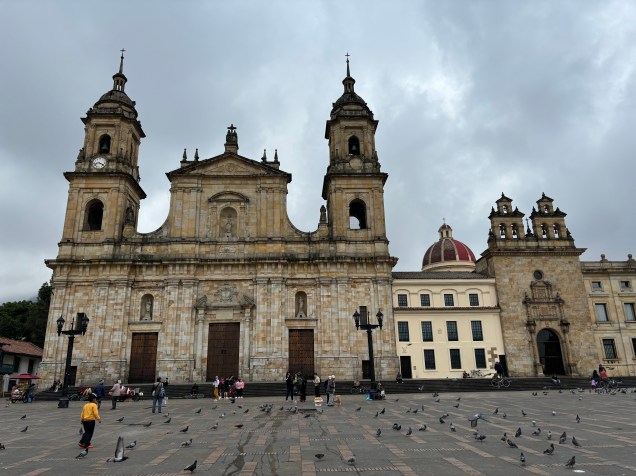
Colombia is home to many vibrant cultural cities, that are great places to visit and soak in the atmosphere. As part of our trip we ended up visiting many of Colombia’s biggest cities like Medellín, Cali and Bucaramanga as well as some of the smaller ones like Tunja and Pereira. However, our personal favourite of them all was actually Bogotá. Whilst Bogotá might not have the tropical feel of Cali or Medellín, we found it to be the most charming and authentic big city in Colombia. It seems people don’t generally stop to see Bogotá and it really feels like a locals city, which has for the most part resisted gentrification. We thoroughly enjoyed walking around Bogotá and visiting different corners of the city, it’s a very interesting and diverse place. Whilst we thought Colombias other cities were also cool, if you were to only visit one of them, we recommend Bogotá.
Food
Bandeja Paisa is Colombia’s national dish, a delicious plate full of loads of different components and tonnes of great flavours. There is mince meat, chicharron, chorizo, beans, rice, egg, avocado and often more! The exact ingredients vary from area to area, but one thing is guaranteed, you’ll never be hungry after a Bandeja Paisa! This dish is one of the best ways to enjoy many of Colombia’s best foods on one big plate.
Ajiaco is a delicous soup and a famous dish in Colombia, particularly in Bogotá. Ajiaco is made with chicken, potatoes, corn on the cob and is flavoured with a local herb called guasca which gives the dish its distinctive flavour. The soup is served with sides like avocado as well as some cream which you add to the soup to your personal taste.
Arepas are a type of flatbread made entirely from ground corn. They are a truly traditional food that has been eaten since pre-Columbian times and are a part of the country’s heritage, having been eaten in Colombia for around 3,000 years. They are commonly served with fillings like cheese and make for a very hearty meal.
Empanadas are delicous fried dough pockets containing a variety of different fillings like chicken, beef, potatoes or vegetables. Empanadas are available all across the country and are an absolutely fantastic snack.
Pandebono are a tasty Colombian cheese bread usually made with either tapioca or corn flour and filled with cheese. They are best eaten warm with a delicous cup of hot chocolate.
Bocadillo De Guayaba is a delicous sweet treat made of guava paste and cane sugar, wrapped in a Bijao leaf to preserve it and enhance the flavour. They taste great and also make a very practical and enjoyable crag snack!
Chicha is a fermented drink made from corn, a traditional beverage of Andean people that dates back to around 7,000 years ago – that’s 5,000 years BC! It has enormous cultural significance to indigenous people and was commonly used in ceremonies and rituals. The main type of chicha is yellow, with a relatively thick consistency and with a mildly sour fermented flavour. Chicha is technically outlawed in Colombia, but it isn’t enforced. This means you buy it from an independent unlicensed brewer, which is the best and most traditional way anyway! The alcohol content varies, it can be muy fuerte! Chicha is a real must try in Colombia, a fantastic part of the nations history that is important to keep alive.
Coffee is big in Colombia, with the country being the world’s third largest producer. You will always be close to coffee groves whether you are walking to a crag or sat on the bus. You can get a super fancy espresso based drink or a humble Tinto, but there will always be somewhere to get your coffee fix. As coffee lovers it’s always a pleasure to savour good quality, locally grown and freshly roasted coffee.
Summary
We really enjoyed our time in Colombia, it is a beautiful country with loads of amazing places, vibrant culture and friendly people. Climbing wise there is a lot to go at and the standards are very high. Whilst we thought La Mojarra was a good area, in our opinion it doesn’t deserve its crown as the country’s best climbing area. The three standout places for us were Florián, La Peña and Machetá. Between them we thought they had the best rock quality, best concentration of good routes or most stunning views. All the climbing areas we visited in Colombia were good, but those three stood out as the most memorable and inspiring.
No doubt there are many more amazing crags in Colombia, some of them destined to become future gems. Others may be just too wild, like the insane Chiribiquete, which is so remote and protected only scientists are allowed to go there! Regardless, there is definitely plenty more worth returning for.
We write for pleasure and climbing is our passion. Our articles will never be paywalled. However, if you would like to help towards the costs of running the site or if you have found our content useful, please consider contributing here. To read more about why your support matters, click here.
You can read more about the climbing in South America here.
Relevant links and resources
https://rockclimbcolombia.wordpress.com
https://www.thecrag.com/en/climbing/colombia
 The Crag Journal
2 thoughts on “Climbing in Colombia: A Journey through South America”