The Caucasus region is an amazingly diverse area, sandwiched between the Black Sea and the Caspian Sea. It is truly transcontinental, with an enormous amount of culture packed into a relatively small area of land. The ‘heart’ of the Caucasus consists of Armenia, Azerbaijan and Georgia. To the north is Russia, with Turkey in the west and Iran in the south, just adding to the areas impressive cultural diversity. The region is famous for mountains, climbers can find almost anything in the Caucasus, from peaks over 5000m to stunning canyons and abundant cliffs. We spent 10 weeks in the Caucasus and we genuinely loved it, it is one of our all time highlights – for the people, the culture and the climbing.
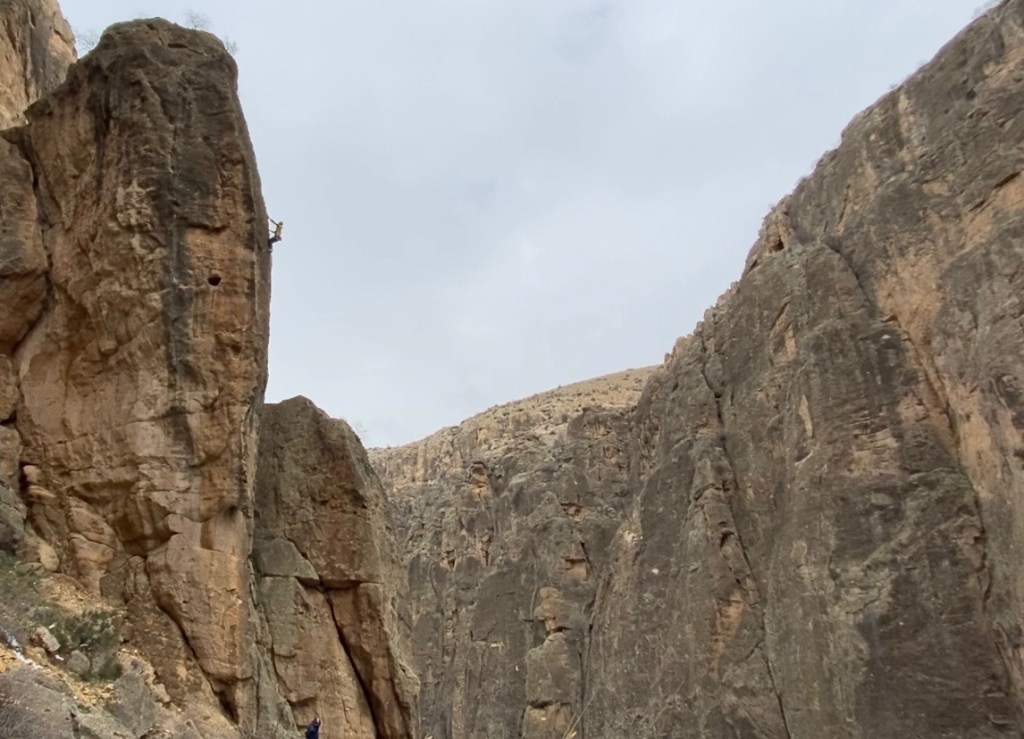
In this article we will discuss hints and tips for travelling in the region to help you get the most out of your trip. Below is a map of the all the different crags we visited during our trip to the Caucasus region, as well as our favourite rest day activities. If you would like to read more about specific areas, please visit our individual posts about Armenia, Azerbaijan and Georgia.
 The Crag Journal