POST UPDATED 2026
Albania is a beautiful country, often overlooked and underestimated. The landscape has everything from dramatic mountains to white sandy beaches. In recent years, Albania has seen more and more climbing development and many excellent new routes have gone up. The number of climbers visiting has been steadily increasing as word gets out about the quality of the climbing on offer. There are many stunning cliffs across the country, and as well as a lot of climbing to choose from currently, there is also the potential for a lot more. Albania also has a lot to offer aside from climbing, the country has a fascinating history and rich culture, there is a lot to love about Albania. We have now visited Albania a few times, this post is an amalgamation of our different trips, with some new crags and lots of updates from our most recent visit in 2026.
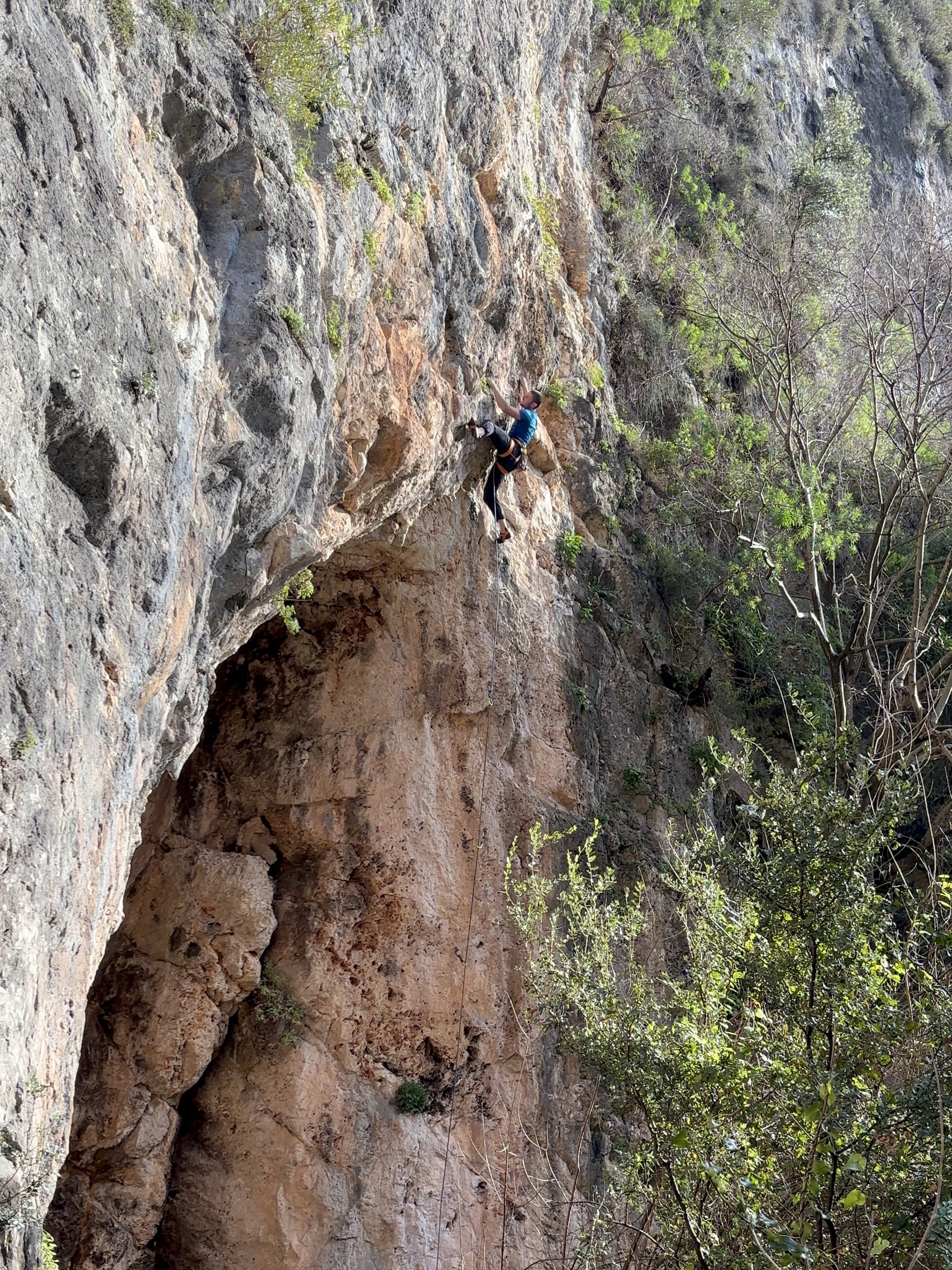
Guidebooks for Climbing in Albania
Affiliate Disclosure
We have an affiliate partnership with Climb-Europe.com, which means we receive a commission if you buy a guidebook via one of our links, at no extra cost to you. Currently, we only use affiliates for guidebooks from Climb Europe, not anything else. To read more, click here.
Climbing topos for Albania can generally be split into two categories: the crags around Tirana and the crags in Southern Albania. For the crags around Tirana there is a guidebook that covers everything you will likely need for that area, including the major crags Brar, Bovilla and Krraba. You can purchase the Tirana sport climbing guidebook from ClimbEurope here. For the areas in southern Albania, you will have the best coverage with 27crags premium. As well as the crags in the south, 27crags also has topos for various sectors in the north, like Shkëmbi Bilbilit. You should also make sure to check out Climb Albania, which has plenty of useful information and relevant updates. Climb Albania also has great descriptions and topos for the climbing areas in the northern part of the country, like Theth and Valbona. You can also find topos and information in this PDF topo from GeoQuest.
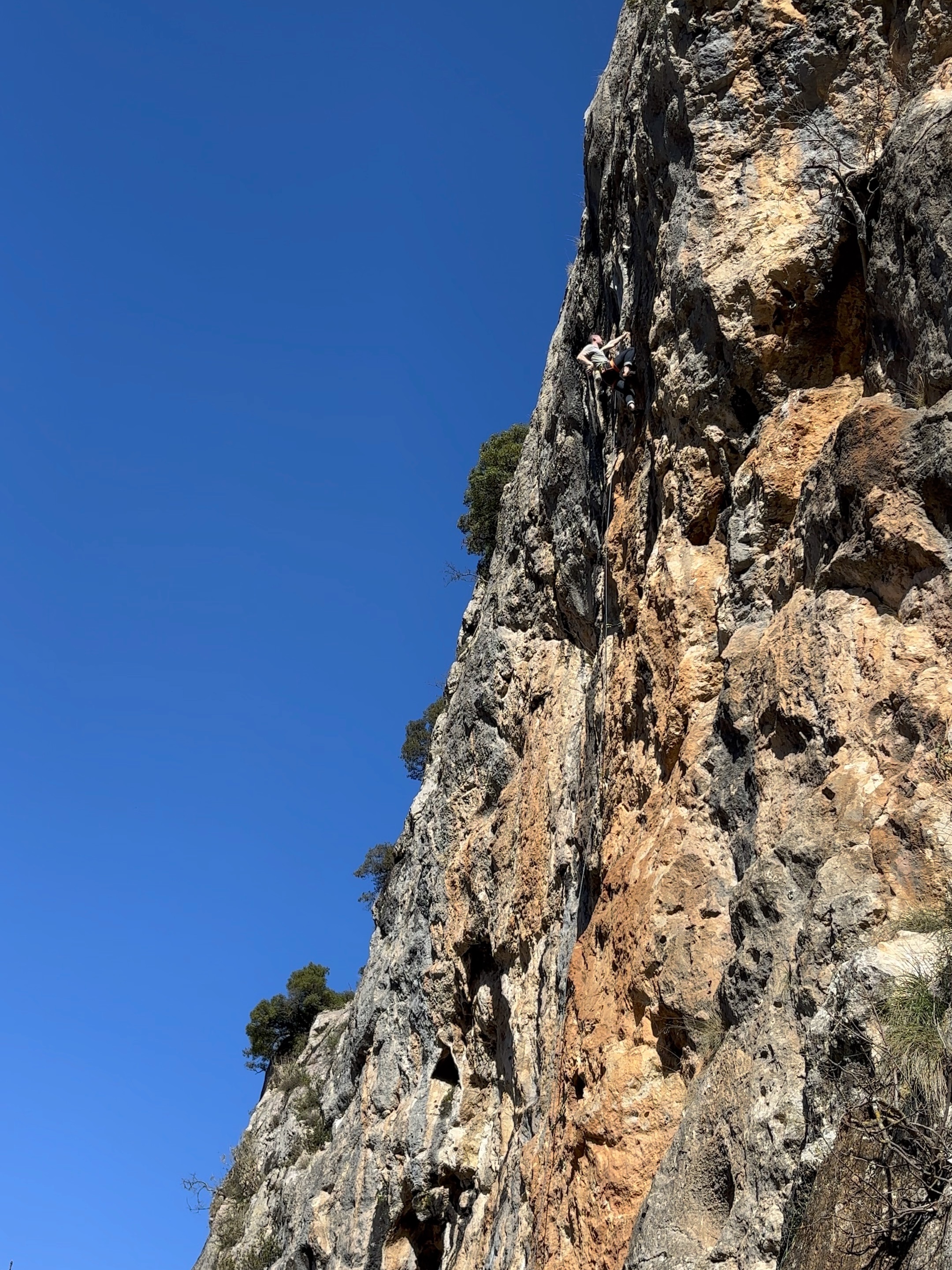
Weather and Climbing Season in Albania
Albania is the sort of place where you may be able to climb at any time of year. For example, in the depths of winter on a sunny day by the coast, or on a hot summers day, in the shade in the mountains. However, if you want to make the most of your trip and ensure the best chances of good weather, visiting in spring and autumn is highly recommended. For spring, the later end (April – June) is preferable, to give the tufas a chance to dry after winter. In autumn, September to November will likely yield the best conditions, if a little too warm at Gjipe in early autumn. We had all sorts of weather during our different trips to Albania, and even if tricky at times, we always managed to get a good amount of climbing done.
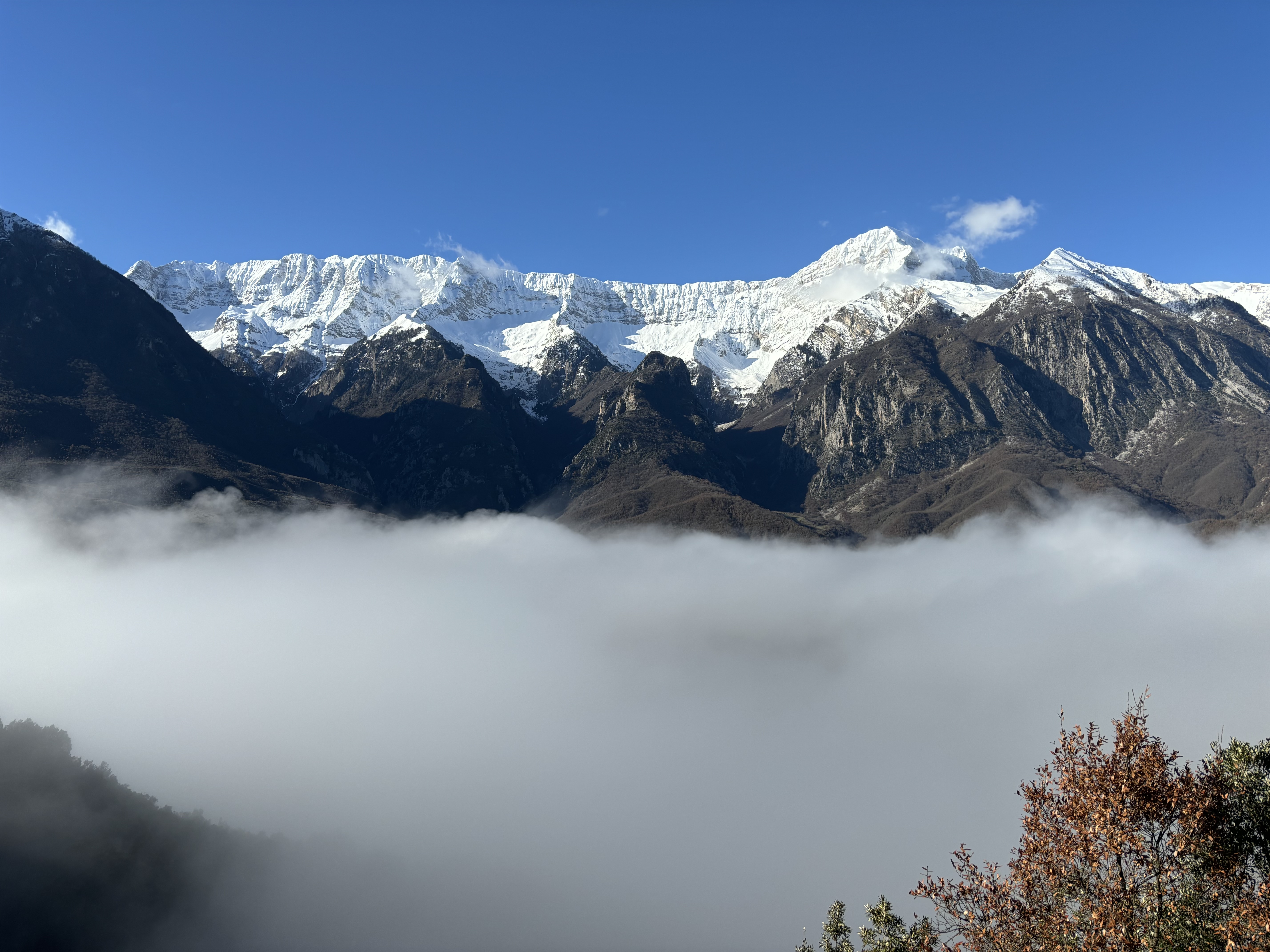
Below is a map of the different crags we climbed at in Albania so you can see where they are in relation to each other.
For simplicity, we have described the crags from north to south.
Climbing Recommendations
Tirana area
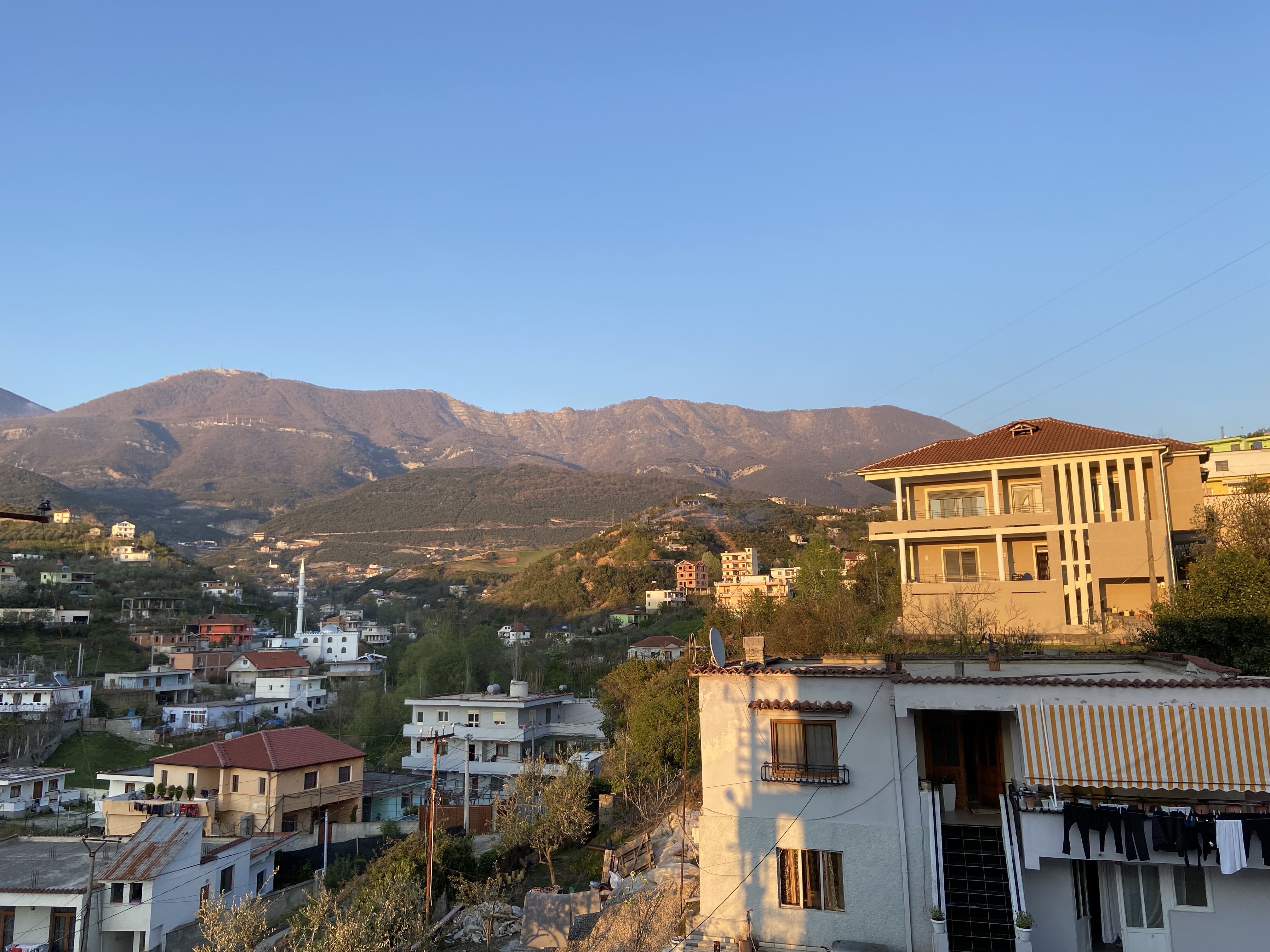
Within less than one hours drive of Tirana are the greatest number of developed crags in Albania, with most of these being less than 25 km from the city centre. Despite the proximity to the capital, you will soon be within the Dajti National Park, surrounded by beautiful mountains, in peace, away from the hectic city below.
We write for pleasure and climbing is our passion. Our articles will never be paywalled. However, if you would like to help towards the costs of running the site or if you have found our content useful, please consider contributing here. To read more about why your support matters, click here.
Bovilla
Bovilla is one of the largest climbing areas in Albania, with roughly 150 routes from 5 to 8b. The crag is situated next to lake Bovilla, a large dammed lake in the mountains behind Tirana with a beautiful turquoise blue colour. Bovilla has more lower grade routes than Brar, and unlike Brar, Bovilla is not one big crag. Instead, there are a number of smaller sectors scattered around the hillside by the lake. The rock varies from compact, grey and crimpy routes to steep tufa caves. The ‘Lakeside’ sector and the ‘Tufa’ sector, (as described in this GeoQuest PDF), have most of the best routes. The views across the lake are stunning and there are routes in the sun or shade so climbing is possible at different times of the year.
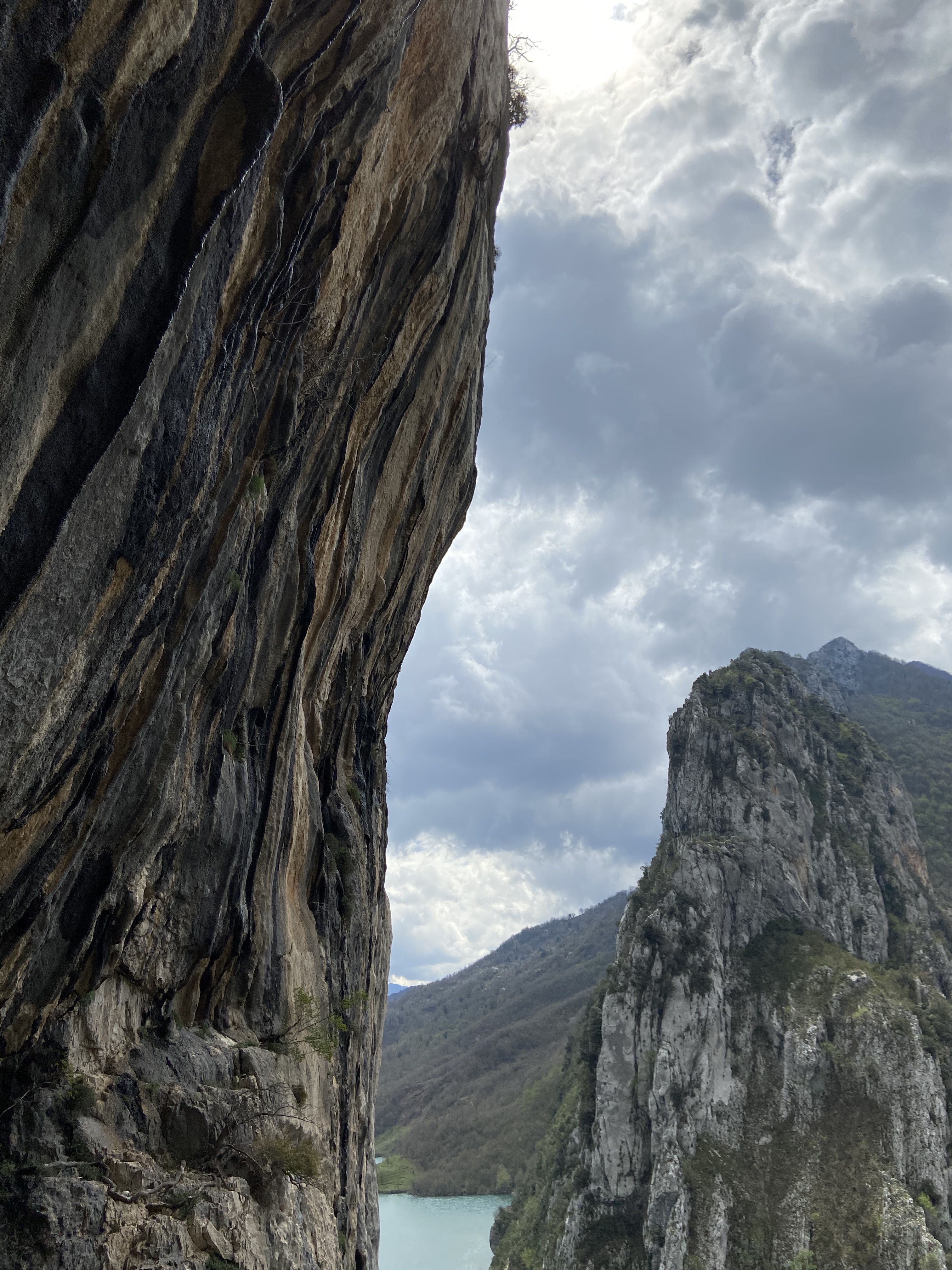
The road to get to the crag is a bit bumpy and slow, although a two wheel drive will more than suffice. The journey will take you a bit longer than you will expect, which is no problem other than you shouldn’t expect to climb here and in Brar in the same day, even though the sectors are close as the crow flies. When we first visited, the area was very quiet and felt slightly deserted. However, as climbing and general tourism has increased in popularity there are many more people visiting Bovilla and depending on the time you visit, you may have to pay for parking. Overall, we very much liked Bovilla, it perhaps doesn’t have the world class routes of Brar, or the serenity of Shkëmbi Bilbilit, but it has many nice routes to choose from and should definitely be on your list of places to visit.
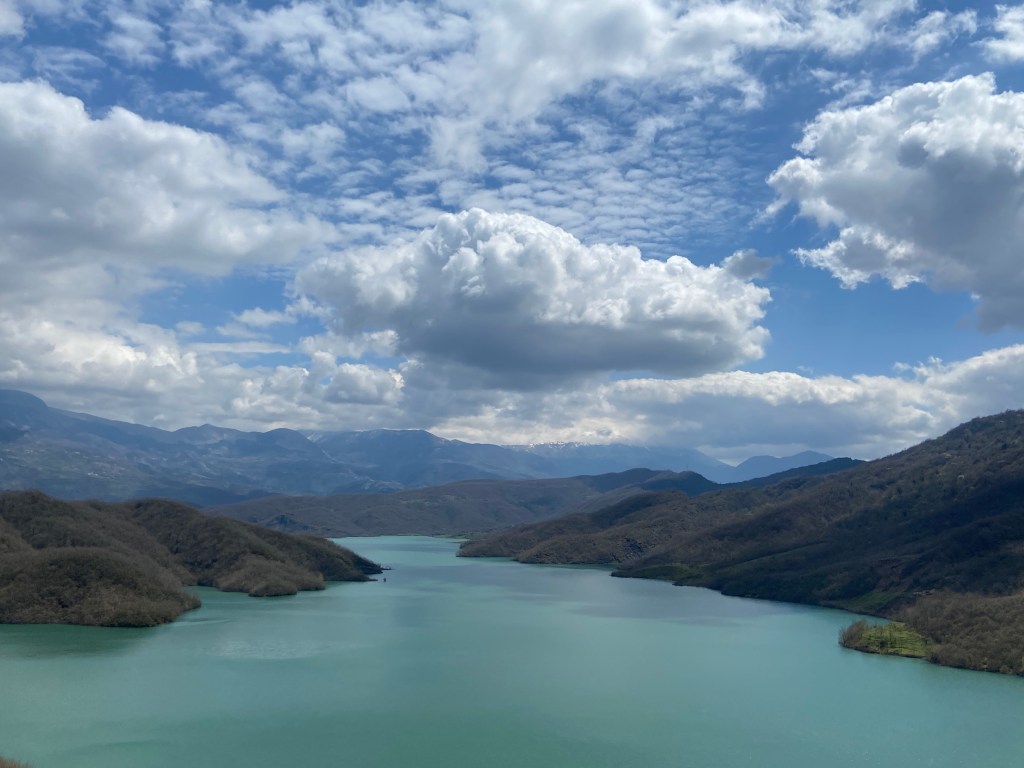
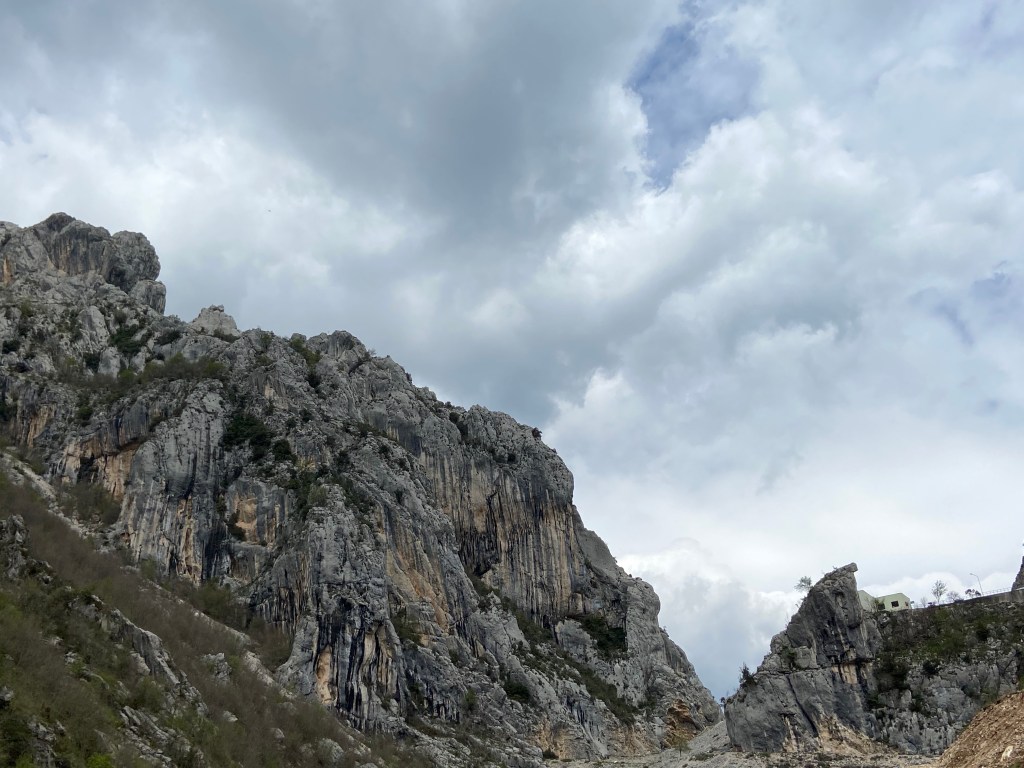
A scenic place to climb, with loads of rock!
Brar
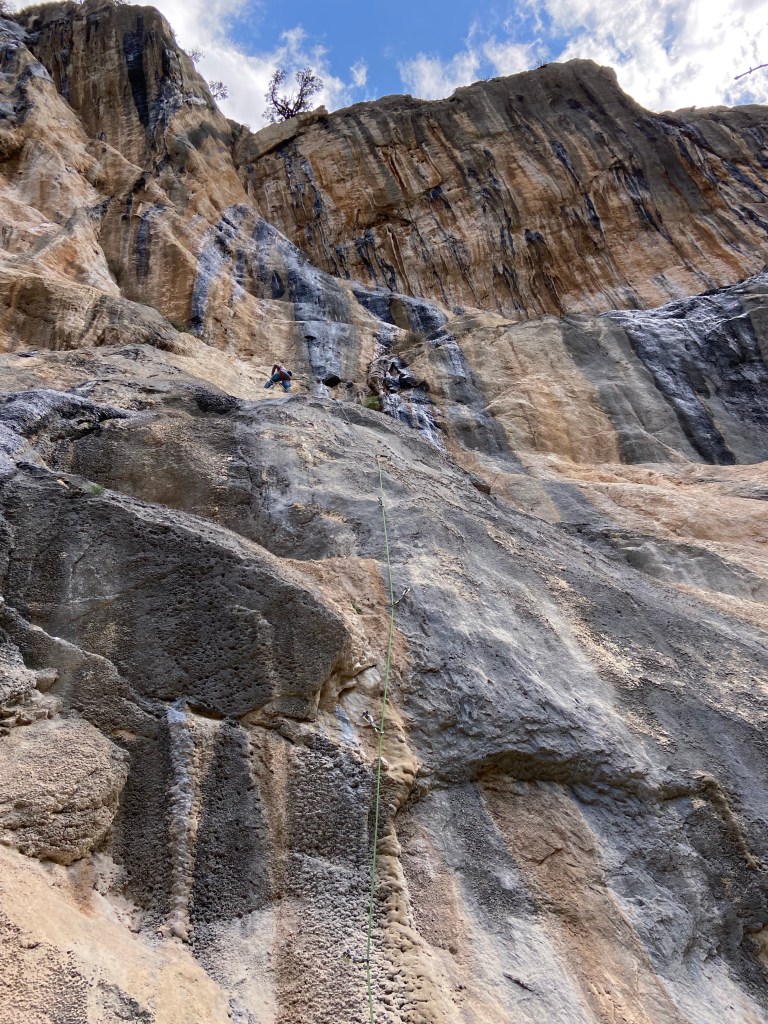
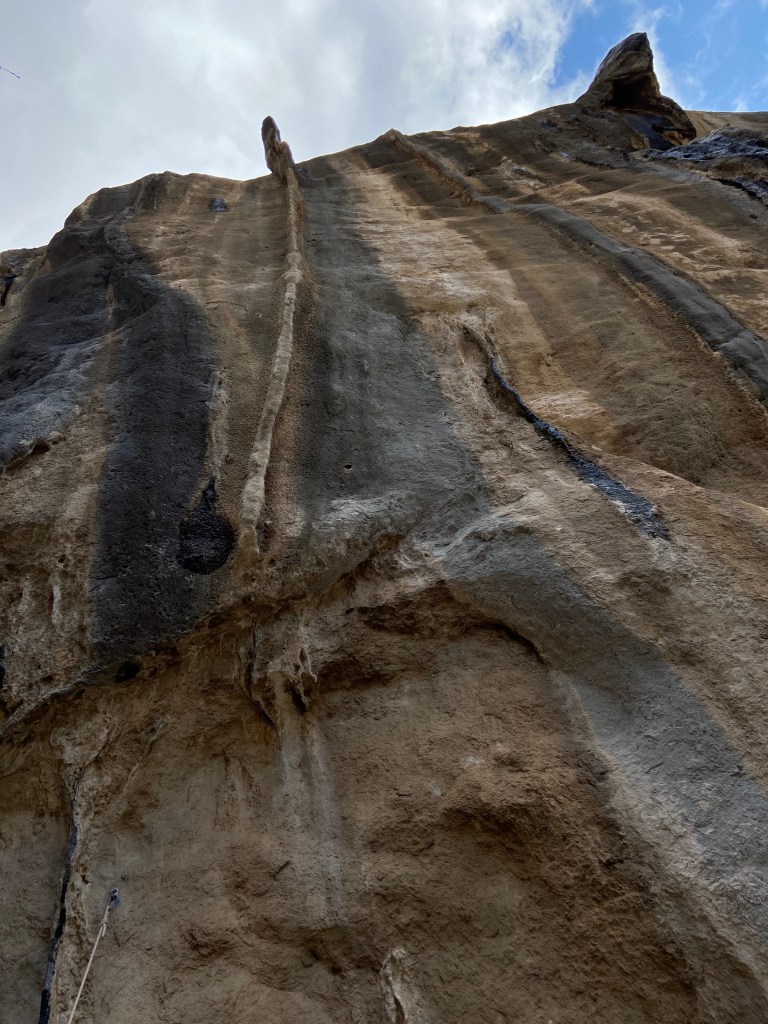
Brar is an amazing cliff. The scale and quality is very impressive, as soon as you arrive you will be greeted by a huge, steep crag dripping with tufas. The rock is of excellent quality and there are many stunning lines. One of the few negatives of Brar is that it is a very hard crag, it is even home to a 9b, the hardest route anywhere in the Balkans. There are a selection of good routes between 6c and 7b, but the majority of routes will be above 7b. Even if you climb lower grades, don’t be put off entirely, there are enough easier routes to make Brar worth a couple of visits. Whilst it is the case that you won’t cruise the full height of the cliff on tufas in the lower grades, the rock quality is still good regardless. The crag can be prone to seep badly after rain. We have mostly visited Albania in the spring, and many of the routes were wet and can take a while to dry out. This wouldn’t be a problem if you were visiting in the Autumn, but after a winter of rainfall you shouldn’t expect all the tufas to be dry.
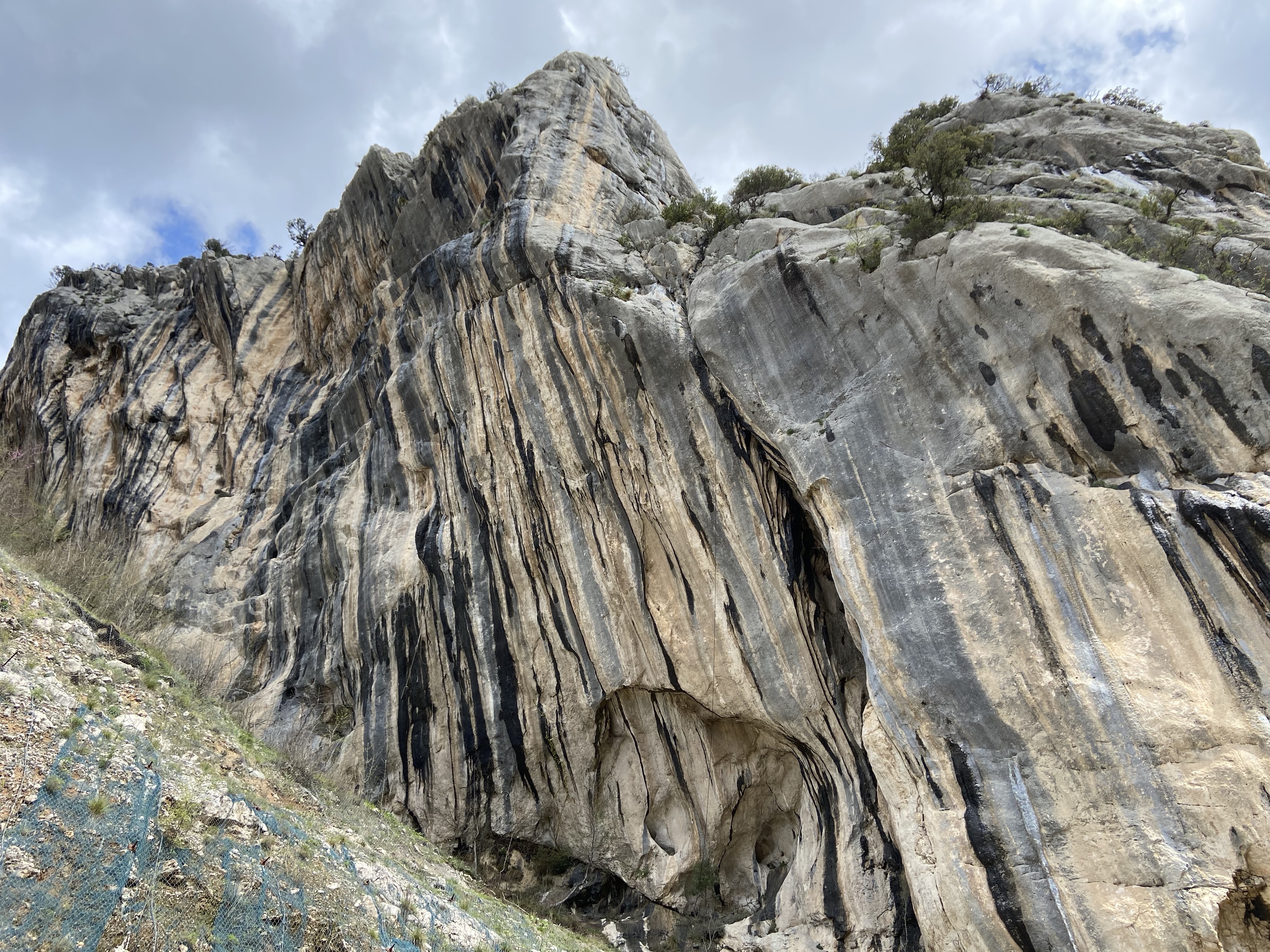
It is hard to overstate how impressive the rock is, there are so many stripes of vibrant coloured limestone, with tufas of all shapes and sizes. On some of the easier routes, the water drops from above have eroded hundreds of pockets in the rock giving it a deep honeycomb effect, which is quite different in its own way from other water pocket routes. The approach to the crag is very short, the road is right beneath. A tunnel actually goes through the part of the crag that once lay across the road. The typical way to approach is by scrambling up the steel netting that has been draped across the hillside to protect cars from rocks – quite a novelty! Brar has almost 60 routes, from 6a to 9b, and is a world class sector – especially for anyone climbing in the 8s and above.
Shkëmbi Bilbilit
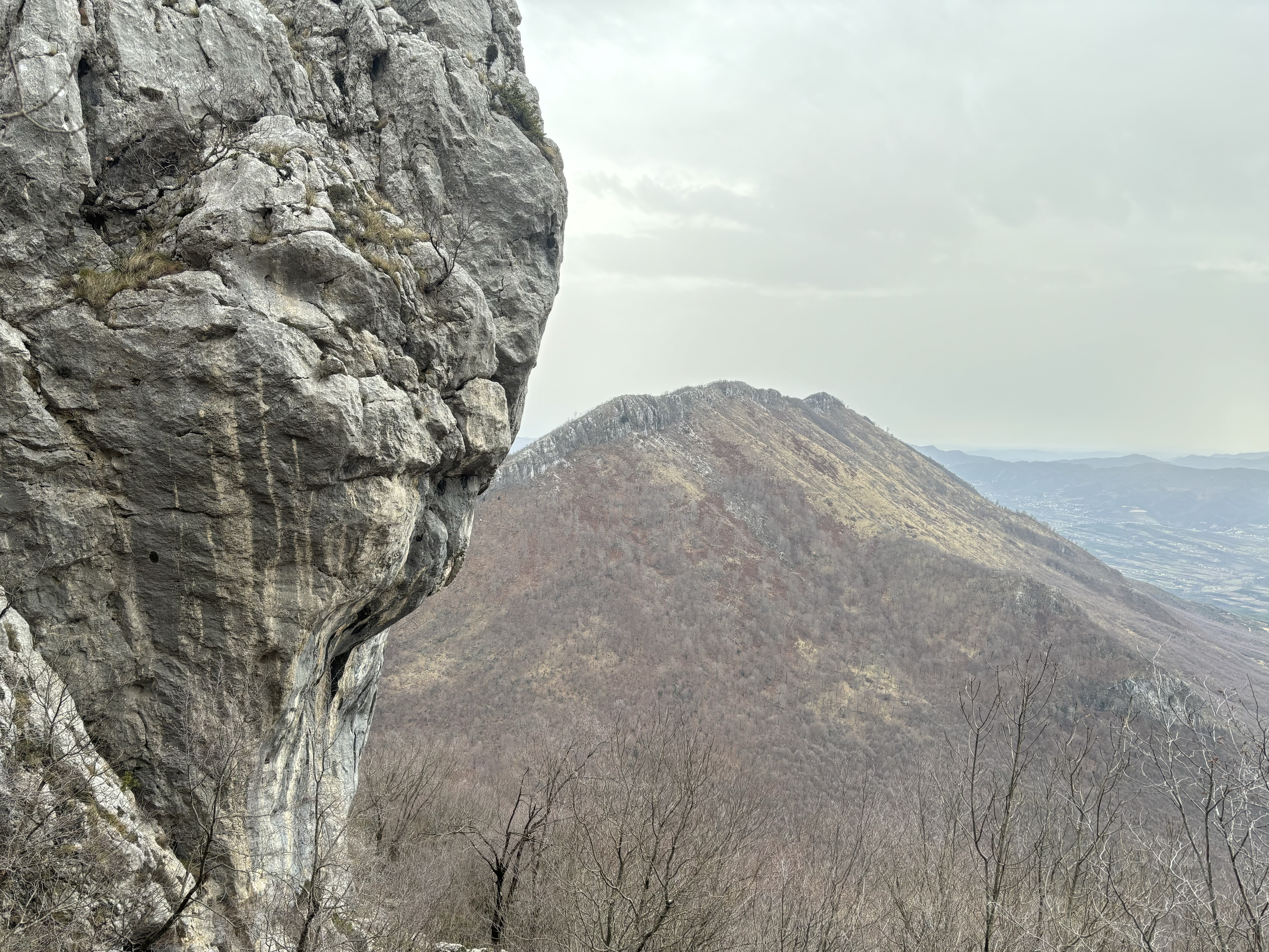
Shkëmbi Bilbilit is one of the newest crags in Albania, having been developed in 2023. The crag is set high upon a mountain ridge, in the Dajti National Park. The walk in to the crag is relatively long, around 45 minutes, but after an initial hilly section it is mostly quite level and has some great views. Once you arrive at the crag, the area feels very tranquil and you are secluded in a beautiful section of forest. There were even some scratch marks left on trees from some bears that seemed to have been in the area a while ago. Regardless, as soon as we saw the crag and the quality of the rock, we knew the walk in had been well worth our time. The rock is beautiful grey limestone, very compact and well weathered by the elements, perhaps not surprising as the crag is at 1,250 meters elevation.
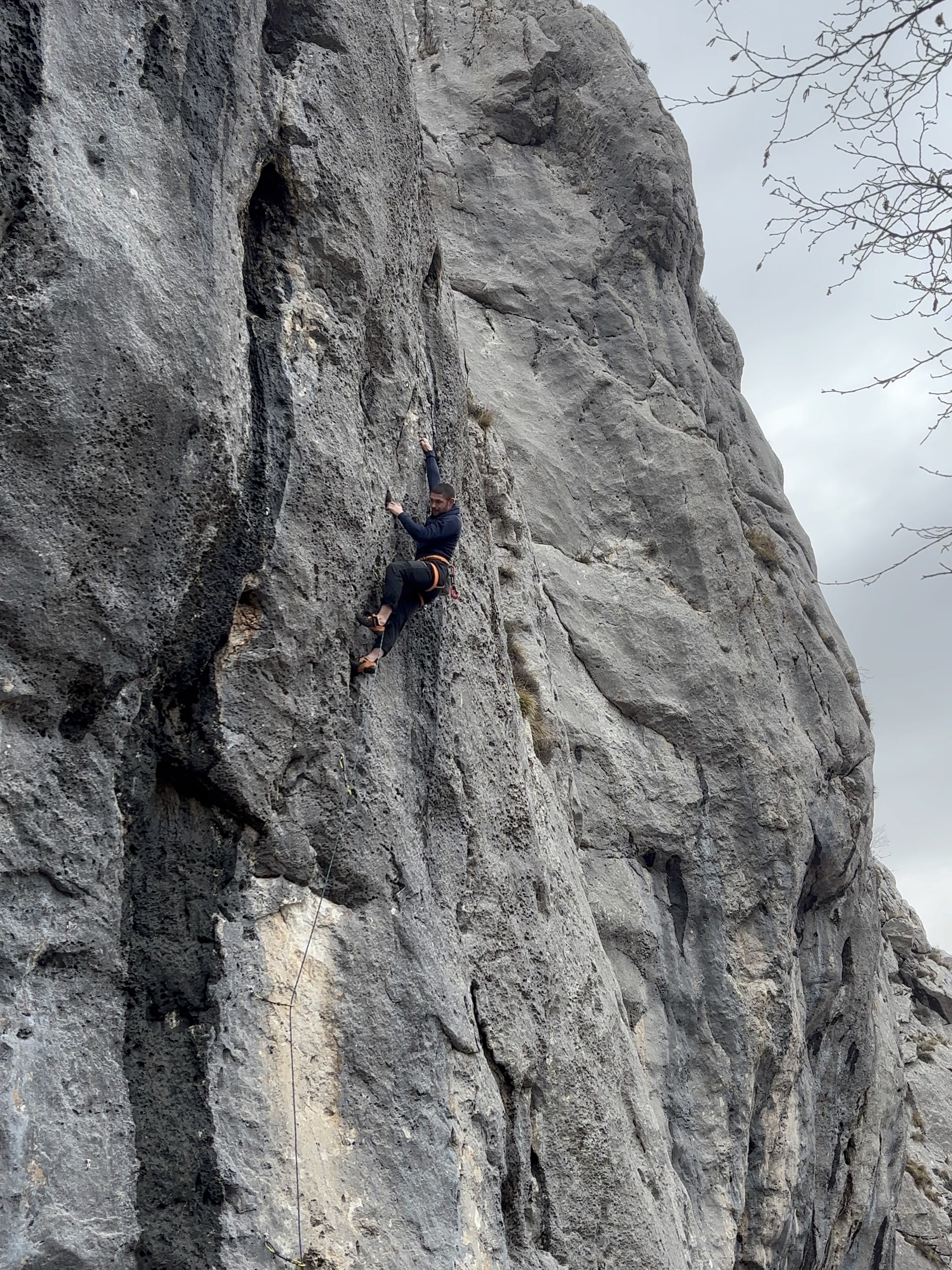
The climbing was very good, although we will say the routes felt quite hard for the grade! We’ve always found the routes in Gjipe to be quite soft on the whole, and Shkëmbi Bilbilit was the reverse, although perhaps it is a style thing. We found the bolting to be generally good, and we were very impressed by the quality of the rock. With this being a new crag, which doesn’t seem to have had many ascents, we had expected some loose or crumbly sections. However, everything we climbed was very solid and of a high standard. It is also great that the crag has a variety of angles: it isn’t just the typical grey slabs, there are also plenty of steep and very overhanging routes. Currently, Shkëmbi Bilbilit has over 30 routes, with grades from 6a to 8a+. It really is a great crag, well worth visiting and even though it has less routes, it holds its own quality wise among the other crags of Tirana.
Krraba (Krrabë)
Krraba is another of the newer climbing areas in Albania, somewhere that hadn’t been bolted when we first visited several years ago, but now is a blossoming climbing area that has become one of the most popular in the country. Krraba has a couple of smaller sectors, but the main event is the Cyclops cave. The cave, and the walls outside it, have the best routes in Krraba. There are some nice tufas, steep juggy routes and also some easier ones that go to the first anchor on the more vertical, lower walls of the cave. The rock quality was mixed, there are definitely some sections of excellent rock but also some routes that are a bit crumbly and not so good. You will be able to climb many routes here during the rain, but bear in mind that depending on the season, some lines may be seeping.
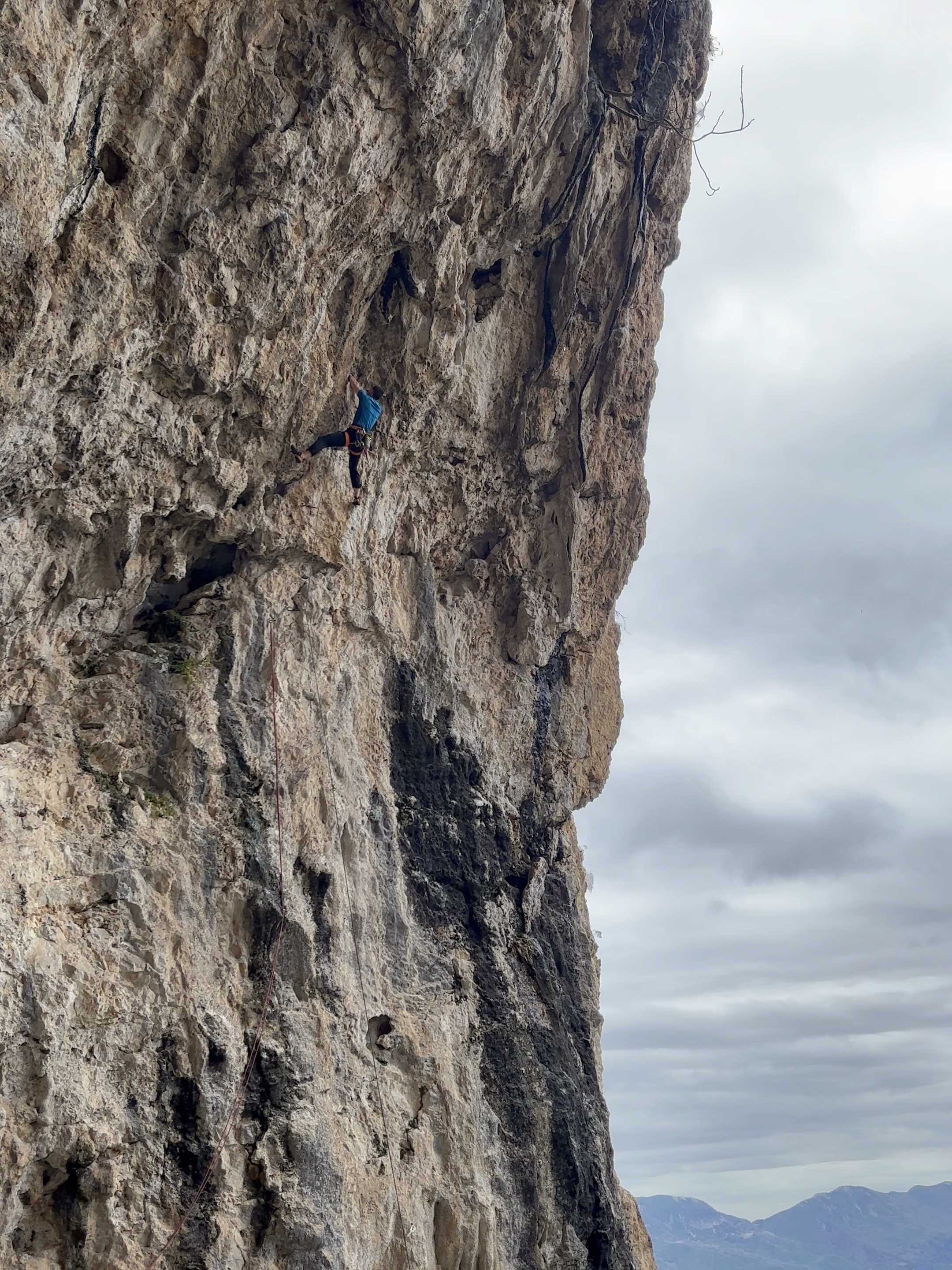
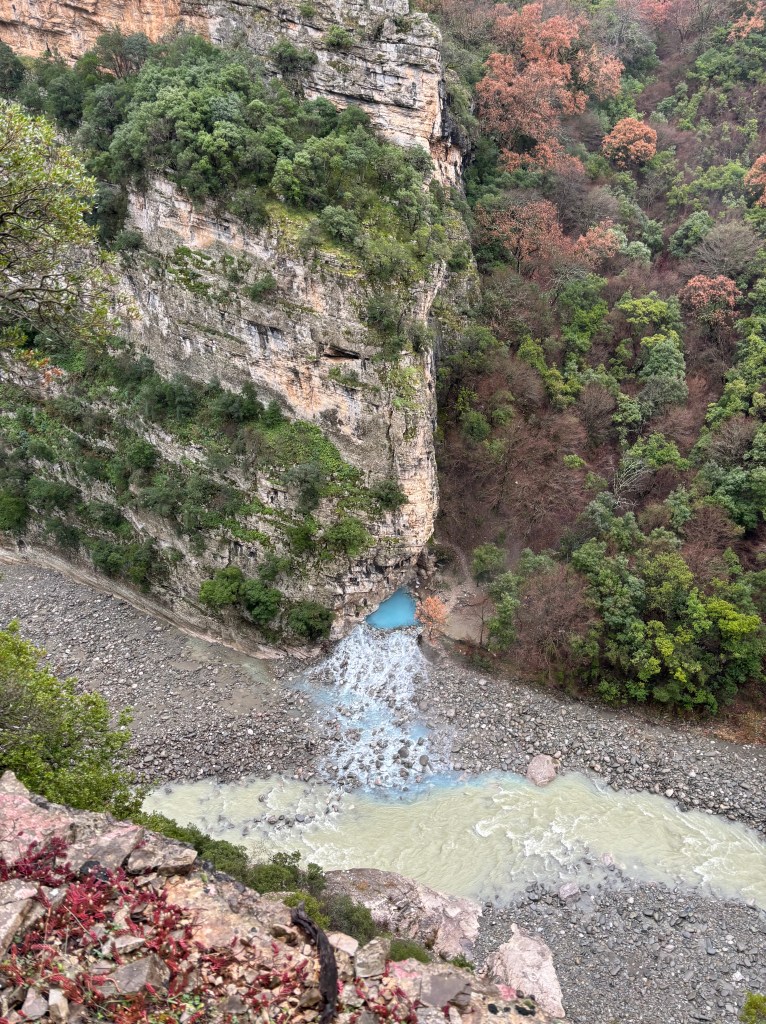
The surrounding area is very beautiful and peaceful, especially considering how close you are to Tirana. There is a very friendly local man who lives near the crag, who likes to meet climbers and chat, which is really nice. Nearby, is a cyclops eye waterfall pool, which is in the bottom of the canyon below the climbing. There are many signposts for this, but don’t mix up the cyclops crag with the pool of the same name, as they have different approaches. You can also find a few routes down by the pool, as well as plenty of cliffs in the surrounding area for potential new routes. Krraba has almost 130 routes, with grades from 5 to 8b. We liked Krraba as a place, but it is fair to say that the tufas at Brar are better, and that Bovilla arguably has better easier routes. However, the beauty of the area, the location of the crag and the hiking opportunities are better at Krraba – so we definitely still recommend visiting.
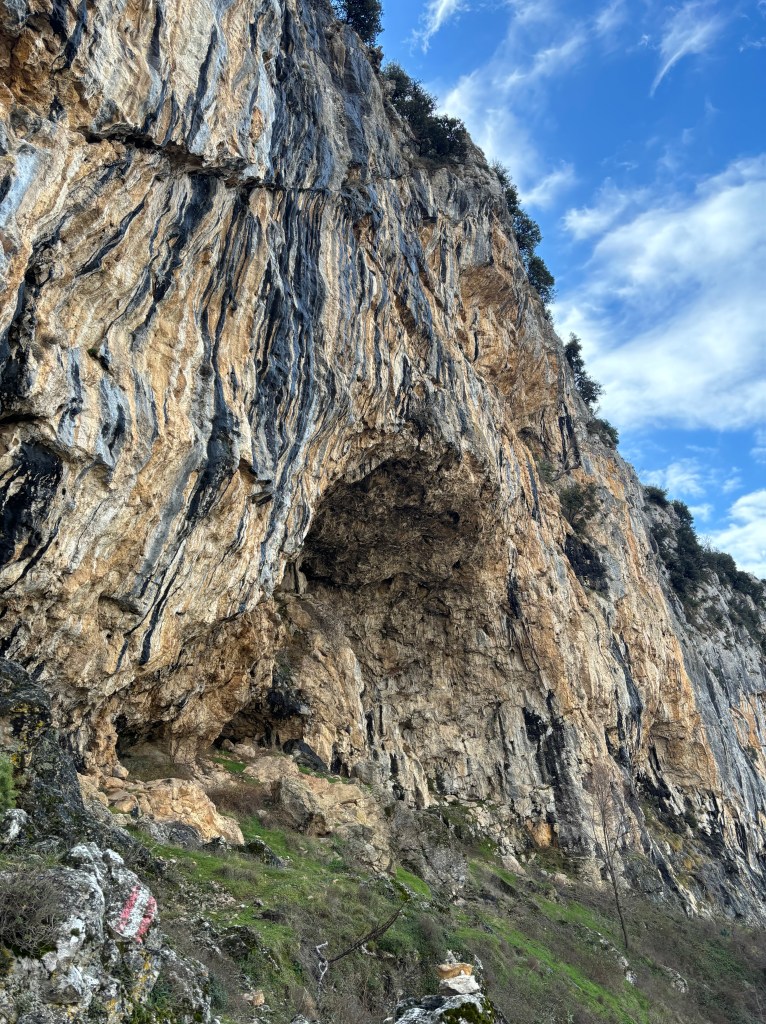
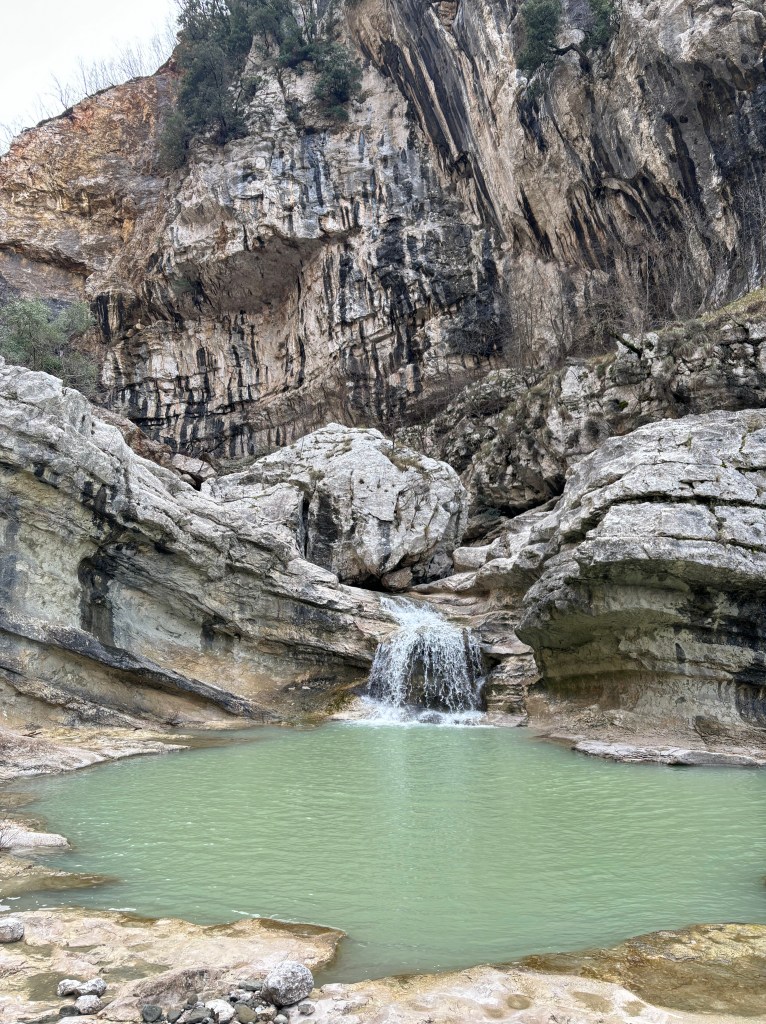
The two Cyclopes
If you find our content useful please consider subscribing:
Southern Albania
Përmet
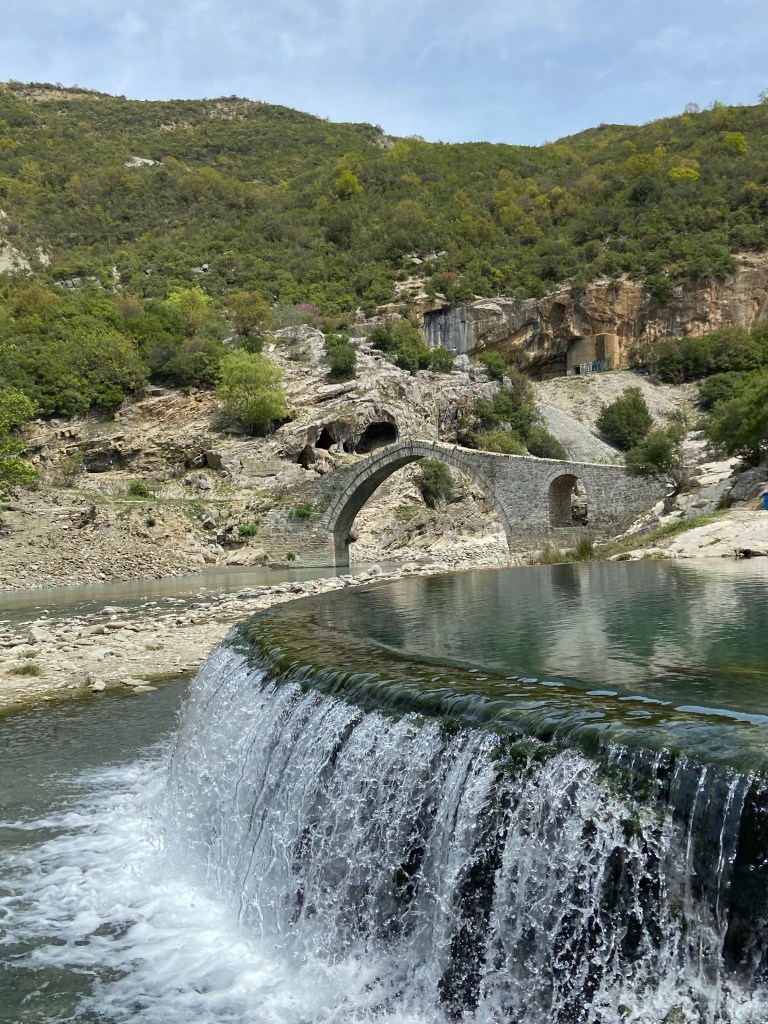
Përmet is one of the smaller climbing areas in Albania, but in a very beautiful and interesting location. The climbing is actually not in Përmet, but in Lengarica canyon, which is only a short drive away. The cliffs are very beautiful and have formed many interesting shapes. The actual climbing routes are in the base of the canyon, and if the water level in the river is too high you won’t be able to access them. Walking around the sides of the canyon on trails shows that there are many smaller but appealing crags that could yield some nice sport routes, some of these even stay dry in the rain. There are 14 routes currently developed in Lengarica, with grades from 5 to 8b, and a topo can be found on GeoQuest. As there aren’t many routes, and the access is a bit tricky, Lengarica is not popular with climbers and is one of the quieter crags in that sense.
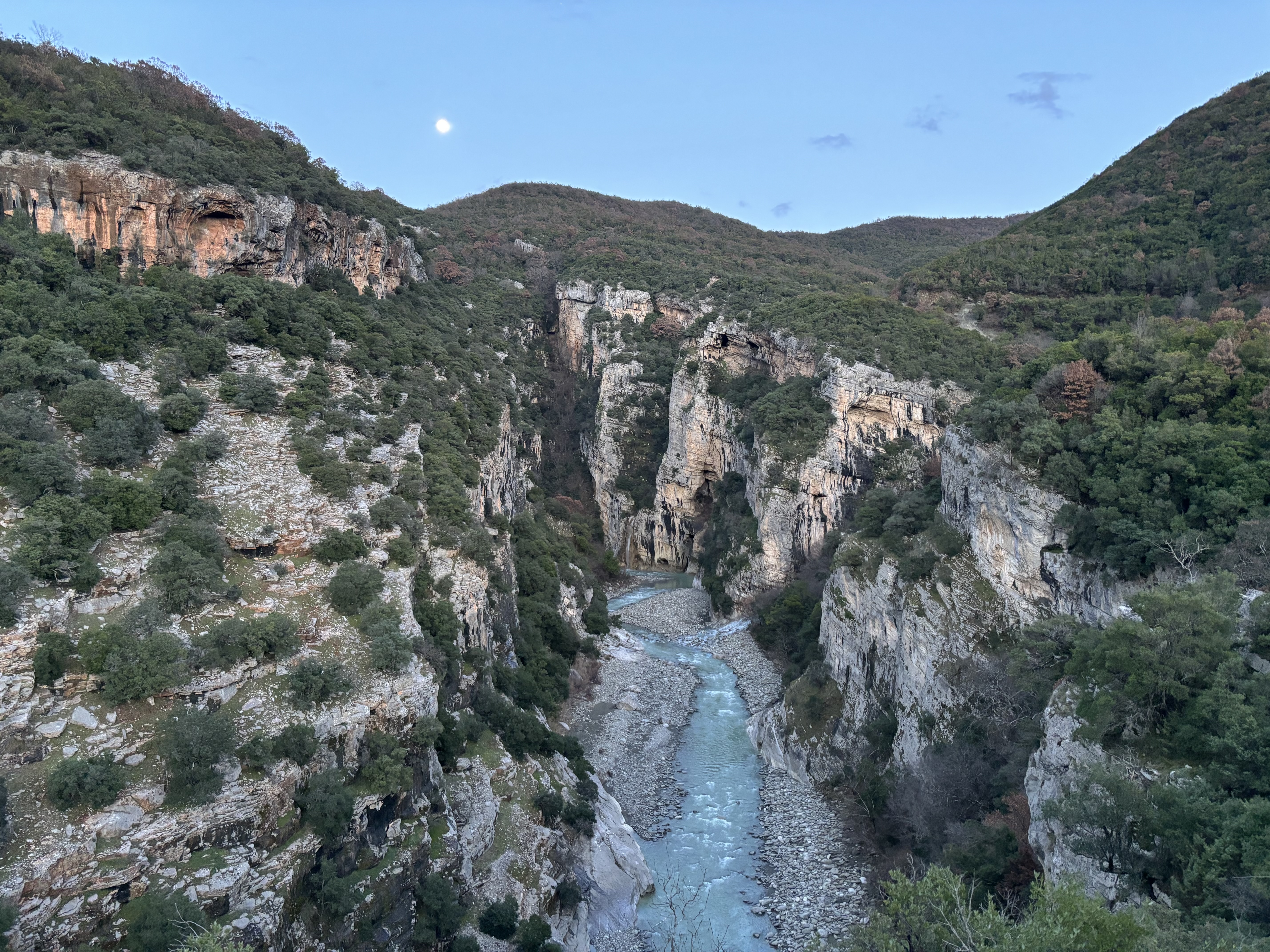
Lengarica is also known for its delightful thermal springs, and its beautiful 18th century stone bridge. When we first visited this place, it was very low key, it clearly received visitors, but nothing out of the ordinary. Returning in 2026, we were shocked to see the area has been somewhat spoiled by overdevelopment of tourist infrastructure, in a very unsympathetic way. The original charming thermal pool by the bridge has been bulldozed to make way for a huge concrete sided tub. The old gravel parking lot is being tuned into a huge visitor area. It was a shame to see, however we did find some interesting tips to help climbers enjoy this still beautiful place. Firstly, you can park for free, and be close to trails that lead to the bridge, hot springs and into the canyon for climbing, here. Secondly, you can find a better, more natural and quieter thermal spring further up the canyon, here. Whilst not quite what it was, it is definitely still worth visiting, especially if you avoid the chaos of the newly developed area.
Gjinkar
Gjinkar is yet another new crag developed in Albania. This recent bout of development has been fantastic and some truly excellent routes have been born out of it. A crag like Gjinkar shows how bright and exciting the future of climbing in Albania will be. Gjinkar is set in a very quiet and peaceful area, near a small village and with beautiful views. The climbing is spread across two crags, within a short distance of each other. Gjinkar has around 30 routes, from 5 to 7c, and is truly a great addition to Albanian climbing.
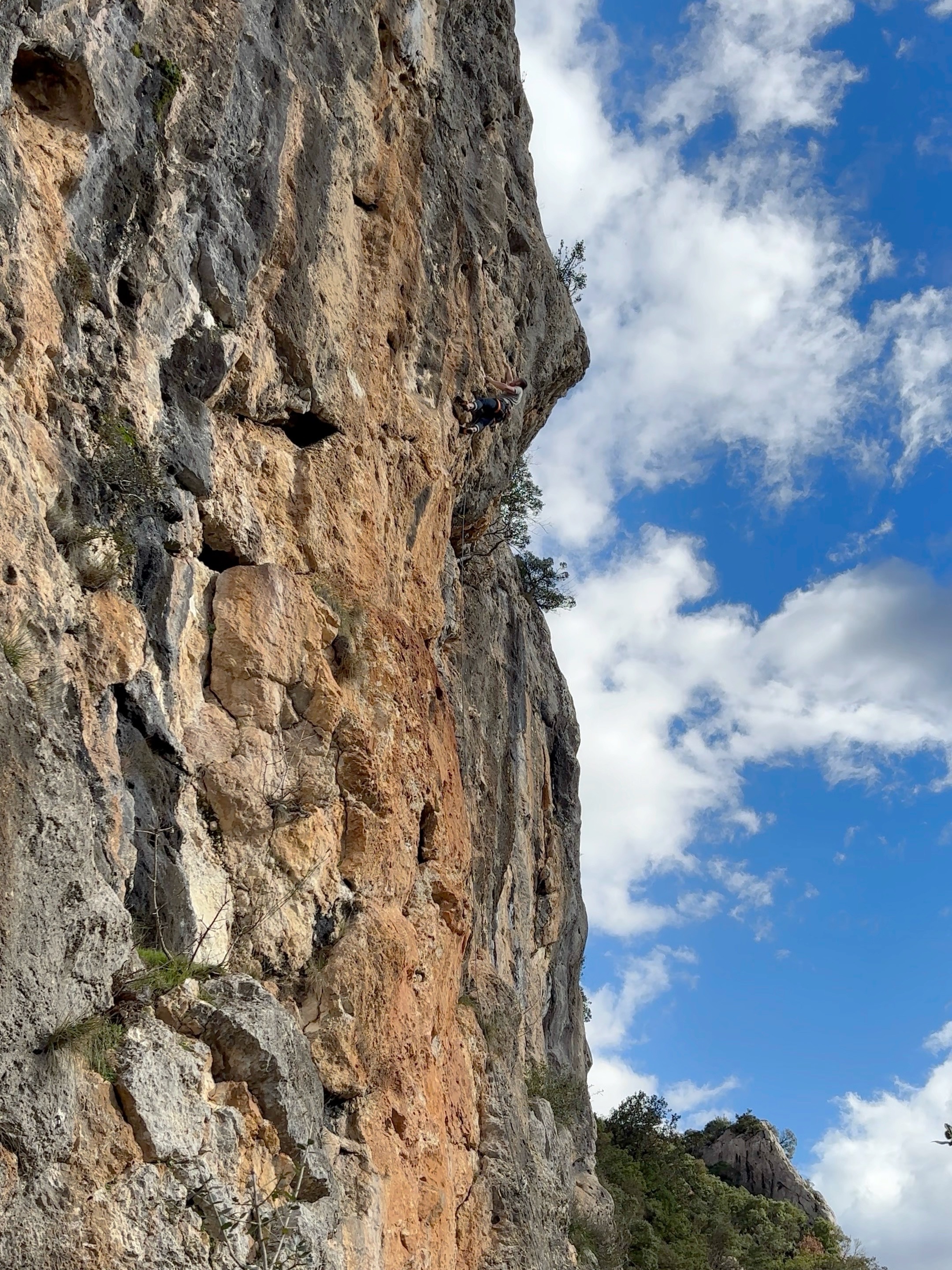
What surprised us most with Gjinkar was the quality, both the quality of the rock as well as that of the routes themselves – in terms of moves and development. The rock is very solid, with beautiful orange rock in the bottom half of the crag which generally transitions to equally excellent grey rock at the top. The routes are up to around 35 meters and are generally well bolted. Many of the routes have both technically devious and physically demanding moves – they are just superb and some of our favourites from anywhere in Albania. In fact, if you take a 7a like Delvine or a 6c+ like Lipe, you may struggle to find a better route at the grade anywhere in the Balkans. It is a great crag and you should make sure not to miss it.
Gjipe
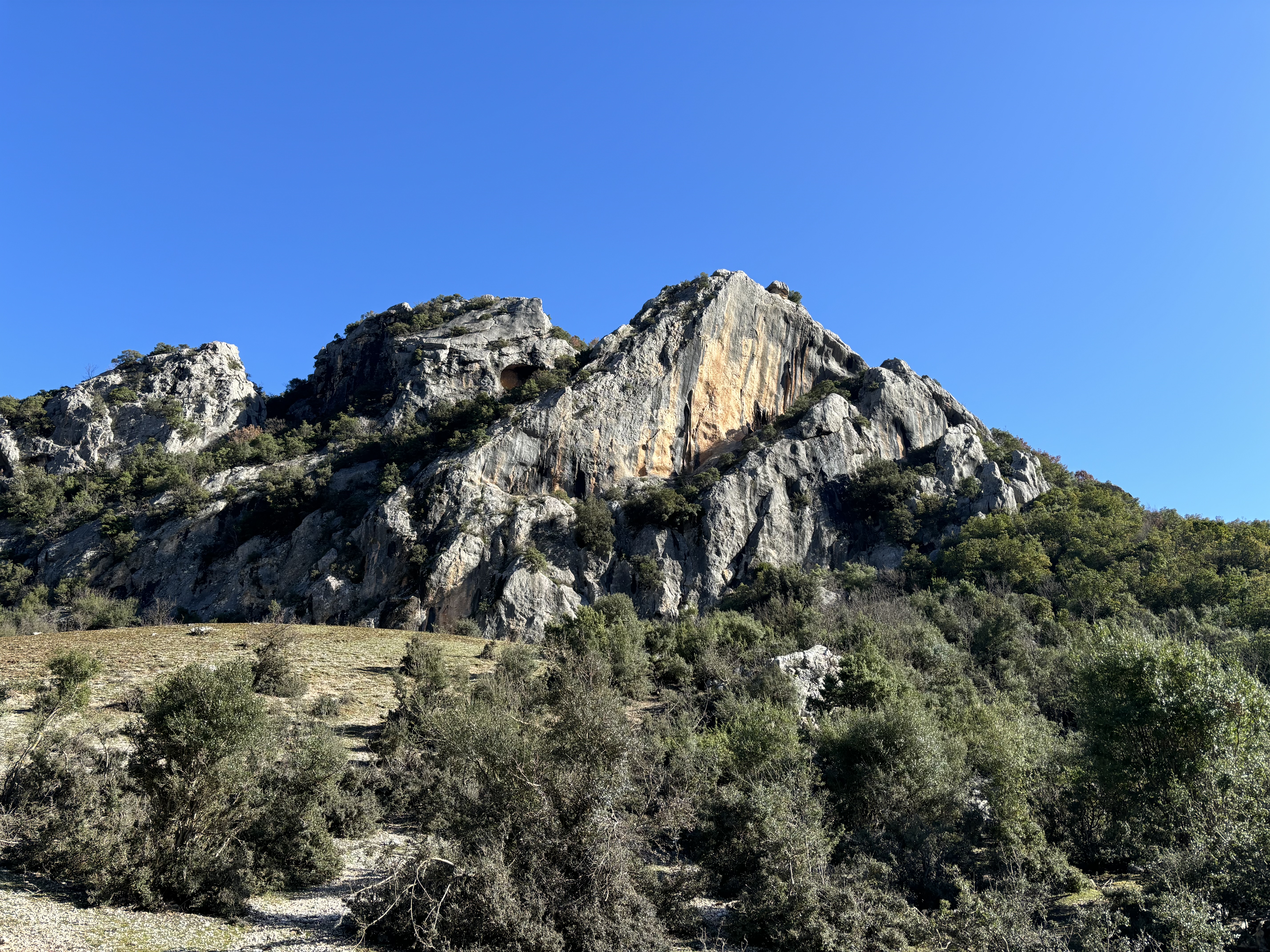
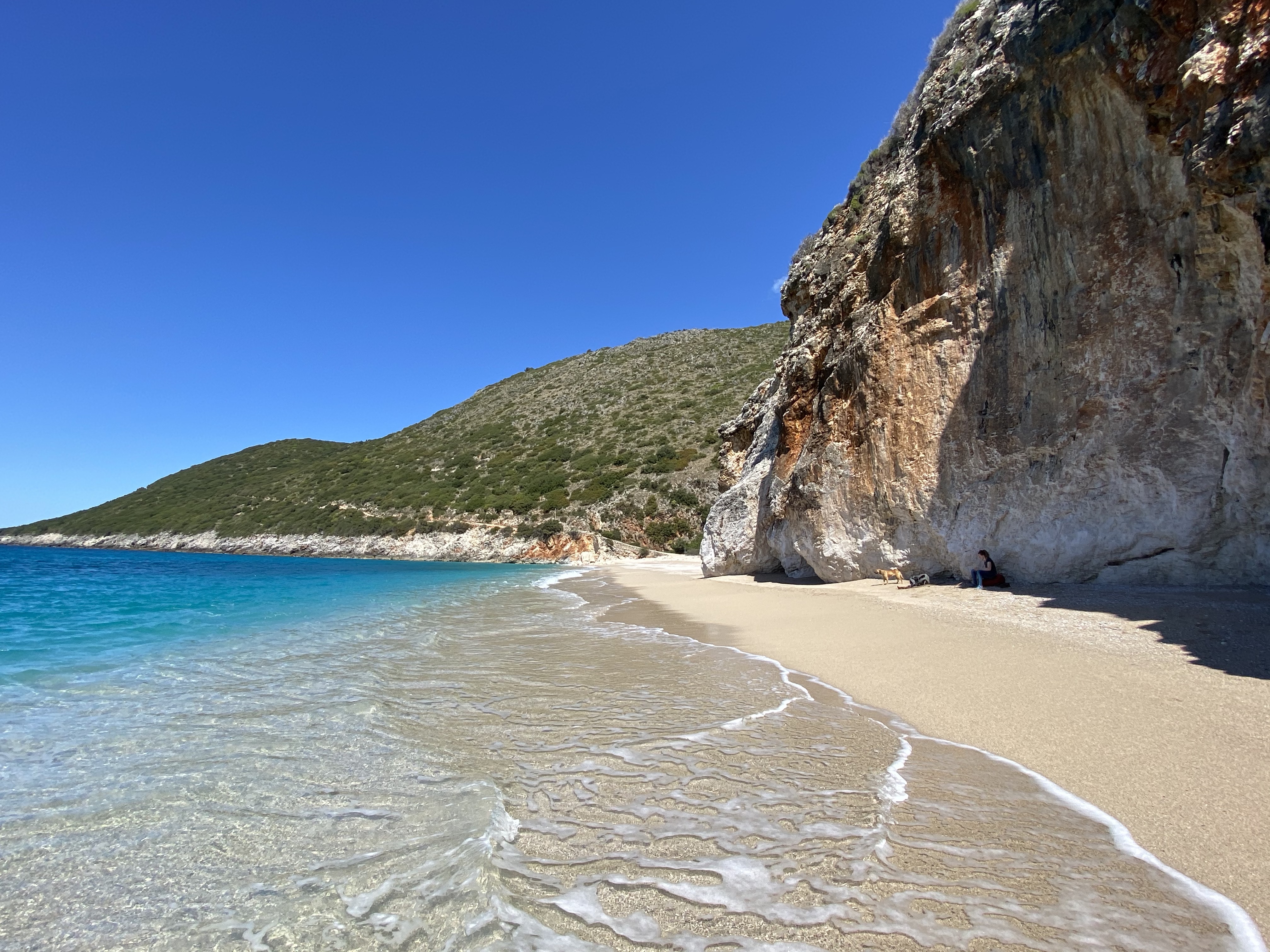
Gjipe is one of Albania’s largest and most significant climbing areas, owing to its blessed geographical location, with a large beautiful canyon only a short distance from a scenic pebble beach. When we first visited Gjipe, it was like a paradise. A relatively unknown, unspoilt and natural place with endless charm. We must say, that wasn’t the situation for our latest visit in 2026. There was trash, abandoned vehicles and all sorts of junk everywhere. The amount of litter and pollution both at the mouth of the canyon and on the beach was really disappointing. Clearly, Gjipe has become a victim of its own success. Hopefully, the future will see more effort put into looking after this stunning gift of nature. We will now discuss the climbing in Gjipe, but felt we must be honest about the reality of what the area looks like now compared to how it once did.
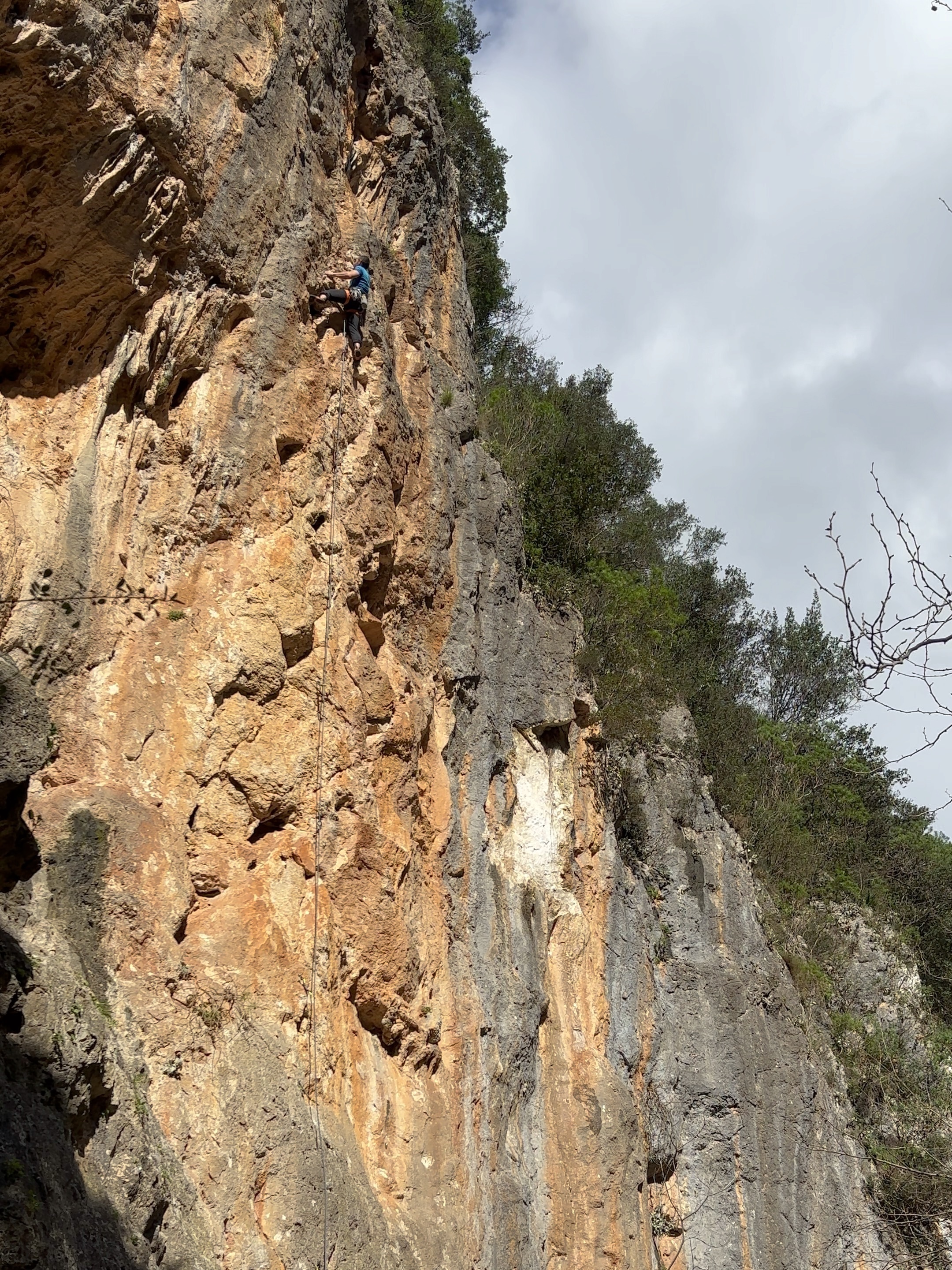
The postcard perfect crag right by the beach, whilst a gorgeous place, is not safely climbable at the moment, so focus all of your efforts on the canyon. The good news is the canyon is great, and has many excellent routes and some brilliant sections of rock. Approaching the canyon has become a little more difficult than it used to. There is a campsite in the area which is on private land and the owner really doesn’t seem to like climbers, something we aren’t the only ones to experience. It is allowed to camp on the beach, or there is the campsite – but it’s hard to see anyone choosing to stay there when the owner is hostile to climbers. The best way to get to the crags is to walk up the stream bed until you are past the campsite, and then walk back to the sector of your choice. The parking area at the top is paid for and you can pay extra to sleep there too, if you want.
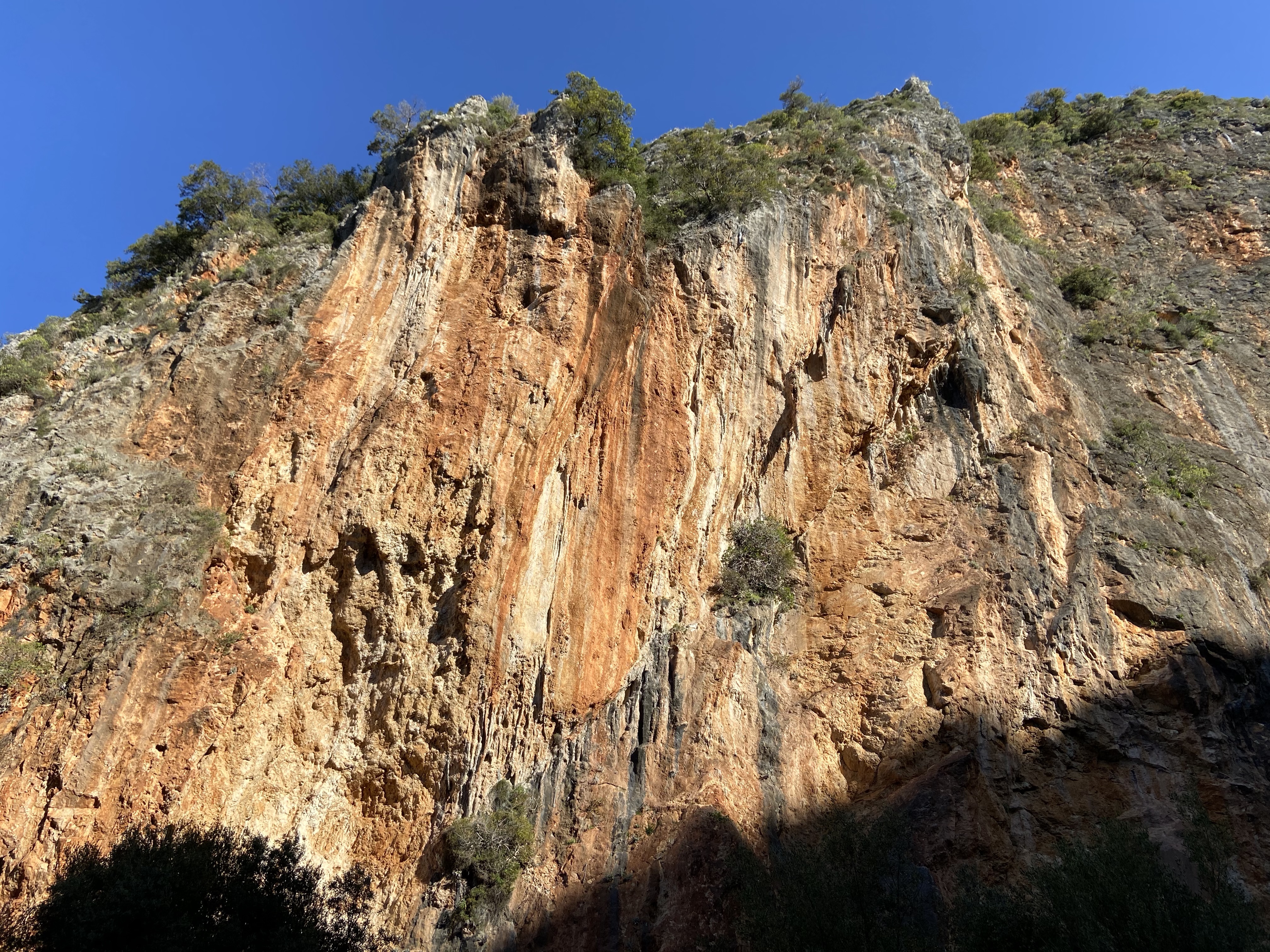
Great rock and great water
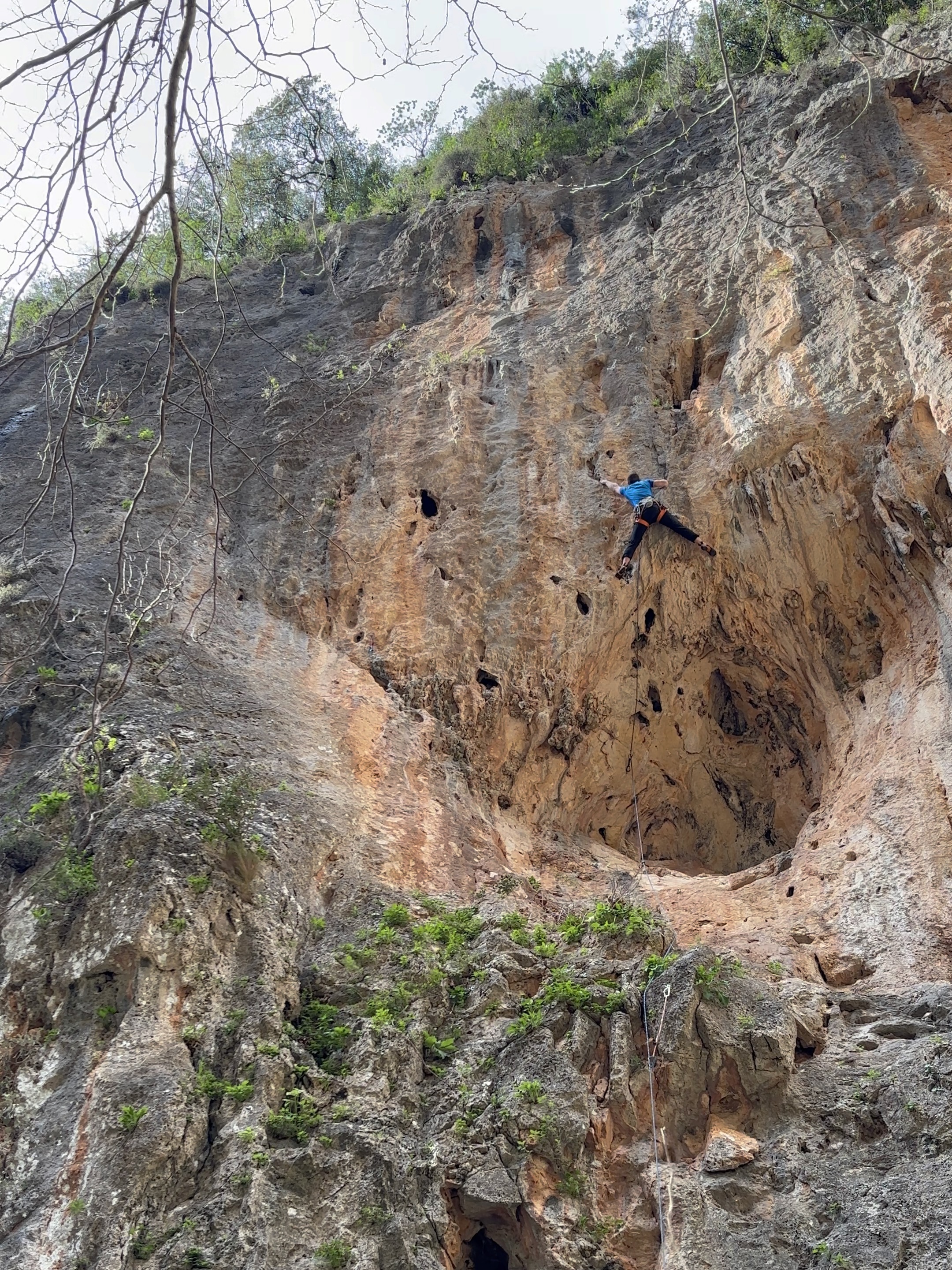
There are around 100 routes in Gjipe, from 4 to 8b, and the cliffs have not yet been exhausted. The routes are generally well bolted, and for the most part, the bolts are still in good condition. There are definitely some older rusty bolts as well, so treat those with extreme caution. The rock is generally very good quality, but it is true that there are some sections where it can be loose, and there you have to be careful. The newer routes at sector KP’s garden were our favourite this time around, the rock was some of the best in Gjipe, very fun to climb on. We also liked sector Rio and thought some of the 6s and low 7s there were great and well worth climbing. Overall, we do still rate the climbing in Gjipe very well and there is nothing at all wrong with the cliffs or the majority of the routes. We would be happy to return again one day, but not in a rush and not until the situation with over tourism and pollution on the beach has settled down.
Rest Day Activities
History/Museums
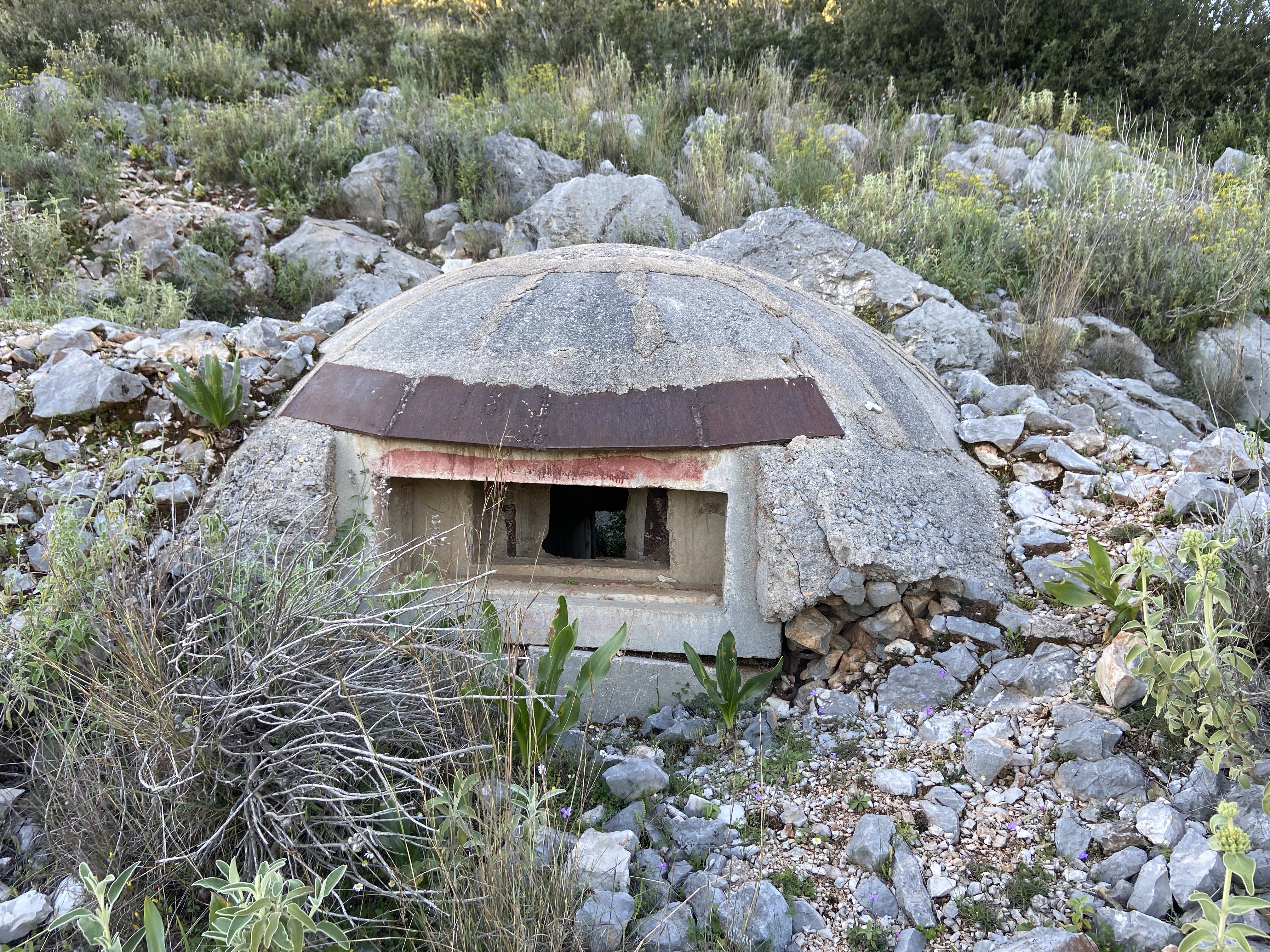
You can’t go too far in Albania before bumping into small concrete bunkers built by their former communist leader Enver Hoxha between the 60s and 80s. There are over 173,000 of these bunkers in Albania. The bunkers provide an interesting opportunity to learn about Albanian history and the things that have influenced the country you see today. The bunkers tell a story of a leader who was paranoid and extremely isolationist, and who cut off Albania from the rest of the world, allies included. Whilst you can have a peek in a bunker almost anywhere, the best place to learn more is in one of the BunkArt museums in Tirana. We visited BunkArt 2 in the centre of Tirana, which does an excellent job of educating you about this very important period in Albanias history.
Coast
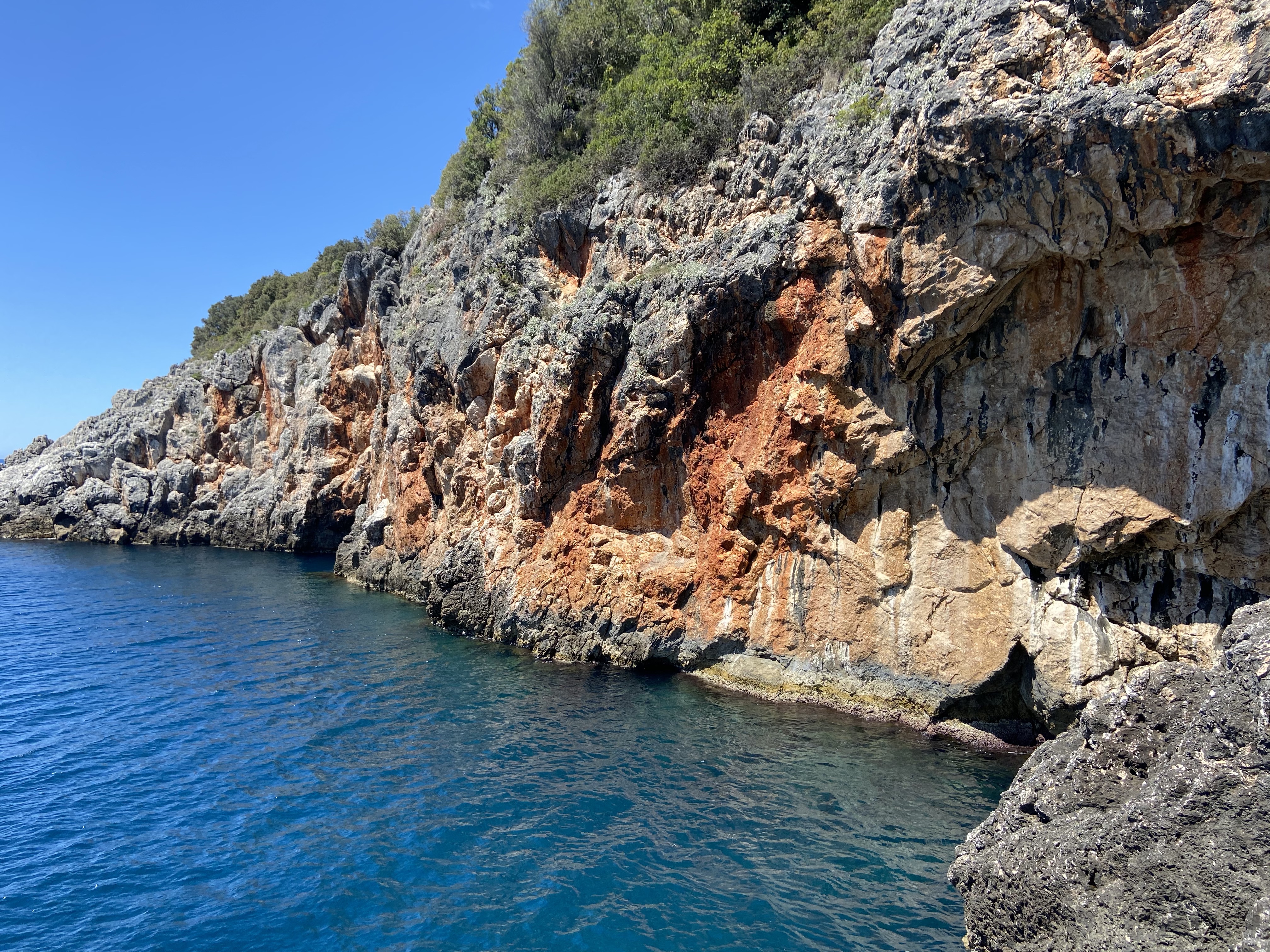
Albania has a very beautiful coastline, with many famous beaches and hidden gems alike. The water is often the azure blue colour you dream of when thinking about going for a swim in the sea. The first time we visited we took a look along the coast near Gjipe and found a crag for DWS that looked like it had great potential, but it was too cold for us to get involved! We are very glad to see upon return that the crag has now been developed and can be found on 27 crags as DWS near Gjipe. Whether swimming, sunbathing, fishing or DWS’ing, you are bound to find some beautiful spots on the Albanian coast.
The Blue Eye
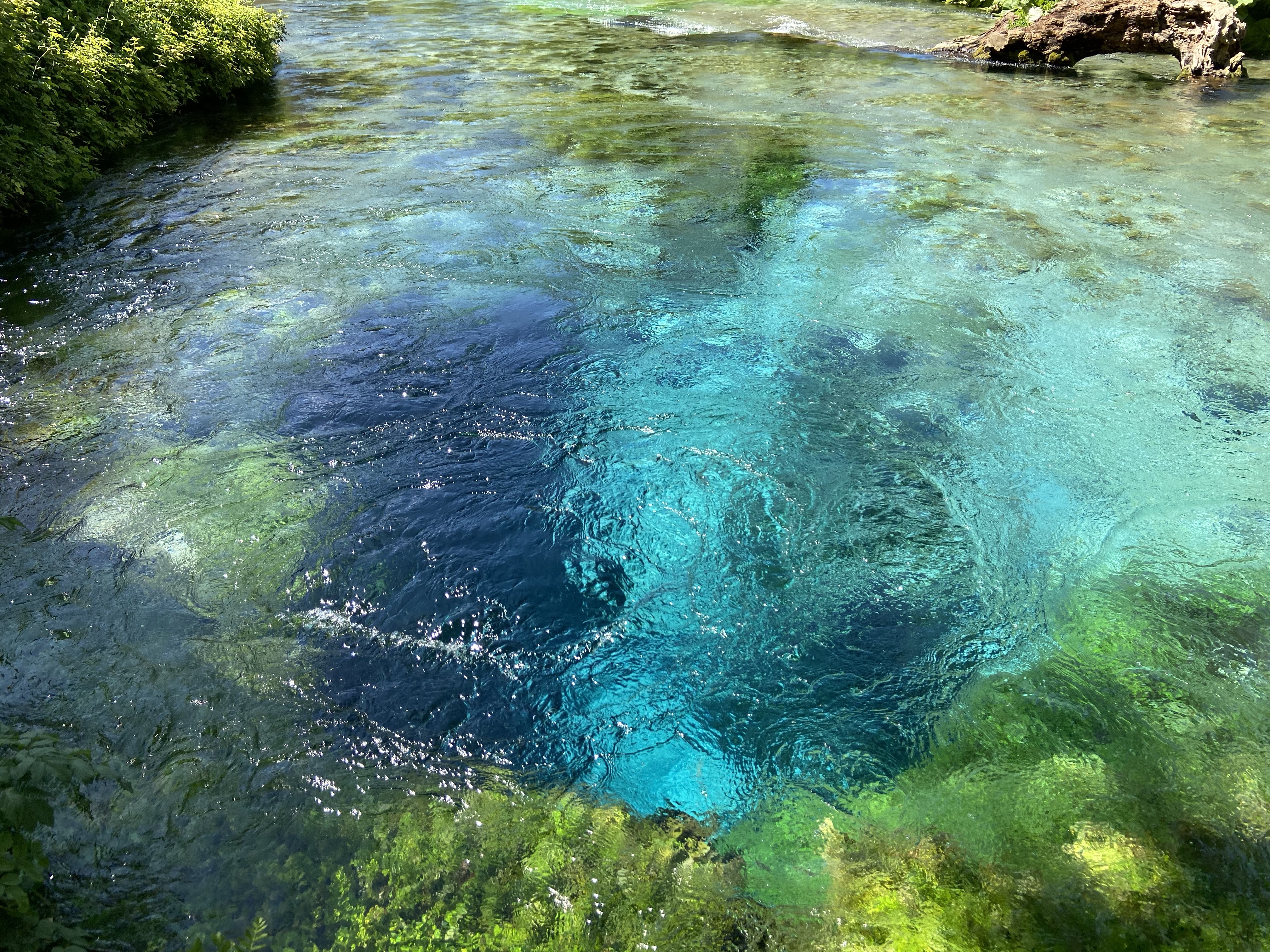
The stunning blue eye is a natural karst spring, around thirty minutes inland from Sarandë. The eye is supposedly more than fifty meters deep and discharges a large amount of crystal clear water. It is busy at peak times but when we visited in the spring we had the place to ourselves. The whole environment around the blue eye has been shaped by this karst spring, it has a great natural beauty to it and in some senses feels almost like an oasis. The water is gorgeous and makes for a very refreshing drink on a hot day.
Food
Tavë Kosi is a delicous hearty dish that is the de facto national dish of Albania. It consists of lamb and rice baked with creamy yoghurt and eggs, making for a very fulfilling meal.
Tavë Dheu is beef cooked in a tomato sauce with onions and cheese. It is served in a clay dish and bubbling hot – it is a very tasty dish and the crux is waiting for it to cool down before you eat it!
Kërnacka Korçe are small skinless sausages, usually made from beef, that are grilled. A basic yet satisfying meal to eat after climbing.
Fërgesë is a flavourful type of stew, often eaten as a dip, made from tomatoes, onions, peppers and cheese. Like other Albanian dishes, it has a wonderful intense flavour.
Jani me Fasule is probably the most famous soup from Albania, made with white beans. The sauce is typically made from a tomato base with olive oil, making for a wonderful wholesome dish.
Speca te Mbushur are stuffed peppers, Albanian style! The peppers are generally stuffed with a mixture of rice and minced meat, making it almost like a sarma inside a pepper!
Trileçe – saving the best til last! Trileçe is a fantastic desert widely popular in Albania, made by soaking a sponge cake in 3 types of milk and topping it with a layer of delicous caramel. The only challenge here is not to eat too many of them.
Summary
Hopefully this article has shown how much Albania has to offer for climbers and tourists in general. With the newly developed climbing since our previous visit, and the potential for much more, Albania’s offering to climbers just gets better and better. We are always very impressed with the landscape of the country and the Hospitality. Even after visiting a few times, Albania is definitely a place we would visit again. Whilst we were sad to see Gjipe is not what it once was, every other area we visited in Albania was doing great and some of the newly developed crags are already becoming the best and most popular venues in the country. It is exciting to think about the future and what new routes will be waiting for us next time!
We write for pleasure and climbing is our passion. Our articles will never be paywalled. However, if you would like to help towards the costs of running the site or if you have found our content useful, please consider contributing here. To read more about why your support matters, click here.
For more articles about climbing in the Balkans, read our Balkans series here.
Relevant links and resources
Affiliate Disclosure
We have an affiliate partnership with Climb-Europe.com, which means we receive a commission if you buy a guidebook via one of our links, at no extra cost to you. Currently, we only use affiliates for guidebooks from Climb Europe, not anything else. To read more, click here.
NEW Tirana Guidebook
https://climb-europe.com/products/tirana-sport-climbing-guidebook-topo?bg_ref=QMscYZ3xQy
Information about climbing in Albania
http://www.climbingalbania.com/#home-page
Information about the bunkers
https://www.nationalgeographic.com/travel/article/photos-forgotten-military-bunkers
 The Crag Journal
One thought on “Climbing, Coast and Adventures in Albania”