Indonesia is a prodigious country, with an extraordinary amount of records to its name. Indonesia is the world’s most populous Muslim country, the world’s largest archipelagic state and is home to over 700 languages. Choosing where to go in somewhere so vast is tricky, but we settled on Java as it has by far the most documented climbing areas. We spent a month on Java and it flew by, trying to visit anywhere else on top of that would have spread us too thin. Java is the world’s most populous island with over 145 million people, bigger than the population of the UK and France put together! It is an exceptional place, the people are great, the culture is captivating and the geography is fantastic.
One thing we must note is that we didn’t manage to do as many rest day activities as we would have liked, as we got rather sick. Tests showed we had dengue fever, almost certainly for the second time, which paradoxically is far worse than the first time. On top of that we also had campylobacter and as you can imagine, that didn’t help. None of this is Indonesia’s fault, it is simply bad luck and probably linked to us being slightly burnt out after 5 months of travelling. We had time set aside for things we wanted to do, like a multi day hike on the stunning volcano Mount Semeru. Ultimately, we weren’t up to it, but we’re incredibly thankful we managed to get a good amount of climbing done before illness struck.

Guidebooks for Climbing in Indonesia
Currently, as of July 2023, there are no climbing guidebooks for Indonesia or for Java. We found some really useful information from the Climbing Partner YouTube channel. The videos are great for getting you psyched and letting you see what the areas are like in more detail than you would from photos alone.
Otherwise, theCrag is the best source of information and has most of the areas on Java, with varying degrees of detail. We always managed to find the crag and match up various descriptions, photos and lines, although sometimes it could be a bit tricky. The strength of the local climbing scene on Java was impressive, so making contact with local climbers or visiting the local climbing gym is a great way to get more information.
Weather and Climbing Season in Indonesia
Indonesia has a tropical climate and as such it’s typically very hot and humid, with not much temperature variation throughout the year. The most important thing to consider is the rainy season. On Java the rainy season is from November to March and the dry season is from April to October. To make the most of the climbing, visiting in the dry season is definitely recommended. Bear in mind the dry season for Indonesia’s other islands will be different to Java.

Our month on Java was at the very beginning of the dry season, so whilst we didn’t have a problem with wet crags, approach trails in areas like Bongkok had become overgrown and tricky to find. We found the conditions a bit more taxing than other areas in the region, but it was all part of the experience, just remember to pack plenty of water!
Climbing Recommendations
We worked our way across Java from west to east using their fantastic railway system. We began our journey in Indonesia’s capital Jakarta and spent a month snaking our way eastwards until we finished in Surabaya, where we took a return train to Jakarta. The map below shows the crags we visited in blue and the crags we didn’t manage to visit, but thought looked good in orange.
West Java
Purwakarta
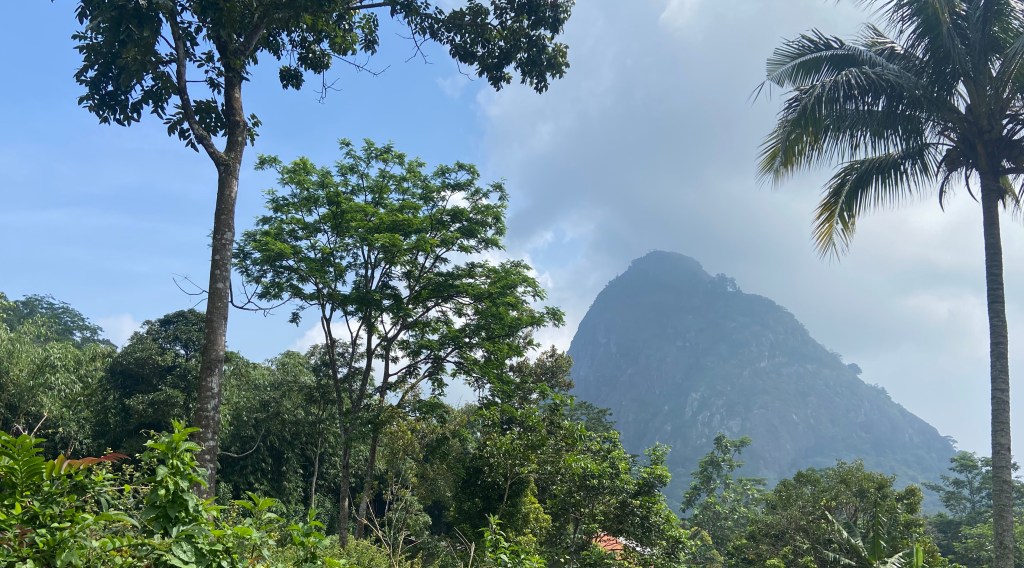
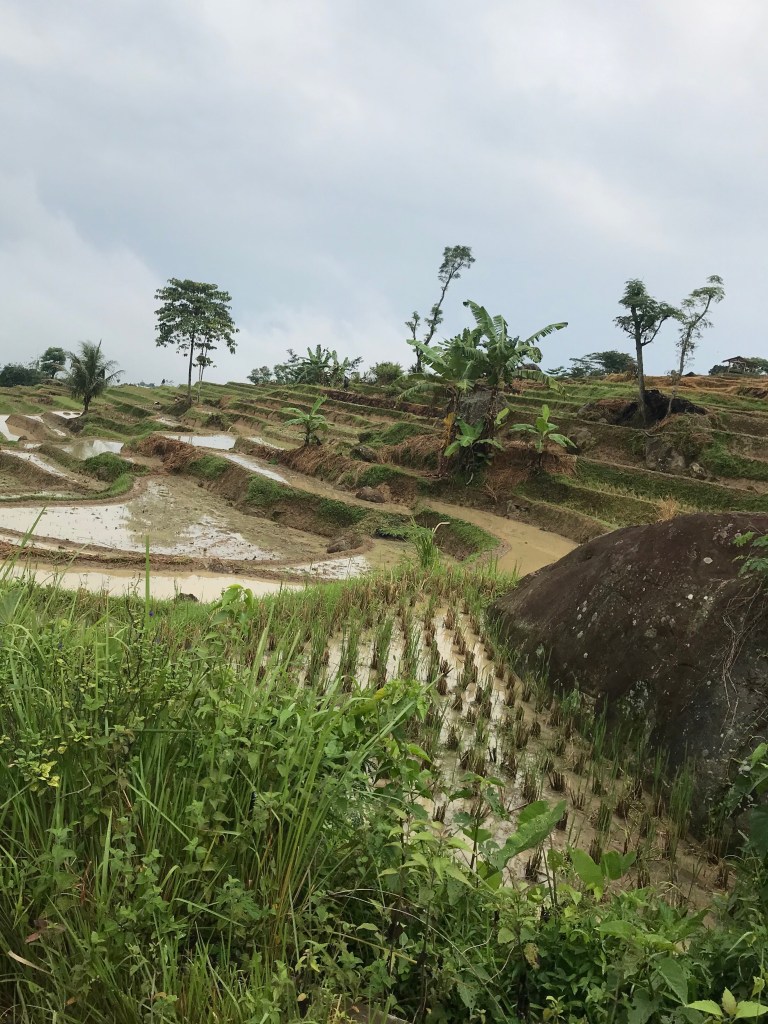
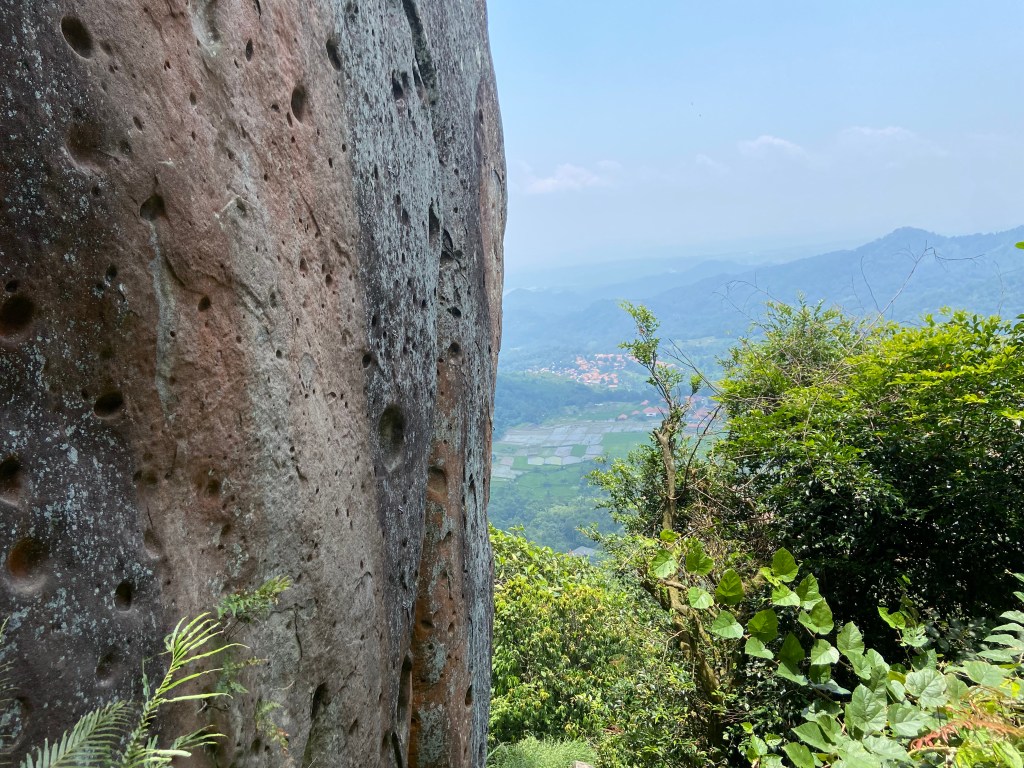
Purwakarta is 100 km east of the capital Jakarta . The mountains behind Purwakarta are simply stunning, surrounded by terraced rice fields and steep sided mountains. The area is home to several different crags, with everything from boulder problems to 13 pitch adventures. There are also many beautiful hiking trails and even a via ferrata. The rock in the area is of particular interest, it is Andesite, which is a volcanic rock that sits somewhere between Basalt and Rhyolite. We’ve actually only climbed at one other Andesite crag before, in Slovakia, which was completely different again. Unlike all the crimps and flatties in Slovakia, the Andesite here was defined by an array of slopey pockets and some crazy technical beta. We loved the climbing style here, but it was a learning curve!

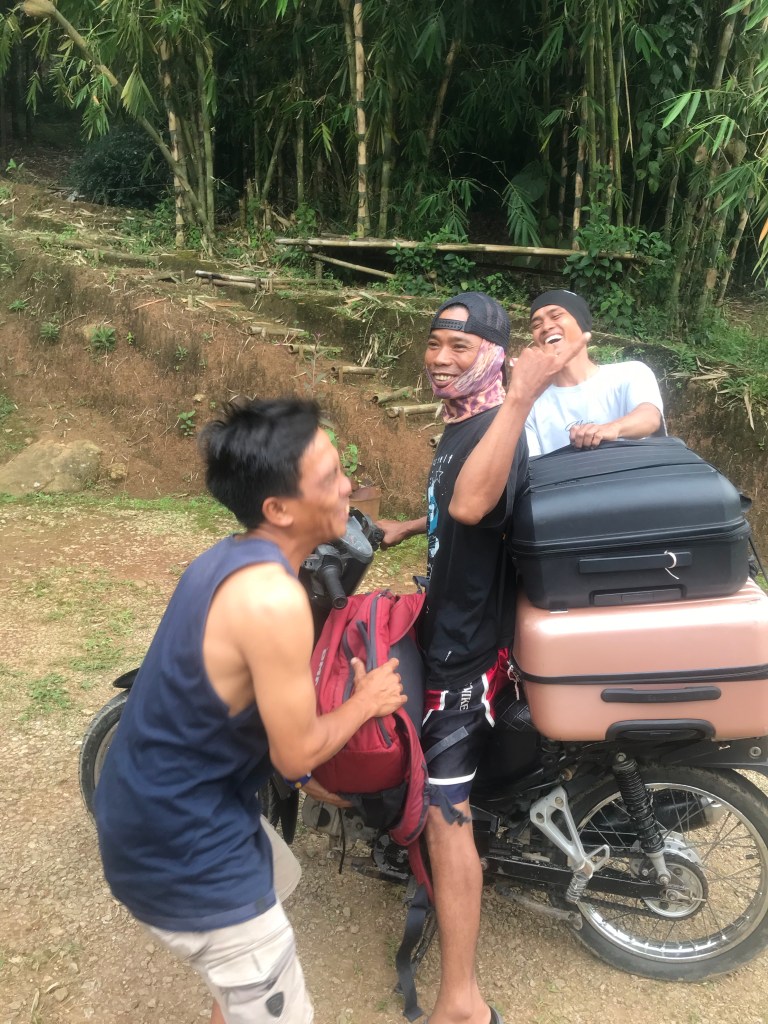
We chose to base ourselves in the most developed area, Bongkok. At Bongkok there is a place you can stay without the need for camping gear, and a place where you can eat delicious home cooked meals. There is a climbing logbook to sign, and it is clear that the area is not popular with climbers, which is a real shame. The other crags are close by, and the general area is a beautiful and authentic part of Indonesia with a very friendly atmosphere. Don’t trust Google maps or Waze, we got ‘proper lost’ and had to take a very amusing and unconventional detour with the help of some kind and equally amused locals.

Climbing wise, there are around 60 routes, from 4b to 8b, in a variety of conditions. There will be clean routes with modern bolts, dirty routes with old bolts and everything in-between. Getting to the crags themselves can be tricky as the approaches are often small and overgrown. The effort is well worth it, the rock is wonderful and the climbing has such a cool and dynamic style, almost like indoor comp bouldering at times. Doing 2 foot jumps, sideways dynos or foot-hand matches are not usually very common outdoors, but they are at Bongkok! Half the battle is convincing yourself you’ve found the right method, and haven’t completely lost your marbles, there was a lot of muttering ‘surely not’.

We write for pleasure and climbing is our passion. Our articles will never be paywalled. However, if you would like to help towards the costs of running the site or if you have found our content useful, please consider contributing here. To read more about why your support matters, click here.
Citatah
Citatah is one of the most historic climbing areas in the whole of Indonesia and is something of a hub for climbing activity in Java. The rock at Citatah is limestone, and the surrounding area has been heavily quarried away for use in cement manufacturing. Unfortunately this means the surrounding area is not quite so peaceful and aesthetically pleasing as in Bongkok. However, the limestone is actually surprisingly good quality and the grades will whip you into shape in no time! Although we were recovering from a bout of illness, we still reckon Citatah 6a+ would be Thailand 6b+, it can certainly kick your ego into touch.
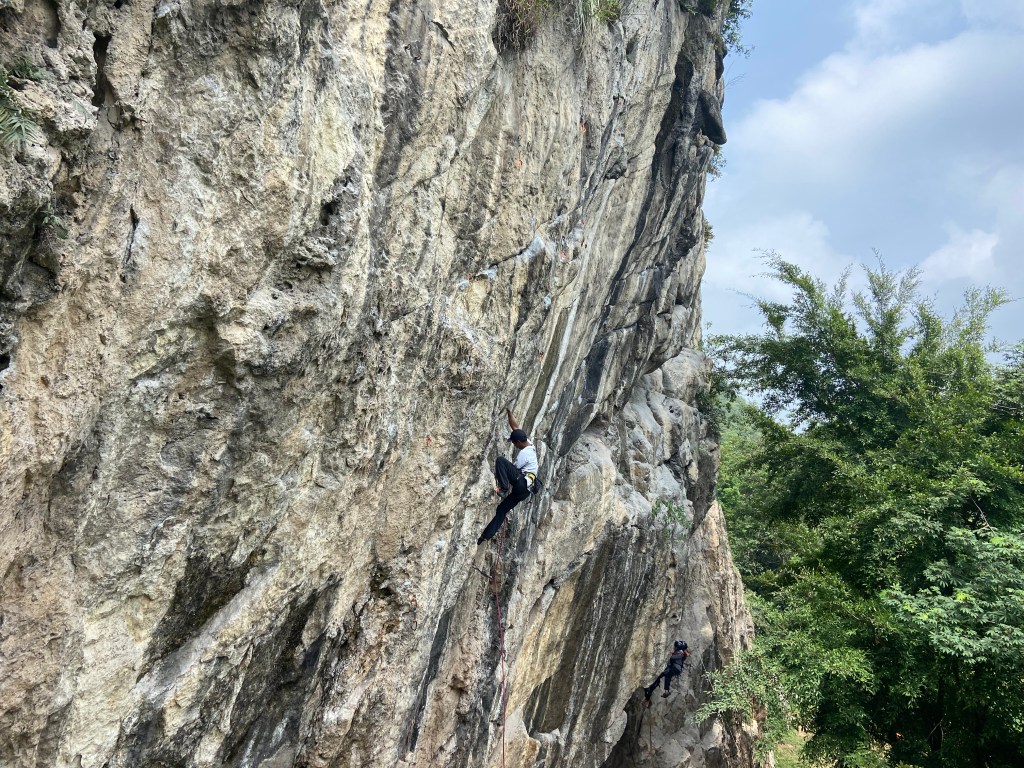
We visited Citatah at the weekend and were impressed by the number of local climbers at the crag. There were experienced and adventurous climbers getting up to all sorts, as well as beginners learning the craft and even practicing trad gear placements. As well as the main crag, there are a few other sectors in the surrounding area, including one with some multipitches. In total there are 96 routes, from 4c to 8b and it is one of the easiest crags to access in Java. While Citatah wasn’t the best crag we visited in the country, it still has some good routes and is worth including on a climbing trip in the region, even if only for its strategic location near Bandung.

Central Java
Nglanggeran
Nglanggeran is one of Java’s most modern climbing areas, with development starting in 2015. What makes Nglanggeran stand out is the rock type, which is quite unusual and has distinctive characteristics. Nglanggeran itself is situated at the site of an ancient volcano, estimated to be 60-70 million years old. The rock is a type of Igneous, in this case Extrusive (Volcanic), Breccia. From our reading about the area, the rock is varyingly described as volcanic breccia, agglomerate, andesitic breccia alongside areas of tuff and pillow lava. For a climber it is definitely interesting, sharing some styles of conglomerate (hard to read, lots of foot holds) whilst also being very different (sharp, angular holds, higher friction).

Nglanggeran is in a really lovely area, in the hills about 30 km from Yogyakarta. The area has several hiking trails and is really peaceful given its easily accessible location. There are some lovely guesthouses to stay in, run by friendly families who can cook big, tasty meals, just what you need after climbing. Nglanggeran is quite popular with locals from Yogya coming for a day trip hiking, but is totally off the tourist radar so it is unspoilt in that regard.
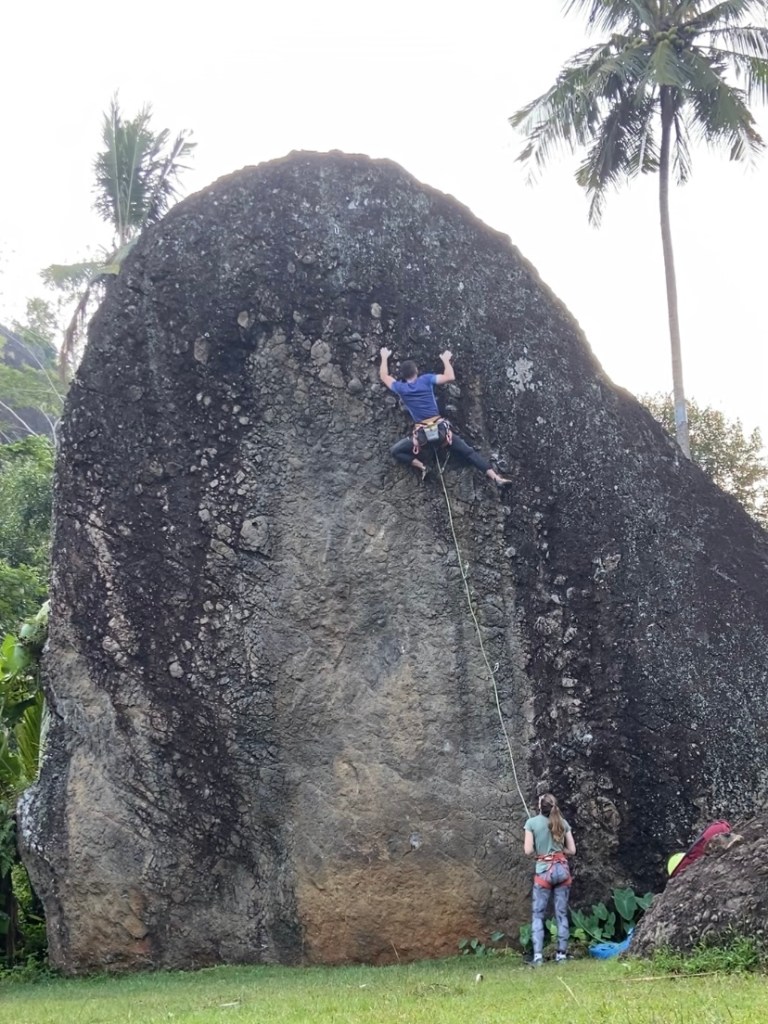
There are currently 33 routes from 5a to 7b, including some boulder problems, although it really felt like there were more. We were really psyched that the first 3 crags we climbed at in Java were all different rock types, and Nglanggeran definitely held its own when compared to the others. The climbing was fierce, technical and very taxing on the skin. We really enjoyed spending time in Nglanggeran, which at first we weren’t certain we would visit. We are so glad we did, as it ticked most of the boxes we were looking for on Java.

East Java
Trenggalek
Trenggalek is one of the best locations in East Java for climbing, with access to several different crags and a variety of climbing styles. Gunung Sepikul offers big multipitch routes and there are a handful of sport crags – Telung Lintang and Gunung Pegat being the most noteworthy. We knew we wouldn’t have time to visit all of these, so we rolled the dice and opted for Telung Lintang. We met some locals at the crag who said this was a good call.

Telung Lintang
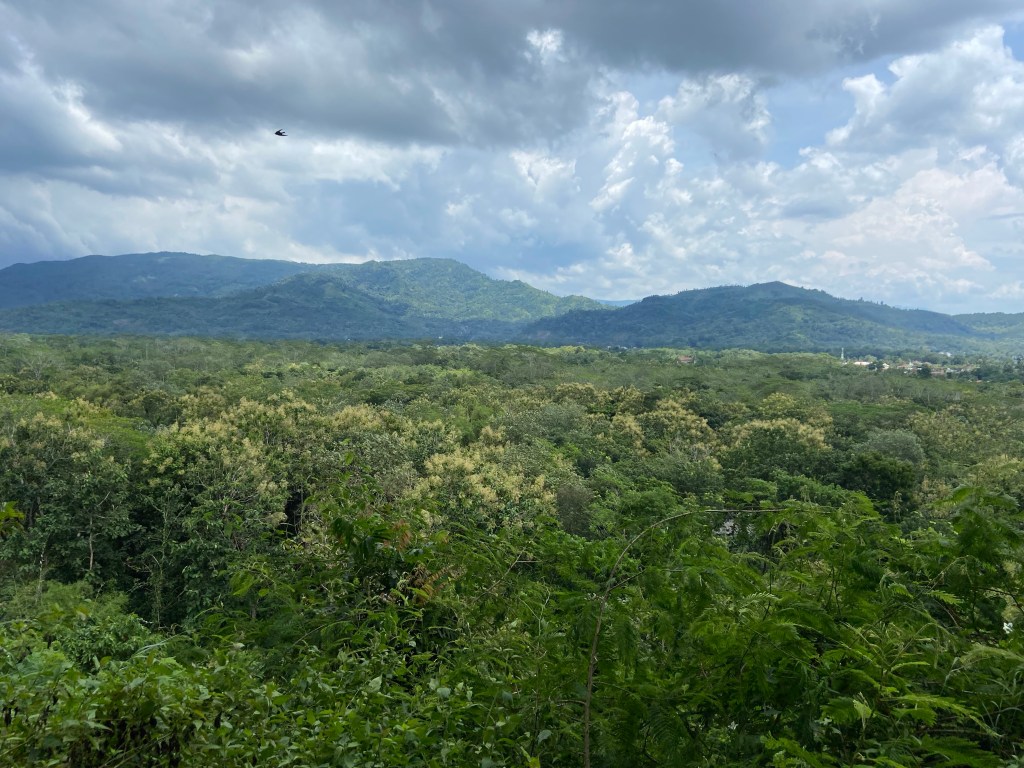
Telung Lintang is an awesome crag, about 30 km from Tulungagung. The city of Tulungagung was really nice itself, with super friendly locals and very, very few tourists. The crag is just outside the village of Gandusari, which is easily accessed from the bigger town of Trenggalek. When we first arrived we were really impressed by the crag, it is much more extensive than we had realised and the rock is really good quality.

Telung Lintang is a really good quality limestone, with loads of nice pockets and tufas. The rock is quite smooth and gentle on the skin, which was welcome after Nglanggeran! The first buttress is near a small track, but if you follow the crag up and to the left there are several other walls and a small canyon. The area is really new and has been equipped to a very high standard, it’s a great testament to the hard work of local climbers.
One route in particular, a 6c+ called ‘Bolos Sekolah’, deserves a special mention. It is total class, a superb orange wall with perfect little finger pockets all the way up, with continuous unrelenting difficulty. It would be popular anywhere and stands out as a classic, even though the other routes were all good.

On theCrag.com there are 15 routes listed for Telung Lintang, but there are way more than that. At the crag there is a log book which details all of the new routes. As of March 2023, according to the log book at the crag there are 26 routes from roughly 4b-7a, as well as two multipitches without grades.
Lembah Kera
Lembah Kera is an interesting old school crag, near the town of Kepanjen, which is close to the city of Malang. TheCrag only lists 12 routes for Lembah Kera, but there are way more than that, at a guess there must be around 50. The grades seem to be mostly in the 6s and 7s, but there are both harder and easier routes around. The hardest routes are about 8a and are in the cave at the right hand side of the crag. The rock is limestone, mostly of good quality and the routes are quite long, with many easily over 30 meters.

The crag has clearly seen a lot of action over the years, as some of the routes were polished. It appears that the first routes here may have been developed in the 90s or so and as such they have an old school vibe to them. The grades were tough and give an idea of how strong some of the locals are. Just like at Citatah, having some history and reputation behind the crag really adds to the experience.
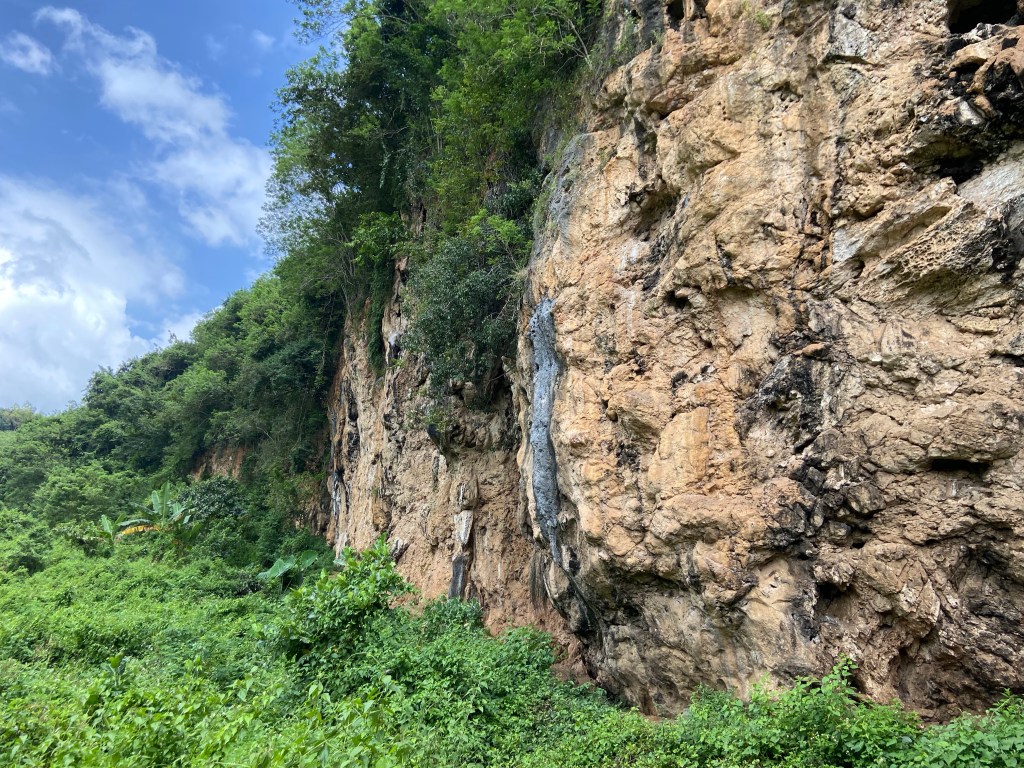
Lembah Kera is accessed by a narrow track that can be badly washed out after the rainy season, meaning the last few kilometres can only be done on motorbike or foot. There is a guy at a small hut who will ask you to fill in a log book and pay a small fee for climbing, it is also possible to camp there if you have the gear.
Notable Areas We Missed
In a country as vast as Indonesia, there are of course loads of crags we didn’t get a chance to visit. Whilst it’s not practical for us to list lots of different areas, we will mention a few of the most noteworthy ones, either because of their location or how good they appear to be.
In Java, there were several crags we had wanted to visit, but ended up missing for several reasons. The 3 crags that we had been particularly keen on where Dieng Plateau, Siung Beach and Gunung Pegat. If we had more time, these are the crags we would have chosen to visit on top of what we did. Of course there are many more crags on Java, but these are the ones that caught our eye.
Outside of Java the climbing is generally not as developed, but that doesn’t mean the areas look any less stunning. We were very keen to visit Sumatra and if we are ever lucky enough to return to Indonesia, it would be top of our list. One particular crag, Lembah Harau, looks out of this world. Nearby there are some other crags that also look great, most notably Tabiang Baso and Andaleh. From what we have seen online, Sumatra looks like it has some fantastic climbing.
There are some small areas on Bali, mainly bouldering on Padang Padang Beach and around the Bukit Peninsular near Denpasar. There is also a small amount of sport climbing on the North side of the island as discussed in this climbing.com article, on crags like Songan Village and Batur Caldera. Personally we weren’t keen on Bali, mainly because of the mass tourism it attracts. Krabi in Thailand has similar issues, and even though the climbing was great, we can’t help but feel westerners behaving badly have spoiled a once charming place.
There is very little information or developed climbing on Indonesia’s many other islands, but the potential is definitely there. For anyone who puts in the effort to try and climb in these areas, they will surely be rewarded with some very special places.
Rest Day Activities
As we mentioned at the beginning of the article, illness meant that we didn’t get to do almost all of the rest day activities we had wanted to. We were lucky to even get much climbing done, so our recommendations in this part of the article won’t be so good. There is absolutely loads to see and do in Java, but we don’t like to give personal recommendations for something we haven’t done. Whilst we do mention obvious crags we missed out on, there are so many non-climbing things to do on Java it is easiest to look at those yourself. With that in in mind, we will mention a few nice things we did do.
Coffee
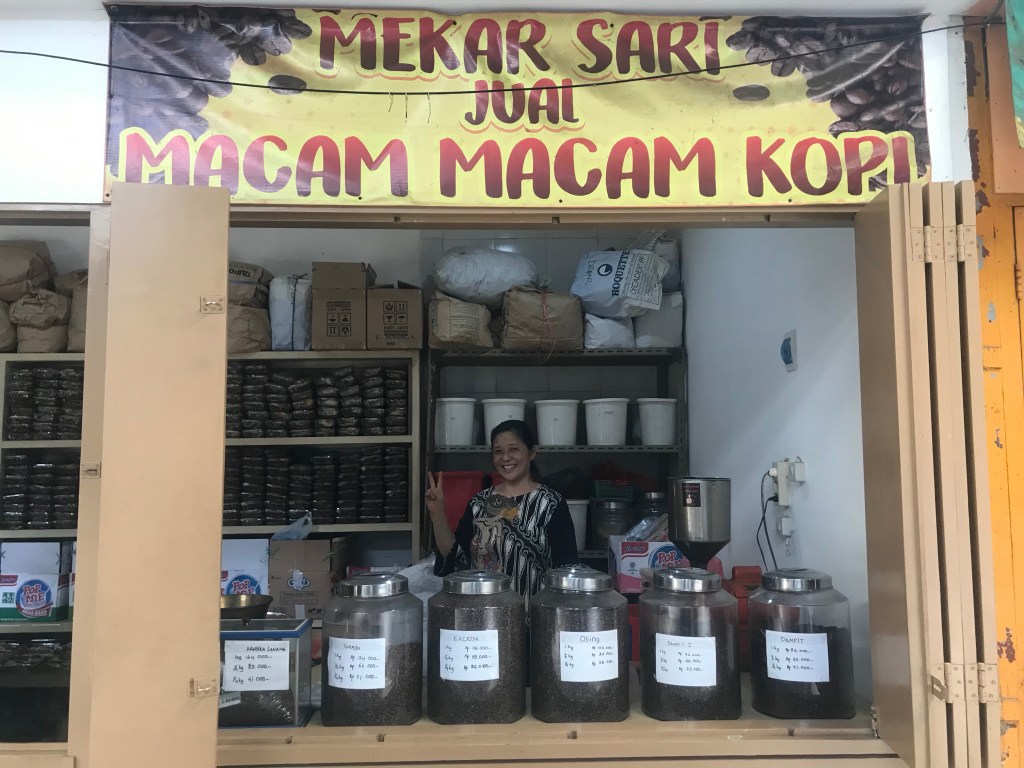
Indonesia is one of the world’s largest coffee producers and Java coffee is famous for its quality. Indonesian coffee production is typically on a small scale, with about 90% of coffee grown on farms of circa one hectare. The coffee tastes superb and as well as many cafés, there are also lots of places selling beans. We ended up taking around 6 kg of beans home with us! It was a real pleasure to buy coffee from local producers, knowing they are getting a good price for their coffee and aren’t being ripped off by multinational corporations.
Jakarta History Museum
The Jakarta History Museum is located in Jakarta’s old town, and the building itself is a former city hall built by Dutch colonists in 1710. The museum isn’t huge, but the entrance price is extremely reasonable and it is well worth a visit to see some of the interesting exhibits – both prehistoric archaeological artefacts as well as those from the colonial era.
The museum also contains a lot of interesting information about the Betawi people, a creole ethnic group that are one of the most recently formed ethnicities in Indonesia. Betawi means people of Batavia and the gathering of the different ethnic groups that formed the Betawi began in the 17th century.
In 1619 the Dutch captured and destroyed Jayakarta (what Jakarta was called at the time) and built a colonial capital of the ‘Dutch East Indies’ which they named Batavia. Over the coming years the Dutch brought slaves from many different areas to Batavia. Ethnic groups such as Balinese, Sundanese, Javanese, Ambonese and Malays were mixed with people from further afield such as Indians and Chinese. Gradually, the mixing of all these different people formed a new ethnicity, the Betawi. In the 19th century people began to identify as Betawi, but they weren’t officially recognised until 1930. It took until 1945 for Indonesia to finally gain its independence.
Food
Nasi Goreng is often considered Indonesia’s national dish, it’s a staple meal of the country and something you will enjoy countless times on any visit to Indonesia. In Bahasa Indonesia, nasi means rice and goreng means fried, which explains the dish and helps you identify other dishes. Nasi Goreng is more colourful and flavourful than the standard fried rice many people know, it doesn’t need much of an introduction, just go and enjoy it!
Rendang is a delicious beef curry, cooked in coconut and with lots of spices and aromatics. Rendang is a dry curry, meaning it doesn’t have lots of sauce. However, the beef is incredibly tender and moist from the cooking process.
Soto Ayam is a hearty chicken noodle soup, and if you haven’t guessed yet, ayam means chicken and soto means soup. Turmeric gives the soup a distinctive yellow colour, and the texture contrast in the dish is superb. Rice Noodles, fried chicken, broth, egg and crispy shallots gives a flavour explosion in every mouthful.
Satay, like Nasi Goreng, needs little introduction. As well as Indonesia, Malaysia and Thailand also claim satay as their own. However, most consider Indonesia to be its true home. There is quite a significant difference in the spices and the flavour of satay between these countries. We’ll leave it up to you to say who’s is best!
Tempeh is a cake like block made from fermented soy beans. Generally tempeh is sliced and fried, served hot and crispy on the outside. It doesn’t sound that tasty, but it is actually very good. It has a rich nutty flavour and is very moreish.
Gado-Gado is a large platter of vegetables, egg, rice, tempeh and tofu, served with a peanut dipping sauce. Gado-Gado is a big and filling plate, yet it is still light and refreshing, not sitting too heavy on the stomach.
Martabak is a big stuffed pancake, fried with a mix of eggs, beef and scallions to give a delicious and hearty on the go snack. As well as the classic savoury Martabak, you can also get a sweet version that is like a desert – different but equally tasty.
Tahu gejrot is fried tofu served in a sweet and spicy chilli sauce. The tofu has a wonderfully light and pillowy texture, with a crispy exterior. Tofu doesn’t have a great reputation in many western countries, but that is because they are cooking it wrong. Indonesian chefs know what they’re doing and their tofu dishes are delicious.
Summary
We thoroughly enjoyed our time in Indonesia, the country was full of life and fantastic culture. In a similar way to the Philippines, the climbing in Indonesia is under appreciated within South East Asia. The climbing is good quality and there is a lot of it, the areas surrounding the crags are typically off the beaten path and have a wonderful and authentic ambience. We had expected Java to be quite touristic, but it was actually the total opposite. It seems that the vast majority of people really do just stick to Bali, and people in rural Java were usually quite surprised to see us. To have lots of good climbing, in authentic and unspoilt areas, is all we ever really want. Indonesia delivered perfectly and we had a fantastic time. On our month in Java we only scratched the surface, there is no doubt Indonesia as a whole has countless more fantastic places to be enjoyed.
We write for pleasure and climbing is our passion. Our articles will never be paywalled. However, if you would like to help towards the costs of running the site or if you have found our content useful please consider contributing here. To read more about why your support matters, click here.
You can read more about the climbing in South East Asia here.
Or for useful travel tips for the region you can find our handy article here
Relevant links and resources
Guidebooks and topos
https://www.thecrag.com/en/climbing/indonesia
Climbing Partner Youtube channel


Well done guys! One more top notch post from your side!
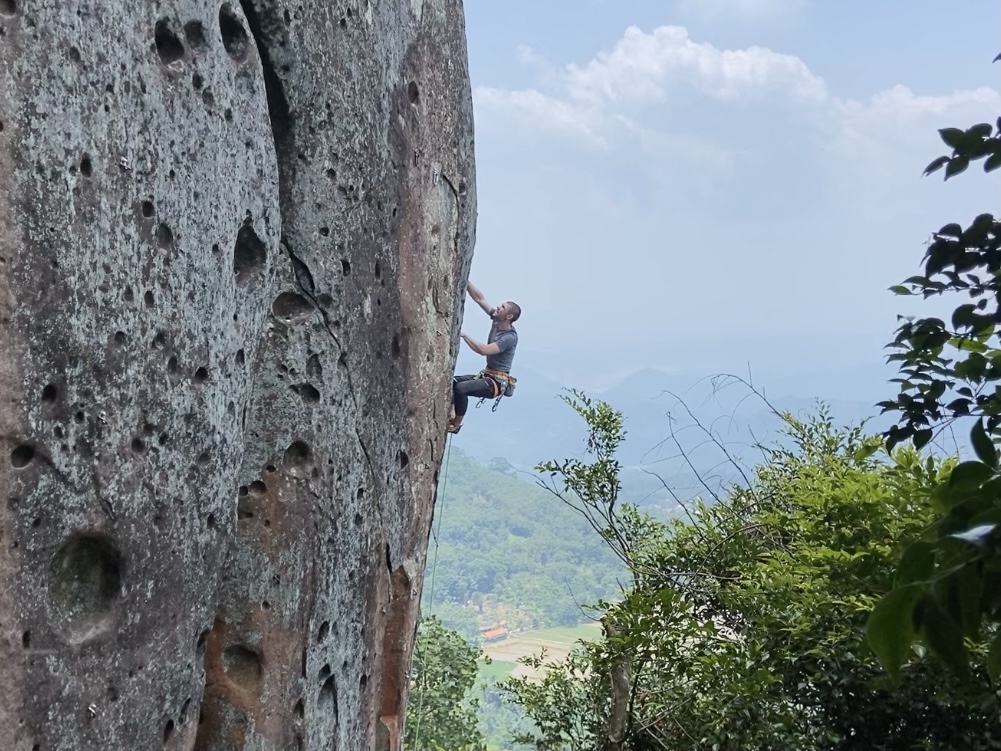
Also, great capture at “‘Letjen of the Fall’
LikeLiked by 1 person
Thank you for your kind words! Letjen of the Fall was a great route, I’m glad the photo does it justice!
LikeLiked by 1 person
Photos are awesome, Java sounds vibrant and exciting.
LikeLiked by 1 person
Thanks, glad you enjoyed it!
LikeLike
I’ll be moving to Bandung soon, should I bring my trad rack? Or is it more of a sport scene?
LikeLiked by 1 person
Hi Steven, apologies for the slow reply we’ve been away without signal. We personally only had sport gear and that seemed like more than enough for the majority of routes. Potentially it would be worth bringing a set of wires and some cams if you want to do lots of multi pitches, but for the single pitch stuff it will be almost all sport. Hope that was helpful, hope you have a great time in Bandung!
LikeLiked by 1 person
Thanks so much! Hoping to help establish some more routes while I’m there! This is very helpful though thank you!
LikeLiked by 1 person
Hey Steven,
Did you end up doing any trad climbing out there? I’m thinking about heading to Bandung with my rack and would love to get some beta on the trad scene out there!
LikeLiked by 1 person
We are travelling to Java in August, unfortunately we are not able to bring all our climbing equipment with us. Do you have any tips on where we could rent equipment? Are there any accommodations where climbers meet? Greetings from Austria Tine
LikeLiked by 1 person
Hi Christine, apologies for the slow reply, we’ve been away without signal. We don’t know of anywhere particularly that rents out gear on Java. However, we have seen Climbing Partner (on Youtube, Instagram etc) have started selling gear and also doing some climbing courses, so perhaps that has the potential to work with your plans? other than that I’m afraid we don’t know, but if possible try and bring as much gear as you can. In the whole region it isn’t usually possible to rent climbing gear outside of hotspots like Tonsai. All the best for your trip, we hope you have a great time!
LikeLike
Hey guys. Thank you for such a terrific post! Amazing job!! My husband and I are looking for a company to go to Sumatra and do some rock climbing. We being doing it for 2 years or so. We are doing it in London all year round and only did in Nature twice but we would like to do more! Do you have any company recommendations? We are too newbies to do it on our own… We would like to probably do 2 weeks, maybe Sumatra maybe Java too? Not really interested in Bali.
thank you so much! Cheers!
LikeLiked by 1 person
Hi there, thanks for the kind words, I’m glad you enjoyed the post! We looked at the climbing in Sumatra and it looks beautiful, but we didn’t visit as we thought we wouldn’t have the time to enjoy both Java and Sumatra properly. From what we did see, it seems Sumatra has far less active climbers than Java does.
We don’t have any leads for Sumatra, but trying any climbing gyms is often a good place to start. For Java, we have seen Climbing Partner doing some climbing/abseiling courses, so that is a good option for Java, particularly Bandung area.
The other option if you have the time and money is to do some courses with a qualified instructor somewhere near London, an RCI or MCI should be able to teach you the skills you need to sport climb independently outside which will free up a lot of options for you. This could be expensive and time consuming, but if you love climbing the skills will stay with you for life.
I hope that was helpful, all the best for a safe and enjoyable trip!
LikeLike
likely heading there for a couple months climbing and surfing and haven’t noticed ed much mentioned on bolt condition. We have the ability to bring and replace hardware, potentially new route if there are opportunities – wondering are the bolts generally in good shape or do they suffer the same wearing issues as other areas like Thailand, etc? Would love to chat more if you could!!
Email hidden in login
LikeLiked by 1 person
Hi Sam, thanks for the comment! I’ll do my best to recall the situation of the various areas we visited based on memory, bear in mind its been over a year since we were there so I may have forgotten some things!
Bongkok – generally quite good bolts, some old looking bolts here and there but on the whole ok
Citatah – a mix of different bolts, some really quite old and not in the best condition
Nglanggeran – a relatively new area with all the bolts in good condition
Telung Lintang – also a relatively new area and with good bolts
Lembah Kera – an older crag with a variety of bolts, some good and others slightly old but not terrible
None of the areas we visited were coastal, so the bolts weren’t affected by corrosion as they are in areas like Tonsai in Thailand. We did look at Siung Beach online, which is right by the sea and I believe the bolts there are supposed to be quite rusted, but we didn’t visit so I cant confirm this.
There’s definitely loads of new route potential so you could have a great time bolting new routes, which I’m sure everyone will appreciate. Rebolting is on the cards for a few crags, but on the whole we didn’t have any real problems, especially if you discount Citatah, the rest were generally pretty good.
Local climbers are really active and super friendly, get in touch with them via the local climbing gym etc before you go and you’ll get plenty of great tips from them!
Feel free to get in touch via the contact us page if you have any more questions
Hope you have a great trip!
LikeLike
Hi! Thank you for this blog post, it’s been so useful as we plan our trip for next month. We’re planning on climbing at Telung Lintang and Lembah Kera. Did you hire mopeds at the nearest cities (Tulungagang and Kepanjen)? Did you stay in those cities and drive out every day? Kepanjen to Lembah Kera doesn’t look too far but 40minutes from Tulungagang to Telung Lintang seems a bit annoying! I wondered if there’s anywhere closer to stay. Any advice would be very much appreciated!
Thanks again!
LikeLiked by 1 person
Hi, thanks for the comment! We did stay in Tulungagung for Telung Lintang but we stayed in Malang for Lembah Kera – that drive is also about 40 minutes. During our trip we used a lot of mopeds for long-ish rides, e.g Chiang Mai to Crazy Horse Buttress is about 40 minutes and it was no problem. However, we didn’t use them for these two crags, mainly because we couldn’t find anywhere particularly convenient for actually renting them, particularly in Tulungagung. Instead we used Grab, and asked the drivers to pick us up later at a prearranged time and exchanged phone numbers to communicate. This worked super easy and was no hassle – we paid a sensible amount more as the Grab wages are unfairly low. The drivers were very happy with it and it was certainly a nice change from long moped rides with a heavy bag on!
LikeLike
Hi! Just here to mentioned i just stumbled upon this out of nowhere from google and really like it that someone actually made a really nice guide of Java and had my hometown on it (Yogyakarta/Jogja)! Nglanggeran are really topnotch and really out of this world I would say, much potential. If you come back again to Java be sure to come to Parangndog Crag (we have made more routes there, you can check @tokekboltingfund on instagram) and Nglanggeran again (we’ve done some maintanance).. 🙂
LikeLiked by 1 person
Hi Oswindra, thank you so much for the comment, really glad you enjoyed the blog post! We would love to return to Indonesia one day, and we’ll be sure to check out your recommendation, we agree we thought Nglanggeran was amazing! Awesome that Jogja is your hometown – it is such a cool place!
LikeLike