With 84% of Hungary lying less than 200 metres above sea level, the country isn’t known for being mountainous or craggy. However, you might be surprised at how much rock there actually is in Hungary, theCrag.com lists over 2,500 routes and several hundred boulder problems. When you combine this with Hungary’s excellent location, it makes total sense to spend some time here if you’re on a European climbing road trip. Hungary borders 7 countries: Slovakia, Ukraine, Romania, Serbia, Croatia, Slovenia and Austria – all of which have climbing and mountains of their own.
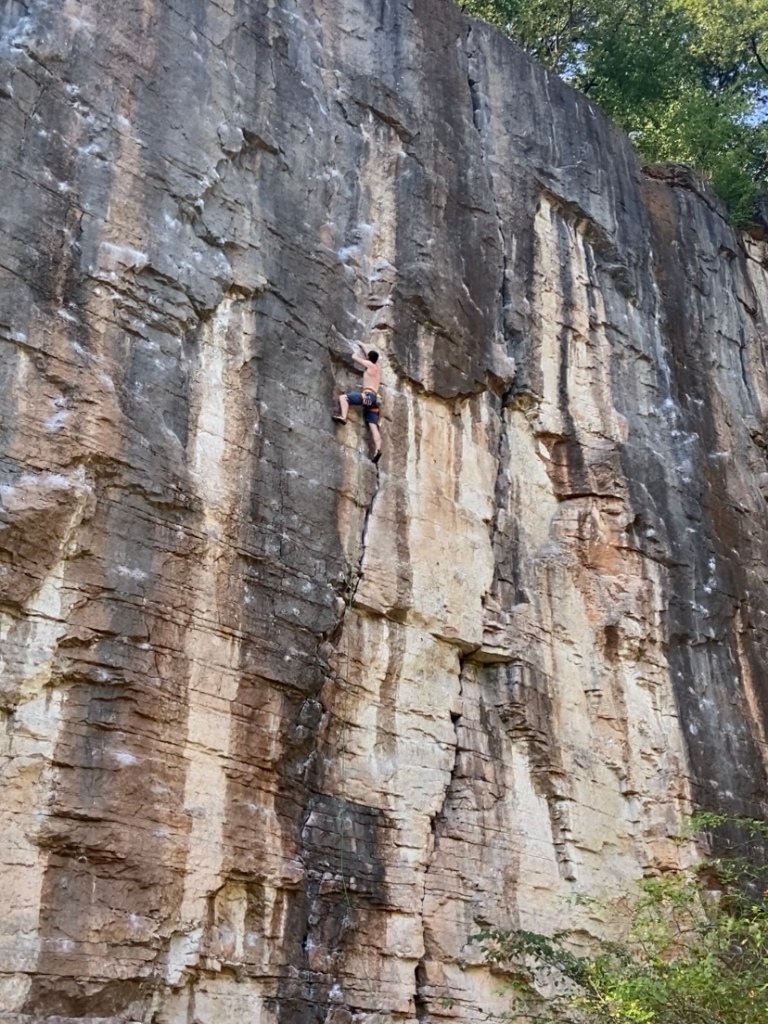
The options of where you could be going to or coming from are vast, but despite many climbers passing this area, very few actually stop and enjoy some climbing in Hungary. By not stopping, they miss out on lots of interesting things to see and do, as well as some good days climbing along the way. Travelling slower will allow you to enjoy Hungary and you won’t have to worry about losing your climbing fitness either, win win.
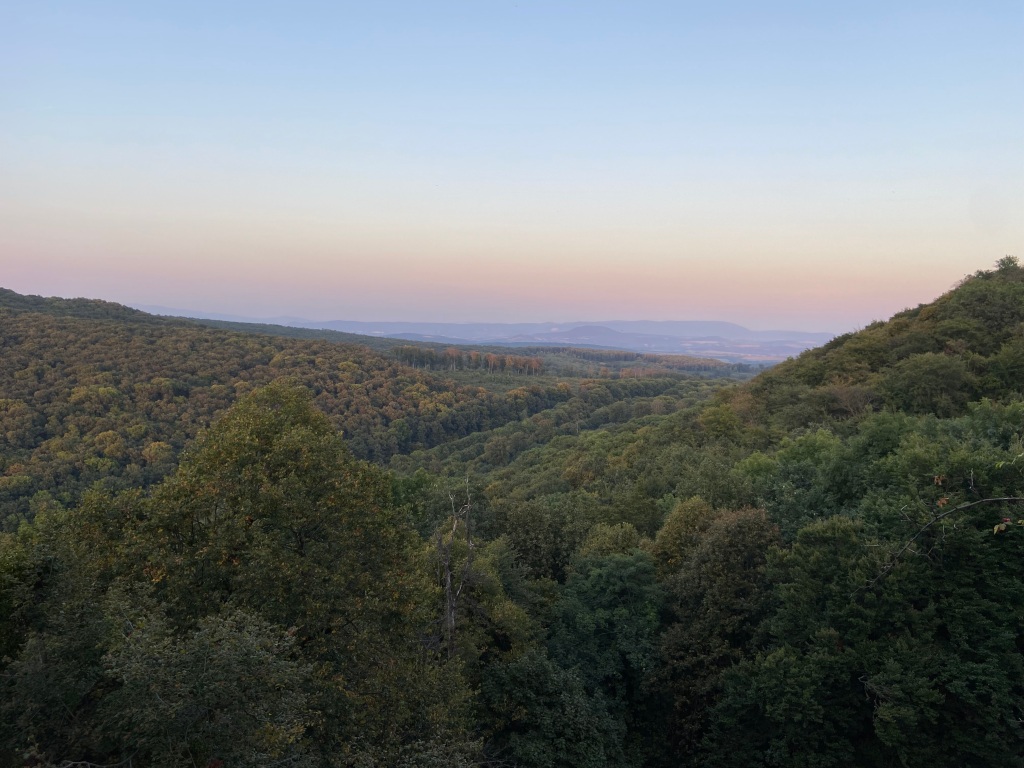
This article is not intended to be a comprehensive guide to Hungarian climbing. Rather, it is aiming to give an idea of what to expect if you decide to include Hungary on your climbing road trip.
Guidebooks for Climbing in Hungary
There is, somewhere out there, a proper guidebook for climbing in Hungary, you can catch a glimpse of it here. The book is called “Climbing guide of Hungary” and it was written by Gozony Gergő. We could find no way at all of tracking this down, but thankfully theCrag.com comes to the rescue. You can access good topos, route lists and approach information on theCrag for free, it is absolutely perfect for the visiting climber.
Below is a map of the different crags we climbed at in Hungary, so you can see where they are in relation to each other.
Weather and Climbing Season in Hungary
Hungary tends to have very hot summers and cold winters, so the best climbing conditions are likely to be in spring and autumn. That being said, we have climbed at north facing sectors in Hungary when it has been in the 30s and it was manageable. Likewise, in a cold snap climbing at a south facing crag on a clear day will be fine. It isn’t necessary to time it to perfection, just choose your venue according to its aspect and the weather you have at the time.
If you find our content useful please consider subscribing:
Climbing Recommendations
Tardosbánya
Tardosbánya is one of the most popular crags in Hungary, partly due to its relatively easy access from Budapest. Tardosbánya is in the area of Gerecse National Park, a beautiful area surrounded by woodland and rolling hills, only 75 km from the centre of Budapest. The crag is an old quarry, but despite that it is actually very nice. The area is clean and has mostly returned to a natural state, without any trash or graffiti as is so common in old quarries. The routes are up to 25 meters long and the rock is pretty good quality on the whole, if a little polished. The climbing is good fun and very pumpy, the majority of routes on the nicest wall are gently overhanging.

Tardosbánya has around 115 routes, from 3-7c and is genuinely a nice place to climb, with more than enough for a few days entertainment. We enjoyed ourselves and certainly felt our arms had been suitably drained by the time we moved on. The key is to be realistic and manage your expectations, it isn’t Siurana. However, it is a great way to see some parts of Hungary that most tourists don’t and the routes are really good for somewhere off the radar.

We write for pleasure and climbing is our passion. Our articles will never be paywalled. However, if you would like to help towards the costs of running the site or if you have found our content useful, please consider contributing here. To read more about why your support matters, click here.
Kis-Gerecsei kőfejtő
Kis-Gerecsei kőfejtő is the neighbouring crag of Tardosbánya, and as the name suggests is also in the Gerecse National Park. In many ways Kis-Gerecsei kőfejtő is a souped up version of Tardosbánya, it has more routes, harder routes and it is in a nicer location. The crag is also an old quarry, but doesn’t really feel like it at all. The hardest wall is a really impressive wave of striped rock and is home to the hardest routes in Hungary. There are loads of other walls along the band of cliffs with all manner of grades, it feels very spacious and peaceful.

Getting to the trailhead of the crag is about 6c if you use google maps, it will send you down some very minor roads which have small trees in the middle of the tracks! Instead have a look on a satellite and look for the way to access the nearest buildings. From here the road continues a bit to the parking and then its 1.5 km walk to the crag. It is super easy when you know, but you won’t find it by chance!
Kis-Gerecsei kőfejtő has 179 routes from 3-8c and is probably our favourite of all the crags we visited in Hungary. Whilst the rock might not be any better than the others, the panoramic views of the hills around make it a lovely place to be.

Dörgicse
Dörgicse is a great little crag close to the northern shore of Lake Balaton, also known as the Hungarian sea. Balaton is the largest lake in Central Europe, at 77 km long and covering an area of 592 km². Balaton is really popular with Hungarian holidaymakers but doesn’t get big crowds of foreign tourists. The location of Dörgicse is really nice, with the crag itself being very quiet, but not too far from the popular attractions of the area. This is by no means the only crag in the Balaton area, but one that tickled our fancy. All of the crags around Balaton are great for anyone heading towards Croatia or Slovenia from Budapest, just take the slightly more scenic route along the north side of the lake.
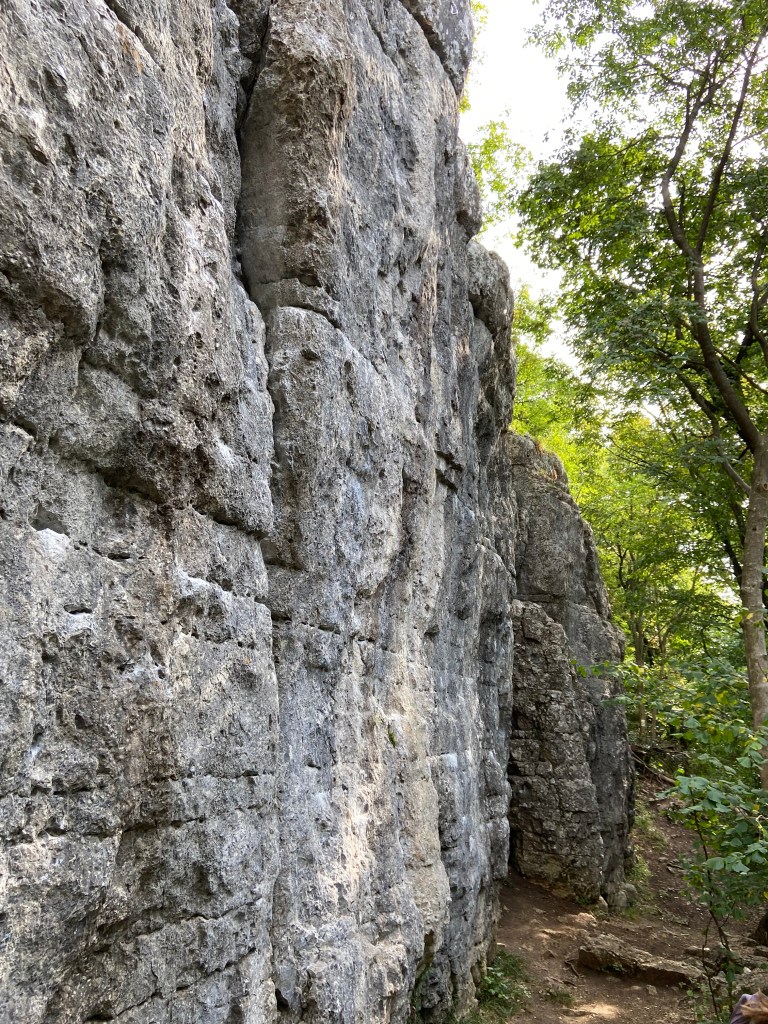
Dörgicse is very compact, good quality grey limestone, the routes are around 15 meters long. They are also powerful and pretty hard! The routes here really pack a punch and can be very fingery, the grades here felt harsher than elsewhere in Hungary. Dörgicse has 24 routes from 3-7c, with the majority being above 6b. The crag is in a peaceful woodland setting and also has some bouldering nearby, its a great place to spend a chilled day cragging near lake Balaton.
Rest Day Activities
Budapest
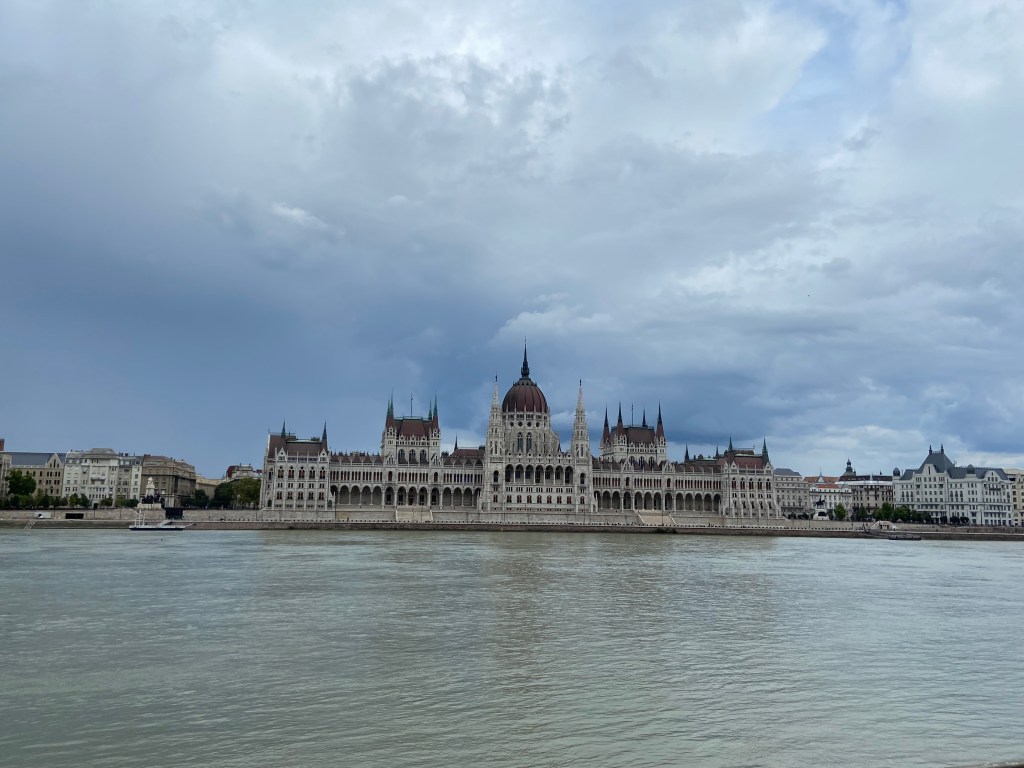
Budapest is renowned for being one of Europe’s great cities, a hub of culture and with an incredibly rich history. It would really be a shame to visit or climb in Hungary without visiting Budapest at some point. However, it is an equal shame that some people only see Budapest and don’t visit any of Hungary’s other beautiful places.
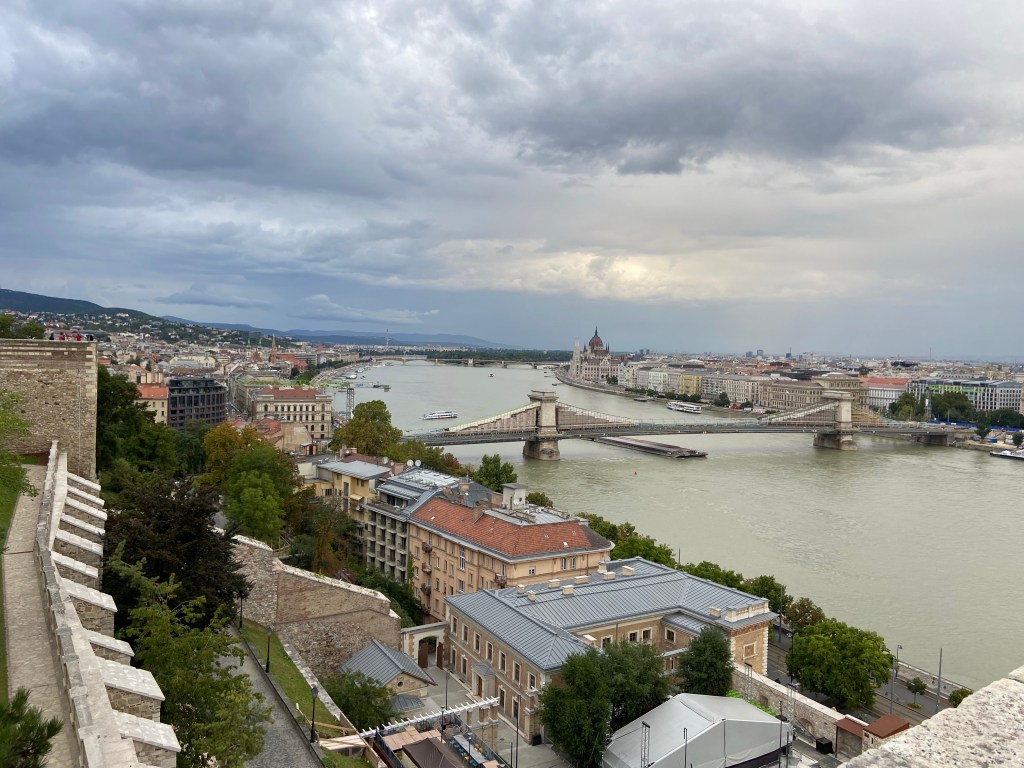
The Széchenyi Thermal Baths are a highlight of Budapest, being one of the biggest and best thermal spas in Europe. Thermal water was discovered at Széchenyi in the late 1800’s and the resulting spa complex that was built is a beautiful piece of architecture that is an attraction in its own right. The history of thermal bathing in Hungary goes back much further and in part inspired the romans to settle there. The Széchenyi baths have several different indoor and outdoor pools as well as an impressive array of 9 different saunas and steam rooms. The water is 77 celsius at source, so the baths are lovely and warm.

The entrance fee is currently €37, but when we first visited it was only €17! This gives us an opportunity to reflect on the experience and the prices and decide if it is still worth going. Personally we would say yes, after a few days of climbing and sweating it out at the crag, it is a lovely way to relax and you’ll leave feeling a special sort of clean and chilled out. When we visited we were pleased that the baths weren’t very busy, although we did visit in the off season.

When you’re done in the baths, there are loads of other things to do in Budapest, but it would be pointless for us to try and list them. There are numerous historical buildings, museums and great restaurants. A couple of days in the city will fly by and it’s the perfect place for a rest if you’ve been climbing in the Gerecse National Park area.

Balaton Area
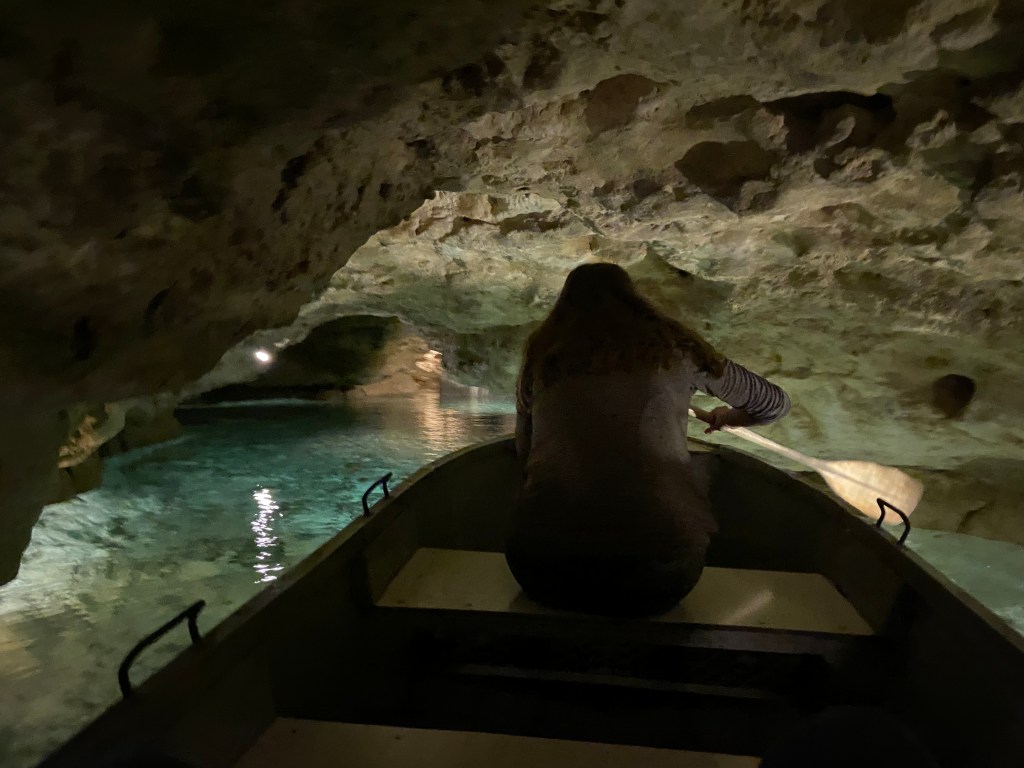
In the area of Lake Balaton there are plenty of stunning historic towns and interesting things to see, as well as the lake itself. One of the oddest places we visited was the Lake Cave of Tapolca, where 2 naturally occurring springs meet and fill up a cave with water. You paddle yourself around the circular tunnel like cave in a rowing boat, where you could end up with a headache if you forget to duck! The wider area has many other attractions and it feels quite spread out, it’s easy to find a nice quiet place if you are seeking tranquillity.
Food
Gulyás (Goulash) is a classic Hungarian dish and is surely the most famous to foreigners. Gulyás is a stew made with beef, vegetables and, of course, paprika. The dish is a very historic Hungarian staple, a truly delicious and hearty meal.
Paprikás Csirke is another classic dish, again using paprika to provide a fantastic flavour with chicken being the main component of the meal. The flavour of the paprika means it has some similarities with Gulyás, but the side component makes it completely different. Paprikás is served alongside Nokeldi, a type of dumpling made with egg that have an almost noodle like flavour.
Lángos is a great Hungarian street food to fill you up on the go. It is a simple deep fried flatbread that you can enjoy on its own or with cheese. A nice greasy bread is something special and definitely under appreciated!
Kürtöskalács is a delicious sweet treat, which gets its name from the fact it resembles a steaming chimney when freshly baked. Kürtöskalács is made by wrapping a sweet dough around a cone or cylindrical shaped spit. The cake is then spit roasted over charcoal and sprinkled with delicious toppings like cinnamon sugar.
Summary
We have always enjoyed visiting Hungary and over a few different visits to the country, we have had both some great days climbing as well as the pleasure of seeing some beautiful small towns and, of course, Budapest. The climbing is pretty good and it is definitely worth taking the time to stop. Whilst there are no major climbing areas, there are actually loads of crags to choose from, many of them in wonderful locations and with far better routes than you might expect.
We write for pleasure and climbing is our passion. Our articles will never be paywalled. However, if you would like to help towards the costs of running the site or if you have found our content useful please consider contributing here. To read more about why your support matters, click here.
Relevant links and resources
https://www.thecrag.com/en/climbing/hungary
https://moly.hu/konyvek/gozony-gergo-magyarorszag-sziklamaszo-kalauza
 The Crag Journal
Wow – the Lake at Tapolca is stunning, like a film set.
LikeLiked by 1 person