Romania is a country we have wanted to visit for a long time and we knew there were a lot of amazing places to visit. We waited for the right time and it was definitely worth it, we had 6 weeks of fantastic climbing and almost perfect weather, it was everything we had hoped for and more. Romania is home to a vast swathe of the Carpathian Mountains and seems to have an almost limitless supply of rock. There are crags, canyons and mountains at almost every turn as well as some of the largest old growth forests in Europe. Climbing aside, we found Romanian people to be very friendly and kind, it was a real pleasure to be able to spend time there.
Guidebooks for Climbing in Romania
Affiliate Disclosure
We have an affiliate partnership with Climb-Europe.com, which means we receive a commission if you buy a guidebook via one of our links, at no extra cost to you. Currently, we only use affiliates for guidebooks from Climb Europe, not anything else. To read more, click here.
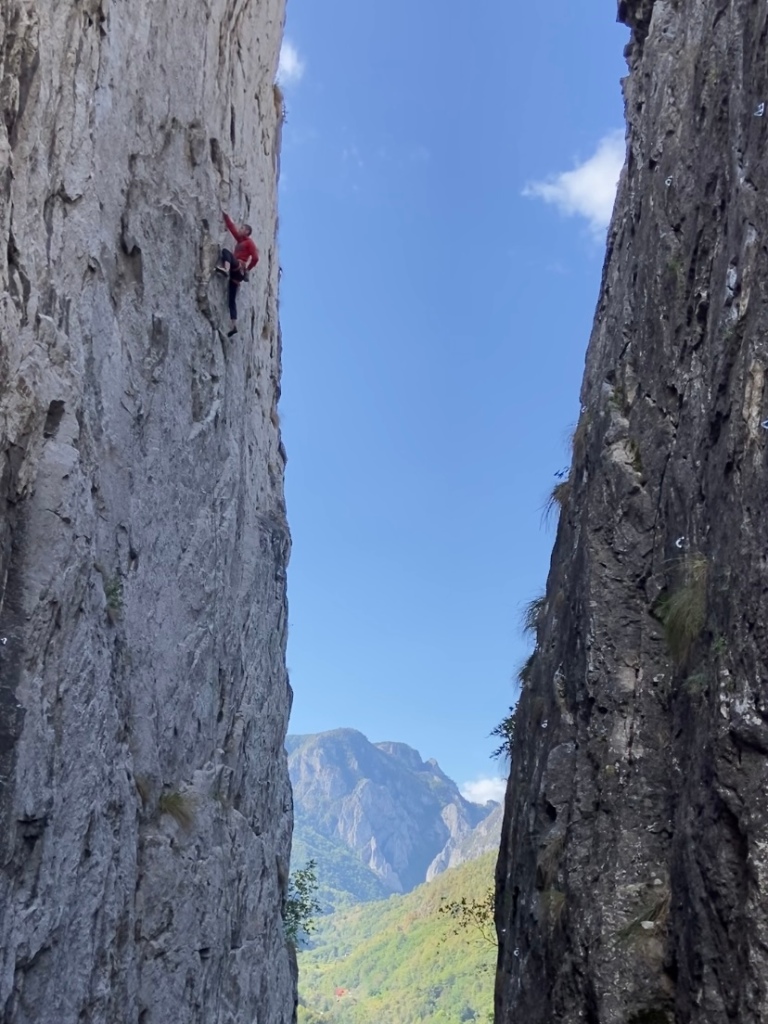
There are a couple of guidebooks for climbing in Romania, which cover loads of great areas and thousands of routes. The select guidebook for the whole country is ‘Romania Rock Climbing Guidebook’ by Dimension Vertical, which we bought before our trip. The other guidebook is ‘Rock Climbing in Romania: A Climbing Guide of Brasov Crags‘ which can also be accessed via the Vertical Life subscription.
A recent addition from 2024, is the Valea Cernei guidebook, which covers some of Romania’s best sport climbing in Băile Herculane.
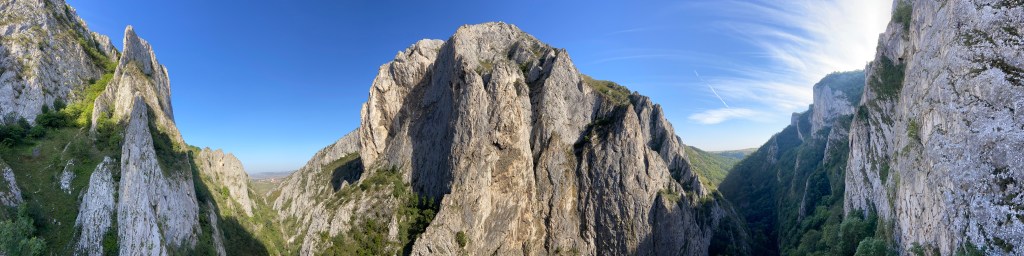
The main consideration with these books is that they were both published in 2010 and a lot has changed in the country since then. Particularly for the approaches and directions, what is in the guide can bare no resemblance to the way things are currently. Despite this, if you go to any crags or sectors not in the guide you realise they are definitely still useful! Thanks to the internet, you can substitute some of the outdated information with new and relevant beta from theCrag.com. In addition to theCrag, it is also definitely worth checking out climbromania.com and romaniaquest.com, which can be very useful.
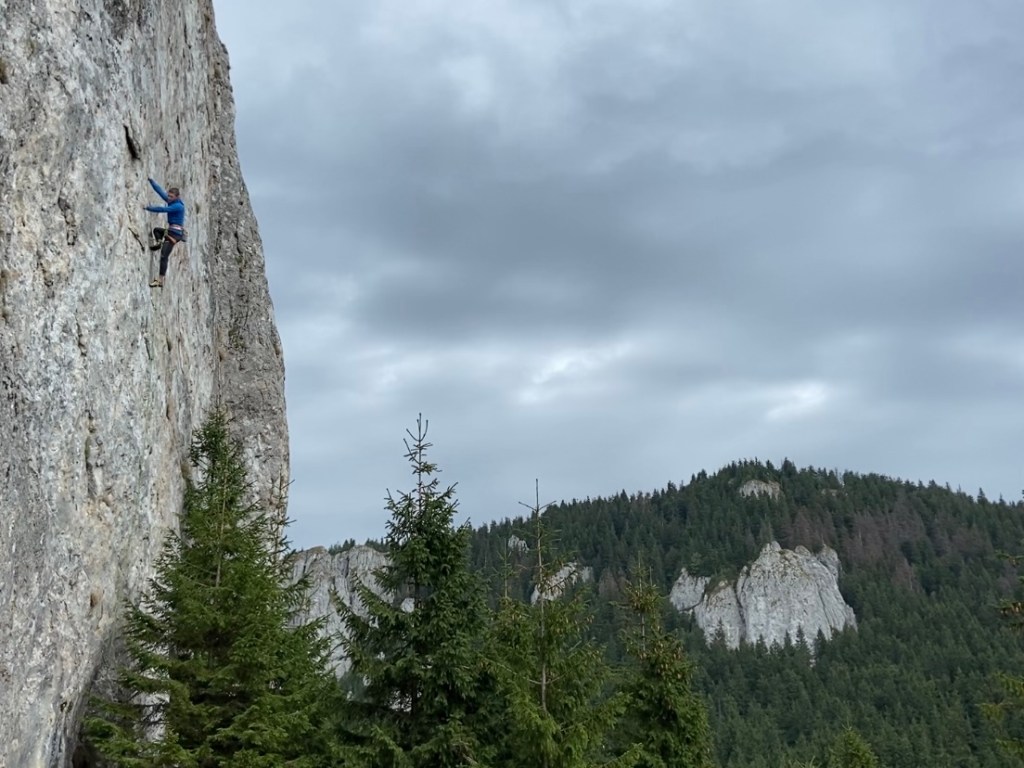
Below is a map of the different crags we climbed at in Romania, so you can see where they are in relation to each other. The crags are described in the order we visited them, please scroll down and use the subheadings if you’re looking for a specific crag.
Weather and Climbing Season in Romania
The climbing season in Romania will obviously vary a lot depending on the area, with crags at higher elevations or north faces having the shortest season. It seems quite common for summer to be mentioned as a good time to visit, but that definitely wouldn’t be our recommendation. We visited during September and October and it was frequently too hot to climb in the sun. Whilst winter will almost certainly be too cold, it seems that summer in this day and age will be too hot. It follows that spring and autumn will be the best bet for good conditions. We had a brilliant spell of weather and whilst we did get lucky, we couldn’t have conceived visiting any earlier than September.
Bears
We don’t like to be dramatic, but it is worth saying that in a few areas you do need to watch out for bears, unlike in most parts of the continent. There are around 6,000 bears in Romania, making it the highest population in Europe outside Russia. In some areas you see them frequently by the road, where they associate people with food, nothing to be scared of in the comfort of a car. The reason we decided to mention the bears was because of an encounter in the woods, a long way from the car, at Tamina.
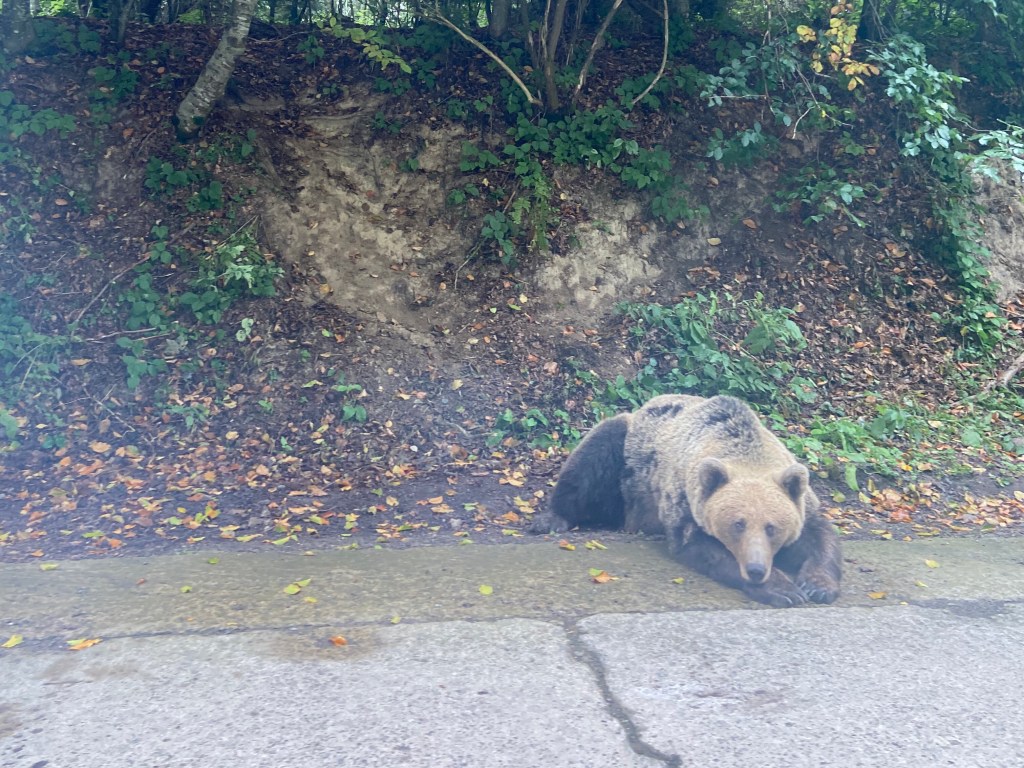
Walking along, we were making plenty of noise, clapping, shouting etc, but spotted a bear sat on the path about 50 meters away. It could see and hear us but wasn’t scared and didn’t move, regardless of our noise (like they supposedly do). We can’t blame it for lack of fear, no doubt it could see off 2 feeble sport climbers easily enough! We backtracked and took a longer detour to the crag and had no issues, but perhaps if we weren’t making noise or if the bear had cubs we could have been in trouble. It was scary because it didn’t run away, but equally it didn’t threaten us either. We thought it might have been dying or something, so we took a look on the way back, but it was gone. Thankfully it didn’t turn into The Revenant, but it is worth reading up around bear safety before you head into the woods, and be prepared that they might deviate from the script.
Climbing Recommendations
Northern Romania
The Northern part of Romania is home to lots of beautiful and under appreciated climbing areas. As well as the climbing, we found the northern part of the country to be particularly stunning, with many of its own unique charms. Whilst this part of Romania receives less hype than other areas of the country, it is equally deserving of a visit and has so many wonderful places to see.
Creasta Cocoșului
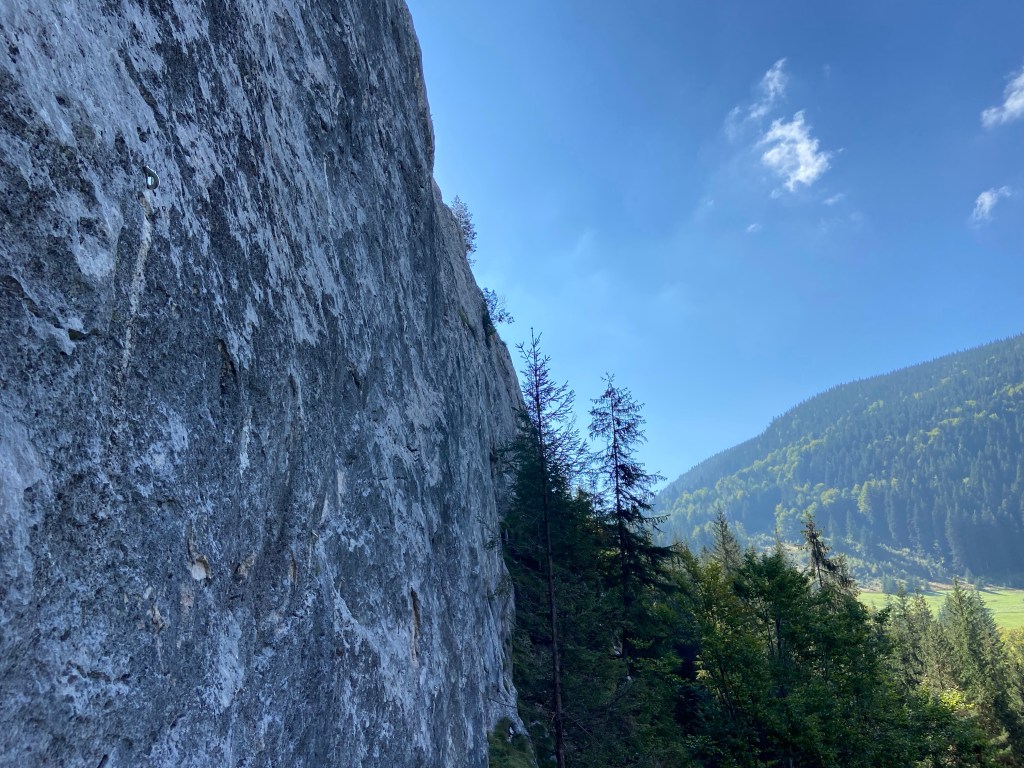
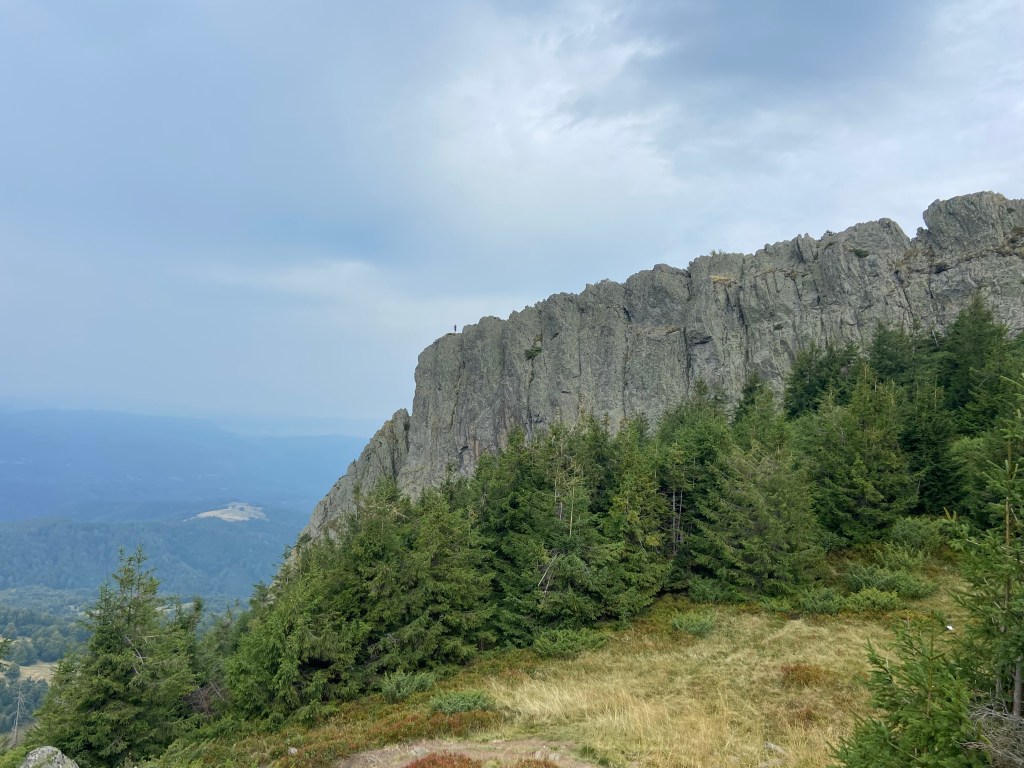
Creasta Cocoșului is a beautiful and relatively significant climbing area in Romania. The crag is Andesite, a type of volcanic rock that is effectively halfway between Basalt and Rhyolite. This was the only non-limestone crag we saw in all of our time in Romania, certainly something of a rarity in the country. Creasta Cocoșului sits at around 1,450 meters elevation and the name translates to ‘Cock’s Comb’, owing to the shape of the crag.
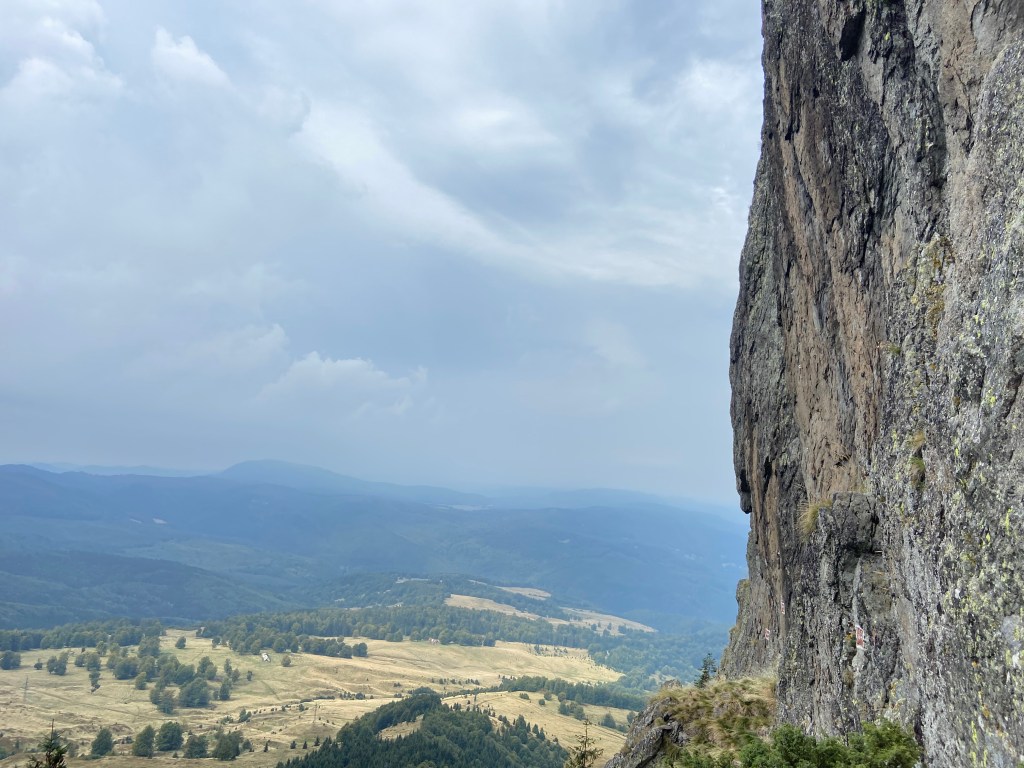
The walk-in is quite hefty, over 6km with several hundred meters of elevation gain and takes around 1hr 45 mins. The distance is worth it, the place has beautiful views in there is also a small cabin you can sleep in around 2/3rds of the way there. The rock quality is varied, there are some hollow holds, but the actual texture and composition of the rock is great. Creasta Cocoșului has 37 routes from 3 to 7a+ and is definitely worth a visit.
We write for pleasure and climbing is our passion. Our articles will never be paywalled. However, if you would like to help towards the costs of running the site or if you have found our content useful, please consider contributing here. To read more about why your support matters, click here.
Rarău
Rarău is an awesome and relatively modern climbing area, with an alpine feel but an easy approach. Despite lying at an altitude of over 1,600 meters, most routes will be no more than 15 minutes walk in! The downside of that is that it can be crowded at weekends, mainly with hikers. However it’s a great place to escape the heat and is a superb mid-week crag. Rarău’s main climbing sectors are on the Pietrele Doamnei (Lady’s Rock), a pair of giant pinnacles surrounded by smaller pinnacles and massive boulders.
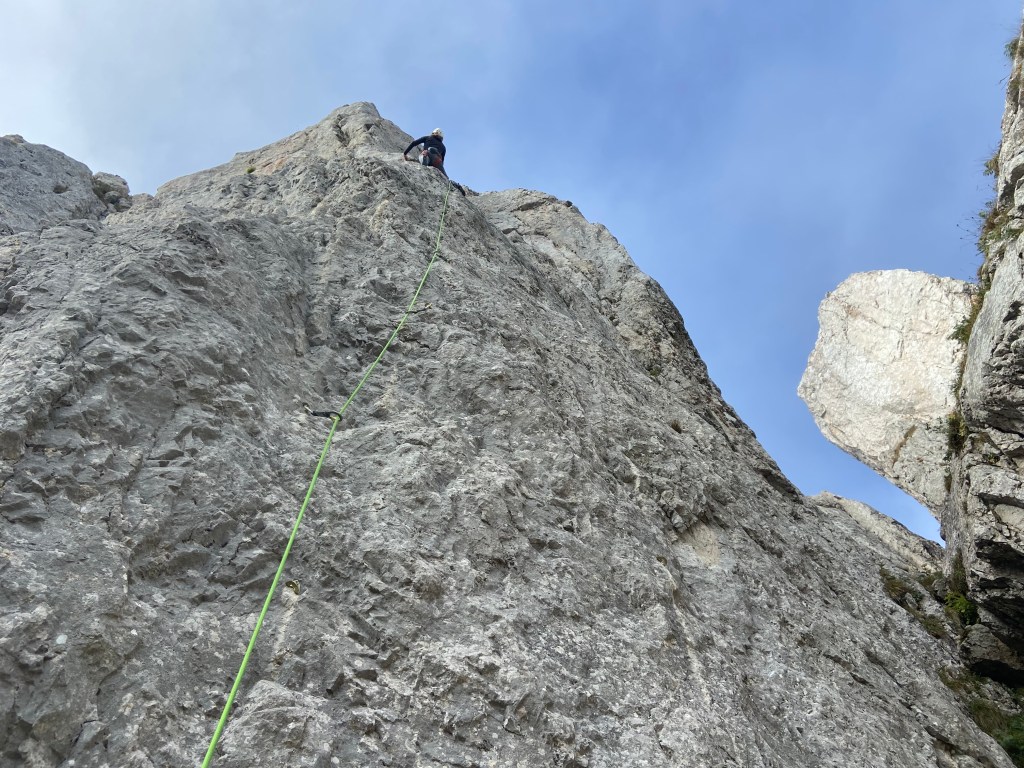
We thought the rock at Rarău was absolutely superb, lovely limestone with that alpine weathered texture and excellent friction. The bolting is generally very good and the routes have a great deal of variety, from steep walls to cracks and sneaky slabs. The weather seems to do its own thing at Rarău, so don’t rely on the forecast too much, it is also worth knowing the rock can dry remarkably quickly if there is a breeze. Rarău has about 175 routes from 2 to 8c and is a really great venue.
Cheile Bicazului
Cheile Bicazului is a massive and super impressive canyon, with a road passing right through the bottom of it. The gorge is a major tourist attraction and the road is lined with stalls, don’t expect much peace if you climb in this part of Bicaz. However, the solitude seeking climber can still find a lot here. Raza Soarelui is a fantastic sector with high quality single pitch sport routes in a part of the gorge where only climbers go. Similarly, the smaller sector Plus is in a beautiful quiet place in the forest and offers constantly shaded climbing in total seclusion.
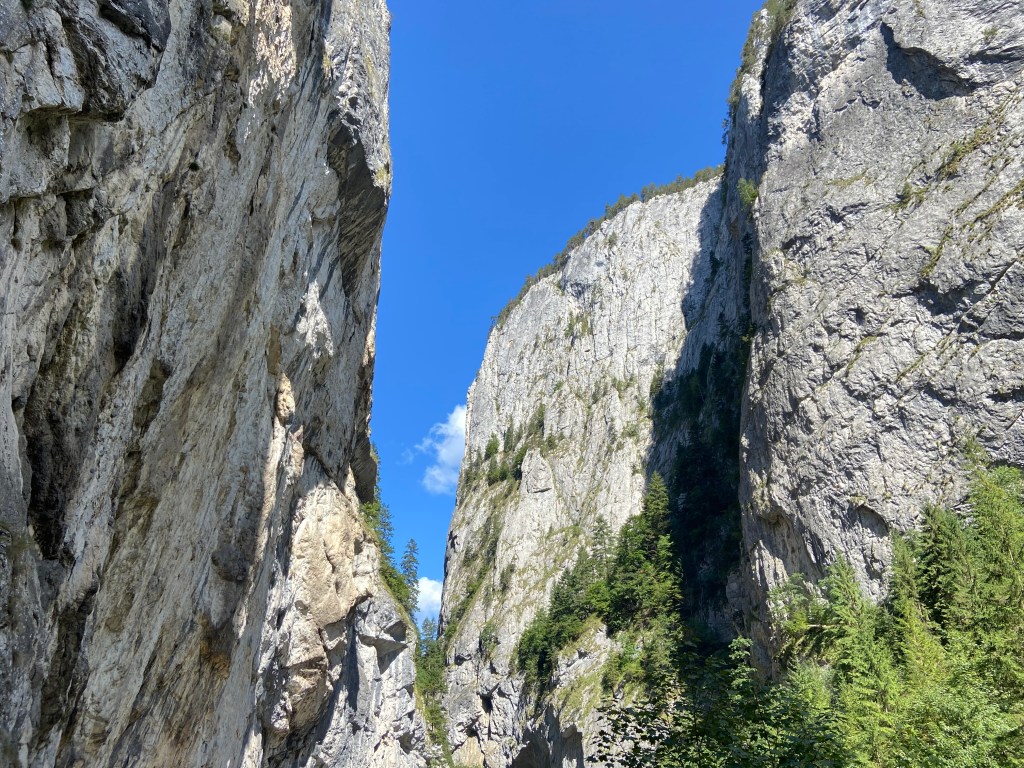
Cheile Bicazului has around 300 routes, with around 2/3rds of those sport, but with bolts of varying quality. The grades range from 3-8b+ and style wise there is everything, from giant adventurous multipitches, single pitch sport and even a few dry tooling routes. We enjoyed a good look around the main gorge, which is stunning, but opted to climb at the far out sectors which felt like a good decision as we had a great time there. With so many routes and different sectors, everyone should be able to find something to their taste here.
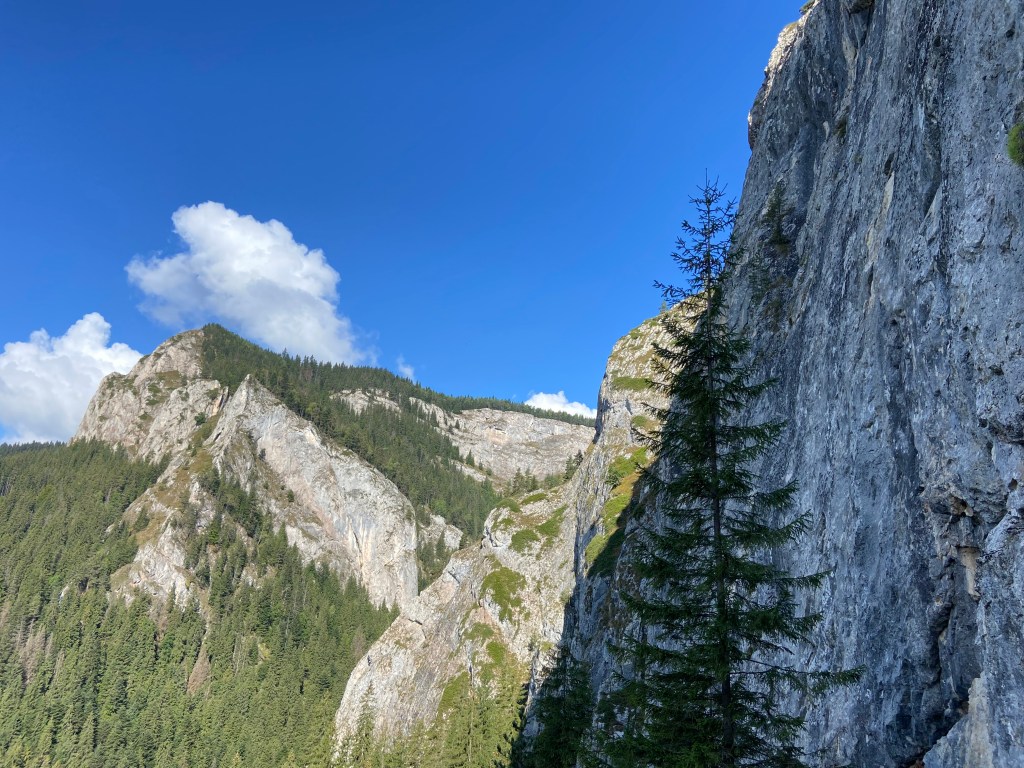
Piatra Singuratică
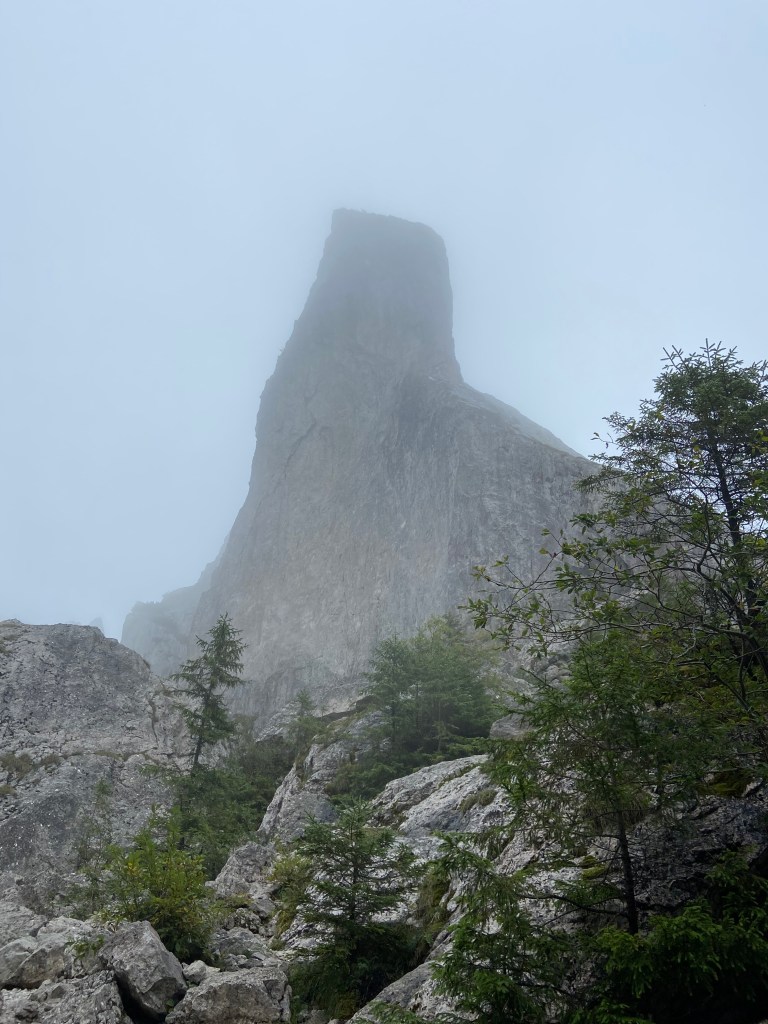
Piatra Singuratică is a wonderful area we had not initially planned to visit, but we’re really glad we did. Like Rarău, Piatra Singuratică is a collection of beautiful limestone pinnacles on top of a mountain, at an altitude of over 1,500 meters. However, the name of this crag translates to ‘The Lonely Stone’ – an accurate description in terms of the approach! The walk in is around 4 km but with 600 meters of elevation gain, quite taxing with a climbing bag on. Needless to say you earn some beautiful views and don’t have to think about any crowding issues here.
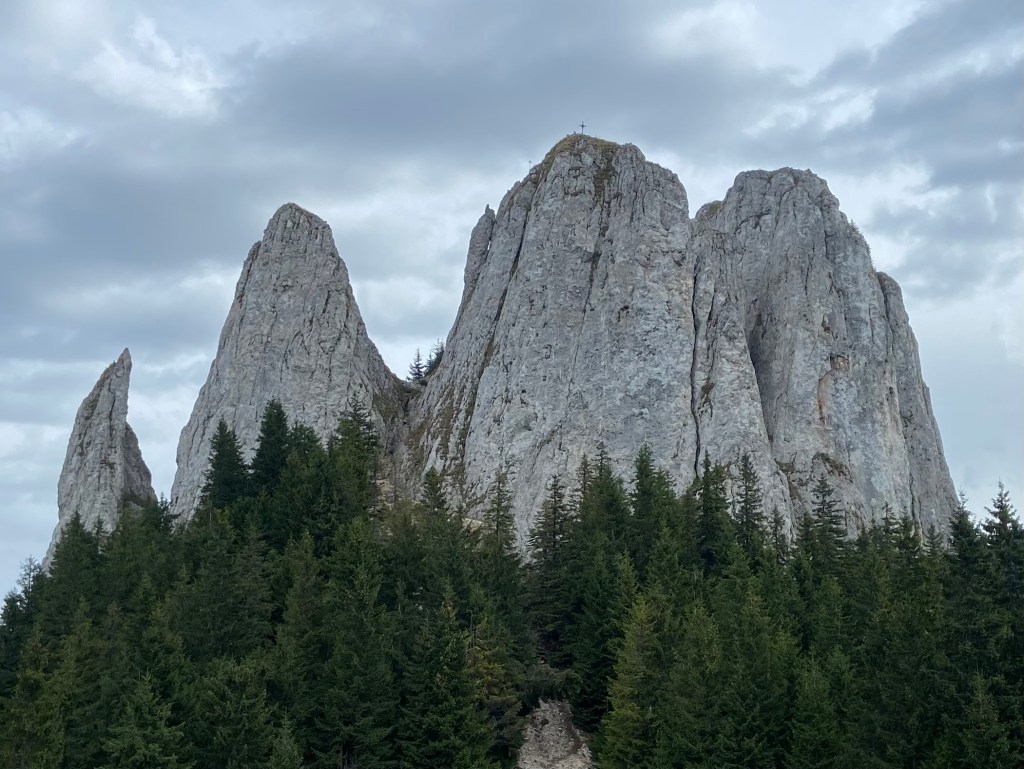
Piatra Singuratică has a beautiful mountain hut or Cabana at its base, run by a really friendly guy, you can sleep here for around €7 per person, per night. There is a fun scramble/ very easy via ferrata that goes to the top of the tallest pinnacle from there. The routes are dotted all around, some look right down on the cabana and others are tucked around out of sight and where nobody goes. Piatra Singuratică has around 30 routes from 4 to 8a, with some good climbing in stunning surroundings.
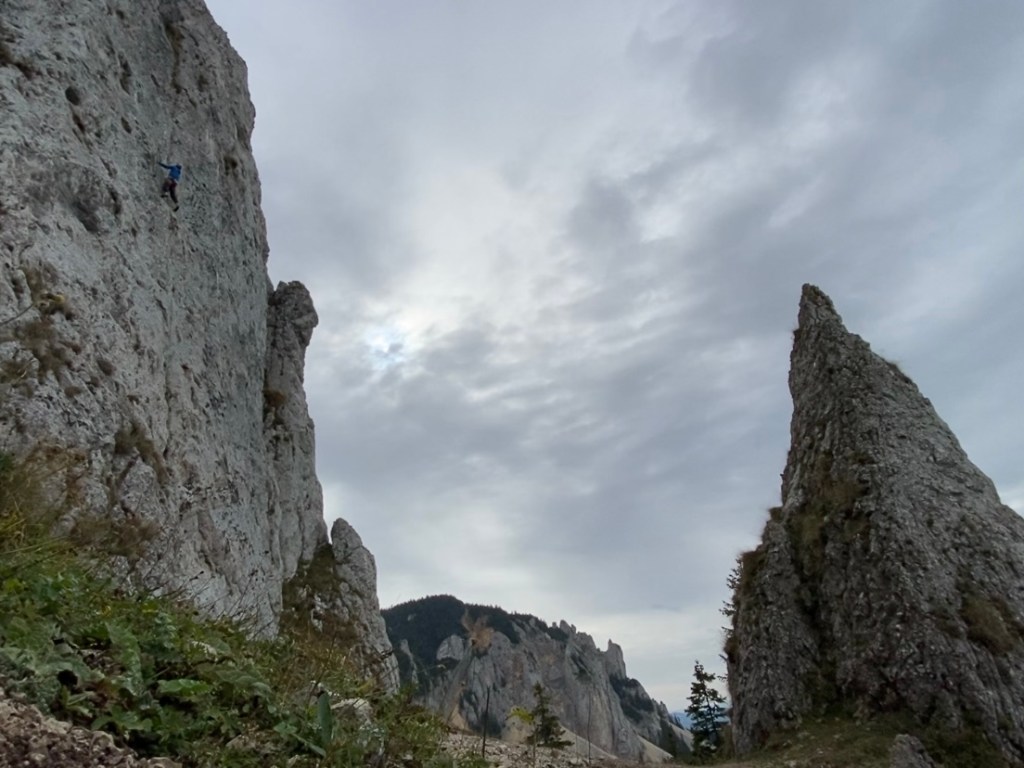
Brașov Area
Brașov is one of the best known climbing areas in Romania and the town of Brașov itself is a beautiful historical city, known for its Saxon heritage dating back to the 13th century. In the mountains surrounding Brașov there is a wealth of climbing and hiking to enjoy, both on the doorstep of the city and further afield. Located in the centre of Romania, Brașov is an obvious place to include on any climbing trip in the country.
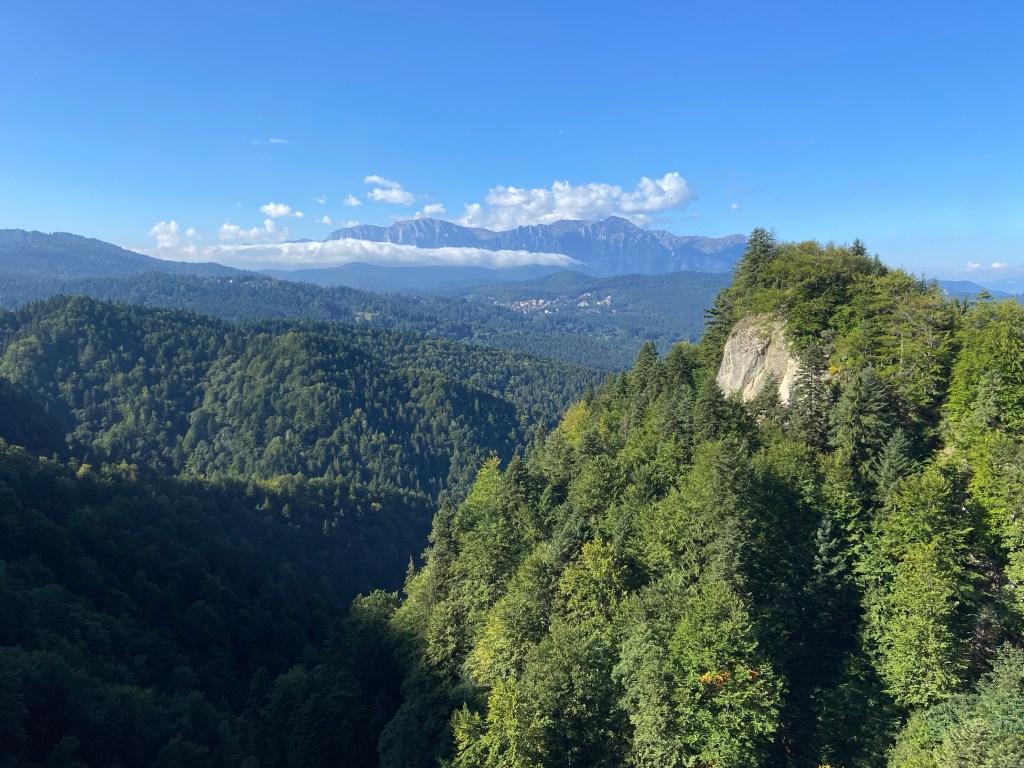
Pârâul Rece AKA Belvedere
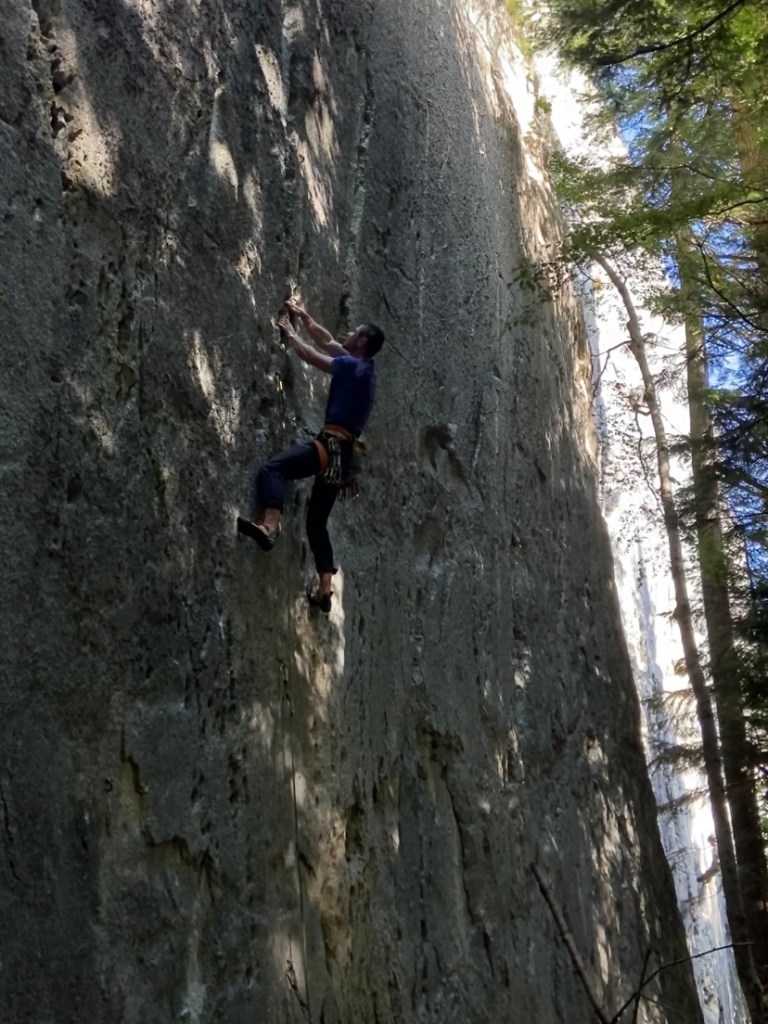
Belvedere was our favourite crag in the Brașov area, the rock is absolutely superb and some of the nicest single pitch routes we did in Romania are here. The crag is in a nice peaceful location where you don’t feel at all disturbed, the routes are of varying length but they all share the same great rock. There are loads of pockets, crimps, cracks and jugs, the climbing is very pumpy and varies slightly either side of vertical. Belvedere has 55 routes, with grades from 5+ to 8b+ and really punches above its weight as a crag in the vicinity of Brașov.
Invaluable information on this Two Dirtbags blog post of how to access the crag
Tamina
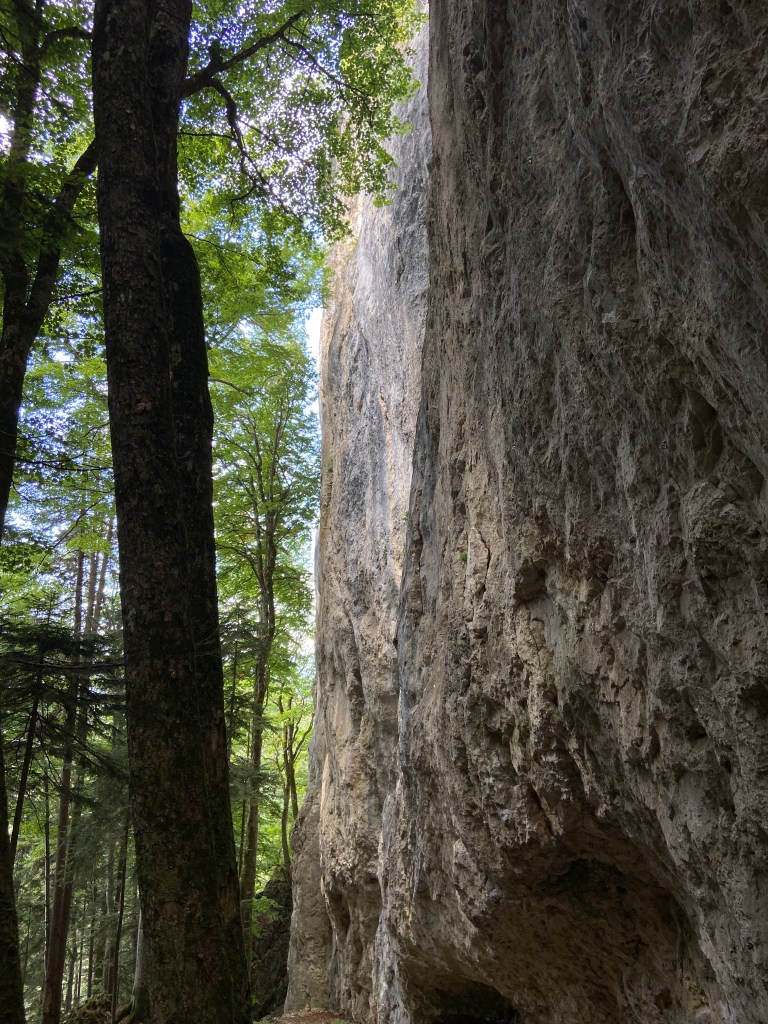
Tamina is a beautiful area, the crag is set high on the hillside in the forest, with a 45 minute approach. There is a cool waterfall and series of ladders up a canyon right at the crag that is worth a look while you’re there. The routes at Tamina are mostly quite long and on a really big and impressive crag. The quality of the rock is not as good and it definitely doesn’t compare to crags like belvedere. Tamina has about 70 routes, from 5+ to 8c+ and it seems the harder the route the better the rock is, the mid 8s looked stunning…but far beyond us. It is a nice crag for a day out and the environment is wonderful, also known as ‘the land of the bears’ so watch out!
Valea Peleşului
Valea Peleşului is a brilliant climbing area, around 50km south of Brașov, close to the famous Peleș castle. The area is set in the forest, with a beautiful river and some nice walking trails. There are lots of sectors, rather than one big crag, some of them can be a bit tricky to find. On the whole the rock quality was really good, but it can vary from sector to sector. Valea Peleşului sits at the base of the Bucegi mountains, which are well known for hiking but also has loads of different climbing areas if you want to stay longer in the area. Valea Peleşului has around 115 routes, from 5+ to 8c and is definitely worth a visit.
Piatra Craiului/ Prăpăstiile Zărneştilor
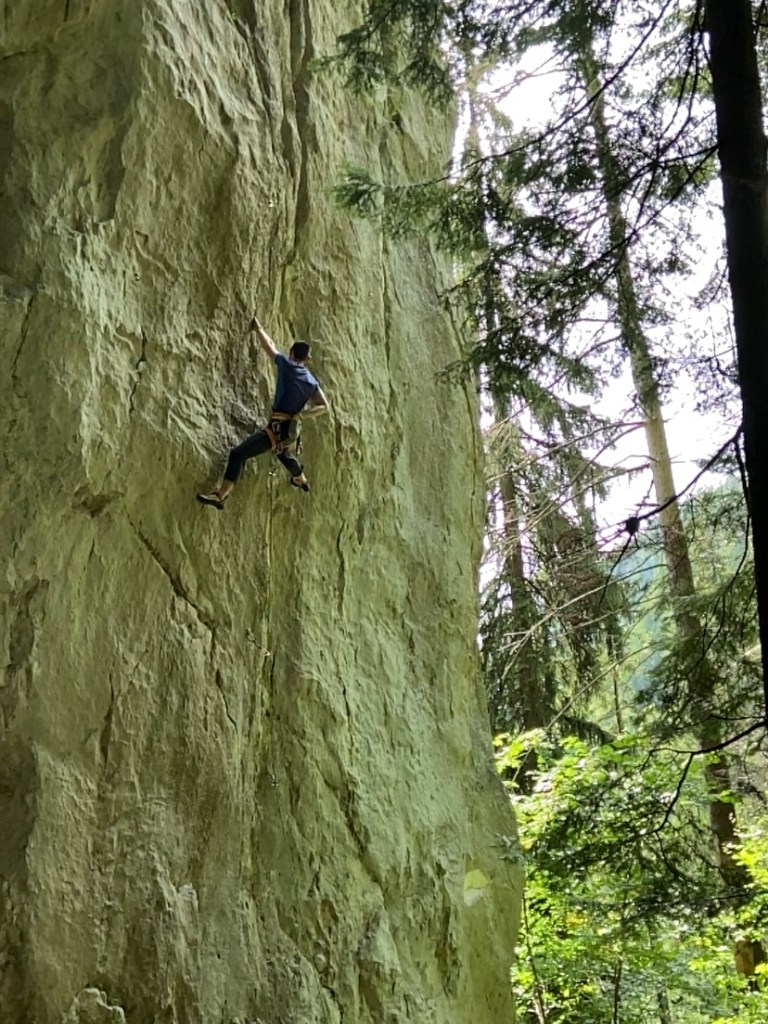
Piatra Craiului is the name of a beautiful mountainous national park, with many climbing areas, and Prăpăstiile Zărneştilor is the largest and most popular of those. Prăpăstiile Zărneştilor itself is a canyon with a well traveled walking trail through the bottom, many sectors sit along this trail enabling you to become a tourist attraction! The size and quality of the sectors vary a lot, we thought La Refugiu was the best, with some long and steep routes that feel like a real trip. We really enjoyed the climbing here and would visit again, but not at the weekend as it was total chaos! Prăpăstiile Zărneştilor has over 100 routes, from 3 to 8b, and should be an awesome place to visit midweek.
Apuseni Mountains
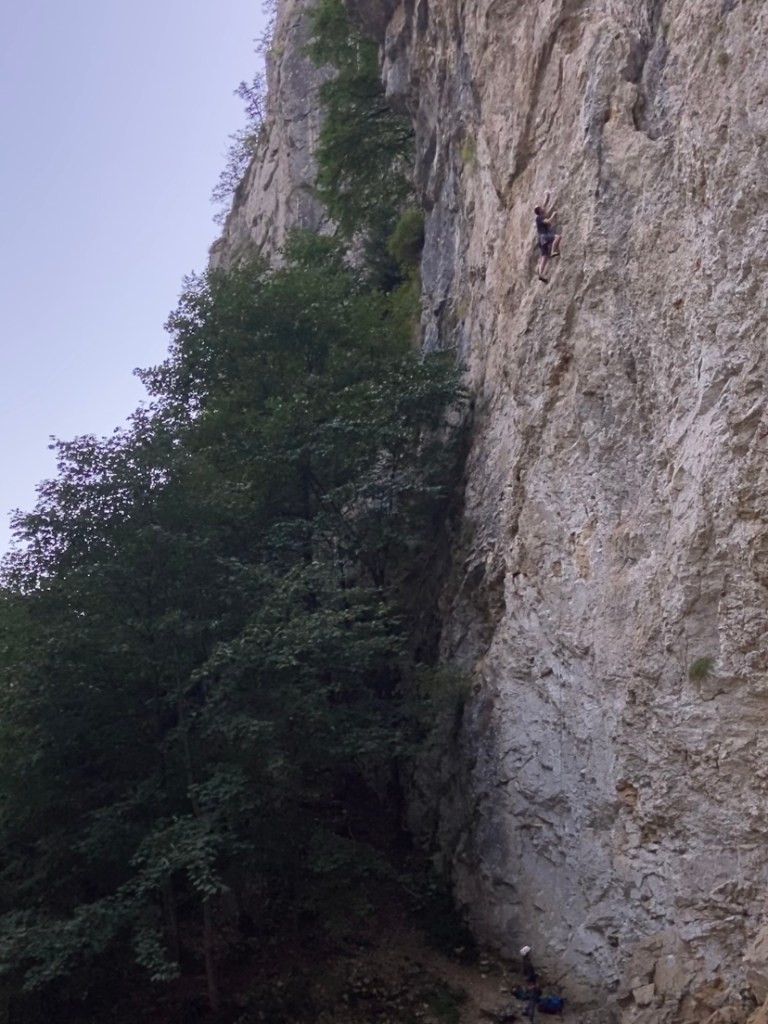
The Apuseni Mountain area was the highlight of our time in Romania. Apuseni is located in the Western Romanian Carpathians and is a beautiful, authentic part of Romania where traditional rural life has been preserved. The landscape is serene and unspoilt, there are very few tourists outside the famous spots and the local people are incredibly friendly. Climbing wise it is home to some of the best areas in all of Romania.
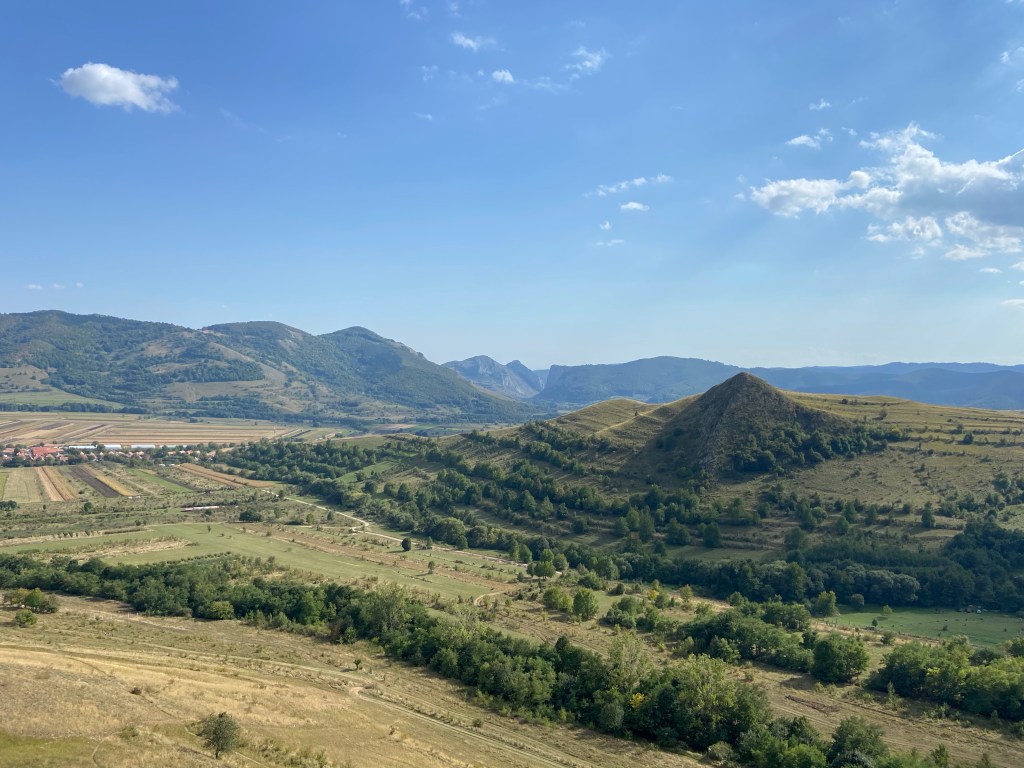
Cetatea Lita
Cetatea Lita is a small and peaceful climbing area, named after a stunning ruined fortress that sits on a hilltop, overlooked by the crags. The fortress first appears in documents from 1324, but has been ruined for several hundred years now. Climbing wise, the sightseeing is perhaps better than the routes. Unfortunately, the rock quality is not very good and given the huge amount of amazing crags in the Apuseni region, Cetatea Lita is probably only worth visiting if you want to see the fortress, or have an easy day with some amazing views. Cetatea Lita has 80 routes, from 5 to 8a, spread across several sectors on the hillside.
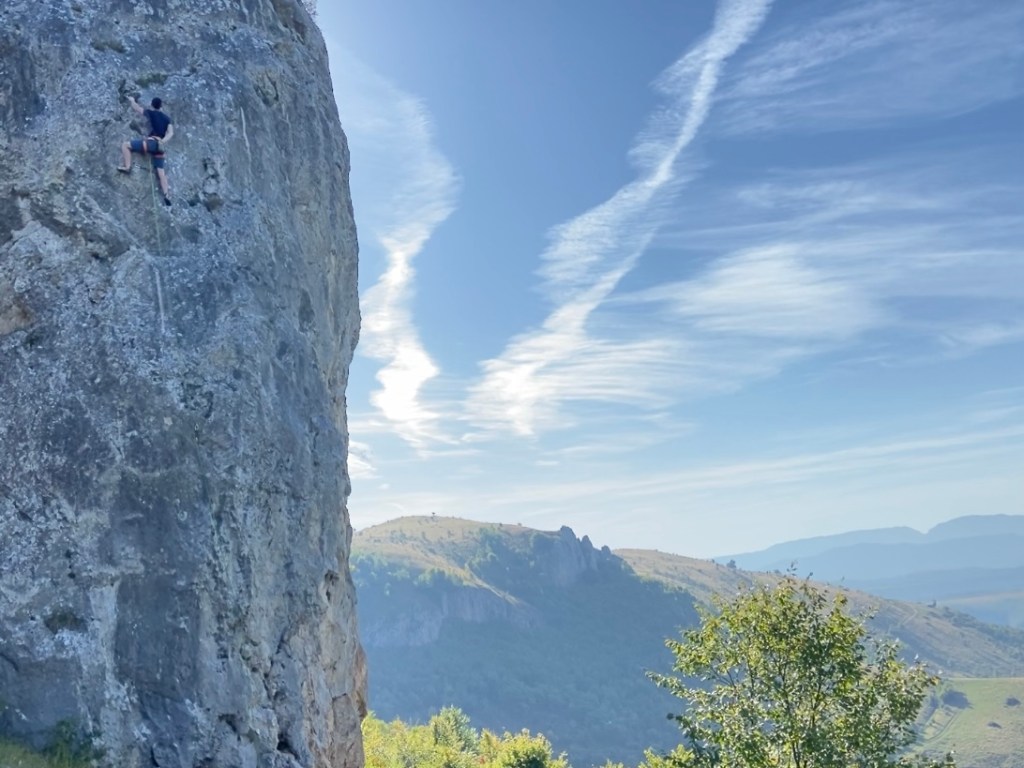
Cheile Turzii
Cheile Turzii, also known as Turda gorge, is a first rate climbing area and one of the best in Romania. Cheile Turzii feels like it has everything, long multi-pitches, mega steep cave routes, techy slabs and even a via ferrata. Every route we did was on really nice rock and there is something for everyone, the hardest part is picking a sector! The rock formations are incredibly diverse and the scenery is simply beautiful. There is a tourist trail through the bottom but the crags are mostly far away on the hillside, you need never be disturbed. Cheile Turzii has around 560 routes from easy scrambles to 8c and walls up to 300m.
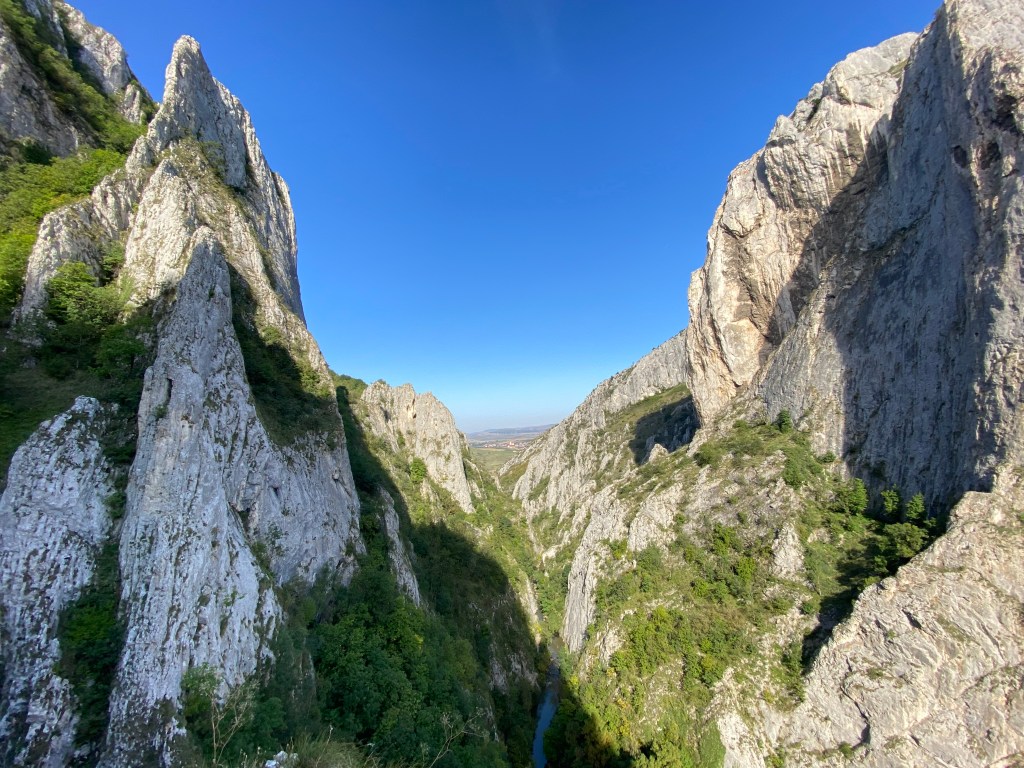
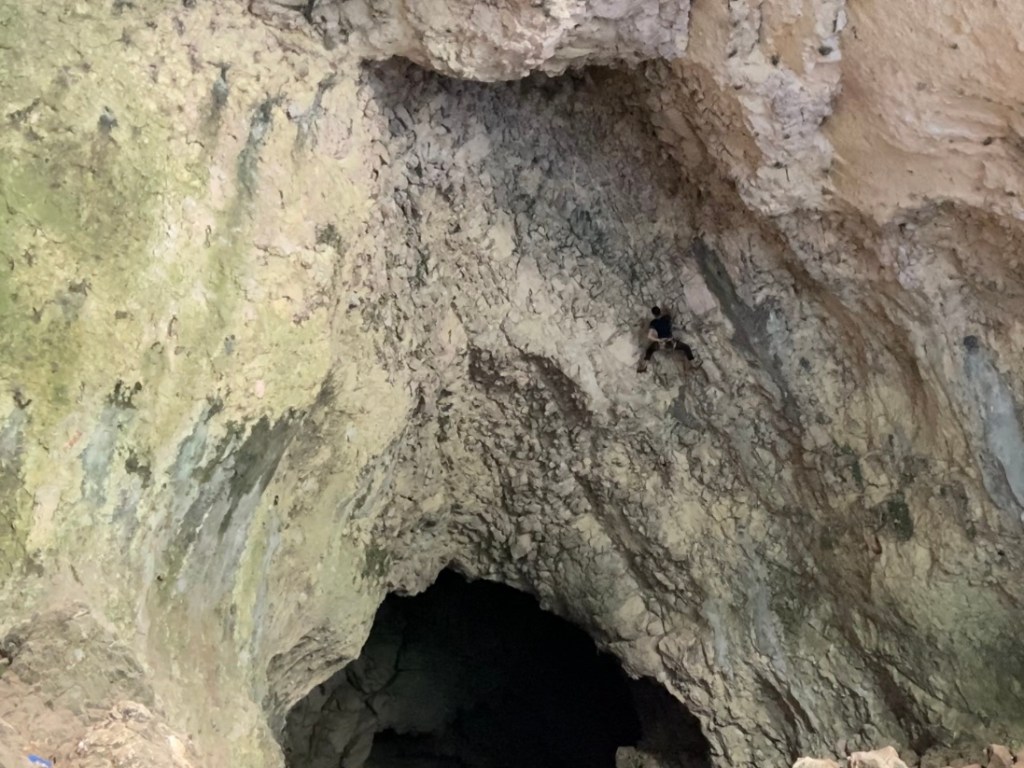
We thought we’d mention some of our favourite places in the gorge, to give an overview of the vast choice available. Peştera Ungurească, meaning Hungarian cave, is one of the coolest sectors in Cheile Turzii and one of our favourites in Romania. The cave is deep and quite dark, perfect for sheltering from rain or sun. When we first arrived we were a bit disappointed, it looked like the rock wasn’t so good and that the holds could be dirty. As soon as we climbed we realised the opposite was true, the rock is absolutely amazing and totally solid. It’s like that super stuck together and heavily featured rock you sometimes get in coastal areas, but at least 30° overhanging and in a cave. Almost all of the routes are equipped with permadraws, a great effort from local climbers, as stripping routes there would be harder than climbing them!
For more vertical rock, there is a huge amount to choose from, both single and multi-pitch. It is worth mentioning that most multi-pitches or historic routes will be equipped with pegs and not bolts, some of which are quite old, so you may want to take some gear or climb within your limit. We were seeking shade and so headed to the Colțul Crăpat area to see what caught our eye. The approach was long and quite faint, but has some of the most beautiful views in the entire gorge. What we found were some routes from various ATA climbing opens, which had been bolted around 15 years ago but didn’t seem to have been climbed much since. The rock felt virgin and was absolutely superb quality, the routes had also stayed fairly clean. It was awesome to climb such great routes, in a beautiful and iconic location, but with nobody else around.
For an active rest day in the gorge, there is a superb via ferrata through the Grota lui Hili, a stunning arch-come-cave that sits high in the gorge with a stunning view. The via ferrata had some controversies, it was built in 2012 on an existing low grade climbing route and the cables got chopped. It seems to be widely accepted now, but one thing we do think is that it’s not the job of visiting climbers and tourists to interfere in the climbing ethics of another country. Whether you go for routes or via ferrata, the Grota lui Hili is an amazing piece of rock architecture and it gives you a birds eye view of the huge amount of rock in Cheile Turzii. This side of the gorge bakes in the sun all day so go when it will be cool or pack your sun cream!
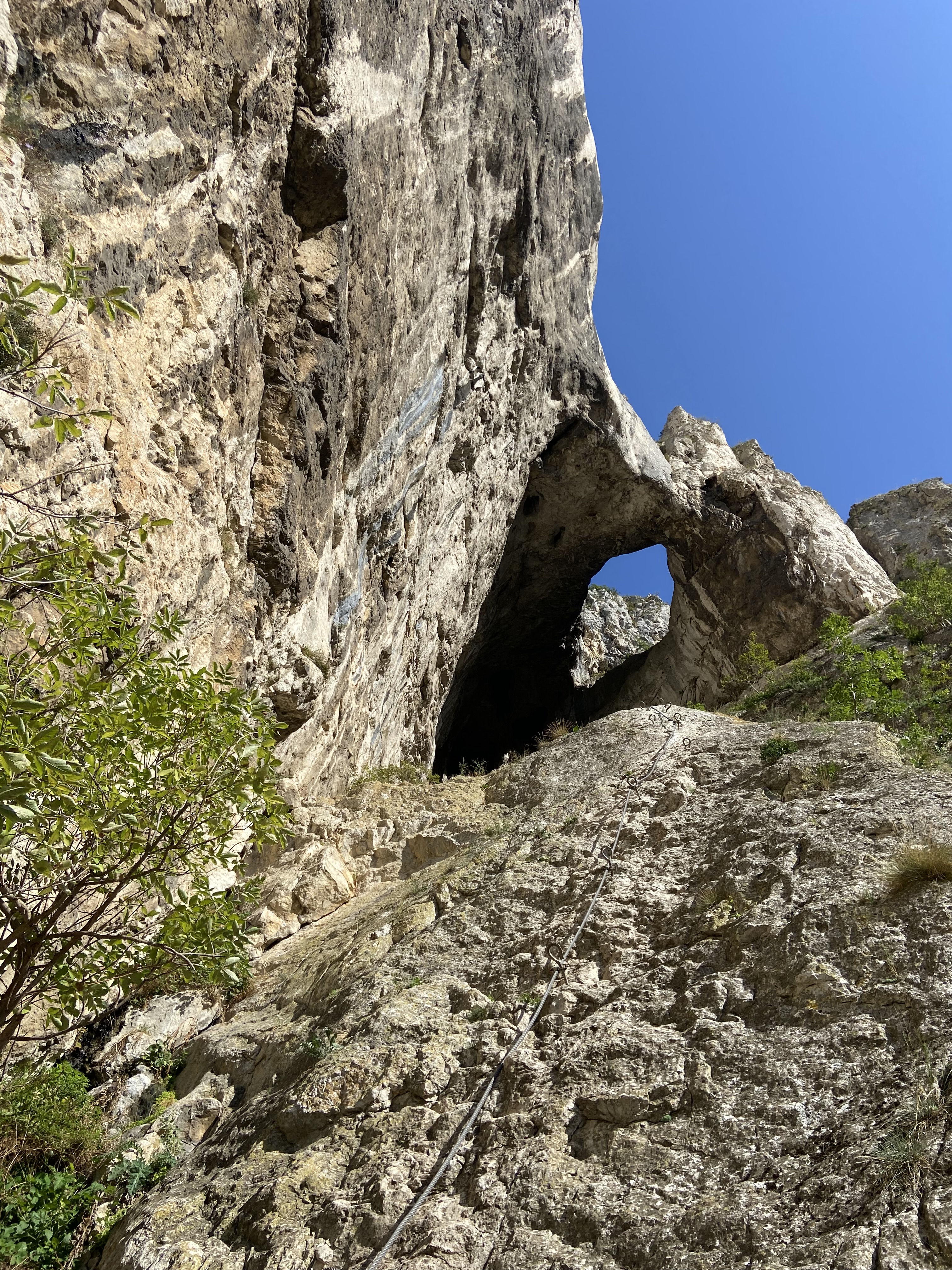
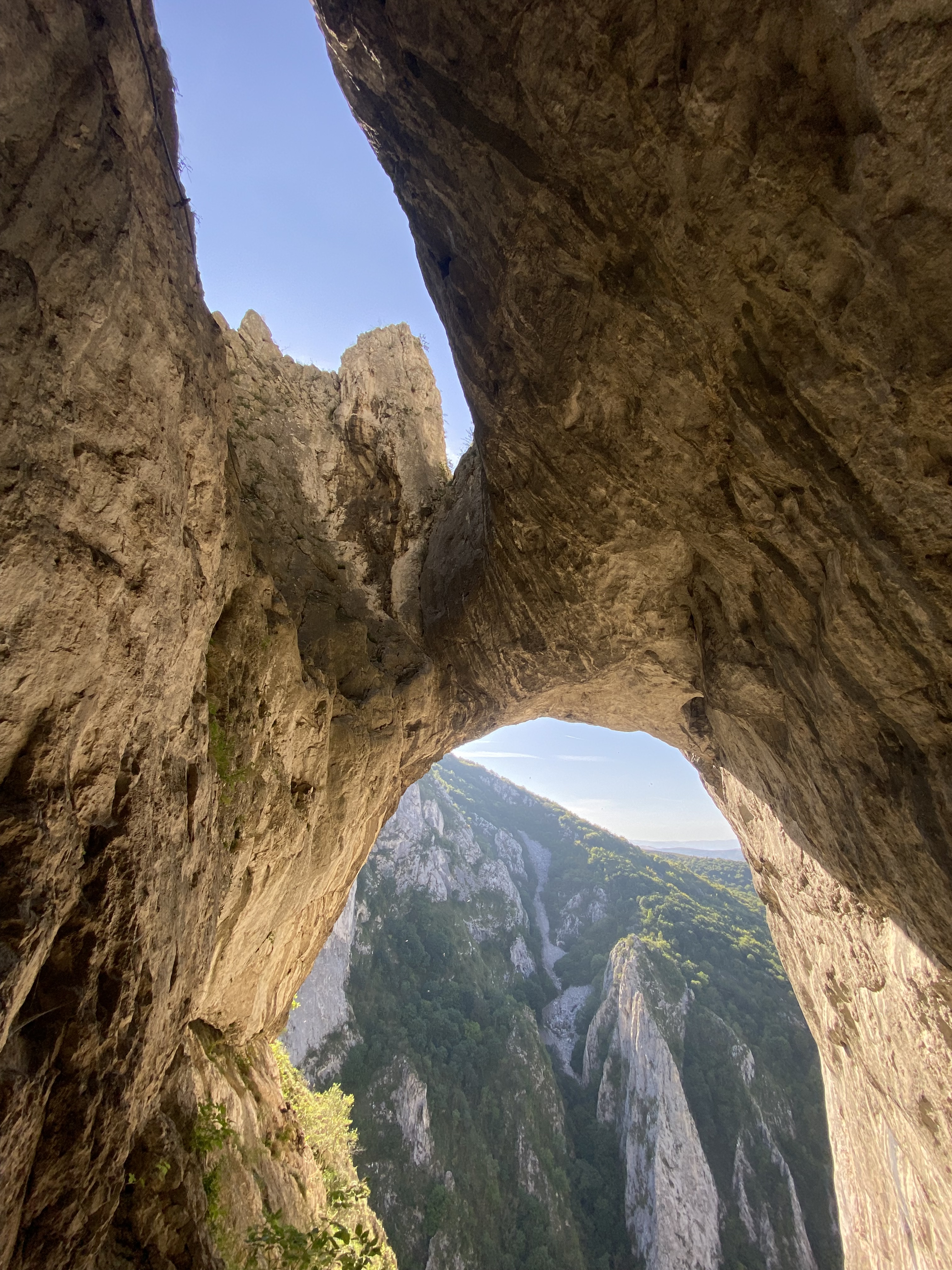
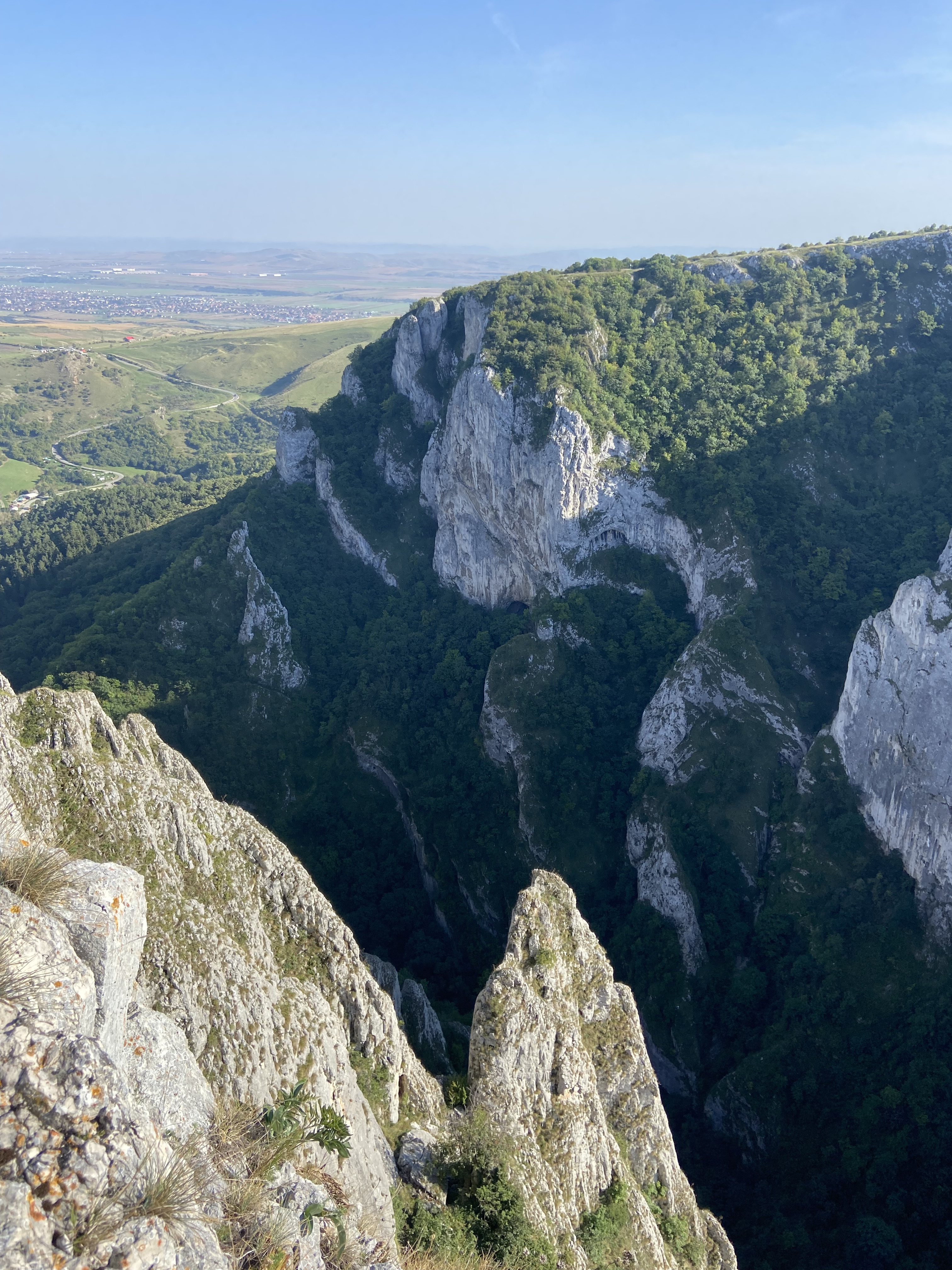
Via ferrata Grota lui Hili
Cheile Turenilor
Cheile Turenilor is quite close to Cheile Turzii, but is smaller, quieter and not as good. What makes Cheile Turenilor a bit more interesting is that you can drive on dirt tracks to the very top of the gorge and approach some of the sectors quickly and easily from above. On the plateau there is rarely anyone else around and the views make it a lovely relaxing place to hang out. Climbing wise there are 130 routes, from 4 to 7b+ and the crags tend to be a bit less visually inspiring than those at Cheile Turzii. However, the rock was still nice on the sport routes and the climbing was actually very enjoyable, perfect for a quiet, chilled day of climbing.
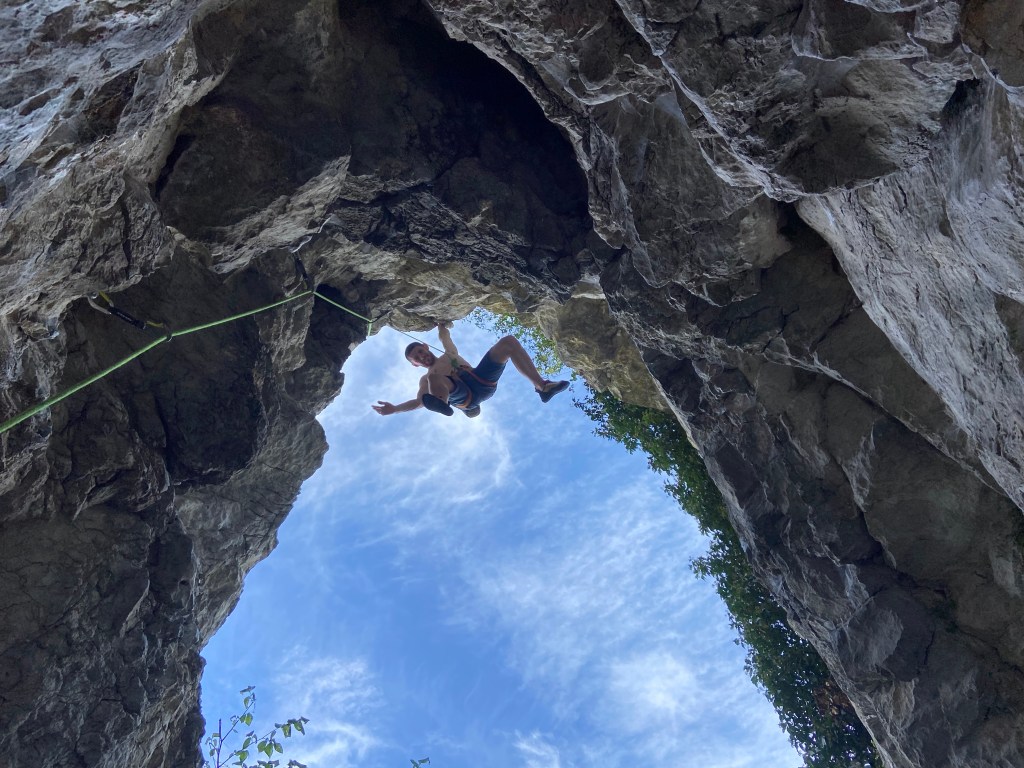
Rimetea
Rimetea is a beautiful climbing area, in an idyllic part of the Apuseni Mountains. The climbing is very spread out, there are loads of sectors all over the slopes of the stunning peak Piatra Secuiului. The rock is generally good, and the climbing tends to be slightly slabby with technical moves on compact grey limestone. Because the sectors are small they may only have a couple of good routes so it is worth considering walking between them if you want to cherry pick the nicest lines. Whilst the climbing is good, its the area that really makes it, there are lots of great things to see like the ethnographic museum in Rimetea village and the nearby Trascău Fortress, a ruined hilltop castle from the 13th century. Rimetea has over 280 routes, from 4 to 8a, and is deifitnely worth including on a trip through the Apuseni region.
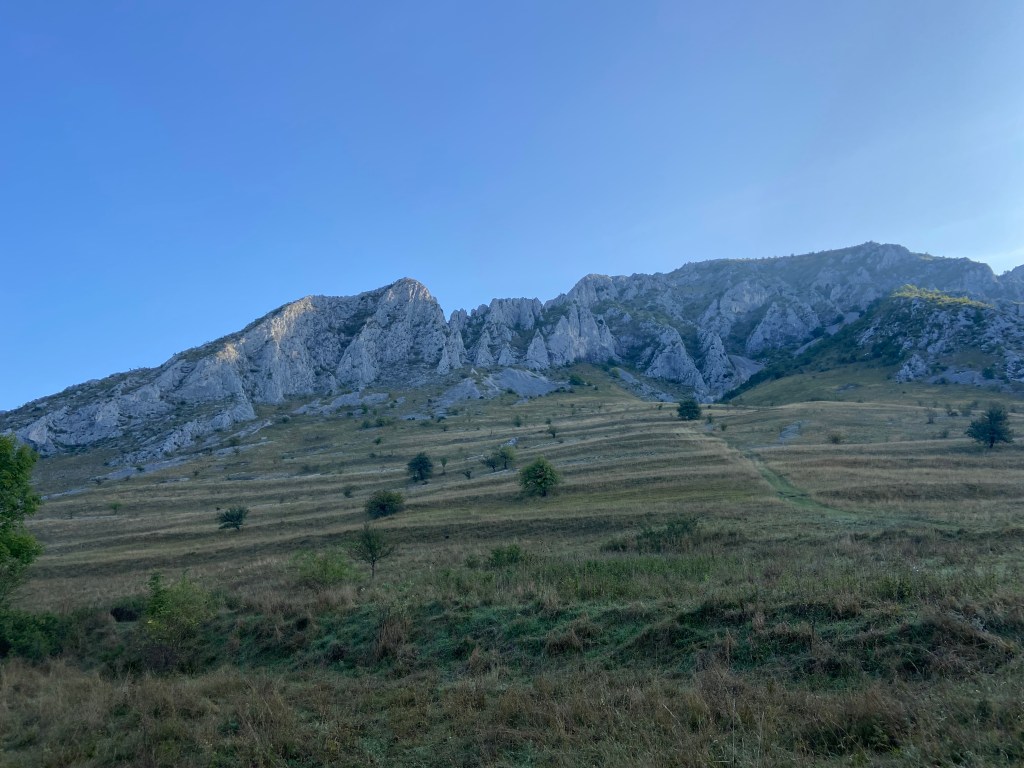
Cheile Mănăstirii
Cheile Mănăstirii is an absolutely superb climbing area that seems to fly under the radar of many climbers. The crags are situated next to the Mănăstirea Râmeț, a historical church and monastery complex that originally dates back to the 14th century. The road is a dead end and it is an incredibly peaceful and beautiful place to be. A hiking come easy via ferrata trail continues from the road end and goes through the Cheile Râmeț, which has a beautiful river, natural stone arch and tonnes of untapped climbing potential. Climbing wise, Cheile Mănăstirii already has a great selection, with around 100 routes from 4 to 7c+ and you can choose from single pitch sport or mulitpitch trad, whatever takes your fancy.
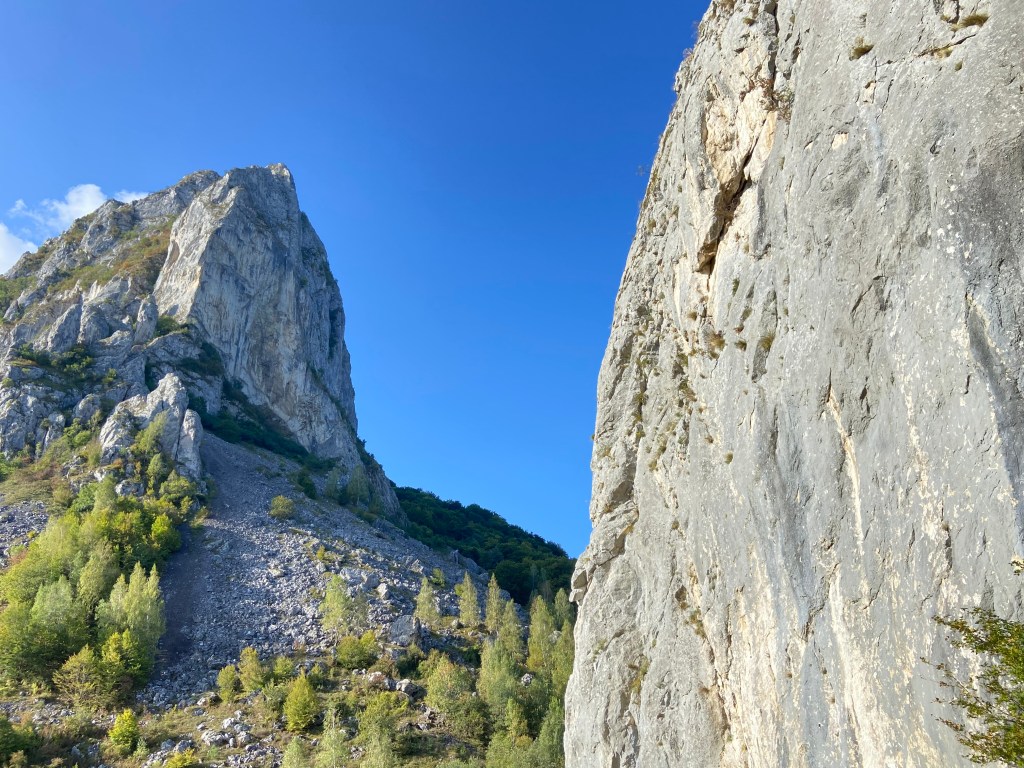
Our favourite sector was an amazing slot canyon, high up on the hillside, with amazing views. The routes here have been very recently re-bolted and are just begging to be climbed. The canyon gets the shade all day and is the perfect place to escape the heat. The routes are long and have a unique & really fun climbing style. The rock is generally really good quality and as an individual sector it was one of our favourites in the entire Apuseni region. Cheile Mănăstirii was a great surprise and definitely deserves more recognition as one of the best and most beautiful climbing areas in the region.

Calcarele de la Ampoiţa
Calcarele de la Ampoiţa is a beautiful climbing area in a really unlikely location. The surroundings of Ampoiţa are rolling and forested hills and you would imagine you could be a long way from the nearest crag. Then suddenly, the Calcarele de la Ampoiţa (meaning The Limestones of Ampoiţa) comes in to view. Three large pinnacles, almost resembling the shape of haystacks, with beautiful bone white rock. The climbing is really good quality, the rock gives nothing away and you have to reach deep in your bag of tricks. It feels like a unique area, with a wonderful relaxing atmosphere and plenty of great routes to keep you occupied. Calcarele de la Ampoiţa has around 157 routes, from 3 to 8a, and is definitely worth a visit.
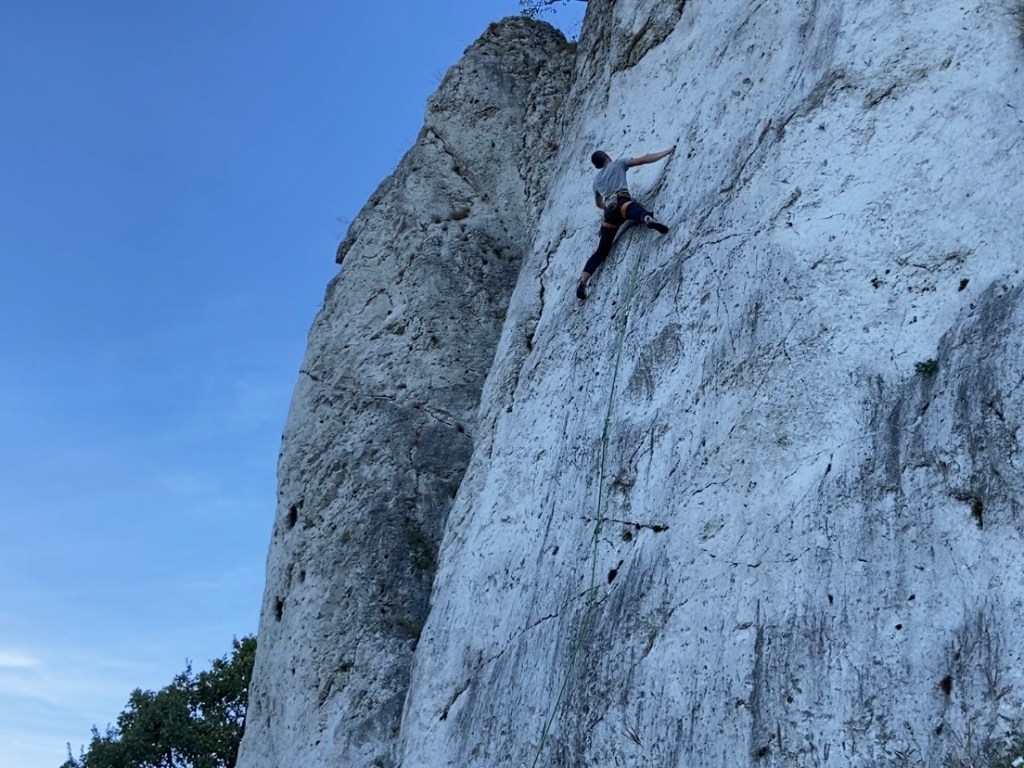
Calcarele de la Bulbuci
Calcarele de la Bulbuci is relatively close to the Ampoiţa crags, and as the name suggests, is of a very similar style. Bulbuci is like the one giant haystack, sitting on top of a hill, overlooking the beautiful surrounding area. The walk in to Bulbuci is quite a lot longer than for Ampoiţa and perhaps because of this, it seems that Bulbuci gets climbed on less frequently. The rock is the same compact stone as Ampoiţa, but was less clean and slightly more vegetated. Bulbuci has 30 routes, from 5 to 7b and is a nice crag to visit, especially on cooler days.

Cheile Feneşului
Cheile Feneşului is an interesting and off the beaten path climbing area, with some stunning rock and the potential for much more development. The crag sits in the Cheile Caprei area and is accessed by a long quiet road snaking its way through the mountains, by the time you get to the crags its a bumpy dirt track that sees very little traffic. We actually only did one route here, called ‘Colţul Tăcerii’, 6c, but it seemed like it was a good litmus test for the other routes nearby. The rock was good but dusty and the grades felt hard and esoteric. Cheile Feneşului has 28 routes, from 5 to 7b+ and is a really cool place to visit, where you are guaranteed to have the crag to yourself.
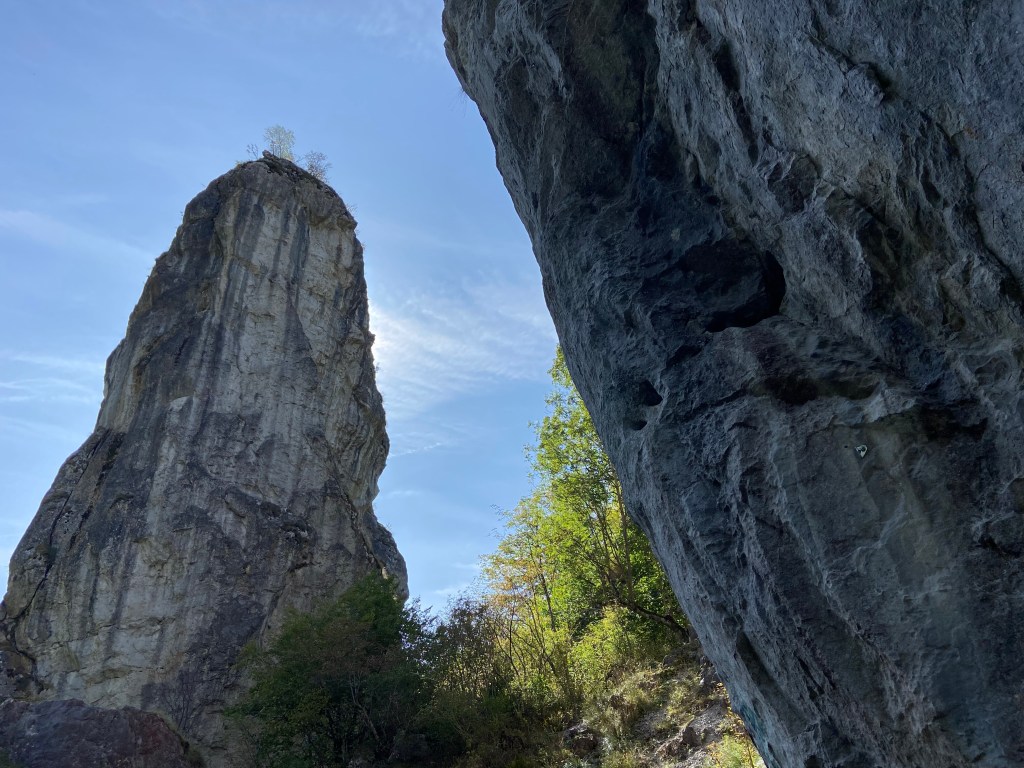
Buceş-Vulcan
Buceş-Vulcan, despite its name, is not a volcano of any kind. It is however, an impressive mountain with plenty of large and appealing crags all over it. Buceş-Vulcan sits at around 1200 meters elevation and has a great selection of sport routes as well as longer multipitch routes. The area is very beautiful, but it doesn’t seem to receive many visitors at all, the approach paths were quite overgrown, as were some of the routes. We did a lot of stomping around to look at the various different walls and find the most appealing routes. In the end we picked Turnul Galben, which was probably the obvious choice to begin with, but we wanted to see what else was around. The rock at this sector was actually superb and the routes were really good, with some particularly awesome layback cracks and sneaky slabs. Buceş-Vulcan has 80 routes, from 3 to 7b+, with a mixture of trad and sport.
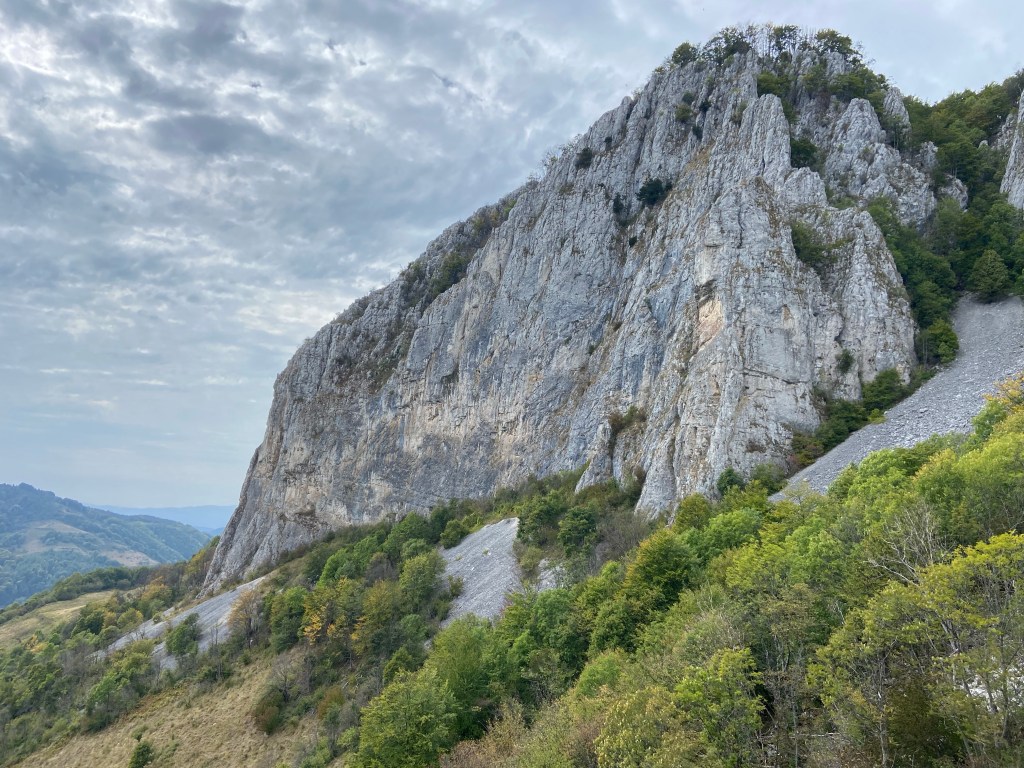
Cheile Crăciuneşti
Cheile Crăciuneşti is a nice and easily accessible climbing area with a good mix of routes. There are sectors either side of a small road, sector Sturu is the easiest to access, but sector Vânătaria has a much nicer location and more routes. We found the rock at Crăciuneşti was quite variable, some of it was excellent and some of it was poor, it was all about choosing the best lines. If you stick to the compact grey rock the climbing is really nice, the area felt like it had been forgotten about and you are almost guaranteed to have the place to yourself. Crăciuneşti has 94 routes, from 3-7c+, with a good mix of sport, trad and multi pitch. Whilst it’s not as good as the other crags in the Apuseni region, it is still a nice place and well worth visiting when considering the easy approaches.
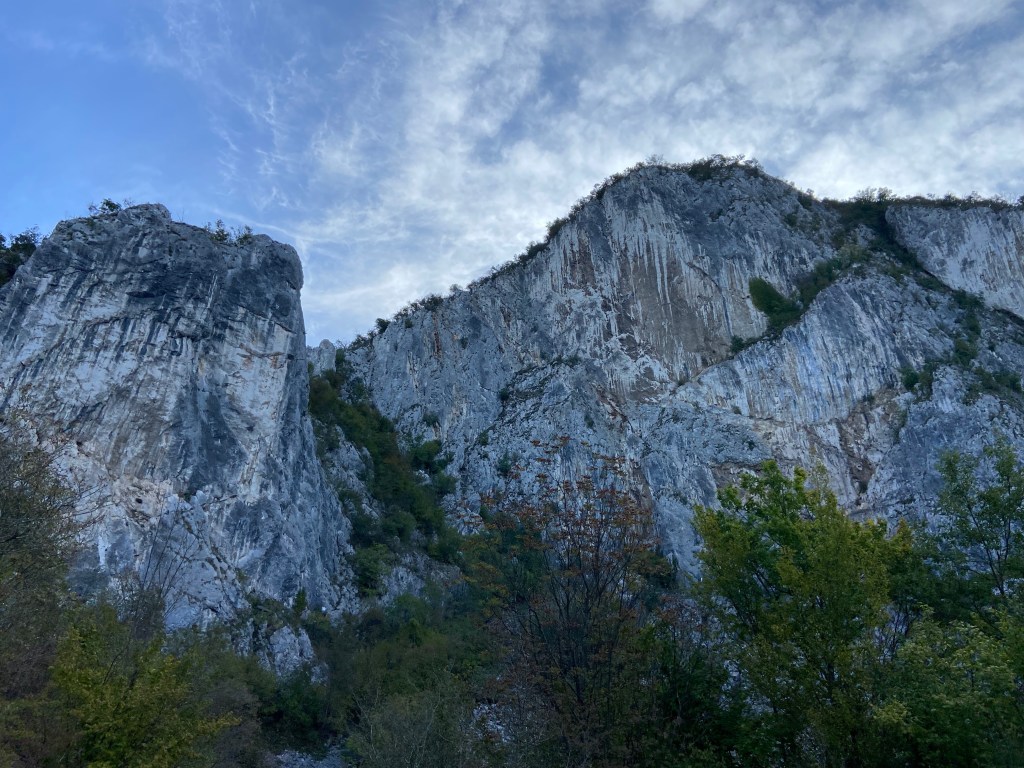
Cheile Madei
Cheile Madei is a really beautiful climbing area, in a gorgeous and peaceful corner of the Apuseni Mountains. Madei has great quality rock, very compact grey limestone with sneaky and technical moves. We thought Peretele Peșterii was the best sector, the routes are brilliant and have a stunning view over the surrounding countryside. The area is very quiet, we were the only climbers around at the weekend and a few friendly locals out for a walk where the only people we saw. Cheile Madei currently has 41 routes, from 5-7b+, but there is the potential for a lot more. We really enjoyed the climbing here and loved the area doubly so.
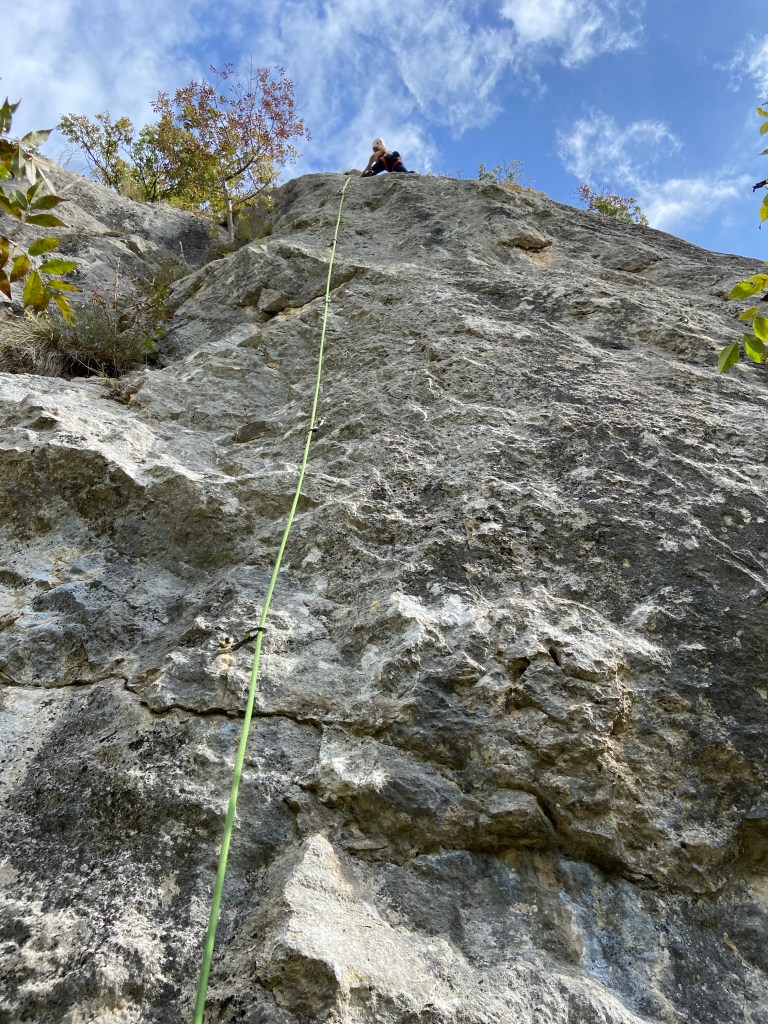
Cheile Cibului
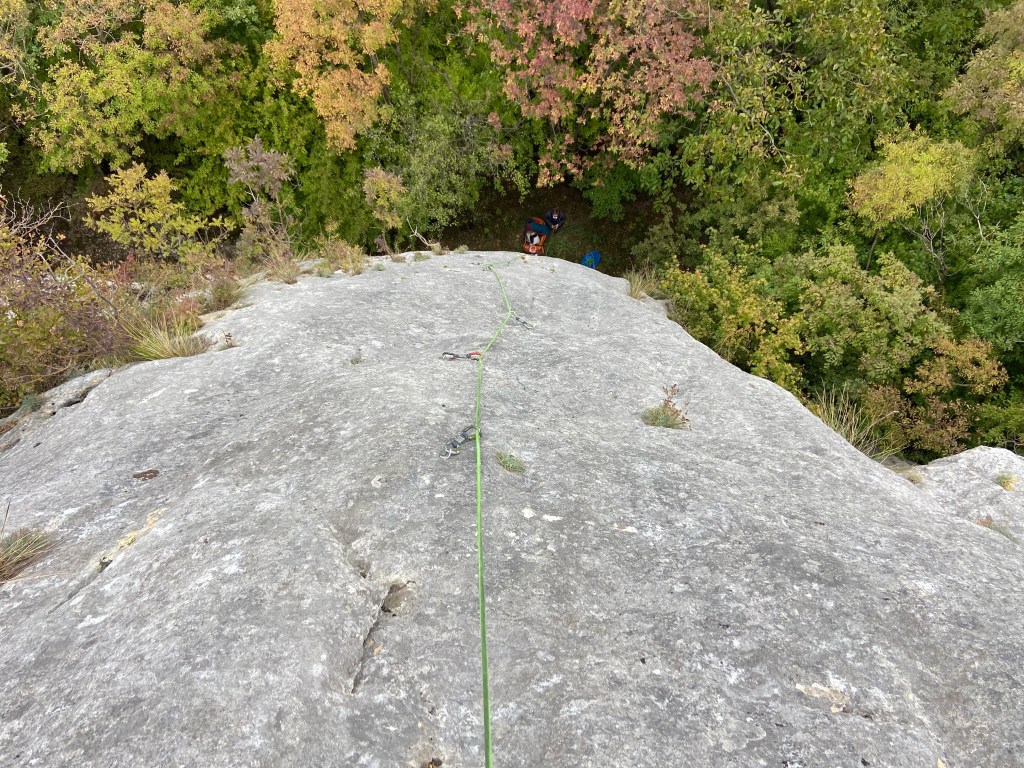
Cheile Cibului is yet another great area, and following on from Cheile Madei, it was very impressive to arrive in another area so good, only 17km away! Whilst Cibului doesn’t have as many routes, the quality is just as high, although we must say they felt quite a lot stiffer here! Cheile Cibului has 24 routes, from 4-7a+ and also has great potential for new routes. We can’t emphasise enough how great the area was, a totally unspoilt and authentic part of rural Romania. The people we met here were so kind and welcoming, it was incredibly endearing, a fantastic place to end our time in the Apuseni region, and end on a high.
Cheile Sohodolului
Cheile Sohodolului, or Sohodol for short, is one of Romanias newest climbing areas, with bolting starting in the early 2000s. The gorge has some really cool features and lots of rock, most of which is very accessible. There is a road through the bottom which can disturb your climbing a little, and you may feel like a tourist attraction in your own right on a sunny weekend. The rock is of varying quality, some of it is really good, but other parts can be loose. The general rule of thumb for Sohodol is the harder the route, the better the quality will be.
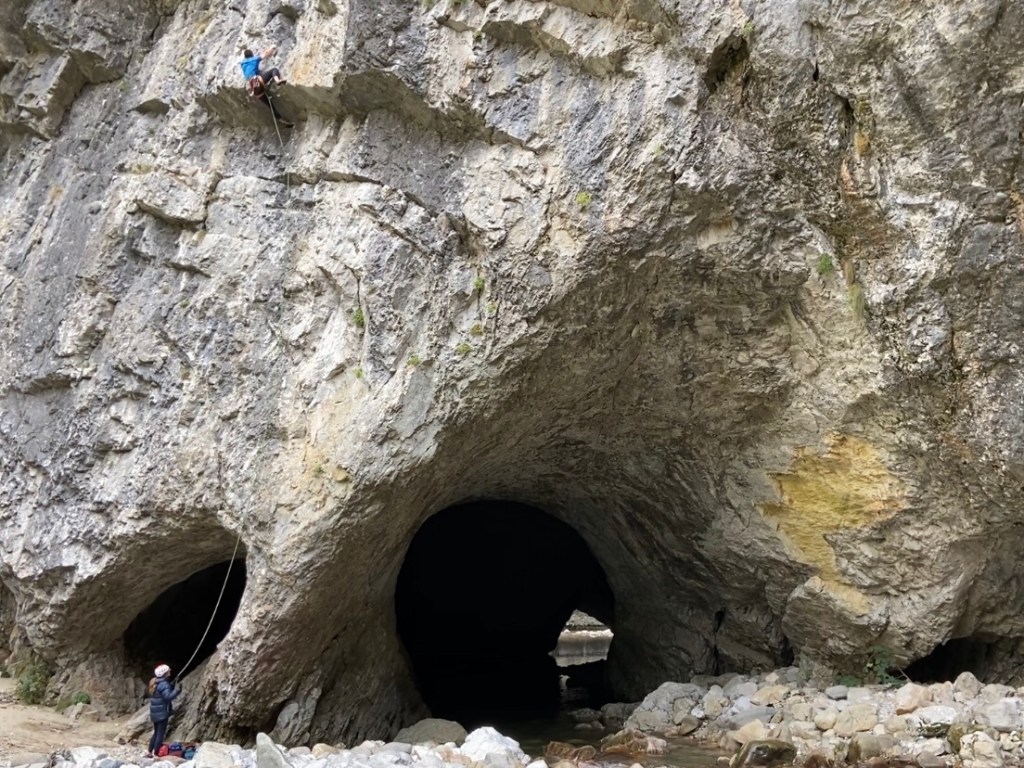
Sohodol has 154 routes, from 5+ to 8b+ and it functions as an area all on its own. In this sense it feels a completely different character to the other areas we visited, even the ones on the way to or from Sohodol itself. We had mixed feelings about the place, it was quite difficult to form an opinion, especially in relation to all the other places we visited. On the whole, it is a cool place, but definitely not as good climbing as Băile Herculane, that is only 100km away. Keeping that in mind, we would only recommend Sohodol if you have plenty of time, but if you only have a few days then skip it and spend the extra time in Băile Herculane.
Băile Herculane
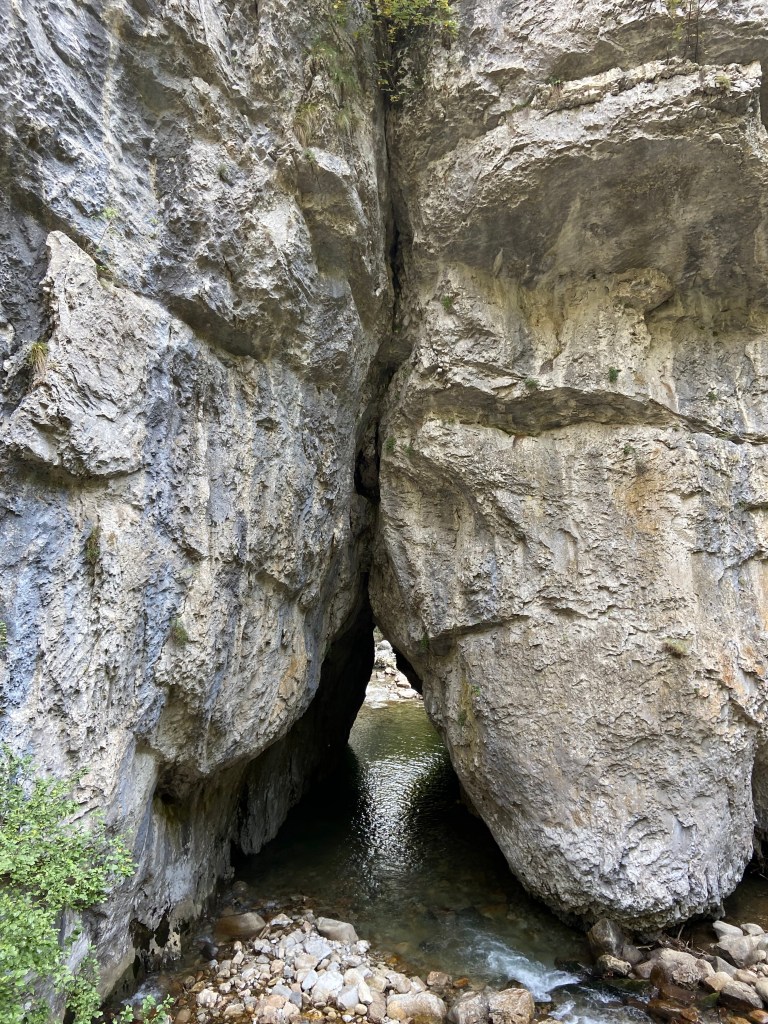
Băile Herculane is one of the most popular and one of the best climbing areas in the whole of Romania. A visit by Petzl RocTrip in 2014 put Băile Herculane on the map, but visits from international climbers is still very small. The area is incredibly beautiful and also very unique, it feels totally different to other parts of Romania, perhaps because of its longstanding status as the country’s most significant spa town. The climbing is absolutely fantastic and there is loads of it too. Băile Herculane genuinely deserves more recognition as a major climbing area in Europe, and there is still room for an insane amount of new routes.
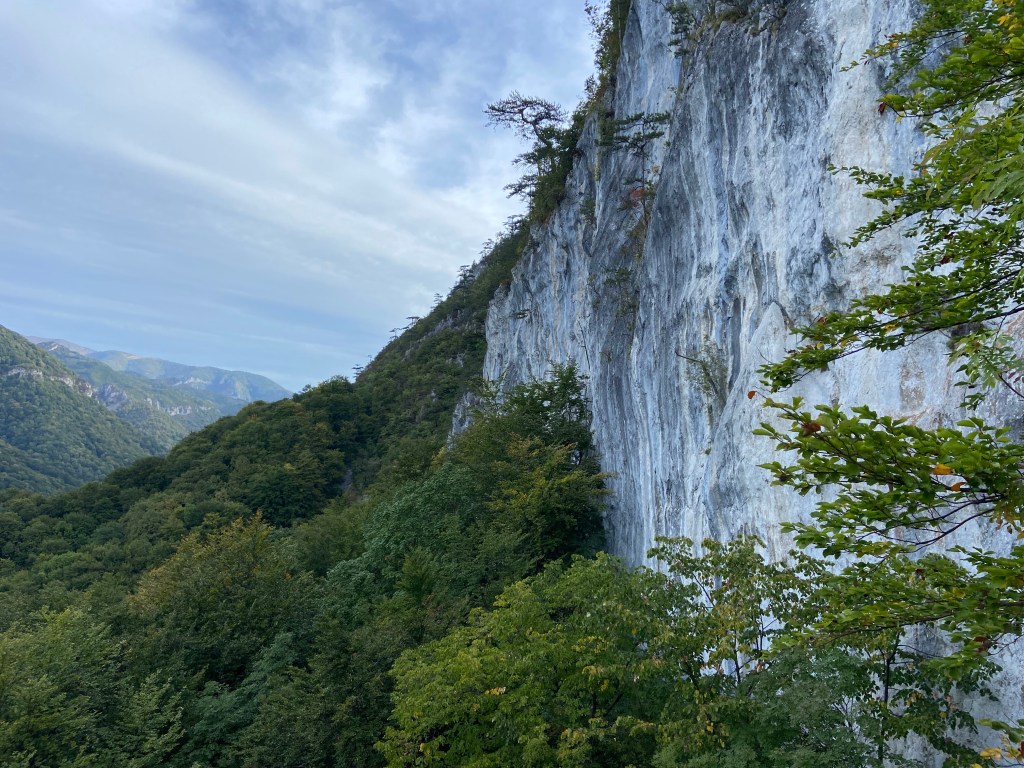
The town of Băile Herculane has climbing sectors almost on the doorstep, but the valley that winds away from the town and into the mountains is where the real gems are found. This is actually the Domogled-Valea Cernei National Park, known for its flora and fauna, such as the the black pine of Banat (Pinus Nigra Banatica), a tree completely unique to this area. The entire area, from Băile Herculane and up the Valea Cernei, has 784 routes and counting, the potential for the area is amazing. The Herculane Climbing Open (HCO) is still bolting new routes and new sectors every year and they also produce a topo pamphlet that is available during the open.
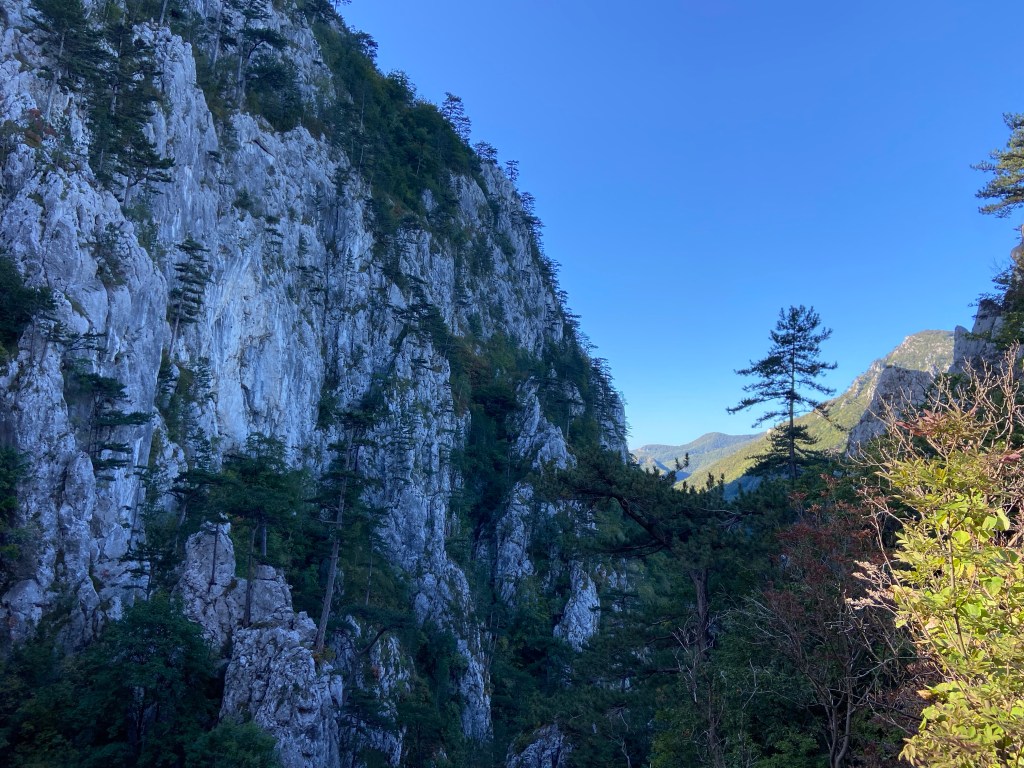
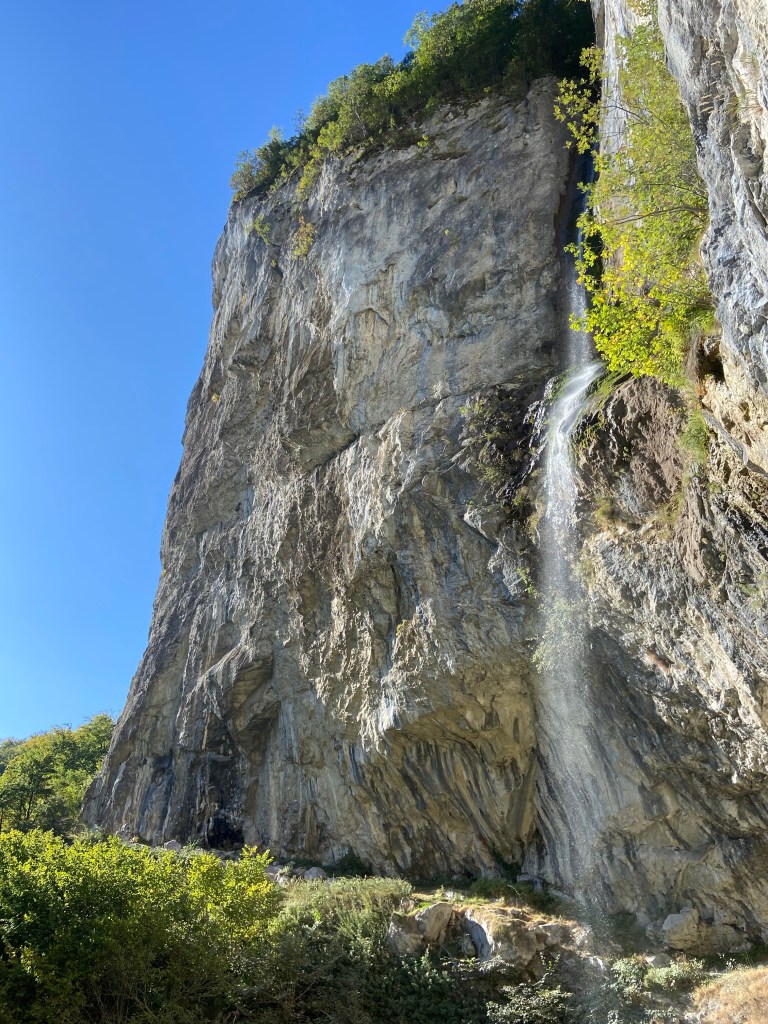
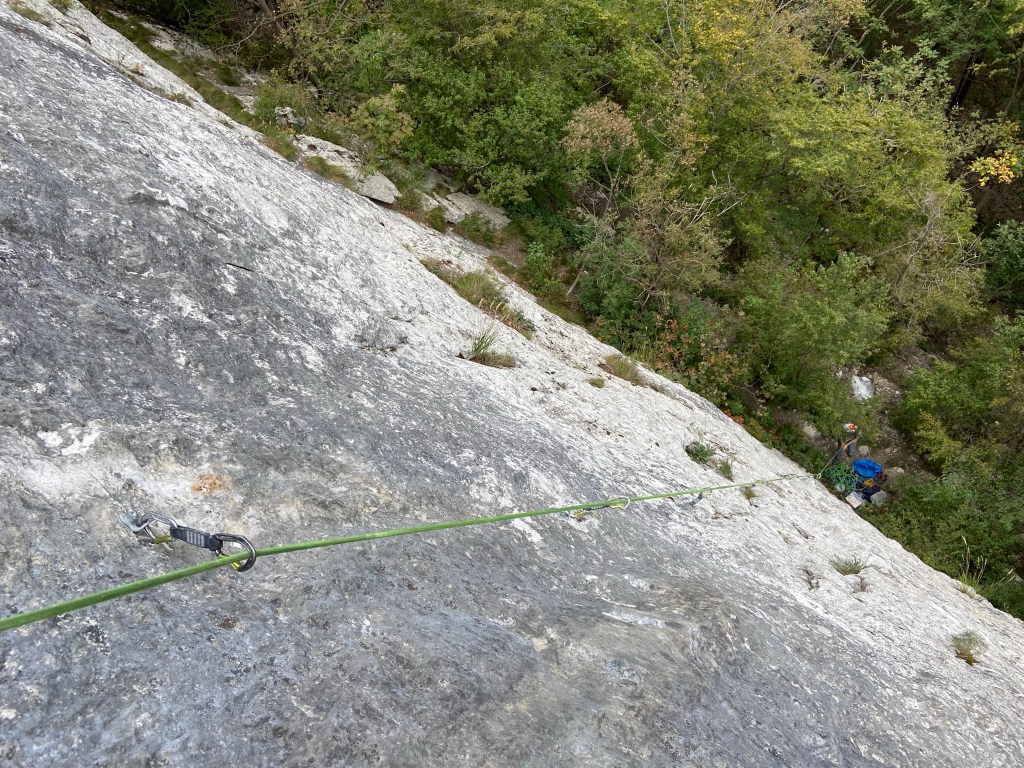
The Cascada Vânturătoarea is the star of the show, a crag that really would be a standout sector anywhere. The rock here is excellent, it looks good but still manages to be even better than it looks. The location and the views are stunning and it is just a wonderful place to be. Cascada Vânturătoarea has 101 routes 5+ to 9a+ and the majority of the routes are above 6c, better still it is worth being able to climb 7a to really open the place up. Thankfully the grades are quite kind, e.g ‘Rachiu cu vai’ is a stunning 7a+ that feels easier than many a 6c+ elsewhere in Romania.
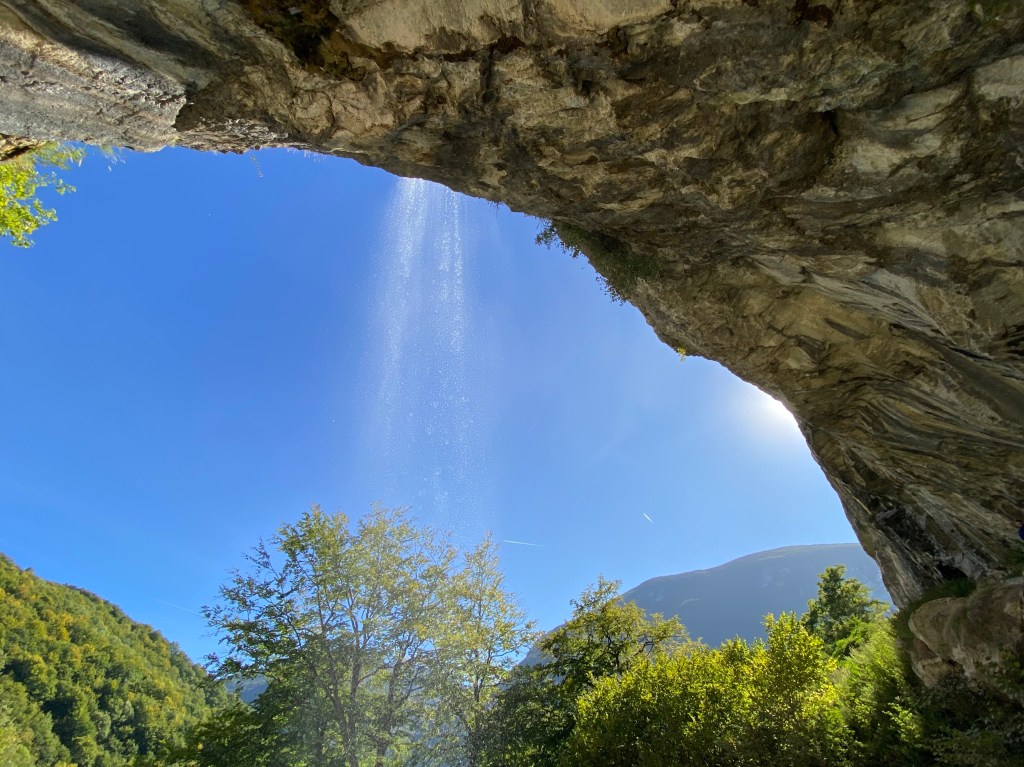
Cascada Vânturătoarea is popular with hikers due to its beautiful two tier waterfall, however it was very quiet during the week, perhaps at weekends it could be busy. The fact the walk in is around 40 minutes up hill means you won’t get the same craziness as a roadside attraction like Bicaz. The approach is totally worth it, the climbing is superb and there is a bit of everything style wise. The long pitches are so varied and sustained, often in really unlikely positions. It is well worth visiting the different ‘wings’ of the crag, awesome routes like ‘Kiss with a Fist’, 7a+, have great climbing and give you a totally different perspective of the place.
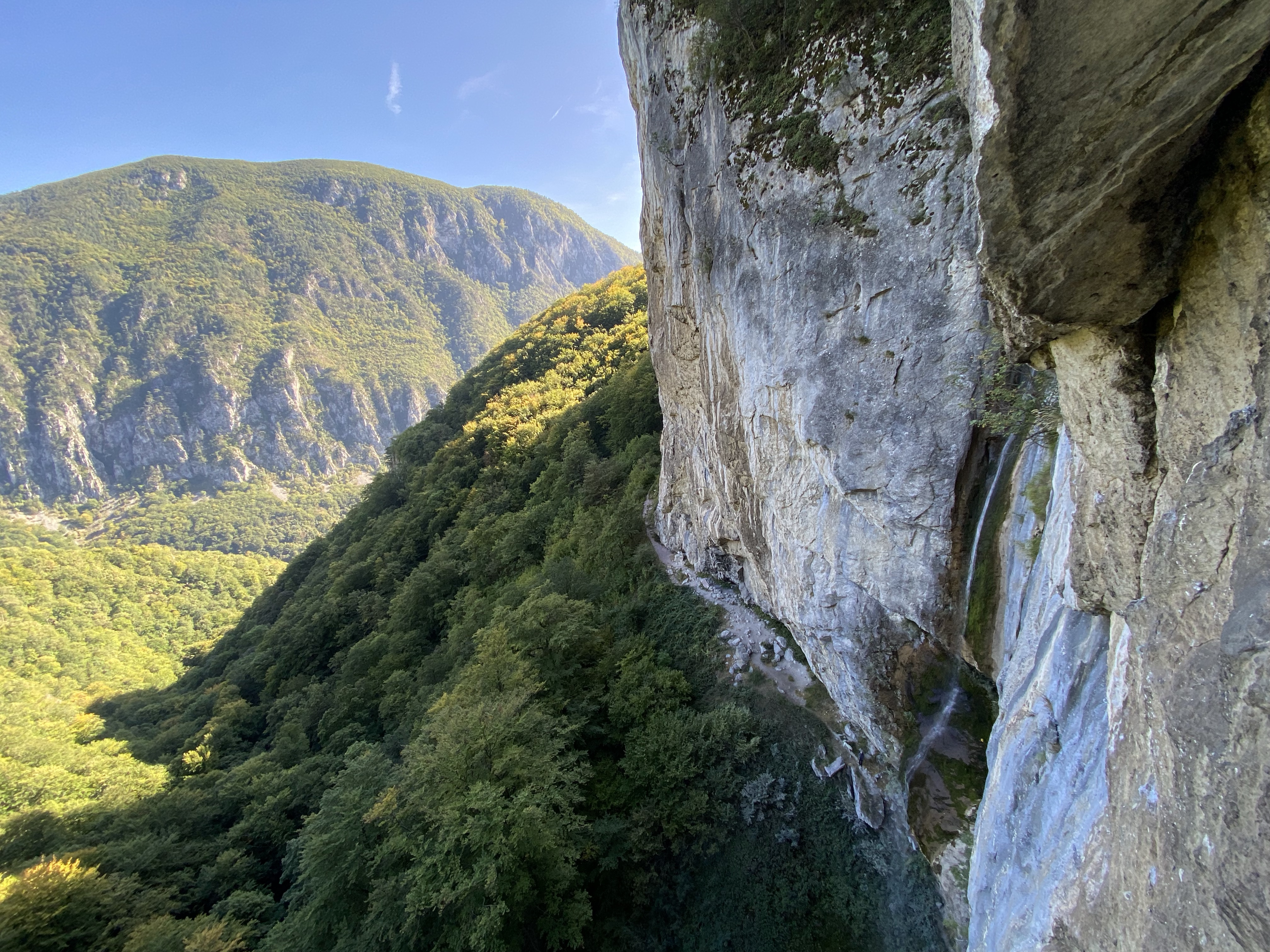
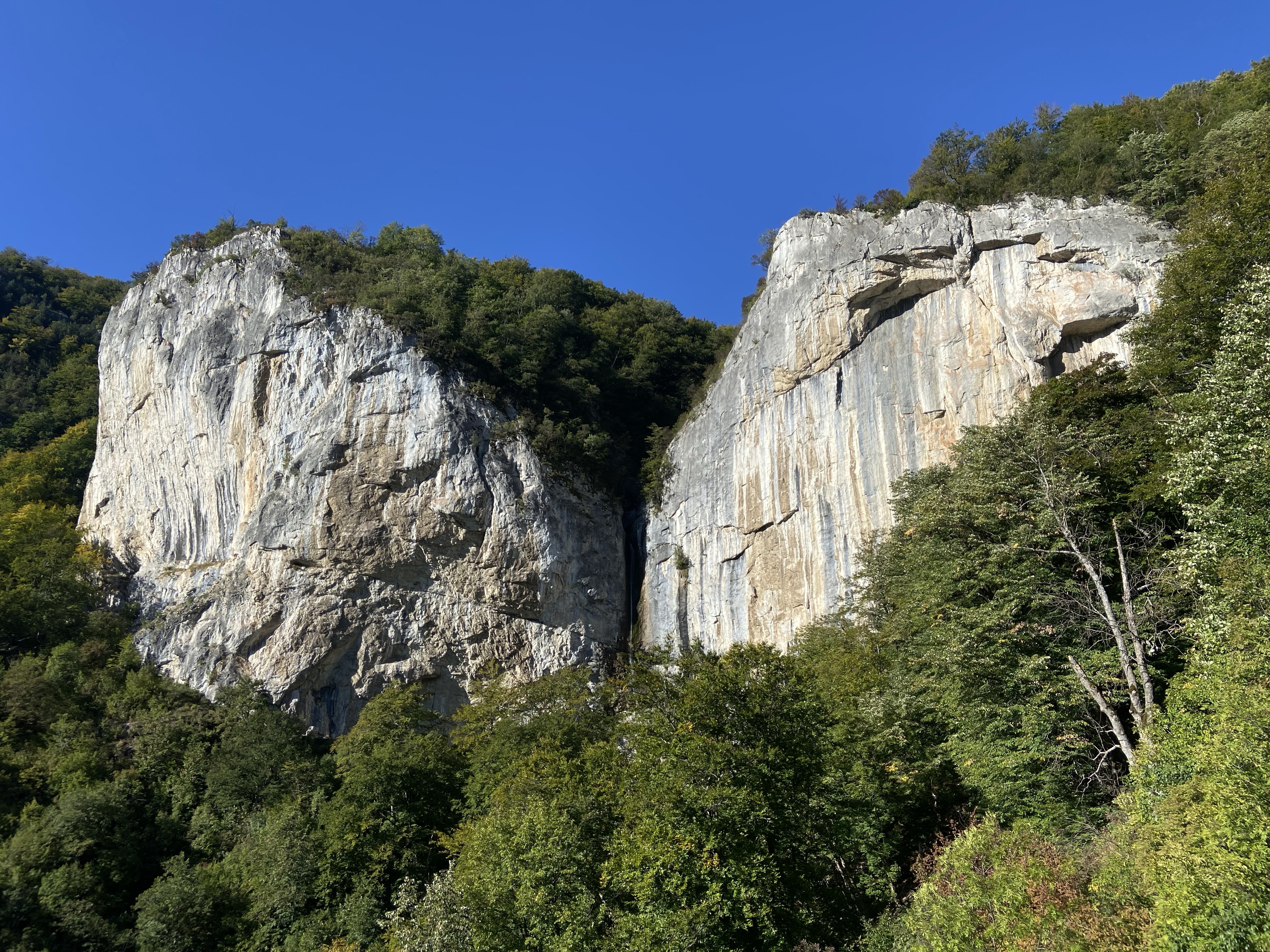
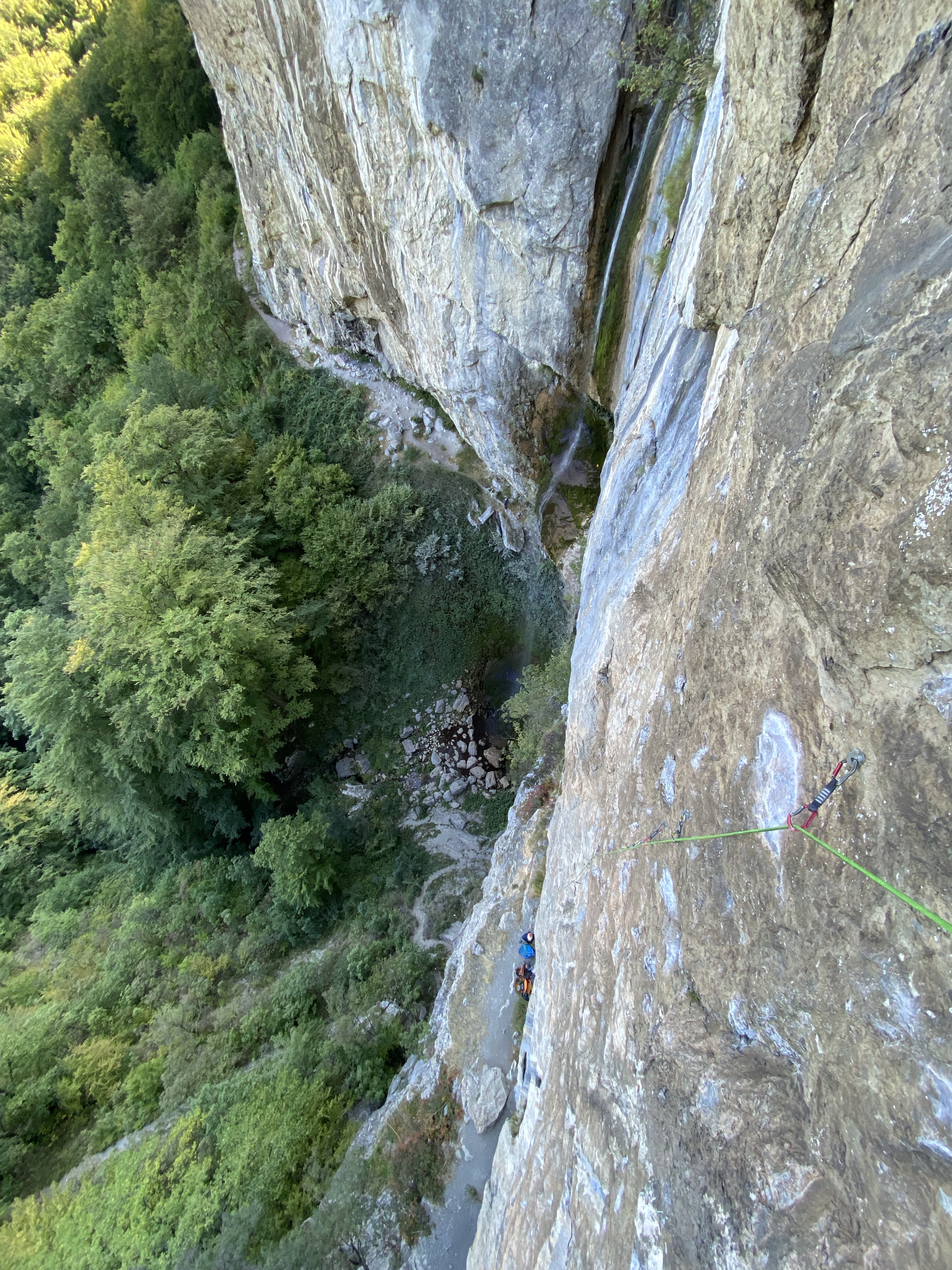
The Cascada Vânturătoarea and ‘Kiss With a Fist’, 7a+
Cheile Ţăsna is another great sector, but proceed with caution when it comes to the name! Cheile Ţăsna is a canyon on the mountainside with a scenic trail through it, we walked on this for about 1.5 hours before realising the crag ‘Cheile Ţăsna’ isn’t in Cheile Ţăsna!! To get to the crag head left from the canyon entrance or alternatively walk up from the Pensiunea Dumbrava to reach the crag first. Other than getting lost, the crag itself is absolutely great and has lots of super crimpy and thin routes on very compact grey limestone. The grades here felt much tougher than at the Cascada, but perhaps the style is just very unforgiving. Cheile Ţăsna has 40 routes from 6a to 8b and is a good crag that is well worth visiting.
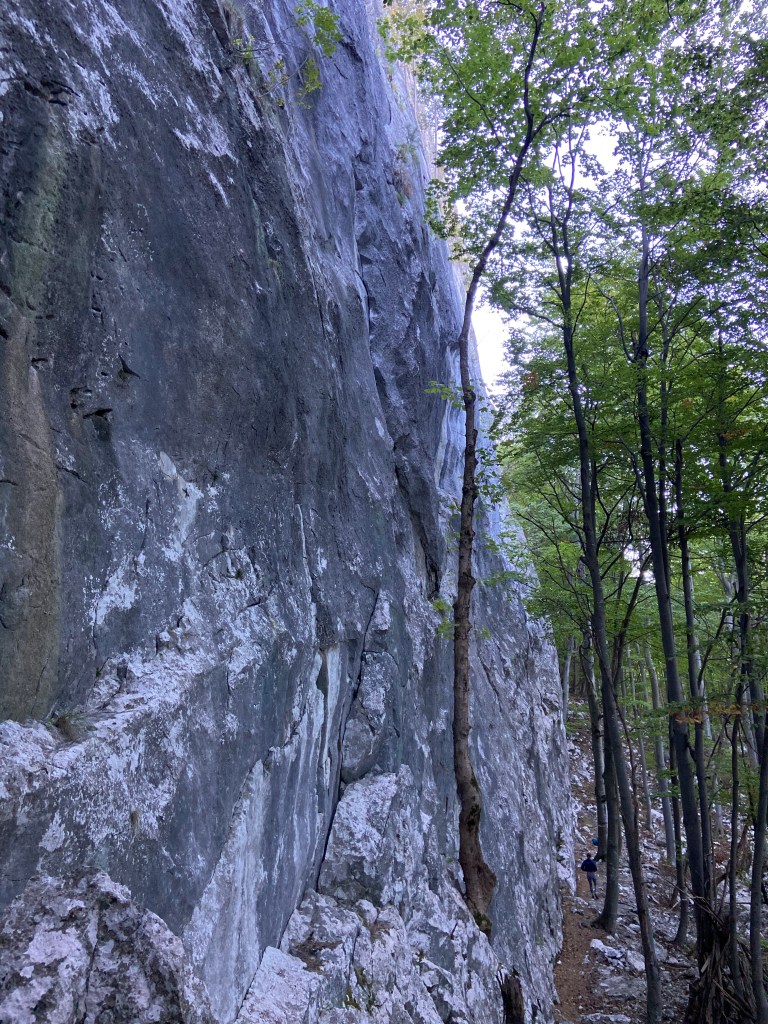
Km 9 is a contender for the second best crag in the area, after the Cascada Vânturătoarea. Km 9 gets its name from the fact the approach trail starts right next to the very same marker on the road. This makes it easy to find the crag and its neighbours, Km 10 and Km 11. Km 9 feels like a bigger and more varied version of Cheile Ţăsna. There are lots of crimpy routes, but also a bit more variation in style as well as a better spread of grades. Km 9 has 103 routes, from 5+ to 8b+ and is home to some absolute classics, it is among the highlights of the whole Băile Herculane area.
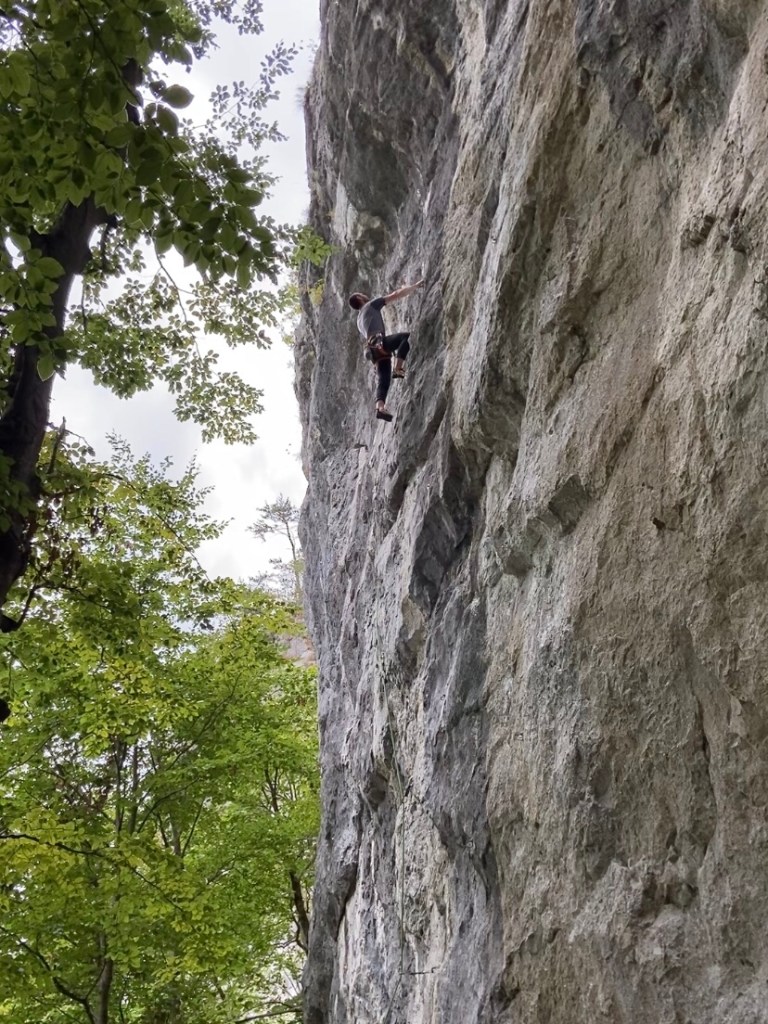
Zona Roman is one of the areas most frequented crags, mostly due to ease of access. Climbing wise we thought the sector was so-so and definitely not the best in the Băile Herculane. Sector Surplombă is most popular crag of Zona Roman and the most unique thing about it is the first few meters are on rock that seems like granite, but is most likely a type of sandstone, before transitioning onto classic limestone. The sector Faleza has less routes but is much, much better and has some stunning tufa routes in a nice quiet setting. Zona Roman as whole has 104 routes from 4 to 8c+, and shouldn’t be a top priority for visitors to the area. However, there are still plenty of good routes, especially at sector Faleza.
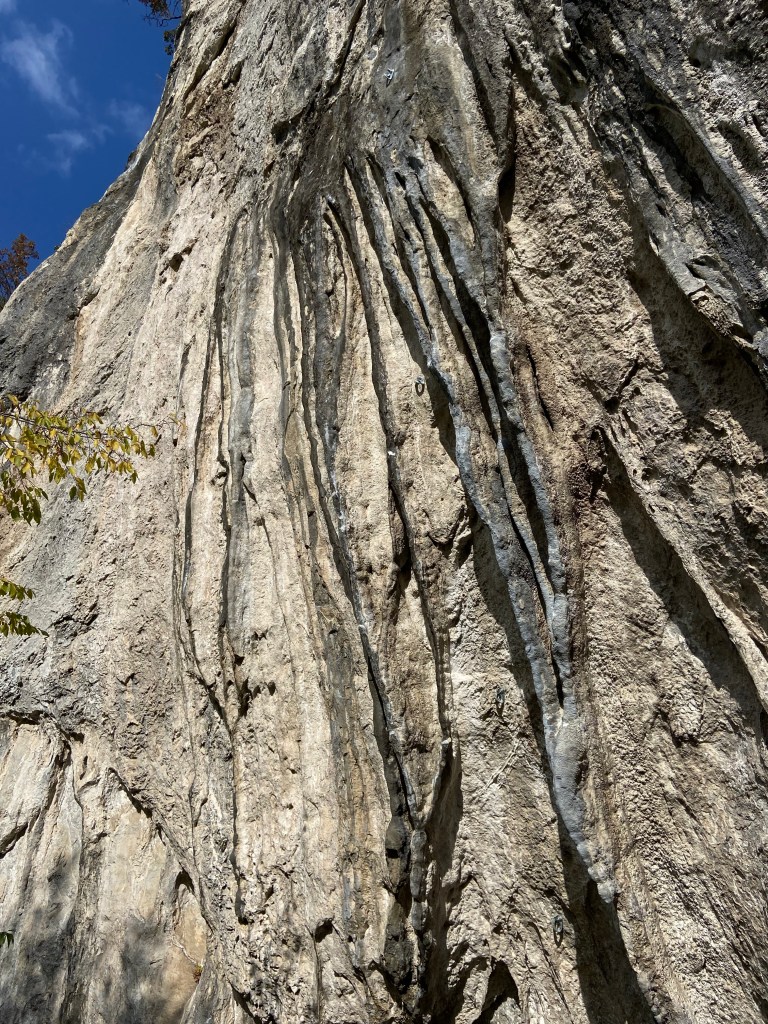
Magnolia is another good sector, only a short distance away from Zona Roman and it fills a very useful gap in terms of the grades versus quality. At Faleza the routes are good but all quite hard and Surplombă has easier routes but these aren’t great quality. Magnolia has a great selection of easier routes around 7a and below that are also good quality, making it the perfect alternative to Zona Roman for those seeking lower grades. In general we felt Magnolia was a nicer sector, both in terms of the climbing and the location. Magnolia has 58 routes from 5+ to 8b+ and in our opinion it is the nicest ‘town accessible’ sector in the area.
Rest Day Activities
Thermal Springs
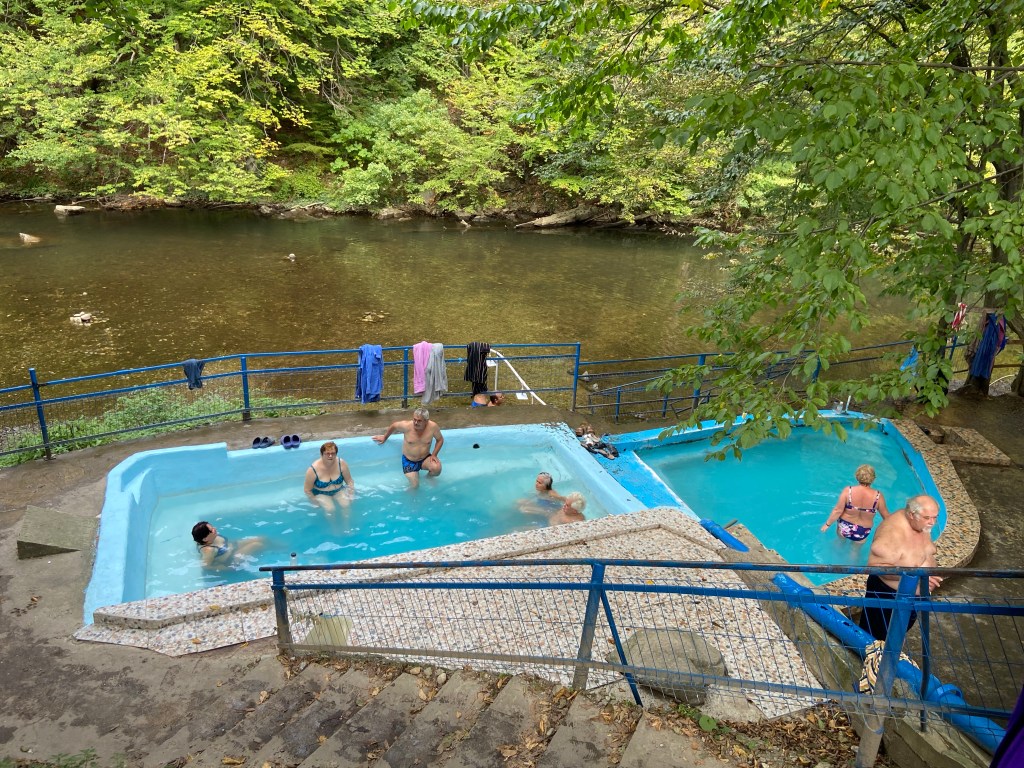
Băile Herculane is an absolutely awesome place to enjoy soaking in thermal springs, there are 16 of them in the area! We tried to visit a new source each day after climbing and they all possess different characteristics, like temperature, smell, mineral content and popularity. Trying several different ones and finding a favourite was a lot of fun and very relaxing. Despite the amazing abundance of thermal water, and the free entry to most baths, very few tourists actually come here to enjoy it. Even among Romanians, it is mostly the older generation. Bathers were usually surprised to see us and were very friendly and welcoming. Usually one or two people that speak English will chat and translate for the others, it was very heartwarming for an old guy to say to us he was happy to see us here, please come back next year and bring our friends too!
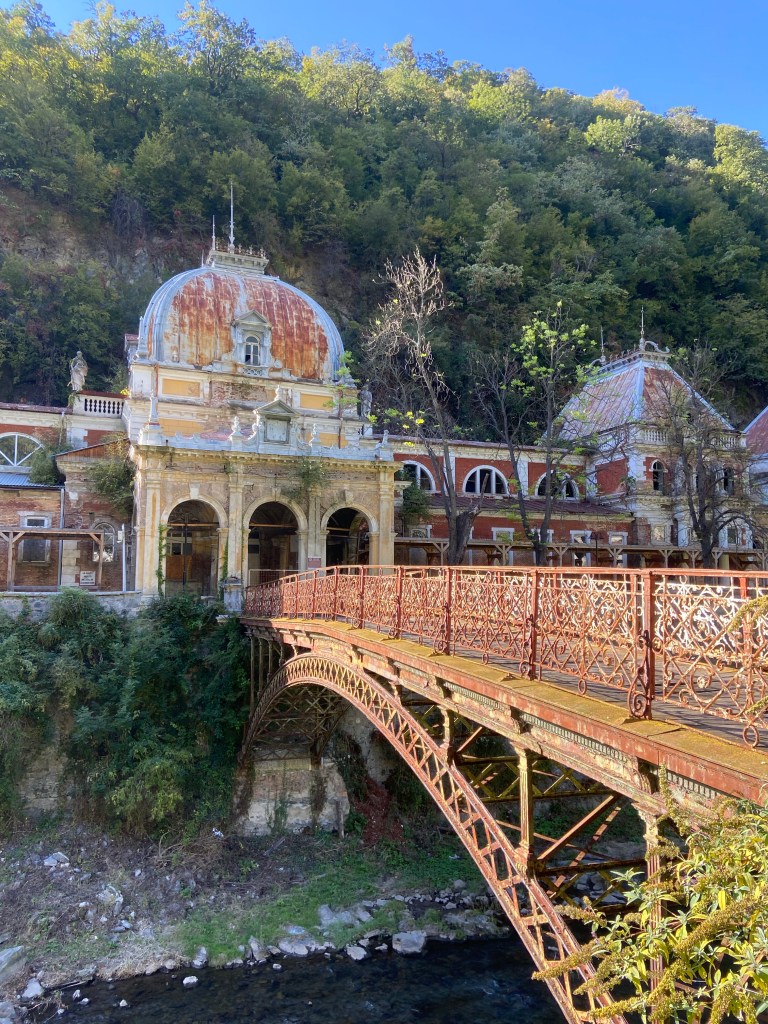
The history of thermal bathing in Băile Herculane is immense, the name of the town comes from the legend that Hercules himself once bathed there. The area has been inhabited since the Palaeolithic period, but it was the Romans who set the wheels in motion for Băile Herculane to reach its full potential. The Roman Emperor Trajan was said to have ordered the construction of spas here in 102 AD, around the time he was fighting the Dacians, ultimately conquering Dacia in 105 AD. Băile Herculane’s first recorded mention as a spa is in 153 AD, so we know for certain people have been bathing in these waters for over 1,800 years. In Băile Herculane there are still many beautiful buildings from the towns past, most of them built in the late 1800s. These stunning buildings have sadly been left to decay, almost to the point of collapse. It is well worth walking around the town to see these impressive structures, they have an almost Atlantis-esque quality to them.
Salt Pools
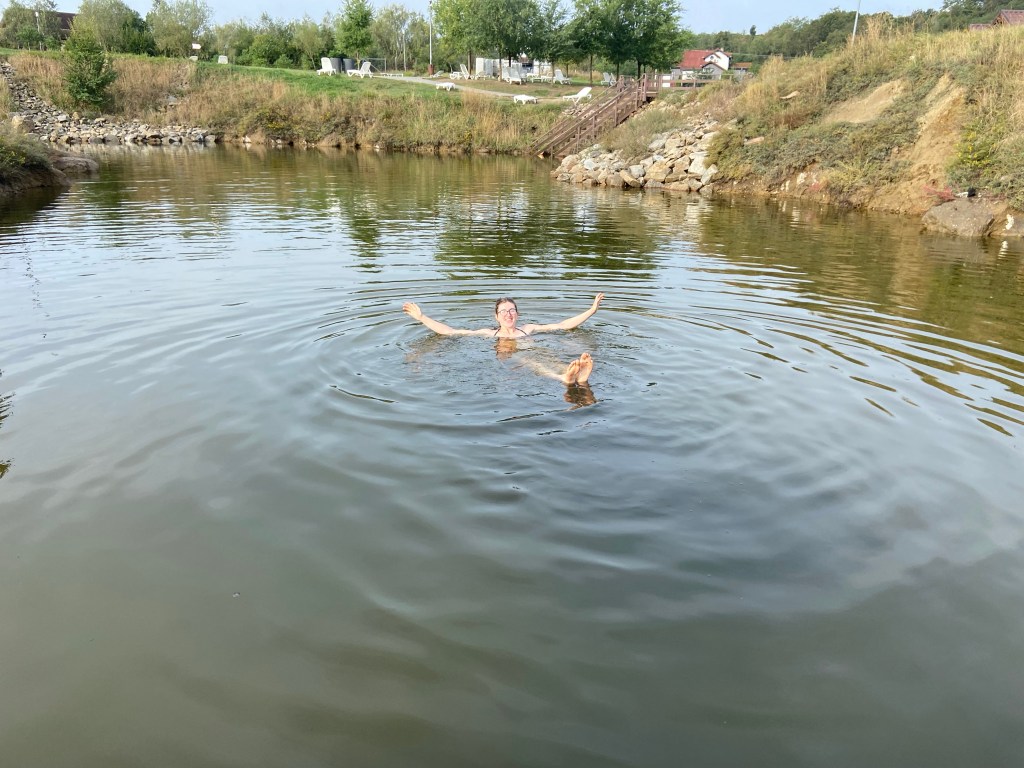
Romania is well known for salt mines and large salt reserves, in several places across Romania you can find salt lakes of varying sizes. Some of these were created by the collapse of old salt mines, which had been flooded over several years. The most famous ones are at Ocna Sibiului, near the well known historic town of Sibiu. There are lots of lakes in the area, of varying degrees of salinity and some with silky black mud that is supposed to be good for your skin. One of the saltiest is the Lacul Negru, with a salinity between 310-350 g/kg, which compares very well to the Dead Seas 342 g/kg…although the Dead Sea probably has better views. It is quite the novelty to float around and it is almost impossible to swim and equally to drown, a strange sensation. They are a fun way to relax and are well wroth seeking out, other than Ocna Sibiului, we also visited a salt lake area near Turda called Balta sărată.
Monasteries
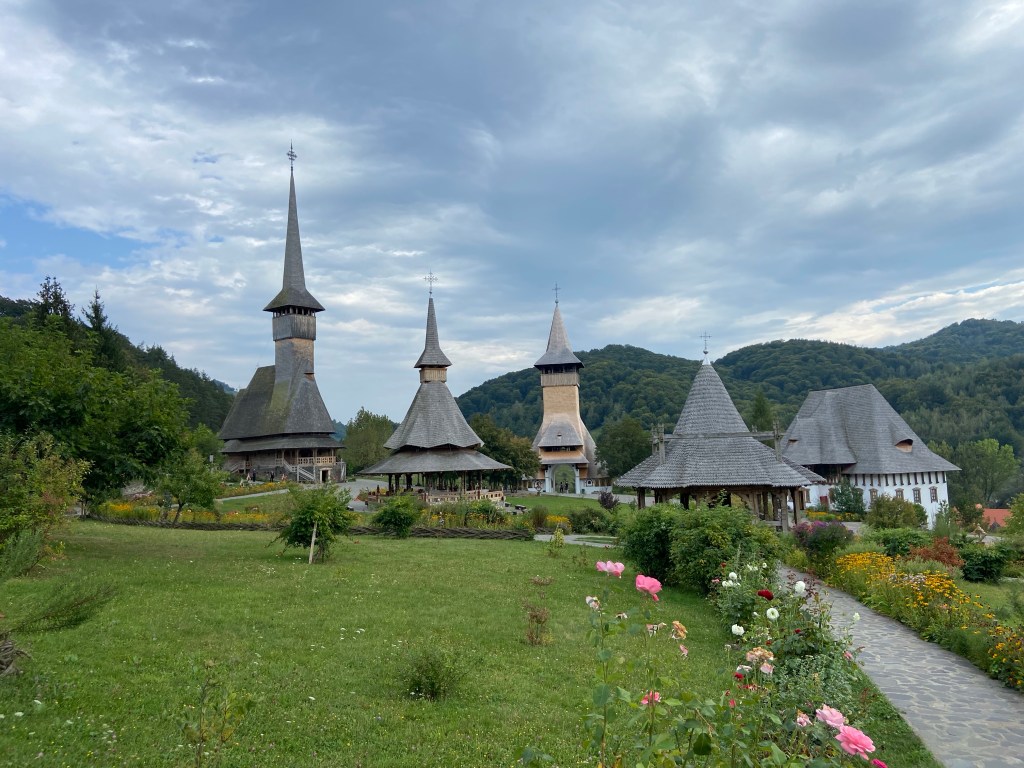
Romania is an Orthodox Christian country, and religion is very important in Romania, which is one of the most religious countries in Europe. Interestingly, Romania, along with their brother country Moldova, make up the only Latin or Romance speaking Orthodox countries in the world. Christianity has been in Romania for millennia and as a result there are many truly stunning and amazingly old monasteries. One great example is the wooden churches of Maramureș. The craftsmanship and architecture is unbelievable, visiting the wooden churches in the Maramureș region, both old and new, is really worthwhile.
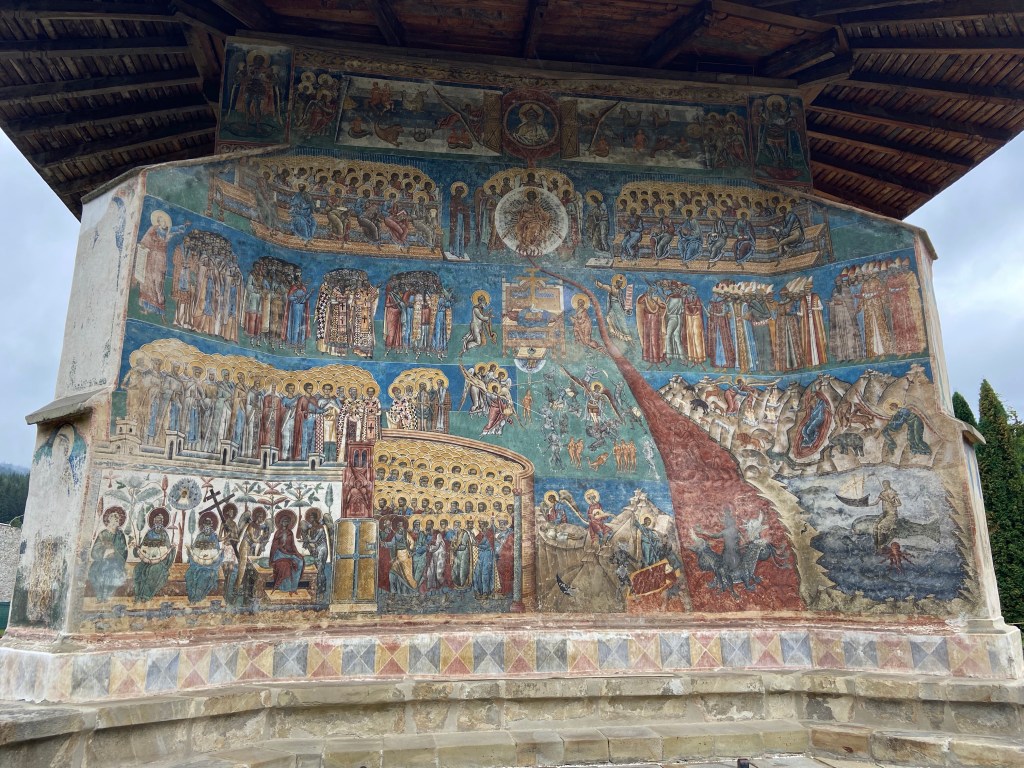
Romania is also known for its ornate and incredibly well preserved painted monasteries. Eight of the monasteries are UNESCO listed and they truly are unique and captivating pieces of history. The monasteries date back to the 15th and 16th centuries and what makes them so special is that both the interior and exterior are decorated with elaborate and intricate frescos. We visited the Sucevița Monastery, founded in 1581, and the Voroneț Monastery, founded in 1487. Both of them were superb and it was definitely worth visiting both, each had its own distinct characteristics and beauty. As churches and monasteries in Europe go, these are some of the best we have ever seen.
Hiking
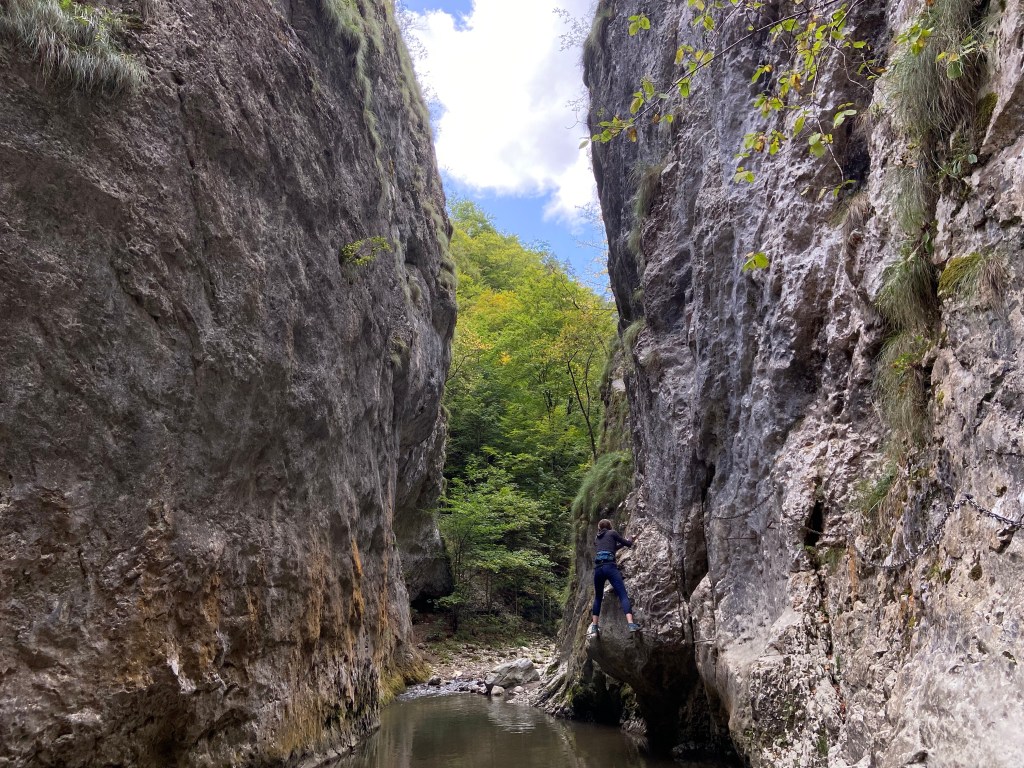
Being a mountainous country, Romania has a wealth of great hiking to be enjoyed. For hikers, there is so much they could easily spend years in the country and not run out of trails. For climbers, the deal is even better. You don’t need to look or plan for any hikes at all, simply visit the crag of your choice and it is virtually guaranteed there will be a couple of nice trails right nearby. It is very common for trail markings to be used and even quiet and less popular paths are easy enough to follow. The landscapes are beautiful and the best part of it all is finding solitude in a pristine natural space, thankfully that is very easy all across Romania. There also also plenty of scrambles and Via Ferratas to choose from. Just bear in mind (pun intended) you need to make some noise if you’re walking through the forest.
Castles
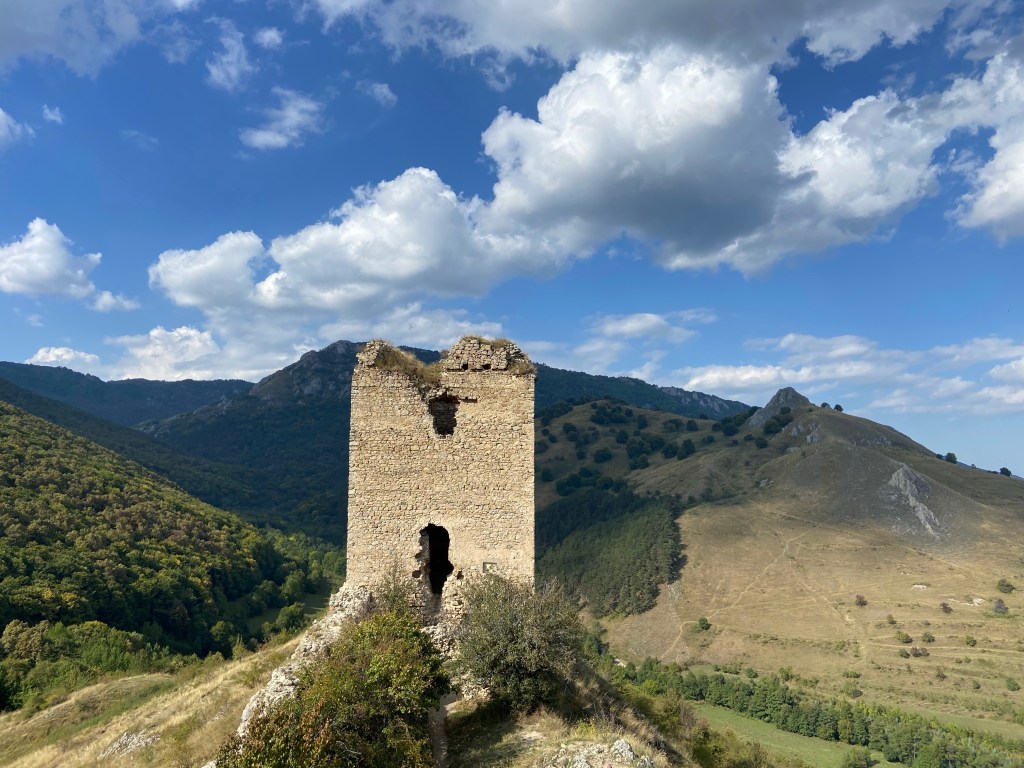
Romania has loads of castles to visit, of many different varieties. There are the very old, the relatively new, the hyper touristic, the abandoned and much more. The most famous castle in romania is Bran castle, known as Dracula’s castle – despite the fact that Vlad the Impaler (Vlad the 3rd) never even set foot in the place. Whilst on the subject of Dracula it is a classic ‘welcome to the real world’ moment that Bram Stokers Vampire is less terrifying than the real man, who possessed no supernatural powers but was instead a nasty, murderous psychopath. We realised this type of place wasn’t for us, so we instead visited some ruined castles, much quieter and perhaps even more interesting. A great example is the Trascău Fortress, built in the 13th century and ultimately abandoned after it was bombed in 1704. The fortress has a wonderfully raw and untouched nature to it, you can really feel the history behind it.
Food
Sarmale is Romanias national dish and they are the well known stuffed cabbage rolls that are always delicious. Romania’s take on this classic dish uses pork and rice, differing from other versions that use beef or lamb. The dish is homemade and can take a while to prepare, plan ahead if you want some sarmale waiting for you when you get back from the crag!
Mămăligă cu brânză or just Mămăligă is a classic Romanian polenta dish, usually served alongside sarmale. Polenta is more filling than it looks and could be a meal all on its own. Cu brânză means with cheese, which is incorporated into the polenta, this makes the dish extra creamy and even more filling.
Mititei (Mici) are small skinless sausages made from beef, sometimes mixed with other meat like lamb or pork, and with lots of delicious herbs and spices. Mititei are grilled which gives them a succulent juicy interior and a slight smokiness.
Ciorbă de Fasole is a super tasty Romanian bean stew, served with chunks of smoked pork alongside the hearty beans. The dish is a warming and nourishing meal, perfect for a colder day when you’ve had a long, tiring climbing session.
Plăcintă is a traditional type of pie, usually filled with cheese but they can also come in sweet varieties. The descriptions of Plăcintă vary from being more of a bread to that of a pastry, perhaps it varies from region to region, but in our experience it was definitely more like a bread. Cheesy on the inside and with an oily fried exterior, absolutely fantastic.
Cozonac is a wonderful sweet bread with a beautiful marbled appearance. It can have a variety of fillings including cocoa, walnuts and poppy seeds. Traditionally, Cozonac is eaten at special occasions, but thankfully it can be found all year round for hungry visitors!
Summary
We absolutely loved Romania in every way, it has become one of our favourite countries in Europe and we will definitely be returning at some point. In terms of the quality & quantity of the climbing, the general lack of tourists in rural areas and the friendly local people, Romania is one of the greatest all rounders and best kept secrets of Europe. For anyone wanting a wide range of beautiful climbing areas off the beaten path, Romania is pretty hard to beat, even when compared to the many wonderful places in the Balkans. Even though we were in Romania for 6 weeks, and had great weather, there are still loads of crags we didn’t visit and other things we would like to go back for, this definitely won’t be the last time we visit Romania!
We write for pleasure and climbing is our passion. Our articles will never be paywalled. However, if you would like to help towards the costs of running the site or if you have found our content useful please consider contributing here. To read more about why your support matters, click here.
Relevant links and resources
Affiliate Disclosure
We have an affiliate partnership with Climb-Europe.com, which means we receive a commission if you buy a guidebook via one of our links, at no extra cost to you. Currently, we only use affiliates for guidebooks from Climb Europe, not anything else. To read more, click here.
https://climb-europe.com/products/romania-rock-climbing-guidebook?bg_ref=QMscYZ3xQy
https://climb-europe.com/products/a-climbing-guide-of-brasov-crags?bg_ref=QMscYZ3xQy
https://climb-europe.com/products/valea-cernei-rock-climbing-guidebook-topo?bg_ref=QMscYZ3xQy
https://www.thecrag.com/en/climbing/romania


Romania looks really wonderful, great climbing!
LikeLiked by 1 person
Wow! So much more climbing than we managed to discover on our Balkan Odyssey – looks like we need to plan a revisit!
LikeLiked by 2 people
Thanks Dom, we would definitely recommend it, there are some really great crags! Similarly to you we visited Romania a while back, but we didn’t manage much, mostly due to the weather. We had more luck in Bulgaria but would love to revisit there at some point as there’s loads we missed out on last trip. Safe travels!
LikeLike
This is so great to hear. We visited Romania on a quick 10 day tour this past autumn and thought that there must be great climbing. Maybe it’s worth a return trip! Maggie
LikeLiked by 2 people
Hi Maggie, thanks for the comment! Yes, there are so many great crags and so few climbers around, definitely worth a return visit. Enjoy your travels!
LikeLiked by 2 people
Impressive post! It’s packed with a wealth of information and details about climbing in Romania. I have a dear friend who has been instrumental in equipping numerous Multi-Pitch routes there. I’ll gather more details and share them with you soon.
So, after Romania, is Greece on your radar? And perhaps Ermionida as well? 🙂
Wishing you all the best in 2024, and eagerly anticipating more of your wonderful posts!
LikeLiked by 1 person
Thank you so much for the kind comment, we really appreciate it!
Unfortunately we used up our 90 EU Schengen days already so we can’t visit Greece this winter. However, Greece is 100% on our list! we are really psyched to visit when the time is right, some places like Meteora are real bucket list places for us! Likewise Ermionida looks amazing.
It’s exciting to know that we still get to enjoy visiting all those awesome places for the first time some day! We will make sure to use your blog and get in touch with you whenever we start planning our trip to Greece.
Happy new year to you too, we hope you have a great year in 2024!
LikeLiked by 1 person