South Africa is a vibrant country, the Rainbow Nation is a place of incredible diversity and contrast in every way, both good and bad. The ever changing landscape and distinctive cultures make South Africa one of the most amazingly varied countries on earth. The gulf in living standards is the harsher side of South Africa that shouldn’t be forgotten.
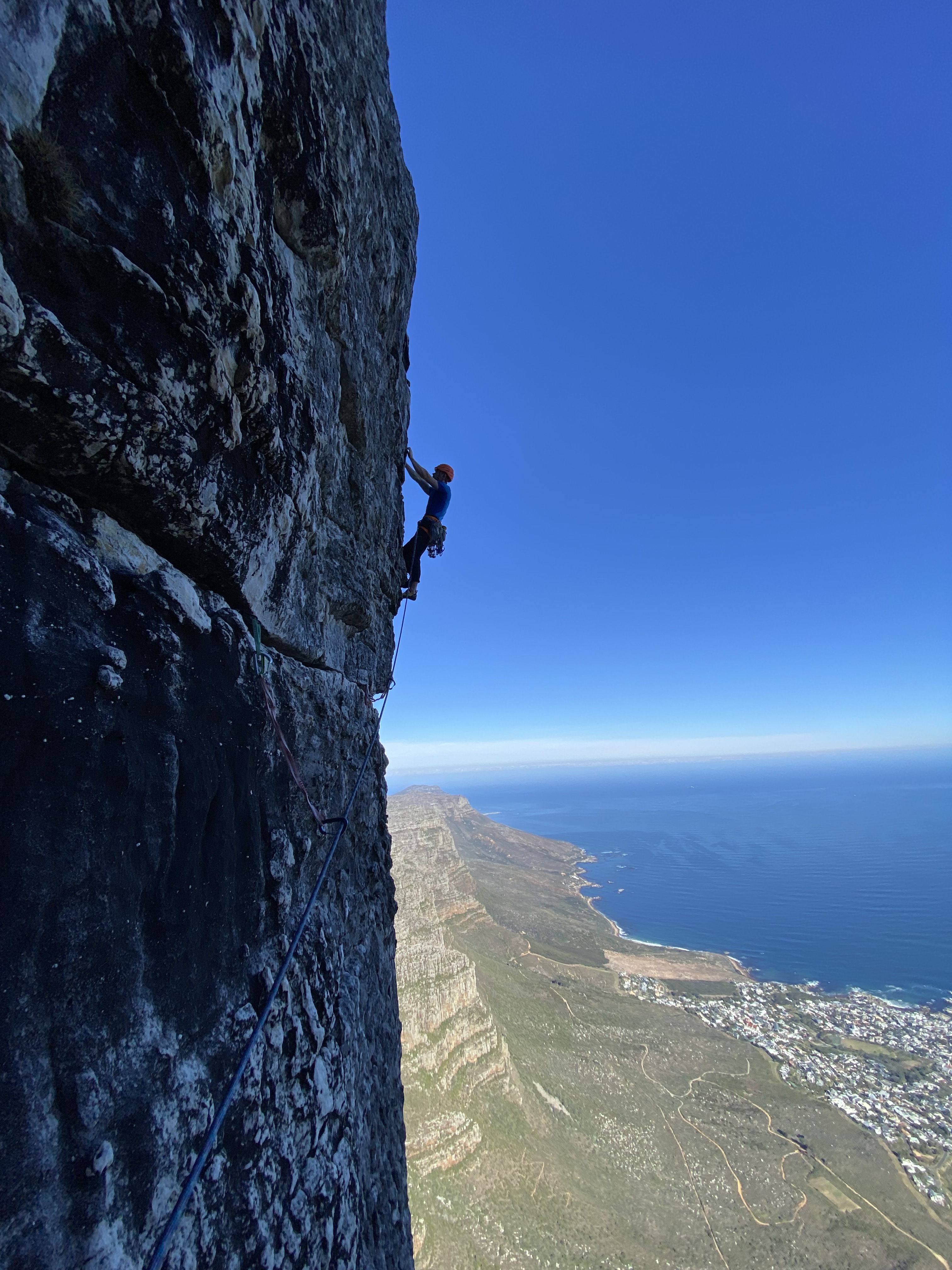
For climbers, South Africa is nothing short of world class. There is everything from spectacular multi pitch sandstone and superb tufas to immaculate granite slabs and bullet hard quartzite walls. The locations, environment and quality of the climbing is absolutely stunning. Despite all this, South Africa doesn’t seem that popular with international climbers any more. We only met one other pair of foreign climbers on our whole trip, and that was in Rocklands, the country’s most famous venue.
Guidebooks for Climbing in South Africa
Affiliate Disclosure
We have an affiliate partnership with Climb-Europe.com, which means we receive a commission if you buy a guidebook via one of our links, at no extra cost to you. Currently, we only use affiliates for guidebooks from Climb Europe, not anything else. To read more, click here.
South Africa is very well endowed with guidebooks and online resources for climbers. There are so many different guidebooks it would be an article in itself to list them all. Climb ZA is the best place to start, not only can you find free online information and topos, but you can also find out about which guidebooks cover which crags and areas. TheCrag is also really good for South Africa and has plenty of up to date topos. There are great select guides like Western Cape Rock – which can be accessed via the Vertical Life app, as well as definitive guides for areas like Montagu or the Cedeberg which can be purchased from Climb-Europe. Other website like Eastern Cape Rock Climbing contain PDFs about crags in that specific region. In short, you won’t find it difficult to locate a guidebook or topos for your crags of choice.
Grade conversion can be slightly confusing as different tables use slightly different comparisons. We definitely think conversions that have 20 as 6b and 24 as 7a are right, some of the slightly different tables are effectively sandbagging and having 25 as 7a bares no resemblance to any of the other places we’ve climbed over the years. Tony Lourens’ Western Cape Rock guidebook uses the best conversion table in our opinion.
Weather and Climbing Season in South Africa
South Africa is located in the southern hemisphere, meaning its winter is June-August and summer is December-March. In general, the summer is wettest time of the year and winters are much drier and cooler, giving better conditions for climbers. The notable exception is the Western Cape, particularly the areas of Cape Town and the Cape peninsula. These areas have a Mediterranean climate with hot dry summers and colder, but much wetter, winters.
For a general South Africa trip, anytime from April to October will be ok, with May to September being slightly cooler and therefore better. Crags can get surprisingly hot even in the cooler months and while people do climb in the summer, personally we would likely find it way too hot to be enjoyable. If you specifically want to visit the Western Cape area then it is essential to avoid winter if you want to make the most of your trip. Like the rest of the country, summer will be incredibly hot, making spring and autumn the best time to climb in this region. The months of April-May and September-October will give you a good balance of not too hot but not too wet.
Below is a map of the different crags we climbed at in South Africa so you can see where they are in relation to each other. The crags are described in the order we visited them, starting with Waterval Boven and ending in Rocklands.
Safety
It is no secret that South Africa has a crime problem and if you’re thinking about visiting it is likely some of your friends or family have raised an eyebrow about safety in the country. This isn’t entirely unjustified, there are certainly some alarming stats about the issue. So is it safe? The answer really depends on circumstances. South Africa is one of the world’s most unequal countries. As a foreign tourist with money to support yourself, you will be among the most privileged in society. As a tourist, you can chose to stay in safe areas, you don’t need to go out at night and you need not walk through risky areas as you can drive or afford a taxi. Many South Africans are not so fortunate and it is them who are most often victims of crime.

During our 8 weeks in South Africa, we traveled through a variety of different areas, from touristic places like Cape Town to small rural villages well off the beaten path. Generally, we felt quite safe and during the entire trip there were only one or two times we felt at risk – although nothing actually happened in the end. Of course, there is a degree of luck involved and there are no guarantees, but the same applies to many countries. Use your common sense, be aware of your surroundings and don’t become complacent, the chances are you’ll be fine – just as the vast majority of tourists are.
Climbing Areas
Waterval Boven
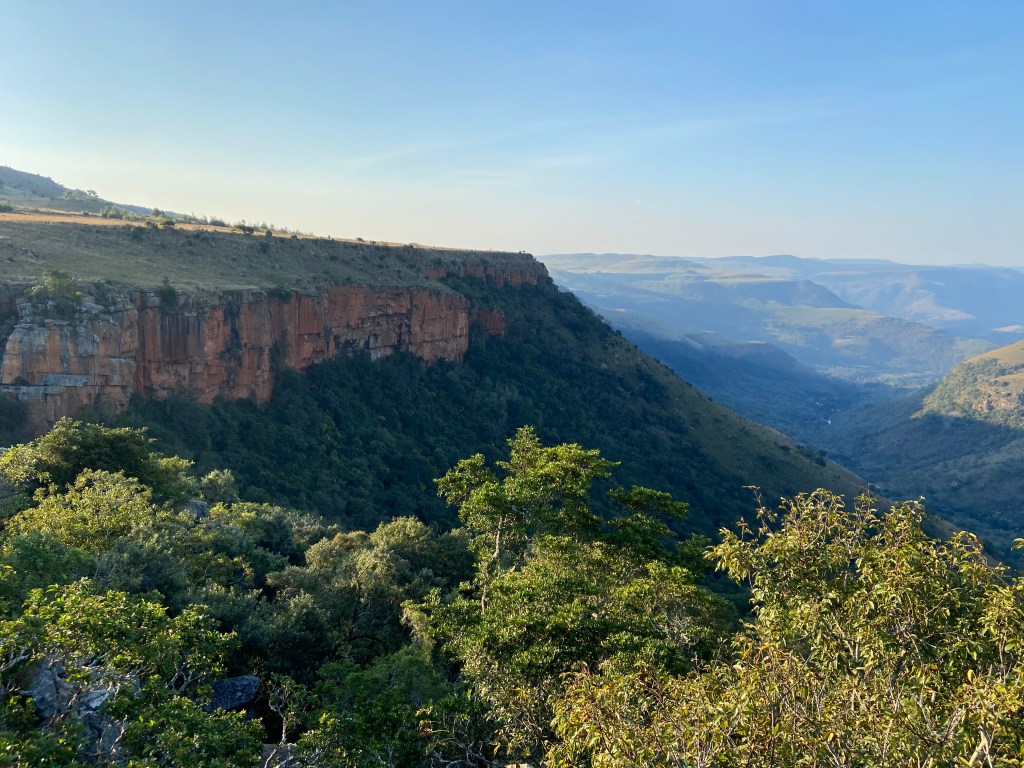
Waterval Boven is one of South Africa’s most famous crags, and for good reason, it is a truly world class destination. It is argued that Boven is the best sport climbing destination in all of Africa – a huge statement for such a big continent. The fact Boven is up there being mentioned in such a way tells you all you need to know. The stunning waterfall crag sells the place and it really lives up to the hype, but there is much more to Boven than just this one crag. The area sits on a mountainous plateau at over 1,600m and the crags are part of a seemingly endless escarpment that meanders in and out of several different valleys.
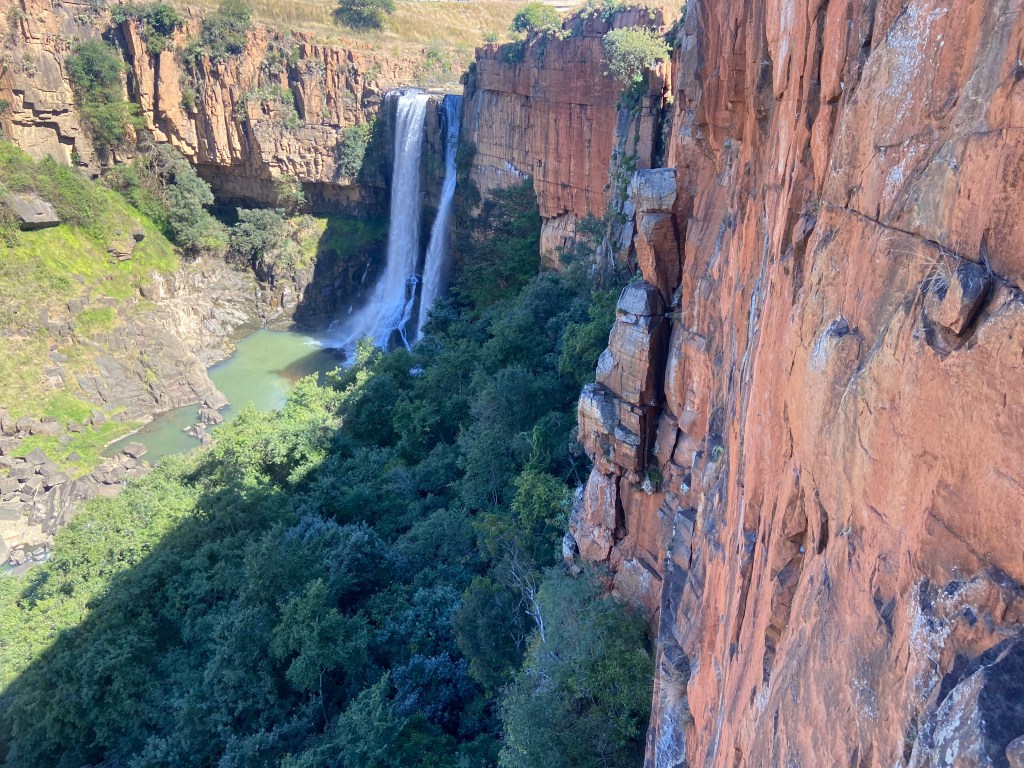
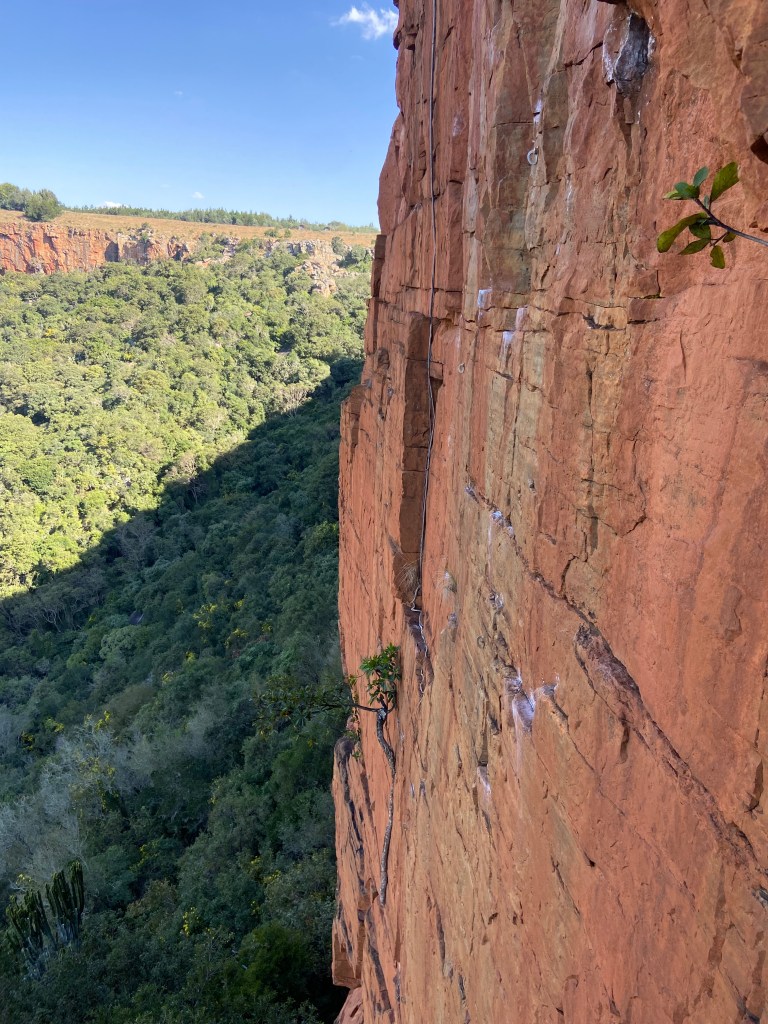
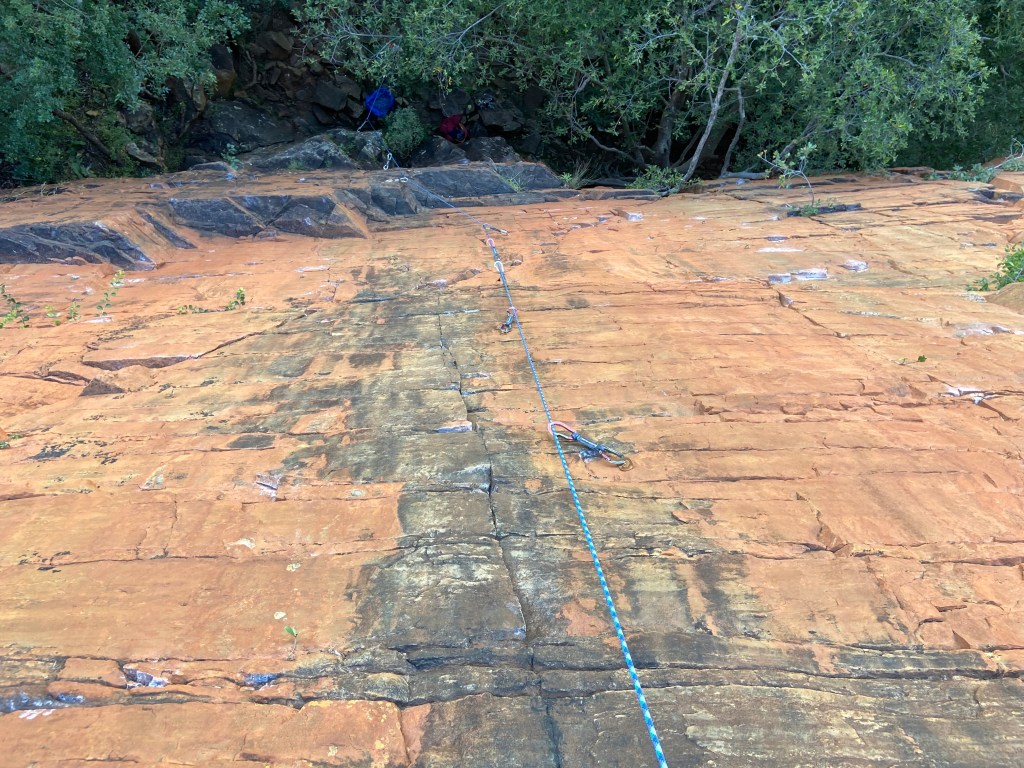
The rock is quartzite, an incredibly hard and compact metamorphic rock that was originally sandstone. The quartzite at Boven is incredibly beautiful, with shades of deep orange and red giving some of the most visually stunning walls you’ll ever see. Style wise the climbing is very varied, with lots of crimps, flatties, horizontal breaks, cracks and laybacks. Some routes are harder than they look, but more often can be easier than they look – the feeling of relief at reaching a sinker break that looked tiny is all part of the fun. Boven has over 900 routes, with grades from 5 to 35 (2-8c+) and despite having a reputation as a hard climbers venue, has loads of excellent quality routes to choose from at almost any grade.

The Tranquilitas area is an amazing part of Boven, you can camp out in nature and you are only a short walk from loads of superb crags. The crags in this area have a wonderfully remote feel, often you are only sharing the crags with vervet monkeys, baboons or rock hyrax. There are loads of amazing plants like mountain aloes and enormous euphorbia trees. Despite tonnes of great routes and the amazing environment there are very few people here. We only saw a few local climbers at the weekend and the rest of the week it was deserted, same for the waterfall crags. If you want to climb regularly at the waterfall crags you can stay at Roc ‘n Rope in town, the road between there and tranquilitas can be quite hairy and you won’t want to drive it too often!
We would recommend staying in Boven for at least a week, we loved it so much we could easily have stayed for a few months! with so many great crags spread out among the different valleys it is really worth spending as much time there as you can to enjoy the diversity on offer. Many of the routes we climbed in Boven were some of the best we’ve ever done, especially when taking the routes grade into account. There was basically nothing we didn’t like about the place and we are very keen to return again at some point.
We write for pleasure and climbing is our passion. Our articles will never be paywalled. However, if you would like to help towards the costs of running the site or if you have found our content useful, please consider contributing here. To read more about why your support matters, click here.
Mount Everest (Harrismith)
Mount Everest is a superb climbing area not far from the town of Harrismith. Unlike the world’s highest mountain, you won’t need an $11,000 permit or any bottled oxygen, but you will still want some warm layers as the crags are at 1,900m and can get chilly! The climbing here is fantastic, with beautiful sandstone walls offering great variety with everything from six pitch routes to bouldering. The climbing is spread across 3 different hills: Mooihoek Mountain, Mt Everest and Eagles Head Mountain. They all have their own unique charms and it is worth climbing at all 3 of them.
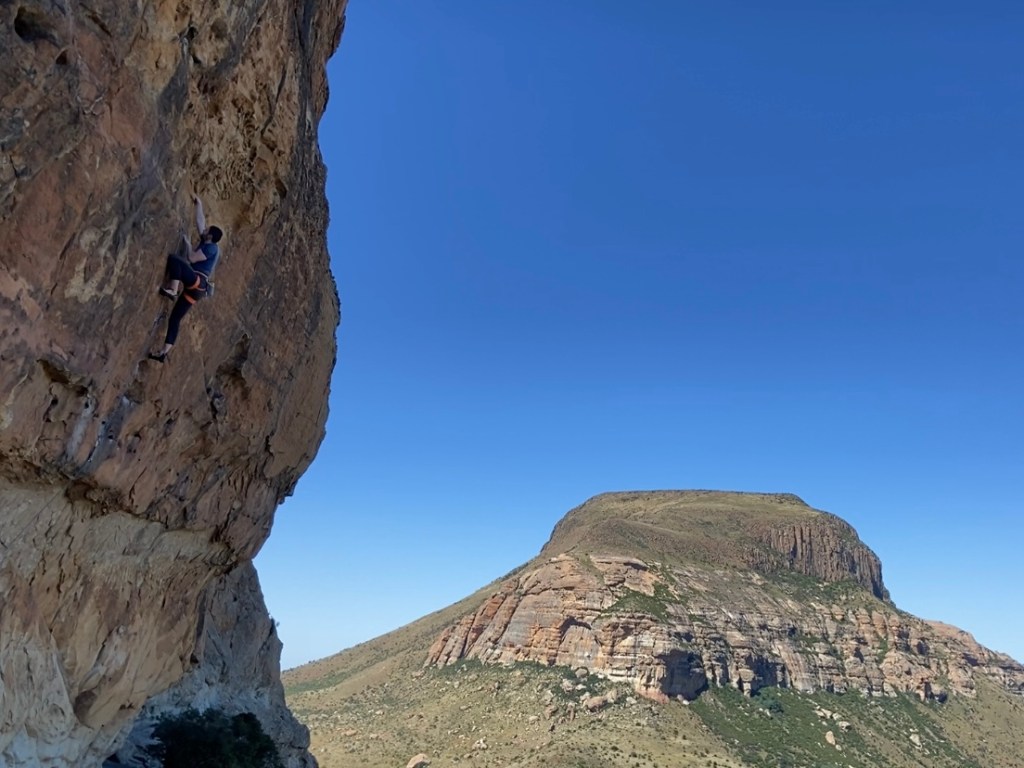
The climbing is set within the Mount Everest Guest Farm where you can camp or stay in some nice chalets of varying sizes. The area is stunning and even though you’re only 25 minutes from Harrismith you feel like you’re in the wilderness. The farm has lots of free roaming game and as you walk to the crags it’s very common to pass wildebeest, zebra, impala and even ostrich. It’s great to pass the game on foot on your own and without having to worry about being trampled by an elephant! The environment is pristine and it’s a wonderful place to be, we had the place completely to ourselves for 4 days, which when combined with the quality of the climbing makes it a more or less perfect place.

Currently Mt Everest has around 163 routes, from 7-34 (3-8c) with sport, trad, multipitch and bouldering to choose from. The potential for the place is huge, there is an insane amount of rock on the farm that is still untouched and the surrounding mountains are covered in hundreds of beautiful crags. The nearby climbing at Swinburne is a great example of the scope for climbing in this area, there are loads more mountains like that, no doubt amounting to several lifetimes worth of climbing. We thought Mt Everest is a great example of what South Africa can offer climbers – almost nobody from outside the country will have even heard of it!

Umgeni River Valley
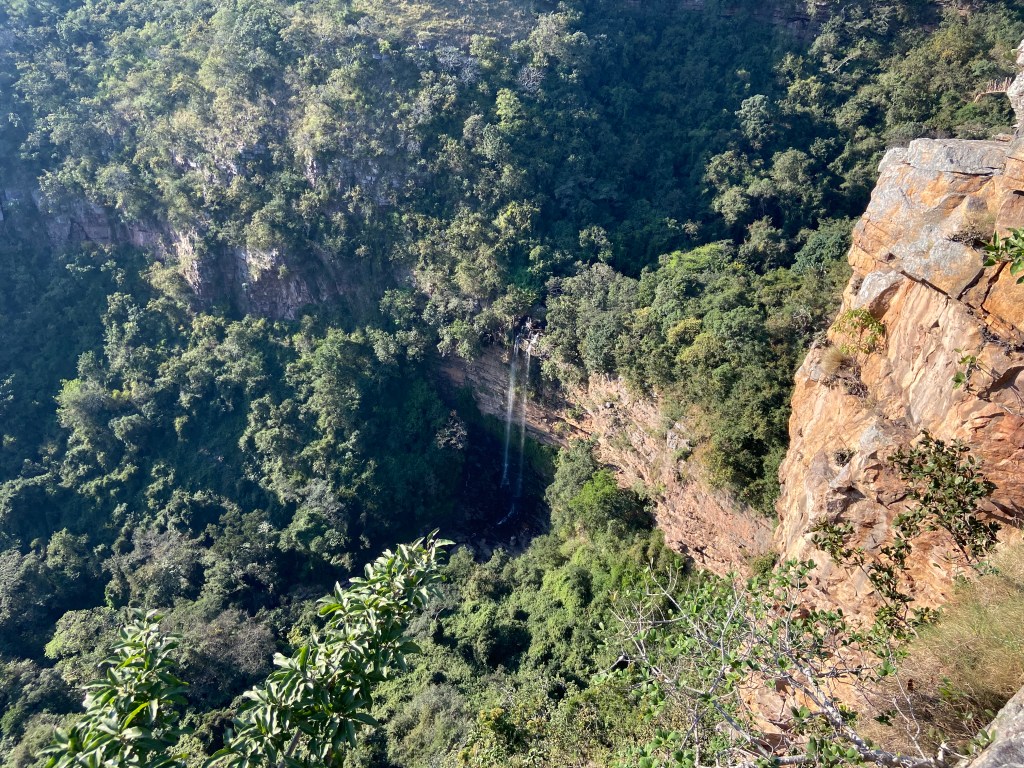
The Umgeni river valley is a beautiful and peaceful climbing area, close to the town of Howick. The valley is a nature reserve and despite its proximity to the town it feels surprisingly wild. The road to get to the crags is quite severe and our poor 2 wheel drive car only just managed to overcome it – so be warned! Aside from the torturous road, the views on the drive are great and you’ll likely pass some zebras along the way too. The walk in is part of a walking trail and so is relatively easy to follow, it passes through some amazing sub-tropical feeling bush full of interesting plants and lots of vibrant, colourful birds.

There are around 150 routes in Umgeni, from 14-34 (5a-8c) and the rock is very interesting to climb on. Some places online claim the rock is dolerite while others claim sandstone, both seem plausible depending on which part of the crag you’re on. Regardless of the geology, the routes are really fun to climb and are very varied in style, we particularly liked the crimpy walls and some of the crack lines were equally excellent. Umgeni is a really lovely area to climb in and Howick is a nice town, the only real obstacle is the road – either walk or get a lift if you’re in a hatchback!

Krantzkloof
Krantzkloof is a scenic nature reserve not far from Durban, with nice hiking trails and a good selection of crags. The ‘Durban Metro’ area is home to loads of crags, with sport, trad and bouldering all on offer. As well as Krantzkloof, classic areas like Monteseel and Shongweni have long been popular with climbers from the city. Whilst it would be fair to say these aren’t the very best crags South Africa has to offer, they are still good and occupy a very handy and easily accessible location for those travelling around the country. We wanted to spend a few days checking the area out and chose Krantzkloof as it looked beautiful and had some appealing sectors.

One thing to bear in mind with Krantzkloof is that you can now only enter from one gate as various other entry points have been closed. This means some sectors are now harder to reach or have a longer approach. The kloof has around 130 routes that are a 50/50 split of trad and sport, grades range from 8-30 (2-8a). The rock is good quality and the walking trails are nice in of themselves. We enjoyed climbing here and seeing the area, climbing wise it isn’t a ‘must visit’ place by any means but it was a good spot for a stop off on a road trip around South Africa.
An Eastern Cape Calamity
We were psyched to climb in the Eastern Cape, an area much less known for climbing but that is well serviced with topos and information by the excellent Eastern Cape Rock Climbing website. Unfortunately, we had a poor run of luck and didn’t manage to get any climbing done. Primarily this was because approach trails had become severely overgrown, or because it felt like leaving the car unattended may have been a poor choice. We actually really liked the Eastern Cape and enjoyed spending a few days there, so we aren’t trying to deter anyone from visiting for climbing. However, it would be worth organising in advance more than we did – perhaps take a machete for cutting a new trail or message some locals and arrange a meet up with someone who knows where to go. Our method of just showing up was not the best plan, but otherwise the area was nice and there are lots of crags to choose from.
Oudtshoorn
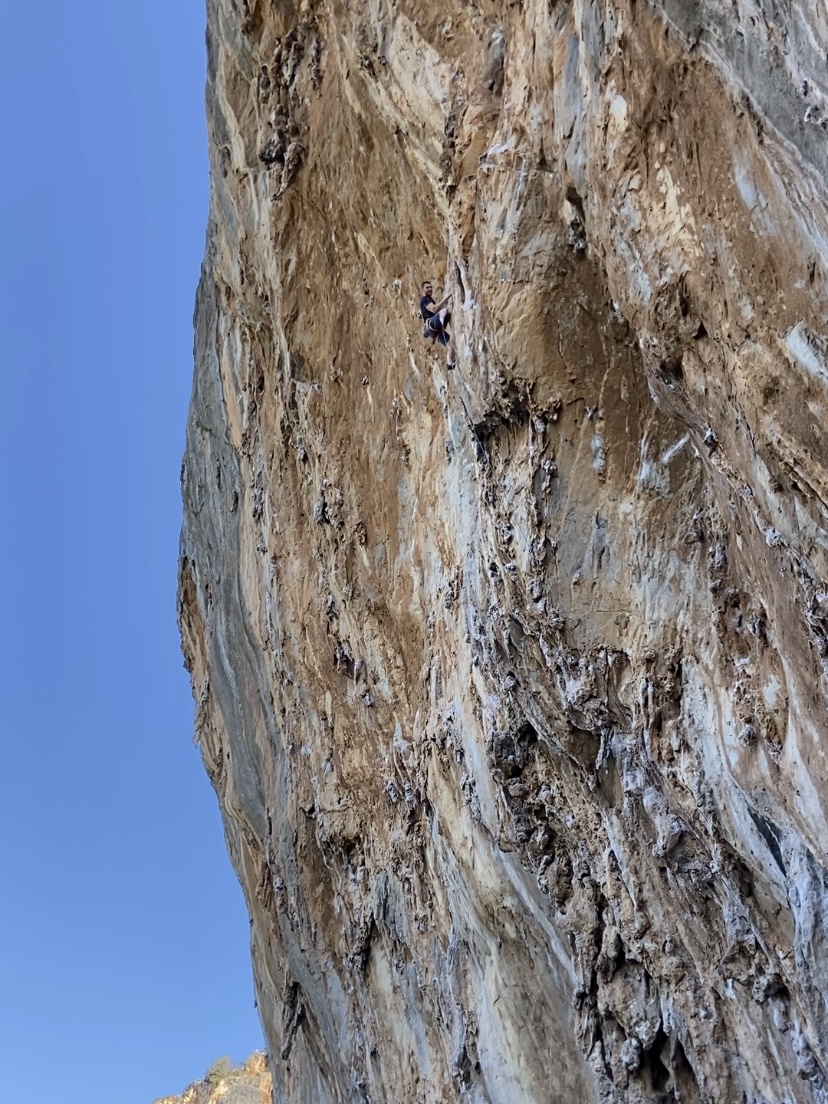
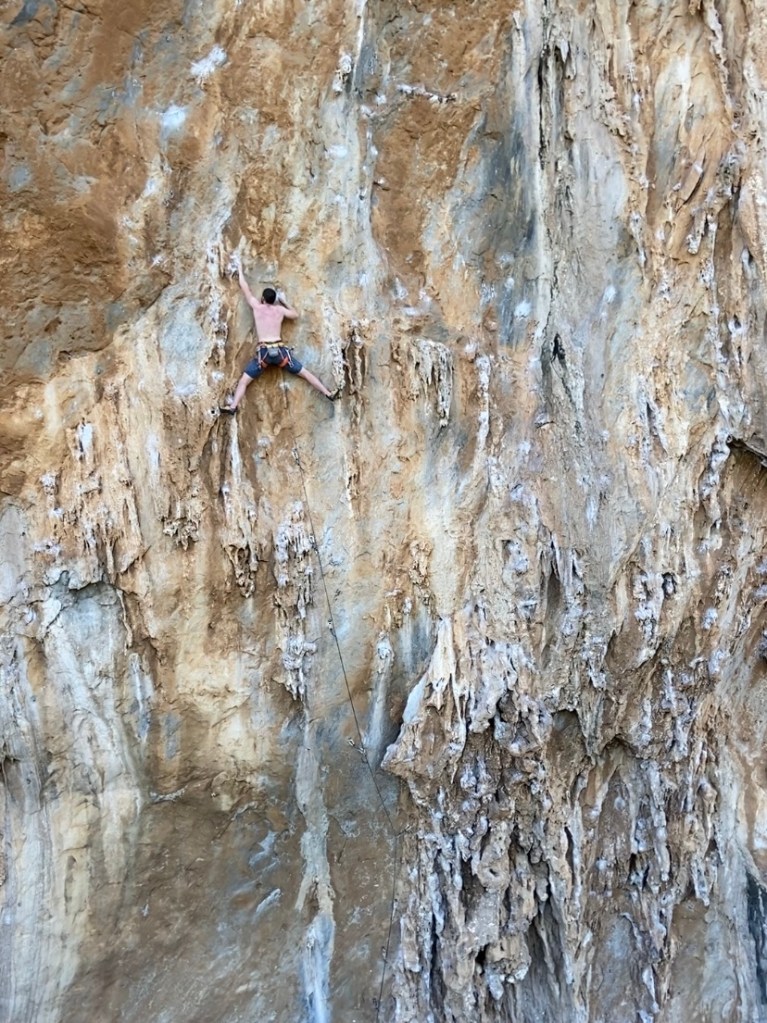
Oudtshoorn has the only limestone climbing in South Africa and this momentary change in the geology sure has a big impact. The main wall at Oudtshoorn is world class – whether comparing it to tufa crags in Spain, Turkey, Thailand etc, it completely holds it own as some of the most superb tufa routes you’ll find anywhere. There are some amazing sections of proper ‘stone forest’ climbing and you’ll probably have the place to yourself! Oudtshoorn has been developed really well, the approach trails are easy to find and generally the routes have been very well bolted, the whole experience of climbing here is a total pleasure.

Oudtshoorn has over 120 routes, from 10-34 (3-8c), that are spread over several sectors. We climbed at a few and while the lower grade walls are ok, it is really the main wall that you visit for. The routes at the main wall start from 22 (6c) and ideally you will be able to climb up to around 26 (7b) as this will open up loads of opportunities. That being said, there is still plenty for a 24 (7a) climber to go at for a few days and at the main wall every route is a really good route.

The climbing isn’t in Oudtshoorn itself, but is at the De Hoek mountain resort, which has camping and chalets within walking distance from the crags. We were the only people there for 4 days mid week in May, climbing conditions were perfect and the people from De Hoek were super friendly. The area is down a dead end road, so it is very peaceful, you are free to enjoy world class climbing and chilling at your leisure!
If you find our content useful please consider subscribing:
Montagu
Montagu is the largest sport climbing area in the Western Cape, with over 700 routes from grades 9 to 35 (2-8c+). The routes are spread over hundreds of crags, dotted around several different Kloofs. The crags vary a lot in style, with some super steep and others techy and crimpy, equally the size and quality can vary but there will be a crag for everyone somewhere in Montagu. The area also has the benefit of being in a rain shadow and it is well known that Montagu is the place to go if it is raining around Cape Town, despite being only 2.5 hours drive away it is a completely different and much drier environment.

The rock is very interesting, a hard and very compact quartzite in beautiful shades of orange. It lends itself to comparison with Boven, except that Montagu is in the Cape fold mountains and not the great escarpment and as such has more vertical breaks & cracks compared to the typically horizontal breaks in Boven. The other big difference we noticed was friction, the rock in Montagu is so hard that the surface of many holds feels completely smooth. In this regard it almost reminded us of certain types of granite. We found the lack of friction tricky to adapt to style wise, especially in terms of body position. Conditions also play a role, try to pick your crag wisely to avoid greasy feeling holds.
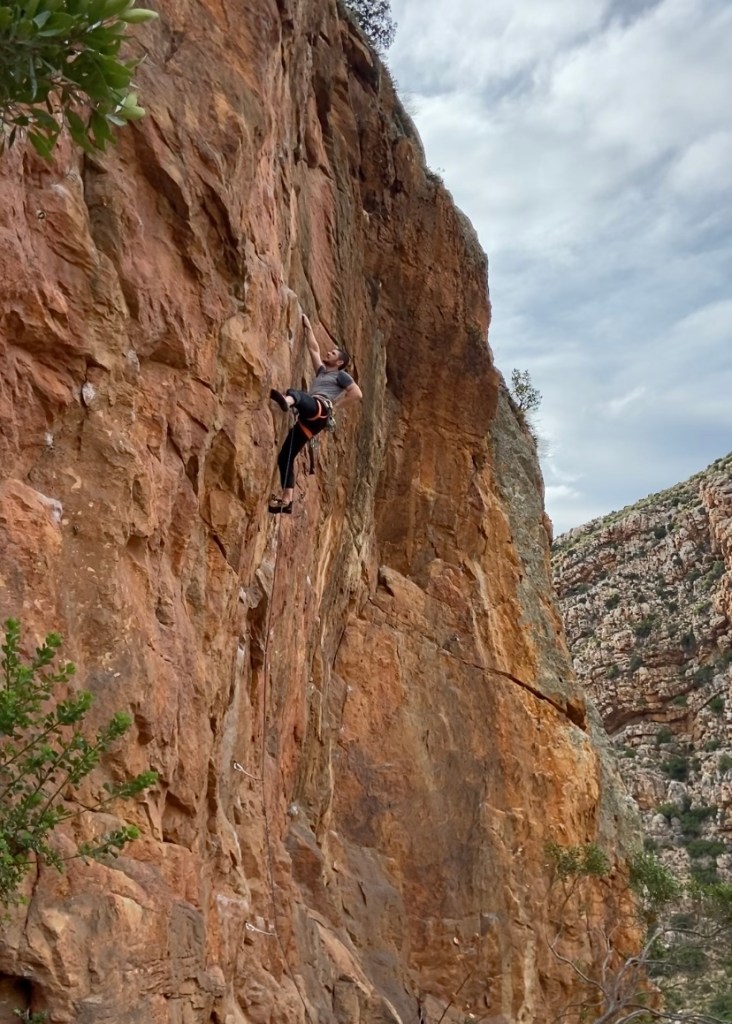
Access is generally good in Montagu, but you must purchase a permit to climb in Bosch Kloof. We would highly recommend it as Bosch is one of the best Kloofs in Montagu and was our personal favourite, it was definitely worth the permit price. You can buy a permit from montaguclimbing.com.

A Hellfire mix up
We were really looking forward to climbing at Hellfire, an impressive looking crag in Du Toit’s Kloof. The crag is on Cape Nature land and as is common across South Africa, requires a permit. You used to be able to buy one from the Du Kloof lodge, but when we went they said they no longer issue them. We phoned Cape Nature who were incredibly confused as even though we specified it was for climbing, the computer system was confusing them that it was instead a hiking trail and the system wouldn’t grant a permit. Nobody we spoke to was actually sure why the system said that, or what was really going on. Alas, after several hours waiting, the permit couldn’t be granted, and not wanting to jeopardise access we didn’t feel we could climb.
It felt like falling at the final hurdle to be able to see the crag, but not go to it! After asking around and checking logbooks, we now know it is still allowed to climb at Hellfire, the crag isn’t banned and people still go there regularly. Unfortunately it was too late for us to salvage the day, but we thought it was worth mentioning as there was not much recent information about access. If you want to climb there we would recommend getting in touch with a local who knows the latest information and can give you some beta. Access for climbers is in place, but doesn’t necessarily fit into the standard system used for hikers etc. Unfortunately we didn’t get the chance to go back, as the crag gets a lot of sun we had only set aside one day to climb there as the weather was still quite hot. If we get the opportunity again then we would love to return and get stuck in.
Paarl Rocks
The Paarl rocks are really something special, large steely granite domes set in a beautiful nature reserve surrounded by stunning views in every direction. Paarl is some of the only granite climbing in this part of South Africa and it is truly amazing to be only 60km from Table Mountain and have such contrasting rock and climbing style. The name Paarl is the Afrikaans word for pearl, the domes are said to glisten like pearls after rain. Whilst there are plenty of bolts at Paarl, it is more adventurous than sport climbing! In years gone by it was nicknamed ‘The Grey Death’, but thankfully it is somewhat tamer these days.
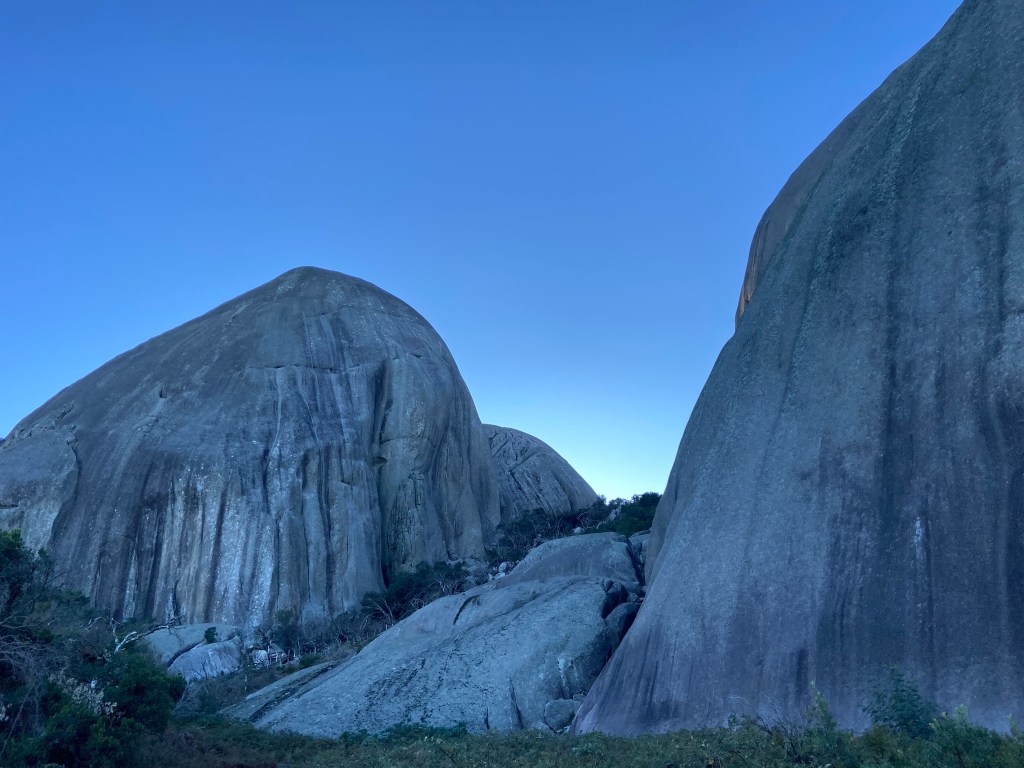
Slab climbing is what Paarl is all about, there is no substitute for good footwork and trusting your rubber to stick! The angle varies from very slabby to vertical-ish and the climbing is often sustained and unrelenting, giving plenty of epic and memorable pitches. There are around 170 routes, many of them multi pitches, with grades from 11 to 32 (3-8b). There are also over a hundred boulder problems.

We heard conflicting reports about Paarl, but we absolutely loved the place. The beauty and unique feeling of the place is really special, you feel like you’ve been transported to another world. We thought the rock quality was generally really good and the granite has very high friction, which helps with having faith in those smears! Whilst there are a lot more ‘esoteric’ or forgotten routes than in other areas, there are also plenty of total classics and the good routes are some of the coolest you’ll ever do.

Table Mountain
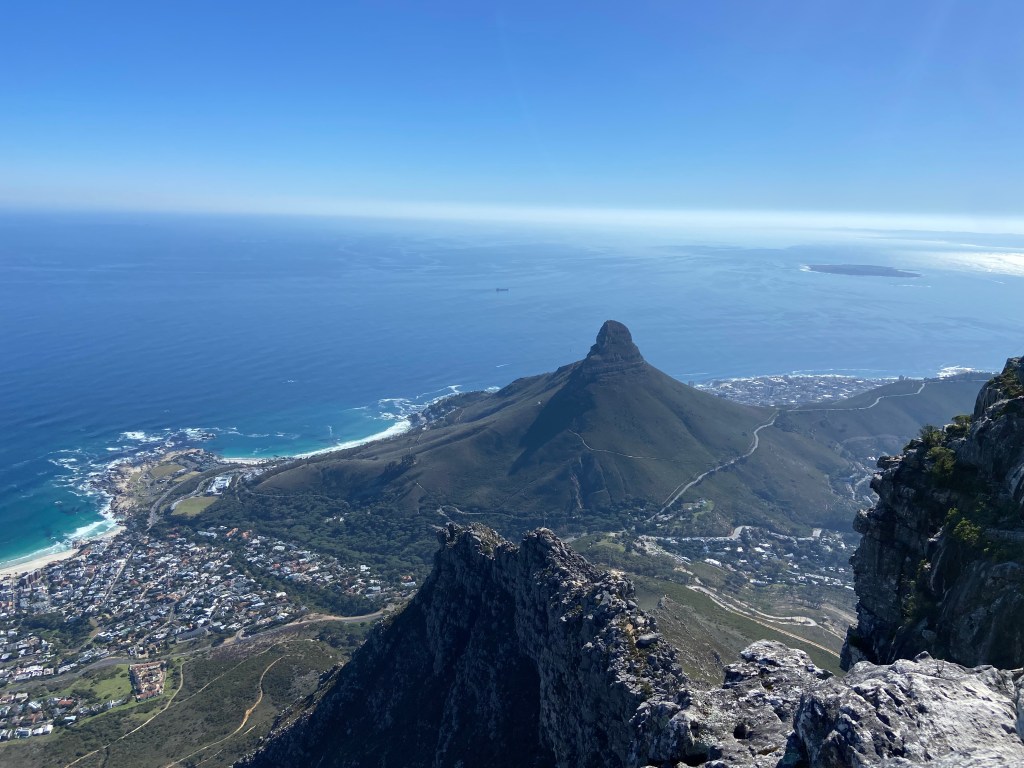
Table Mountain is a symbol of Cape Town and the cable car is one of the most popular tourist attractions in the city. The summit of Table Mountain is at 1,082 meters, which is pretty big considering it’s right by the coast in the centre of a big city! For climbers it is really something unique, adventurous multi pitch climbing that is only 5km from the South African Parliament building. Whether you’re in Cape Town for work or holiday, the amazing climbing and mountain environment is never far away. There are around 250 routes on Table Mountain which are mostly trad multipitches, with grades from 9 to 32 (2-8b). There are also hundreds of boulder problems. When combined with the other crags easily reached from the city, Cape Town can easily claim to be one of the best big cities for climbers anywhere.

The rock on Table Mountain is fantastic quality sandstone, some of the best you’ll ever climb on. It has a wonderful rough texture, but isn’t grainy, it has loads of features but is also very hard and compact. There is lots of face climbing on amazingly featured walls, which are generally steeper and more exposed than routes elsewhere, owing to the prolific jugs and chicken heads lining the crags. The routes can feel a bit runout, especially when allowing for the exposure! It is impressive that in a country full of great rock, Table Mountain is easily up there with the best quality rock in South Africa.

The approaches to the crags can be done in several different ways, the most popular options being the scenic walk/scramble up the India-Venster trail or to take the cable car up and abseil down. There are other walking routes, such as Platteklip gorge, which are easier to walk down than India-Venster and you can of course take the cable car down. Although the cable car isn’t super expensive, we chose to stick to walking as there is no pre-booking or queuing to faff on with. The walk up India-Venster will take about 1.5 hours and down Platteklip about 1 hour. It’s awesome that you can approach one way, climb 5 star multipitches and then descend a different way – a proper mountain day out but only a few km from the city centre. Whilst Table mountain is popular with tourists, most take the cable car, so aside from the summit it doesn’t feel that busy, especially taking into account its location.
Silvermine
The Cape Peninsula is home to several great sport crags, with a good variety of style and location among them. Silvermine is one of the most popular crags in the area and for good reason. The crag is set in a nature reserve that is part of Table Mountain national park and is so named because people thought the mountains were rich in silver and wanted to mine them. After a brief foray they discovered there was no silver and the mountains were left in peace. Thankfully the area was preserved and today it is a wonderful natural environment known for Fynbos, a beautiful type of shrubland with incredible biodiversity.

The rock at silvermine is a high quality sandstone with shades of orange and grey, covered in cool ergonomic holds. The climbing is great quality and really good fun, the crag isn’t particularly hyped as a must visit, but we really enjoyed it. We had actually planned to go to the Hole instead one day, but we liked silvermine so much we decided to go back as the last day we had there was so enjoyable – we had just as much fun the second time around. Silvermine has about 150 routes, from 13 to 28 (3-7c) and whilst it isn’t an insane or totally unique crag, it is a really nice place to climb with lots of great quality routes.

Cederberg
The Cederberg is a truly wonderful area, with spectacular scenery and big wide open spaces aplenty. Climbing wise the Cederberg has it all, thousands of boulder problems, excellent sport routes and adventurous multi pitch trad climbing. The only place in the Cederberg most will have heard of is Rocklands, an undoubtedly world class area. Don’t be deterred from casting the net wider, there are loads of other amazing climbing areas in the Cederberg, some with locations and routes easily just as good as Rocklands. Whilst nowhere can match Rocklands sheer size, the quality of the other areas is just as high and some of the scenery is even more beautiful!

Truitjieskraal
Truitjieskraal is one of those special places, somewhere that all the stars align to make it a more or less perfect place. Truitjieskraal is a rock jungle, a mass of crags, giant boulders, arches, caves and pillars – all of the most beautiful orange sandstone you can imagine. The rock is amazingly textured and covered in unique holds, the routes often climbing striking lines and impressive features. Truitjieskraal is in the heart of the Cederberg and you are completely surrounded by nature, even the dirt road to get there is stunning. When you stop for a moment and listen, the place is deafeningly silent, only broken by the birds.
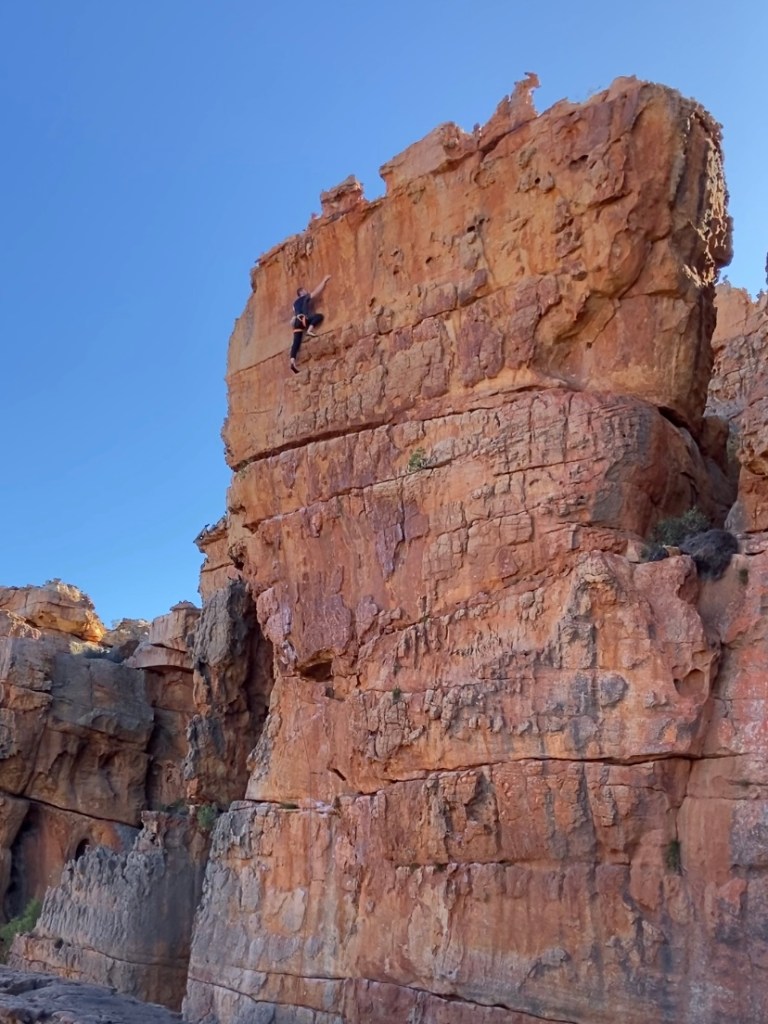
The climbing at Truitjieskraal is world class, the routes are so good you just wish they never ended. Truitjieskraal has over 200 routes, about a 50/50 split of trad and sport, with grades from 8 to 33 (1-8b+). A key element here is that all the routes are good routes, the rock is so good and the crags of the highest standard that the grade you climb doesn’t matter, you’ll enjoy all of them. The rock has great friction and some sections of surprisingly tiny holds, many routes look (and sometimes feel!) improbable for the grade. This really adds to the quality and the routes definitely feel full value.
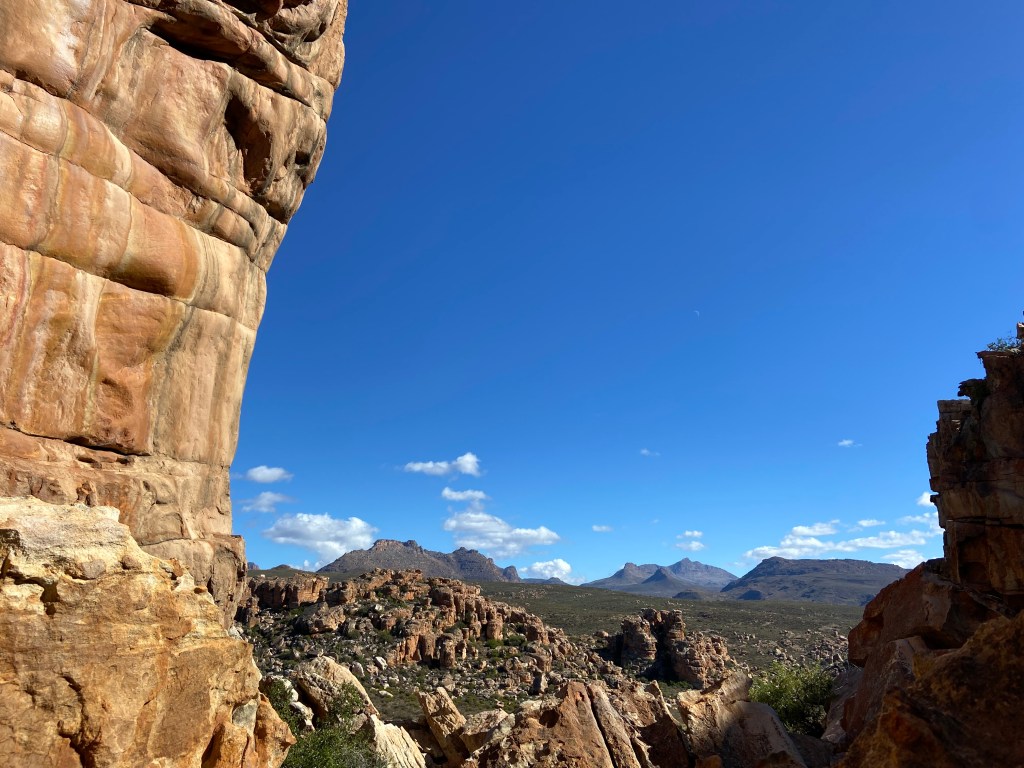
Truitjieskraal is in the Matjiesrivier Nature Reserve, a world heritage site renowned for its pristine landscape. Permits are required for climbing or hiking here. They can be obtained from the Matjiesrivier office or the office at ‘Algeria’ on the way in from the N7. You will also be given a code with your permit that enables you to unlock the gate to get there. Given the nature of the site, it is a real privilege climbing is allowed here so be on your best behaviour and don’t do anything to jeopardise access.
Sanddrif
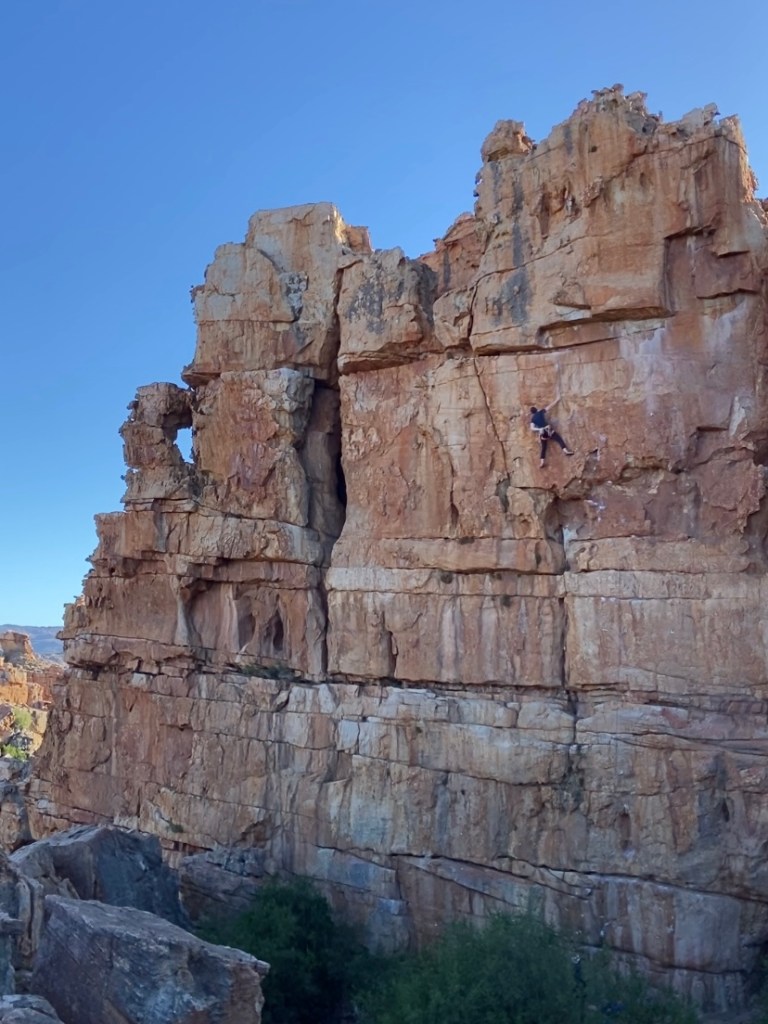
Sanddrif is another great climbing area, like a mini or condensed version of Truitjieskraal. The Sanddrif sport crag sits at the base of the famous Wolfberg cracks area – home to lots of impressive looking multipitch trad climbing. However, Sanddrif itself is basically a singular crag, but what it lacks in quantity it more than makes up for in quality. Some of the routes at Sanddrif can easily claim to be some of the best grade 19 to 22s in the Western Cape, or even in South Africa. The routes are a good length and climb on absolutely perfect sandstone, the holds are so perfect you just don’t want to let go. Sanddrif has around 30 routes, from 15 to 27 (5a-7b+), and the main wall routes are spectacular.
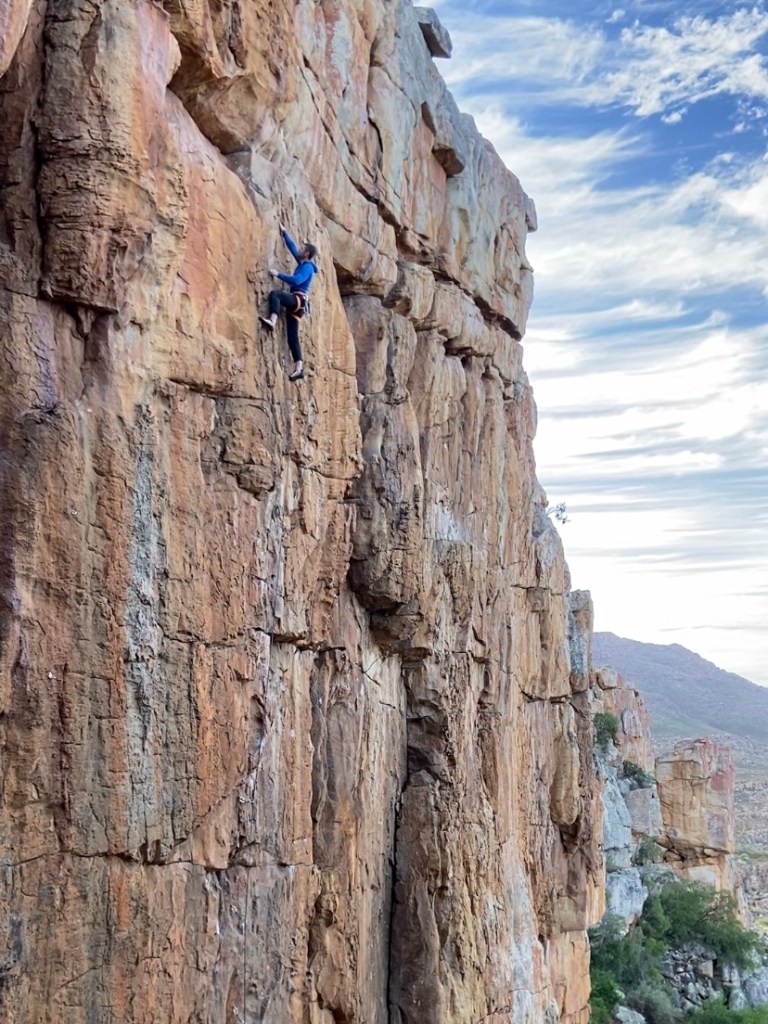
To give a balanced opinion, we must mention the only downside about Sanddrif and quite simply that is the local baboons using it as a toilet! The crag base is a carpet of baboon poo, so bring every rope mat or tarp you own and think carefully about how you pull your rope! Other than that it’s all good news, you need a permit which you can purchase from Dwarsrivier Cedeberg Wines for 40 rand a person, the shop also sells locally made wine and climbing guidebooks for the Cedeberg – so you’re all set!

Rocklands
Rocklands is without a doubt South Africa’s most famous and most popular climbing area. Set in the Northern Cederberg, Rocklands is renowned for bouldering, but it is also home to a plethora of world class sport routes and even some trad climbing. The rock is sandstone of the highest quality, similar to that of other Cederberg areas like Truitjieskraal, but with some differences. Whilst typical Cederberg rock is very orange, Rocklands often blends beautiful burnt orange with grey, weathered rock. This is excellent to climb on and is perhaps a result of the location, the area is at around 1,000 meters elevation and the conditions can feel rather mountainous when the weather turns!

Rocklands is on CapeNature land and a permit is required for anyone who wants to do any type of climbing there. Thankfully permits are very easy to buy online, you can get them from Quicket. They cost 80 Rand (€3.90) per person per day. You can get all of the topos for both boulders and routes on 27Crags premium, there are over 4,000 problems and routes to choose from, at every grade imaginable – there is something for everyone here. It is worth mentioning that Rocklands is a really big area, spread out over a long distance. Whereas other Cederberg areas are like large crags with several sectors, Rocklands is an entire area in of itself.

We didn’t have so much luck with the weather in Rocklands, with several days of rain diminishing our climbing opportunities somewhat. Thankfully it did properly dry up, just remember to never climb on wet sandstone as you will break the holds. We can’t complain too much as we had 8 weeks of almost perfect weather, but we did decide to go sport climbing instead of bouldering, when we had planned to do both. With less time it made sense to stick to routes as we had some fitness by this point in the trip, whereas we were weak and would probably have been slapped down on the boulders! It won’t matter what sort of climbing you do, it’s all on the same world class rock with the same beautiful views, it’s an awesome place.

Rest Day Activities
Kruger National Park
Perhaps the most famous thing to do in Sub-Saharan Africa is go on safari. Safari is not always that accessible and can be associated with some pretty major costs. Many private game reserves are still this way, almost like relics from the colonial era where snobby rich people came not to look at the wildlife, but to shoot them – this is where the term ‘big 5’ originates. Thankfully times have changed since then and places like the Kruger national park do a good job of making safari affordable and accessible whilst still preserving the environment. Two South African citizens could spend a night in a bungalow at one of the rest camps for as little as €45 including daily entrance fees, for two foreigners this will be more like €80. Whilst it’s not exactly cheap, it is perfectly reasonable for what you get to experience in return.
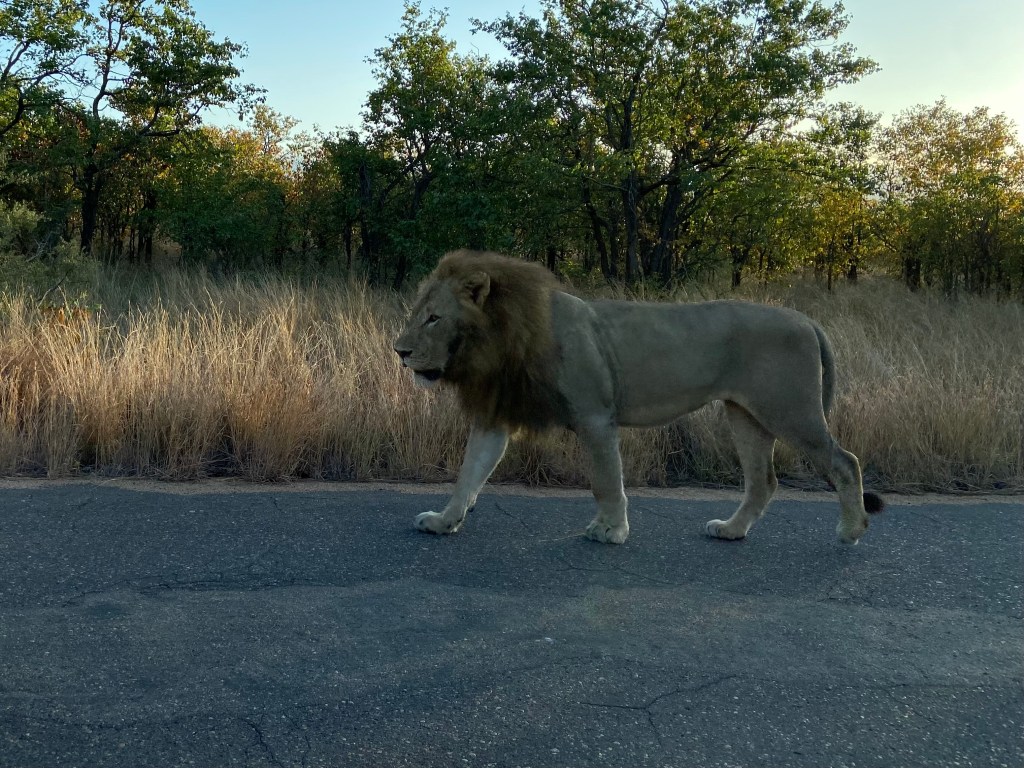
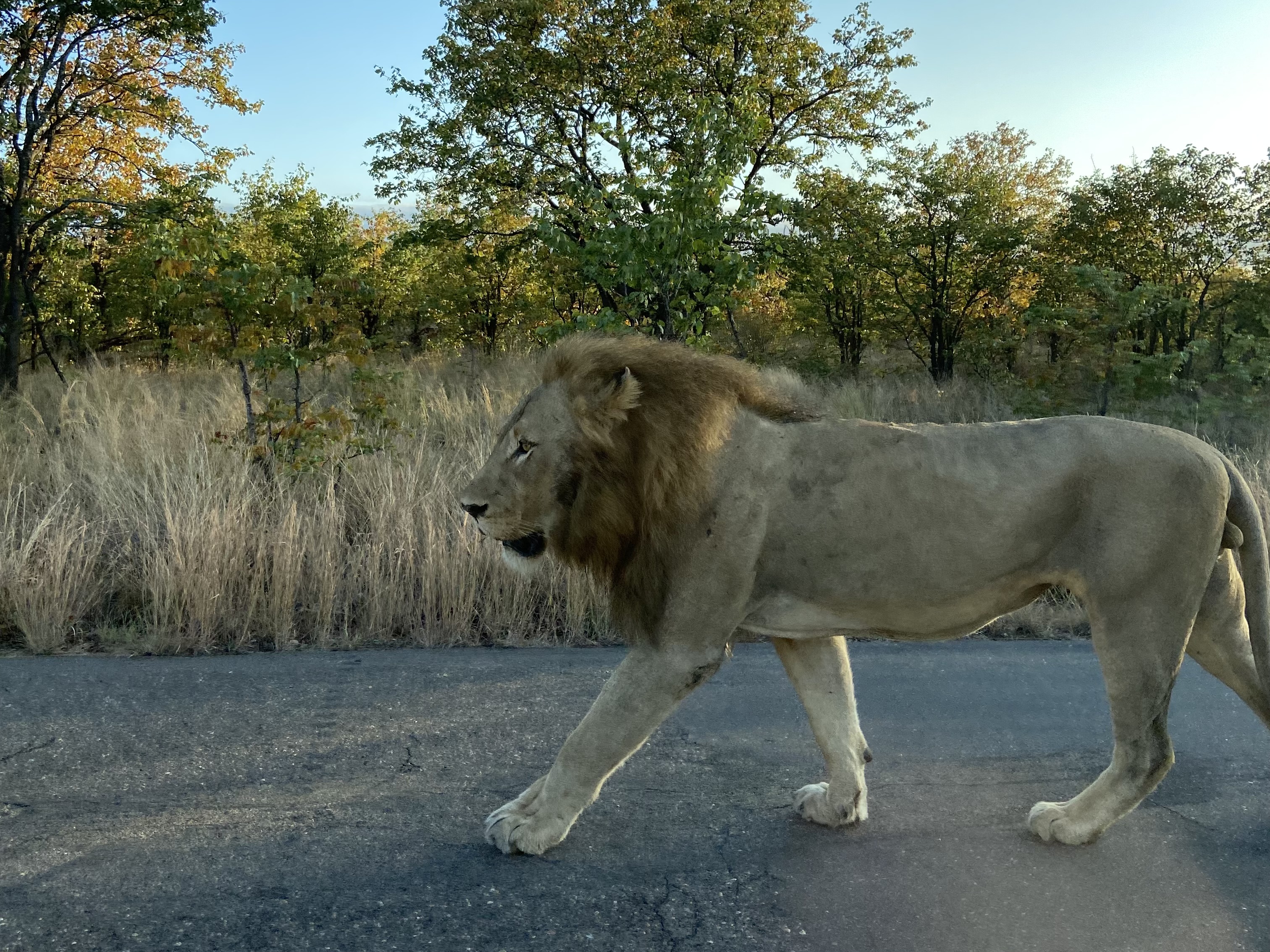
The Kruger park itself is immense, not only is it South Africas largest national park, it is also the same size as Slovenia! The Kruger is home to 147 species of mammals, 114 species of reptiles and over 500 species of birds. You can find the African Bush elephant – the largest land mammal in the world, the giraffe which is the tallest and the cheetah which is the fastest.
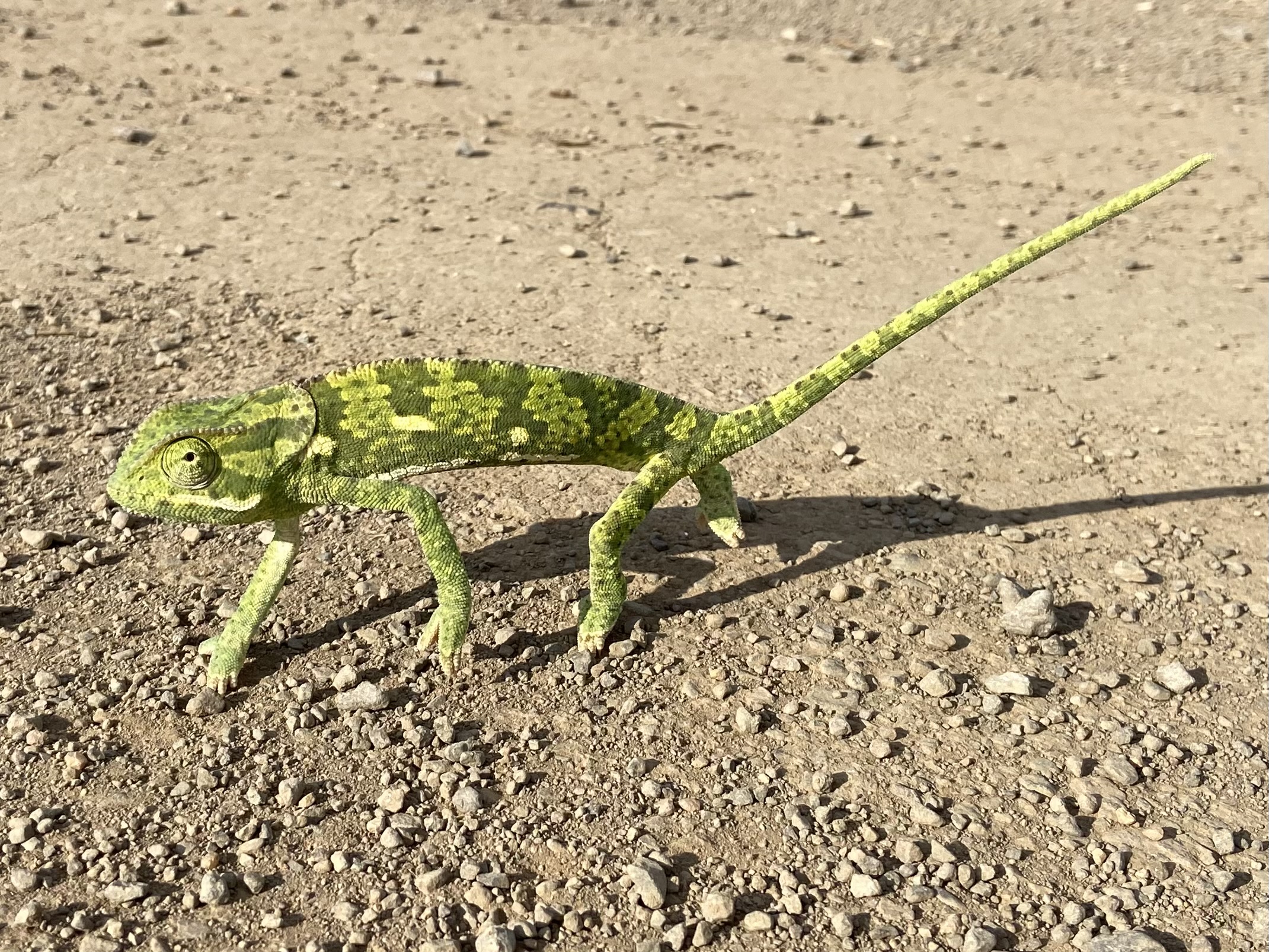

With so much going for it, we assumed it would be extremely busy, but that wasnt really the case. One of the best things about the Kruger is you can self drive, in your own car, rental or otherwise. This enables you to get around and about and to see all the best nooks and crannies of the park. The main roads are paved but the vast majority are small dirt tracks and these receive very little traffic all things considered. We often traveled for several hours on dirt roads without seeing a single sign of humans other than the track itself, whilst enjoying numerous excellent wildlife sightings. Navigating herds of often feisty elephants, on your own, in the middle of the bush, is something that you will remember for ever.
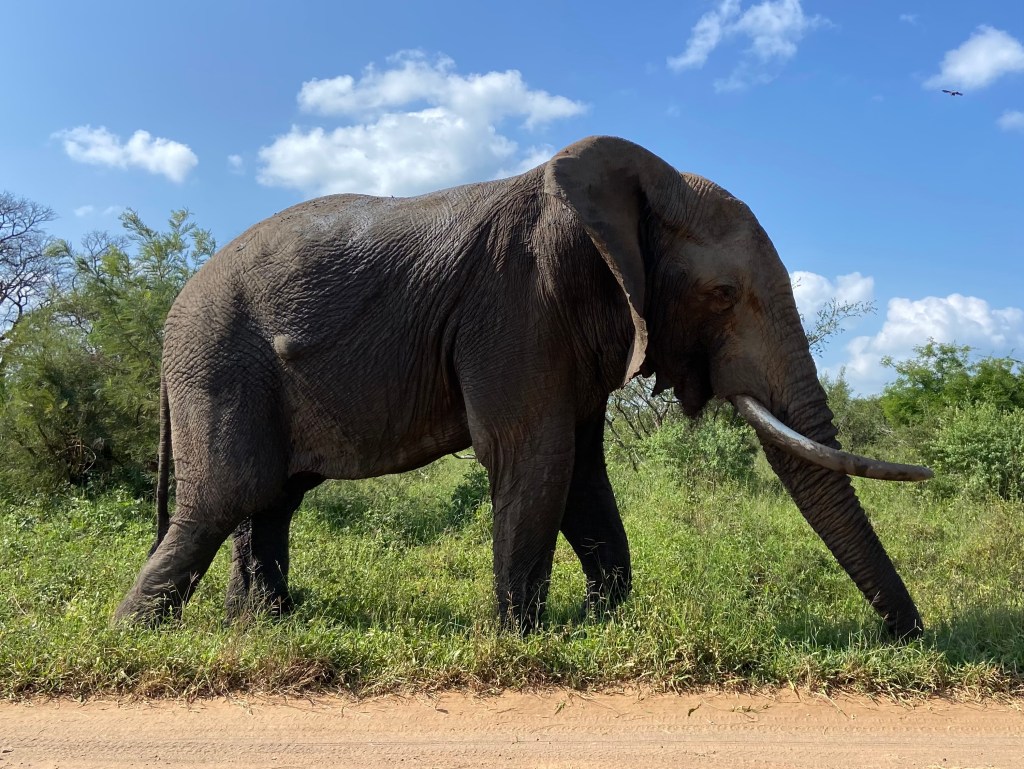
We spent 3 nights in the Kruger and made the journey through different areas of the park, staying at different rest camps along the way. This was great as we got to see different habitats and landscapes as we traveled from camp to camp. We absolutely recommend the smaller ‘satellite’ camps like the Tamboti tented camp, these are much less built up and you are treated to the sound of hyenas as you lie in bed. We actually saw two pairs of eyes looking at us from inside the fence (!!) when walking to the toilet at night – thankfully it was just two Steenbok and nothing scary! We felt 3 nights was a good length of time, we had so many sightings we certainly didn’t feel we needed any longer, but equally we would recommend going for at least 2 nights.

The Drakensberg
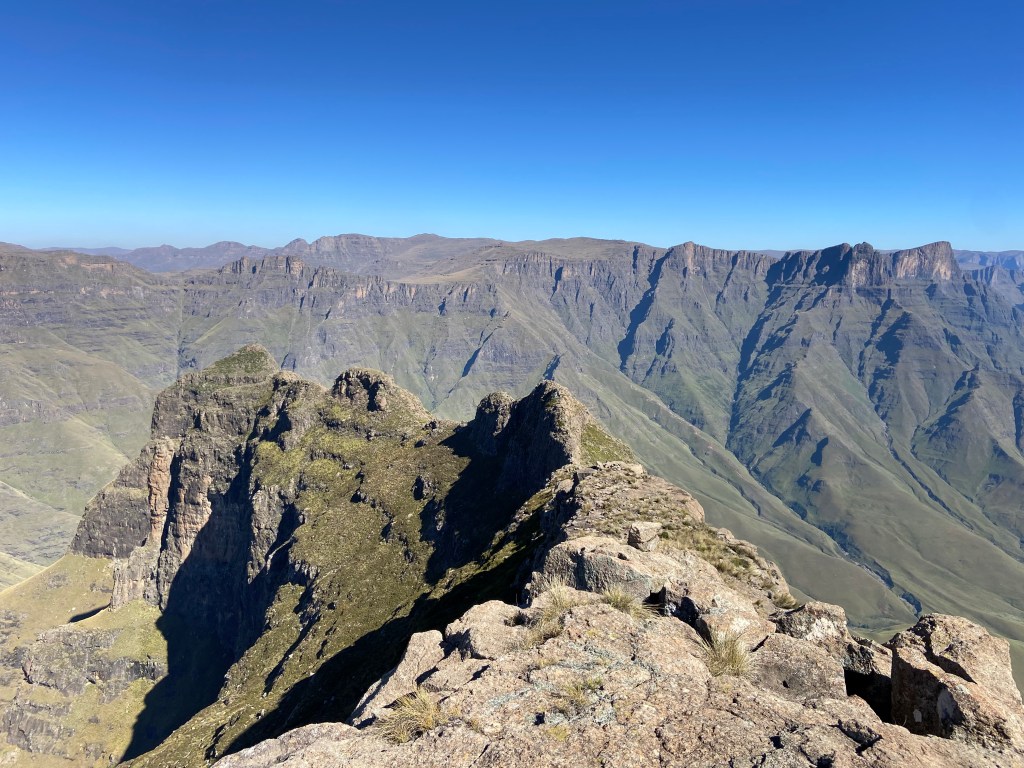
The Drakensberg is a world famous mountain area and a UNESCO World Heritage Site, home to South Africas tallest mountain, Mafadi, at 3,446m. The Drakesnberg in general is an enormous area stretching across much of South Africa’s great escarpment. When most people talk of the Drakensberg they are actually referring to the Maloti-Drakensberg National Park, which is home to the range’s biggest mountains. Whilst the park is the epicentre of hiking in the Drakensberg, don’t be deterred from the smaller surrounding hills as they are also incredibly beautiful.
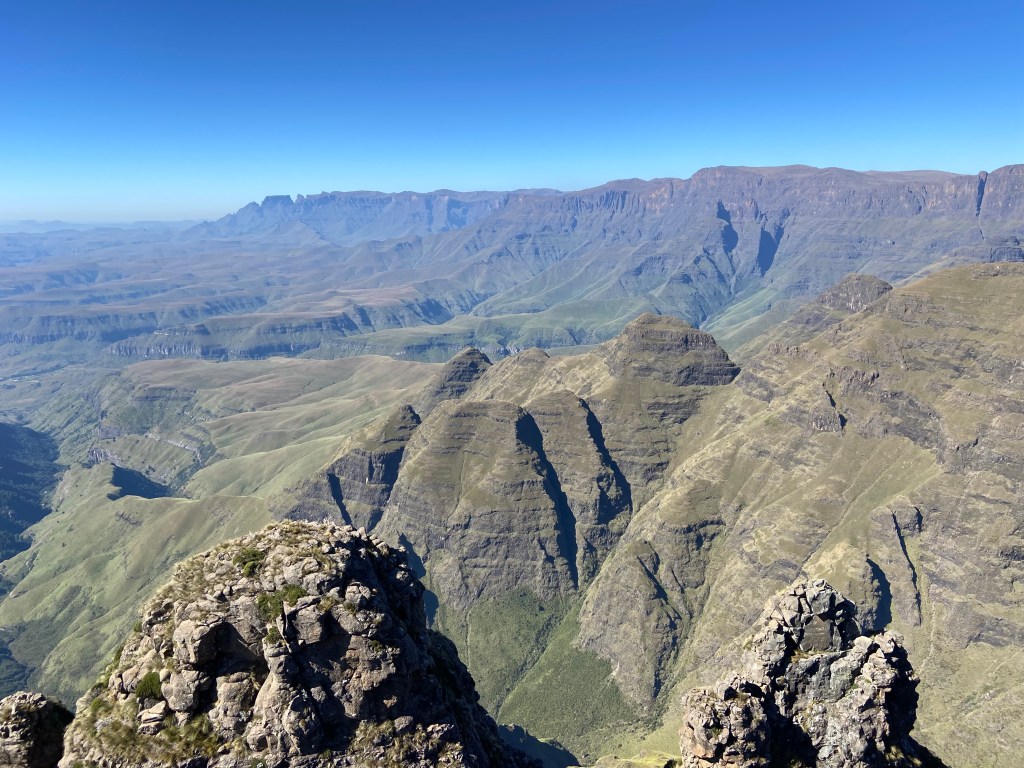
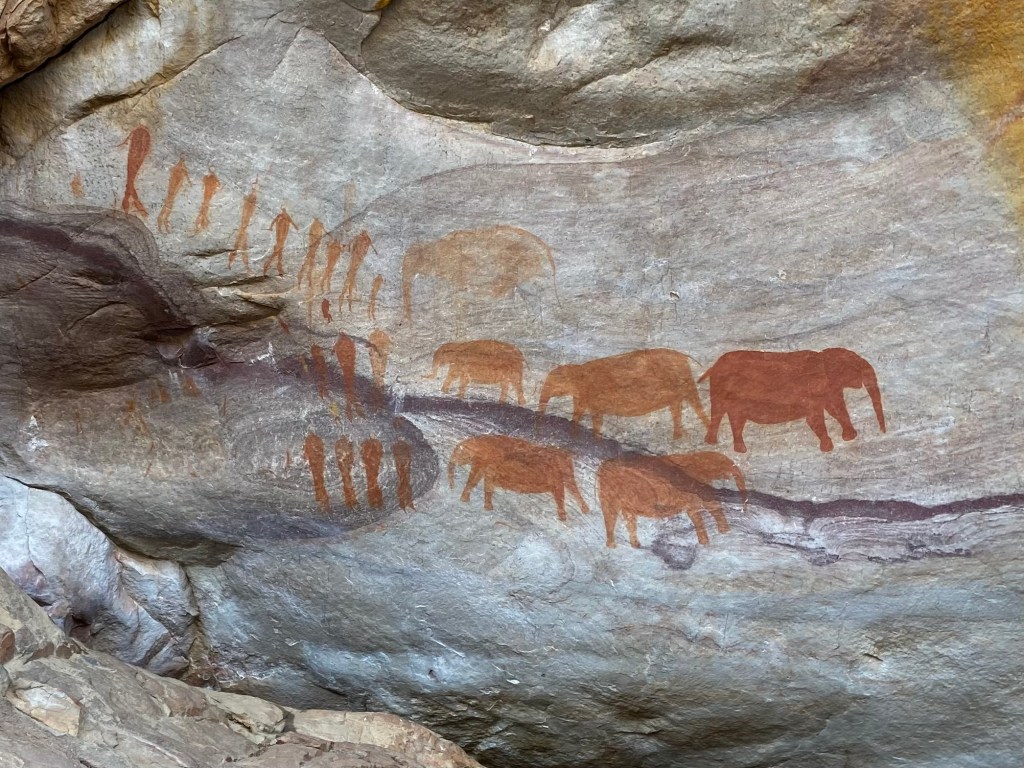
Part of what makes the Drakensberg so unique is their appearance. This is due to the unusual geology of the mountains which are comprised of a sandstone base topped with basalt. The Igneous basalt is resistant to erosion as has given the mountains crisp edges and pointed summits, while the softer sandstone below has eroded into deep beautiful valleys. Many of the smaller mountains outside the park have no basalt top and are more rounded and dome shaped. The sandstone has also formed thousands of caves in the Drakensberg and these are home to thousands of rock art sites of the San people, who inhabited these mountains for over 4,000 years. The mountains also play an important role in modern day South Africa as a major source of water for the whole country.
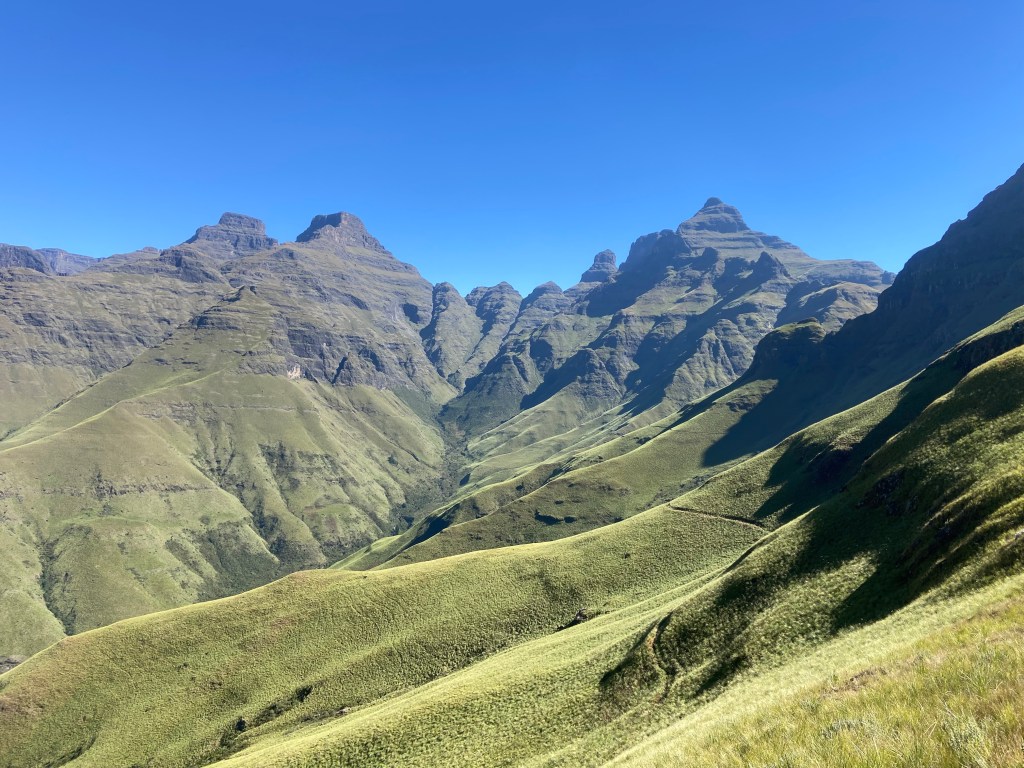
With so much choice it can be tricky picking where you want to go. One particular consideration is that the mountains shape lend themselves to very rugged and steep sided faces. This means you won’t simply walk up a summit from any direction, as there may be only one route up, so you must base yourself in the right area. We were pleasantly surprised that the famous Cathedral Peak was almost deserted and the trail relatively small, a real mountain experience with some exciting scrambling too. By contrast, the short valley bottom hikes can get quite busy, especially at weekends. We would recommend trying to cover some distance and get up high, the environment and the atmosphere up there is very special.
Wineries and Vineyards
South Africa is the 7th largest wine producer in the world and the quality of South African wine is highly regarded. Wine production in the country is almost exclusively within the Western Cape, quite handy considering that is where many of the best crags are! There are vineyards everywhere and the vast majority of them will sell bottles as well as offering tastings. Wine tastings can last well over an hour, you’ll end up getting several glasses of wine and often the cost is less than 150 rand (€7.40)! Vineyards often have other local produce, like cheese. The excellent Fairview wine and cheese is in Paarl, a pretty ideal post climbing treat to unwind from all that slab climbing. There are loads of others close to crags in Montagu, Cape Town, the Cedeberg and even Oudtshoorn. If you like wine the Western Cape is the place to enjoy it, it won’t come much more conveniently or affordable than here.

Visit an Apartheid museum
South Africa is a country shaped by history, many of the problems in modern day South Africa have their routes in apartheid or the pre apartheid era. Before what is arguably the world’s most racist policy was made law and given the name apartheid in 1948, South Africa had already been treating black people in a disgusting manner for several hundred years. Black people had been used as slaves and forcibly removed from their land for a long time before apartheid even started, but the implementation of apartheid showed that the government had no intention of relenting its abuse of black people.
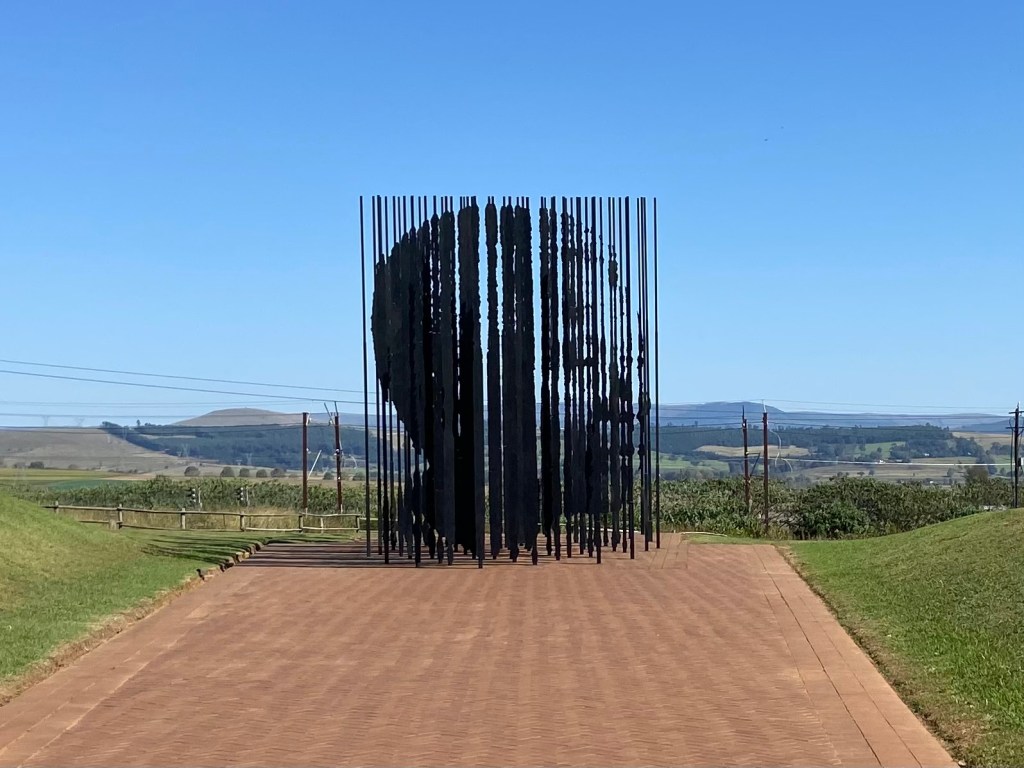
An apartheid museum is a great opportunity to educate yourself about the horrors of apartheid and what day to day life was like for black, coloured and asian people during these dreadful years. You will also learn about how the policy properly came to an end in 1994 and, of course, the amazing story of Nelson Mandela and many other key figures like Steve Biko. While apartheid ended over 30 years ago, the lives of many have not improved.
South Africa today is the world’s most unequal country when measured by income. Additionally, white South Africans own 72% of the land owned by individuals, despite making up only 7.3% of the population and black South Africans own only 4% but make up 81.4% of the population. White unemployment sits at 7.4%, while Black unemployment is at 36.8%. Wealth wise, the top 1% own 55% of the wealth and the top 10% own 86%. Even if race was taken out of the equation, no state can function fairly and justly for all with such levels of inequality.
Today the blame game occupies a lot of headspace in South Africa. Is it the fault of apartheid and its legacy? is it the fault of government corruption? Millions of people still live in extreme poverty, it certainly isn’t their fault. While the back and forth continues and those on all sides of parliament seem to become enriched, the lives of those in need remain unacceptably stagnant.
The current situation shows what a remarkable person Mandela was, the sense of unity, togetherness and hope he brought to the country is missing now. Mandela didn’t seek to install himself as leader for life as so many freedom fighters have done, he graciously stepped back after one term. His actions and his words show he understood it wasn’t about him, a movement is always bigger than any one person. Many world leaders could learn a lot from Mandela’s example. The fact Mandela was wrongly imprisoned for 27 years and harboured no bitterness or hatred showed one thing: division and conflict is not the path to progress.
Food
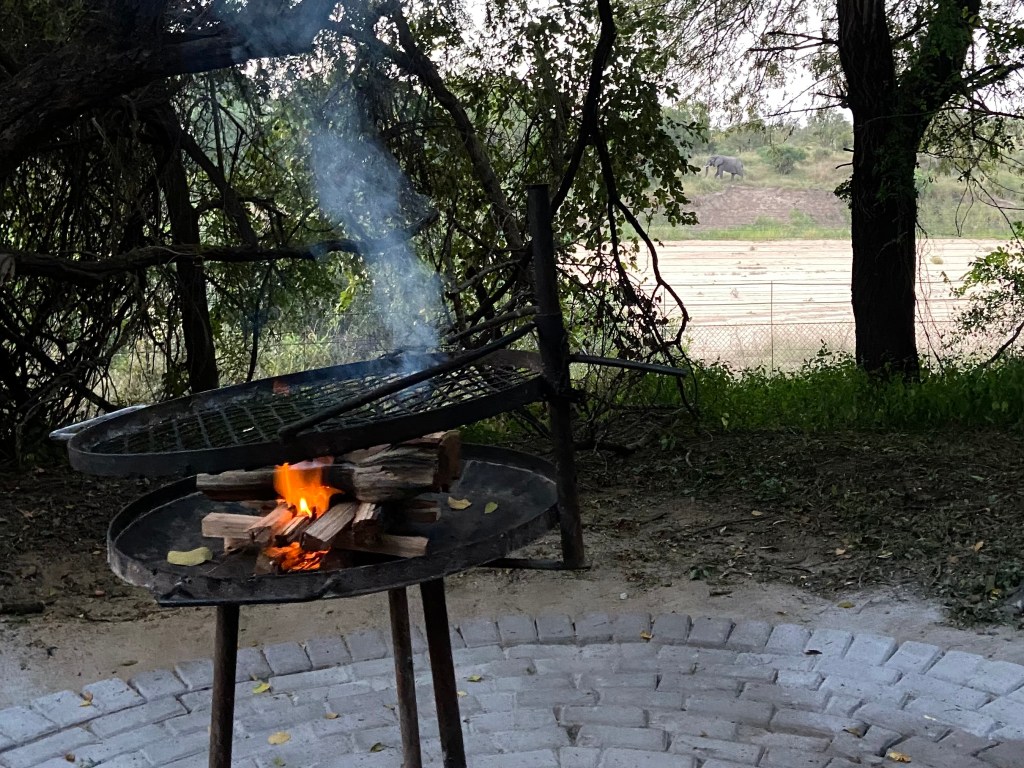
Braai is a proper South African meal, something everyone in the country can appreciate and enjoy. In its most basic sense a Braai is a barbecue, but it is a lot more than that and it is practically a national pastime! You can grill all sorts of meat (and vegetables if you wish) on a Braai, from beef, lamb, chicken and pork to more exotic meats like ostrich or Kudu. One of the best things to Braai is Boerewors, a traditional South African sausage packed with flavour and aromatic spices. For it to be a proper Braai, it must be cooked on wood, charcoal is second best and gas simply won’t do. There are also plenty of accompaniments to all the delicious grilled meats, too many to list, but garlic bread straight off the Braai is hard to beat!
Pap is a real staple that can be eaten with almost any meal and it is incredibly popular in South Africa. Pap is made from maize meal, effectively maize porridge, which can be cooked and served in different consistencies depending on the context.
Chakalaka is a type of vegetable relish, traditionally eaten alongside pap or with a braai. The ingredients vary but usually include tomato, beans, onions, pepper, cabbage and chilli, giving the dish a delicious spicy and tangy flavour.
Durban curry is a South African classic, a dish created by the Indian community in South Africa who were originally brought to the country as indentured slaves. Thankfully vibrant Indian culture is alive and well today in South Africa, particularly in the Durban area. In the years since Indians arrived, the food they cook has diversified into its own unique cuisine. Durban Curry is a shining example of that – a hot and spicy red curry, that is usually made with chicken today, making a truly delicious meal.
Cape Malay curry is another great example of the diversity in the Rainbow Nations cuisine. Cape Malay people were forcibly brought to South Africa as slaves, mainly from Indonesia, as well as other countries in South East Asia. Cape Malay people mostly live in Cape Town, where their culture and traditions are thriving. Cape Malays are predominately Muslim and have their own unique style of cooking. One of the best examples of this is Cape Malay curry, a medium hot curry that combines savoury aromatic spices with the sweetness of ingredients like dried apricots or sometimes mango chutney. Cape Malay curry is usually made with chicken or beef and is a wonderful rich and flavourful dish.
South Africa is a contender for the world capital of dried meats, and the stars of the show are Biltong & Droëwors. Biltong is air dried meat, cured in a variety of different herbs and spices. Unlike jerky, biltong is dried whole and then sliced afterwards giving it a wonderful flavour and texture. Biltong can be made with any type of meat you can imagine, and all of them are delicious. Droëwors is the cousin of biltong and the traditional Boerewors sausage. Droëwors is usually made with aromatically spiced beef which is made into sausages and then air dried. As Droëwors is dried quickly in hot conditions it has a lighter and less greasy nature than most cured or dried sausages. Both Biltong and Droëwors are delicious and practical crag snacks!
Summary
We really enjoyed our time in South Africa, the country has some of the most amazing variety of anywhere we’ve been. The landscapes are stunning and the climbing really is world class, both the famous crags and the lesser known ones. During our time in the country we really only scratched the surface of what’s on offer, in terms of climbing and everything else. There are more than many lifetimes worth of spectacular places in South Africa.
We found South Africans, of all backgrounds, to be friendly and warm people. Travelling through the country and experiencing the cultures of different areas was a real privilege. As a country, South Africa is going through difficult times and as a tourist you should be aware of this. You must be sensible and aware, but equally don’t live in a gilded cage. Many visitors are reluctant to step outside of their bubble, but it isn’t necessary to be scared. Would you wander the back alleys of New York with loads of cash at 2am? Hopefully not! You shouldn’t do it in South Africa either. Don’t let fear restrict you from experiencing so much of what South Africa has to offer.
We write for pleasure and climbing is our passion. Our articles will never be paywalled. However, if you would like to help towards the costs of running the site or if you have found our content useful please consider contributing here. To read more about why your support matters, click here.
Relevant links and resources
Affiliate Disclosure
We have an affiliate partnership with Climb-Europe.com, which means we receive a commission if you buy a guidebook via one of our links, at no extra cost to you. Currently, we only use affiliates for guidebooks from Climb Europe, not anything else. To read more, click here.
https://climb-europe.com/products/montagu-rock-climbing-guidebook-topo?bg_ref=QMscYZ3xQy
https://climb-europe.com/products/cederberg-rock-climbing-guidebook-topo?bg_ref=QMscYZ3xQy
https://www.climbing.co.za/wiki/South_African_Climbing_Wiki
https://www.thecrag.com/en/climbing/south-africa
 The Crag Journal
Amazingly detailed and a terrific read…you should definitely be charging for this!!
LikeLiked by 1 person
Cheers mate! Really glad you enjoyed reading it!
LikeLike
Seeing this makes me wish we were still hard core climbers. The climbing, the views, it all looks fantastic. This is a great resource for others. Maggie
LikeLiked by 2 people
Thanks for the kind words, really glad you liked it! There is something for everyone climbing wise so you could definitely still check it out, the routes of all grades are world class.
LikeLiked by 1 person
Great article full of resources. I discovered South Africa more than 10 years ago but I’ve only been in the western cape area (and once in Boven). It makes me want to venture to other places, Mount Everest could be the next one 😉
During your stay in Sanddrif, did you have the chance to climb at Wolfberg? I would encourage anyone to climb there, there are routes of great quality for all level (trad climbing only). Eclipse (grade13 fairly easy but not to underestimate) and Celestial Journey (sustained 22) for example, are some must do routes on very good rock.
LikeLiked by 1 person
Hi Laurent, really glad you enjoyed the article! Yes, we would highly recommend Mount Everest, it is a beautiful place and great climbing.
Unfortunately we didn’t get the chance to climb at Wolfberg, we had really wanted to but we got some very rainy weather towards the end of our time in the Cedeberg so we didn’t make it in the end. It gives us a great excuse for another trip though, the whole area is stunning and full of world class rock!
LikeLike