South East Asia is a fantastic region to visit as a travelling climber. The rock is amazing quality, there are areas to suit everyones taste, there is a never-ending amount of culture to learn about & experience and the food is delicious! We decided to write this article to help give climbers an idea of what to expect and how to make the most of their trip. The planning stage of a trip to South East Asia can be quite time consuming. Hopefully the many hours we spent planning before our trip, as well as our experiences on the trip, will yield some useful information and tips for other climbers.
Below is a map of all the different crags we visited during our 6 months in South East Asia. If you would like to read more about specific areas, please visit our individual posts on Malaysia, Thailand, Laos, Cambodia, Vietnam, Indonesia and The Philippines.
What to Expect From the Climbing in South East Asia
Climbing style
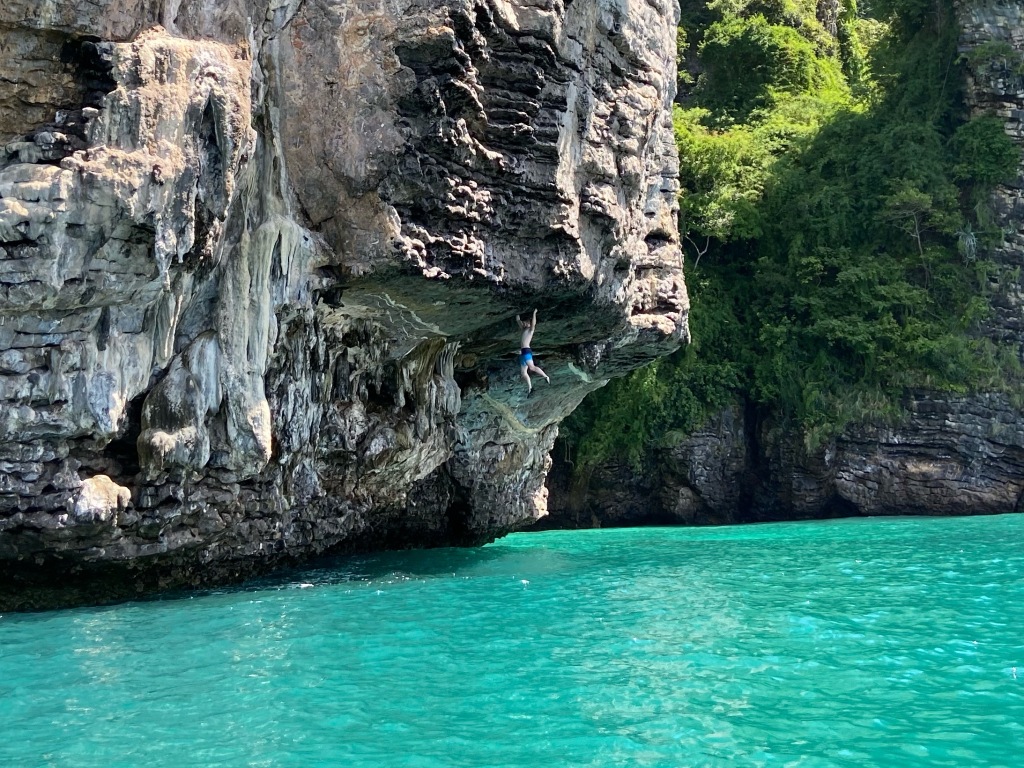
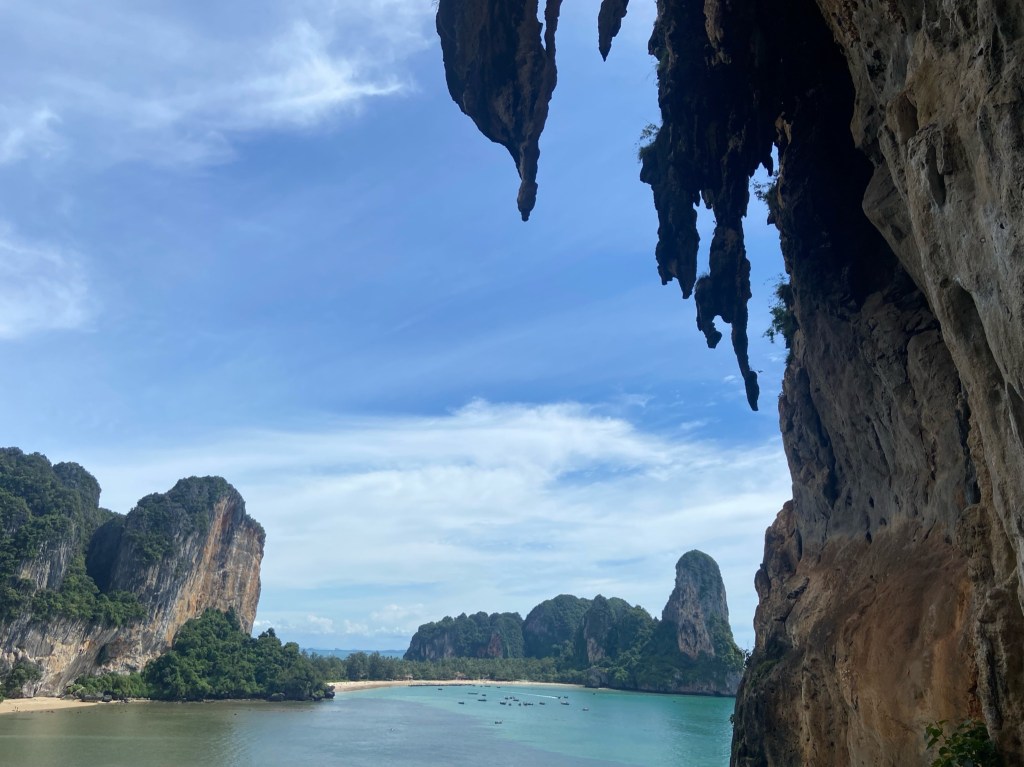
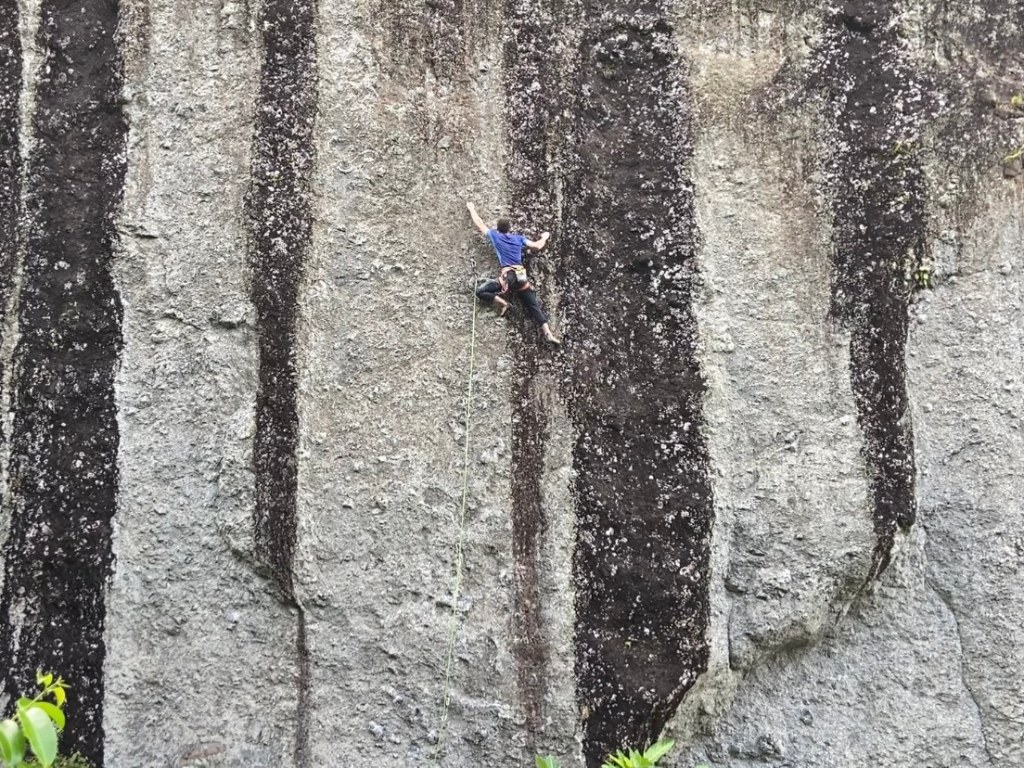
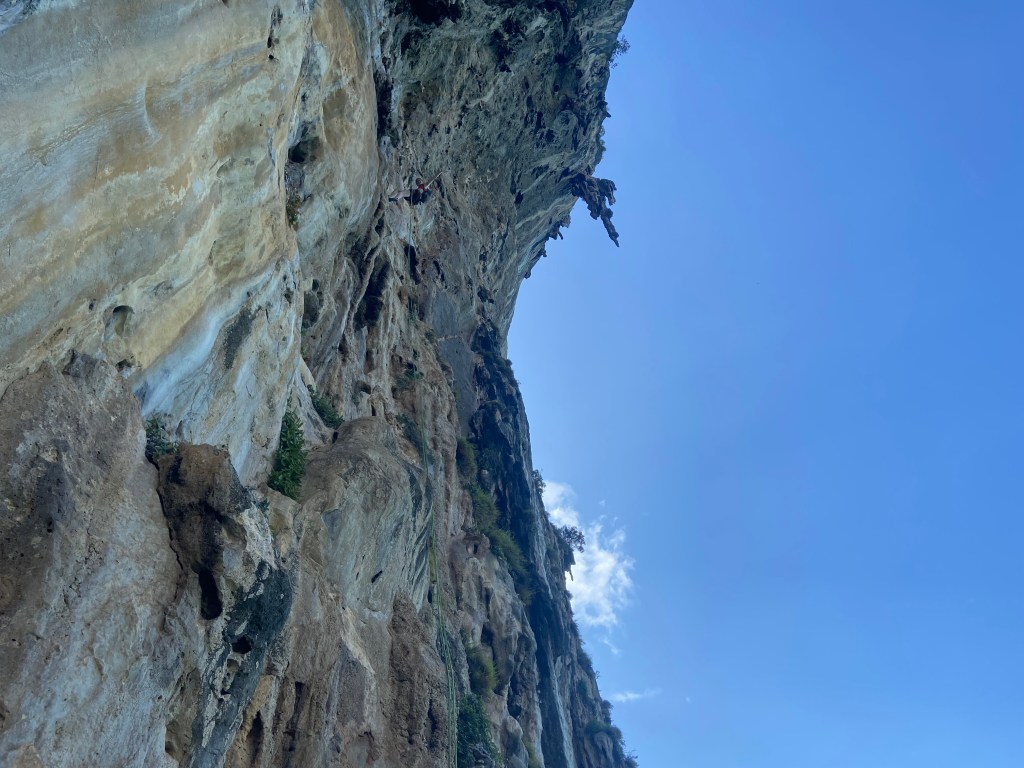
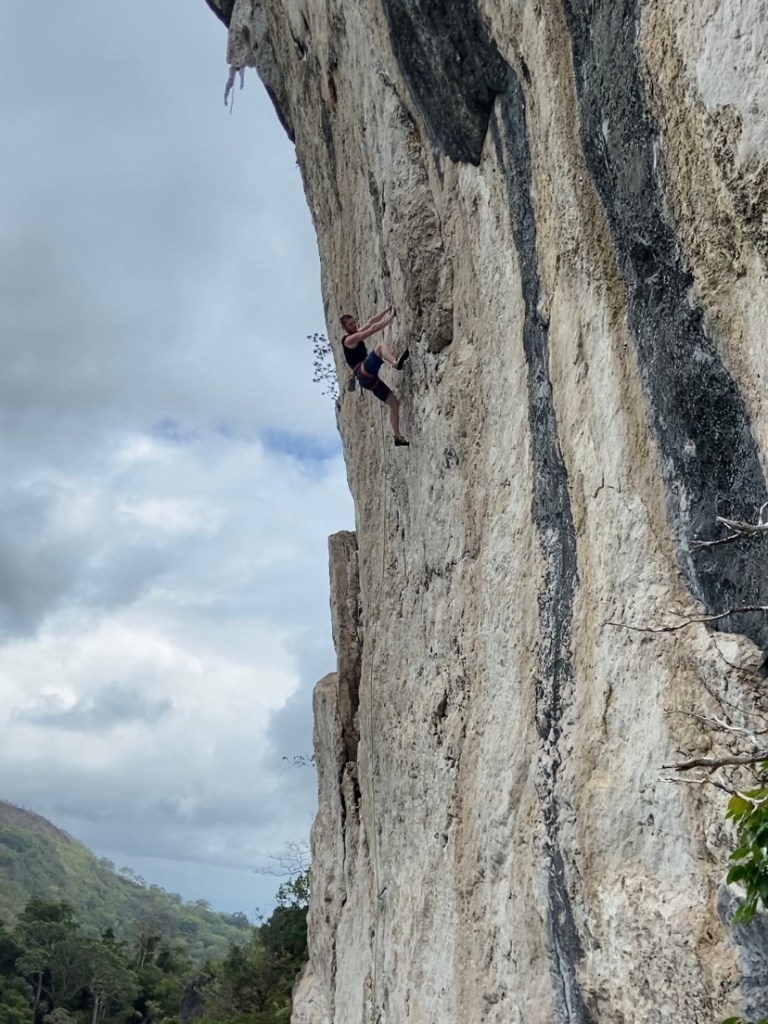
The majority of the climbing in South East Asia is on limestone, with the strikingly beautiful karst landscapes etched into the minds of many climbers. The variety of features found in the region is astonishing, and the quality is very high. There are stalactites the size of buses, caves larger than cathedrals, mogotes protruding from flat rice paddies and eye catching bright white walls. The typical style is quite physical and endurance based, routes are generally long and steep. Of course, there are boulders and short routes, but for the most part it’s forearm bursting pitches with lots of pockets and tufas.

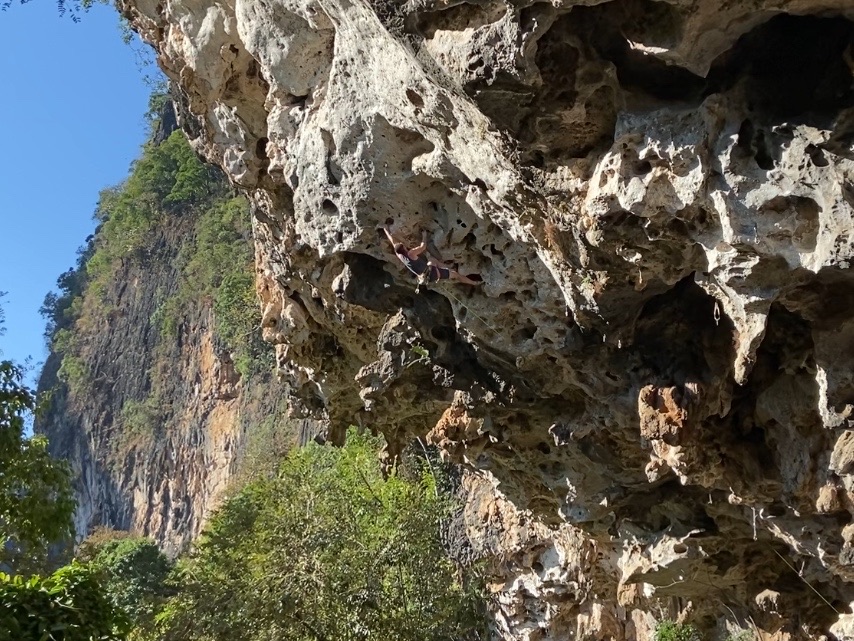

Climbing in The Philippines, Laos and Vietnam (left to right)
If you want to be in the best shape for your trip, focusing on fitness is the way to go. We also found the style to be relatively unique, even compared to other limestone areas, and it took us a little while to get into the swing of it.
The grading can be very varied from area to area, if you hit a sandbag the first day you arrive and you aren’t used to the heat, it can be slightly demoralising! We saw a big uptick in performance after the first week and enjoyed ourselves much more than the initial struggle. With many routes, the sequences or finding the holds might not seem very technical. However, moving well is essential, otherwise those steep tufas just sap your energy. Trying to use good technique and climb efficiently will usually win out over relying on fitness alone in this style.
Climbing gear recommendations
Here is a list of gear we would recommend to take for a trip to South East Asia:
- At least a 70 metre rope, but better still an 80 metre rope, which will cover you for all single pitches and will allow for longer abseils on multipitches, without the need for a second rope.
- 15 – 20 quick quickdraws should suffice, we took 15 sport draws and 5 long lightweight draws for longer pitches.
- A clipstick can be useful, particularly a compact one which fits into a backpack.
- Trad gear is not necessary, the overwhelming majority of routes in the region are bolted, trad gear will only be useful if you specifically want to seek out trad routes.
- Bring plenty of chalk, we found it difficult to find and it was very expensive in the region.
- It is handy to have a ‘sweat’ towel (face cloth) and handheld rechargeable fan. It might sound a bit dramatic, but it will make you more comfortable.
- Lightweight / packable backpack to carry water on multipitches.
- Mosquito repellent (preferably one with DEET ) and mosquito coils, these are invaluable!
We write for pleasure and climbing is our passion. Our articles will never be paywalled. However, if you would like to help towards the costs of running the site or if you have found our content useful, please consider contributing here. To read more about why your support matters, click here.
Bolts
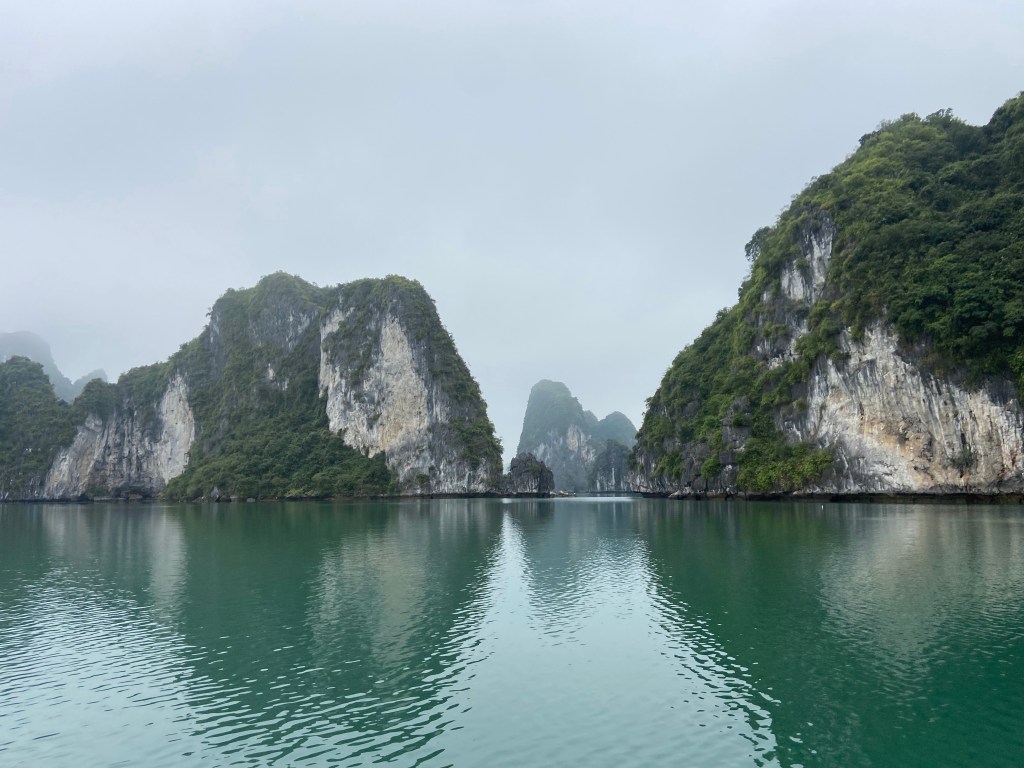
South east Asia has relatively extreme weather, with very high rainfall in the wet season, highly permeable rock and highly acidic groundwater levels in many areas. When combined with salt from the sea, bolts in coastal areas can become dangerously corroded in a short period of time. This was particularly an issue in the Krabi area of Thailand and on the islands of Ha Long Bay in Vietnam. Titanium glue in bolts are the gold standard in these type of environments. Treat all other bolts as highly suspect, but above all else do your research. Using guidebooks and online sources like theCrag and Mountain Project will help to keep you well informed. Swerving the dangerous bolts shouldn’t be very difficult, but it is definitely something to bear in mind.
Skin management
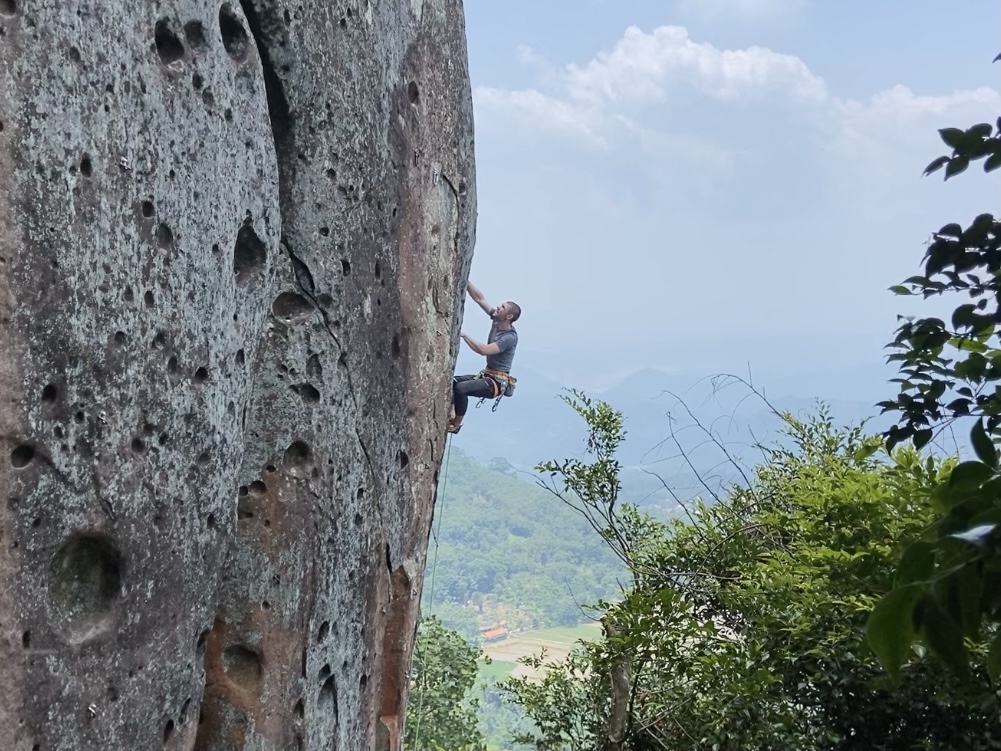
Bring loads of chalk! The very high heat and humidity can make climbing feel very challenging, especially for those of us with greasy, sweaty hands. Liquid chalk also helps, as can Antihydral or Rhino Skin type products. Many of the holds can be very smooth and almost frictionless, kind on the skin in a sense, but extremely easy to slip off. Some areas, particularly those on grey rock, can be very sharp, but this is much less common.

Climbing guidebooks and information
The best source of information and topos for South East Asia is theCrag, which when cross referenced with Mountain Project, gave us enough information to find most of the areas and specific routes. More major areas such as Krabi (Thailand), Thahkek (Laos) and Hữu Lũng & Cát Bà (Vietnam) were covered either by a physical guidebook or are available on Vertical Life (accessed by a €4.99 / month subscription). Being able to access the digital guidebooks was incredibly useful, and saves you the hassle of carrying several heavy and bulky books around for your entire trip. You can also find more information on our individual blog posts from South East Asia here.

Weather and Climbing Season in South East Asia
Unsurprisingly, due to its proximity to the equator, the weather in South East Asia can be extremely hot . This causes high average monthly temperatures, which do not vary much throughout the year.

As you’re unlikely to get perfect cool climbing conditions, the most important aspect to consider is when the rainy season is. In general, the best time to climb in South East Asia will be from November to March. This period offers the best chance of dry and less hot weather. However, the rainy period changes from country to country and also from region to region. It’s difficult when planning a long term trip not hit some sort of rainy period, but it never forced us to stop climbing for more than a day or two. Pay particular attention to islands and archipelagos, the seasons there can differ greatly from ‘continental’ South East Asia.
Heat and humidity
Dealing with the heat and humidity is often difficult, especially for those who are from a colder climate. When arriving to a hot and humid area it is likely you will need to drop your climbing grade whilst you adjust to the conditions, and drink a lot more water than you think you will need. You might find your gear feels very damp, some items like chalk bags, harnesses and the inside of backpacks would often become mouldy. Opening your climbing bag overnight to let it air will reduce this but not entirely prevent it. A/C is the cure, but it isn’t always possible to stay somewhere with A/C, so get into the habit of spreading and hanging your stuff out to keep it as dry as possible.

Cooler conditions
Despite the many hot days, the ‘winter’ season, particularly in Northern Thailand, Laos and Vietnam can be surprisingly cool, especially compared to the areas in the south. If you plan to visit these areas make sure you have some warmer layers packed, particularly if you plan to ride a motorbike. Warm layers also come in handy for travelling on a bus/train with A/C, it can be absolutely freezing if you’re underdressed!
Air Pollution and the Burning Season
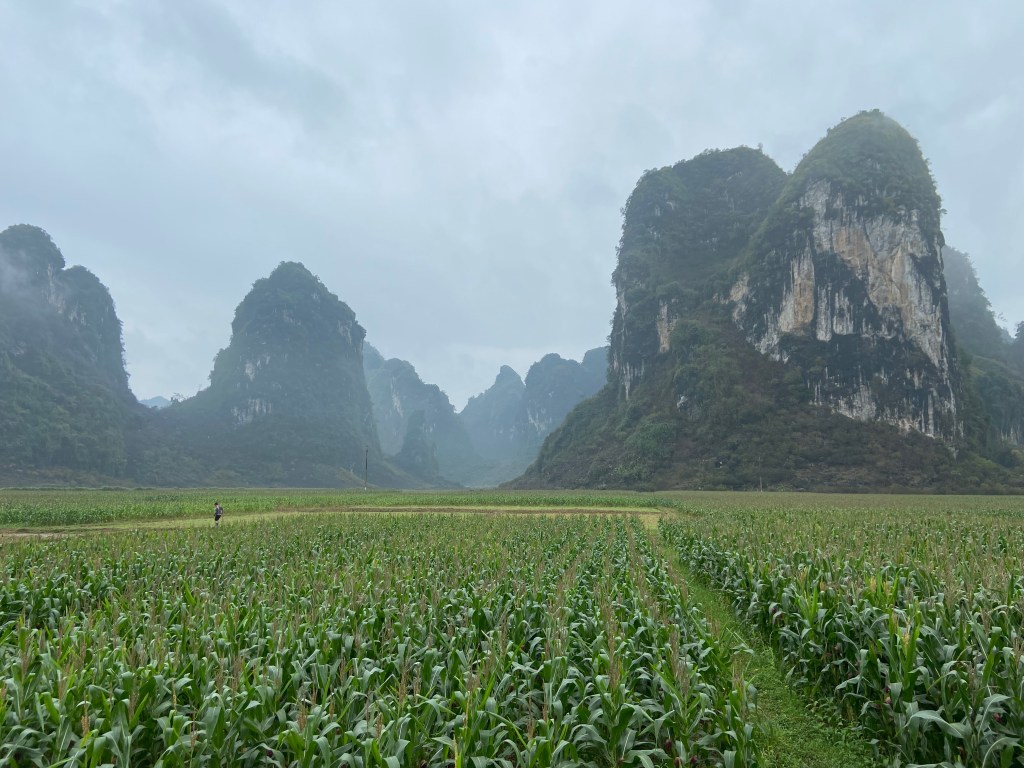
Another factor to consider is the burning season. Farmers often burn crop stubble to clear the land for the next growing season. This usually occurs during the dry season, so the burning season can vary from region to region. Unfortunately, the burning produces an intense smog which takes a long time to clear. This is environmentally harmful, as well as toxic to humans. It contributes further to the poor air quality which can reach dangerous levels, especially during the burning season. Burning is particularly common in the Northern regions of Thailand, Laos and Vietnam. It is really worth avoiding these regions during the burning season, just looking at pictures in news articles will be enough to put you off!
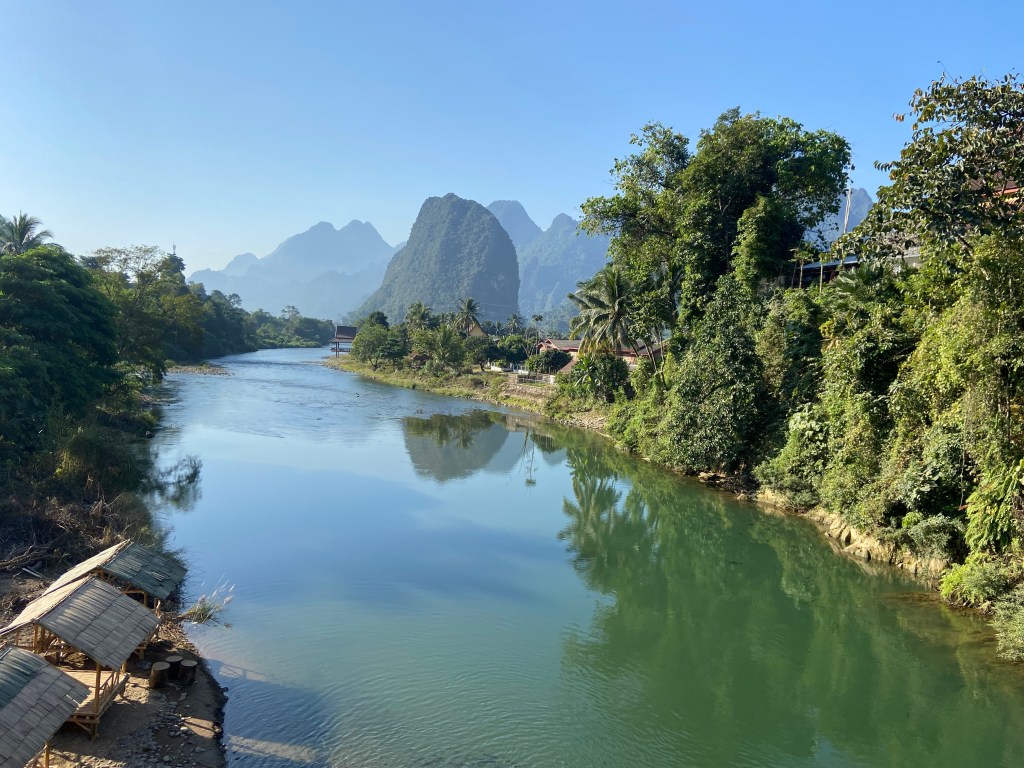
Mosquitos
The severity of mosquitos can range from mildly irritating to pack your bags and run! Mosquito coils really help, although that won’t solve the issue altogether. A decent mosquito repellent, particularly one containing DEET, will be indispensable for when you’re on the move and can’t rely on coils. We hated the idea of DEET and all the dodgy chemicals, but once you’ve experienced the horrendous bites it seems infinitely preferable to be slathered in DEET.
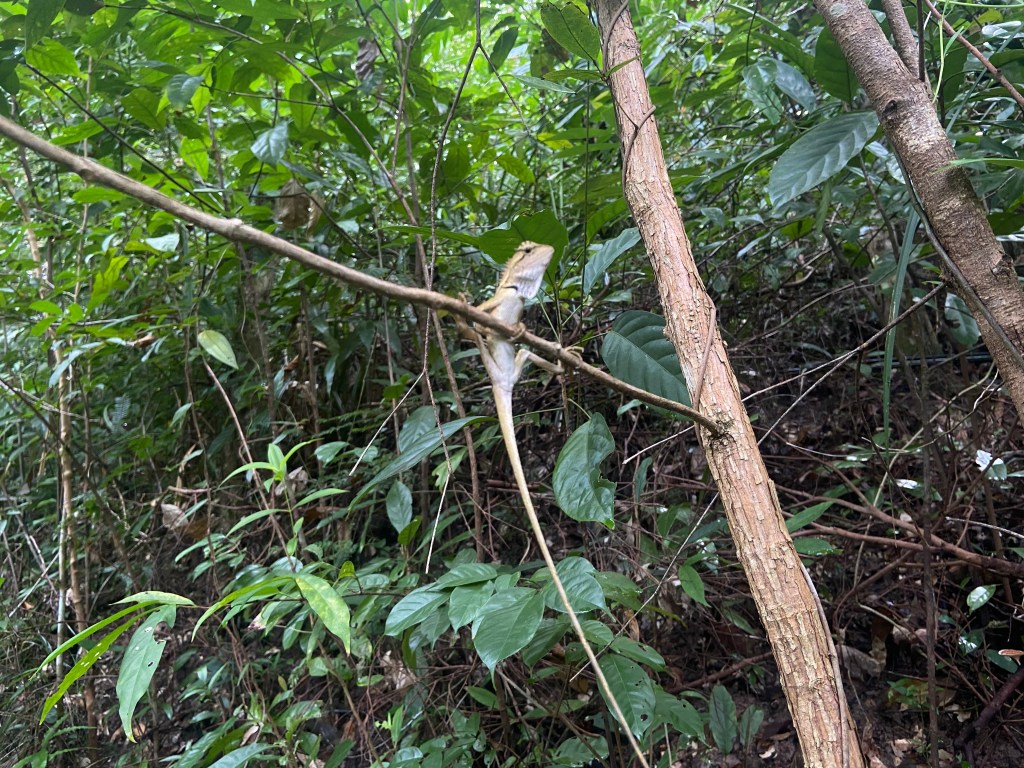
Annoyance aside, bite prevention is key as there is a high risk of dengue fever, a serious virus transmitted by mosquitoes, in all the countries in the region. Dengue fever is more prevalent in hot and humid conditions, particularly in urban and semi-urban environments. We both ended up up catching Dengue twice, it is genuinely horrid and whilst you can’t eliminate the risk, it is worth taking as many steps as you can to avoid it.

Transport
As we had the luxury of time on our trip, we made a conscious effort to avoid flying completely on the ‘continental’ part of South East Asia. We spent 17 weeks between Malaysia, Thailand, Laos, Cambodia and Vietnam without needing to take a single flight. This is not only for environmental reasons, but it’s also a great way to have a more authentic experience and see some really interesting things along the way, which you would miss when flying. For us, it was all part of the experience and just like the cliche, we had some great memories from the journey, not just the destinations.
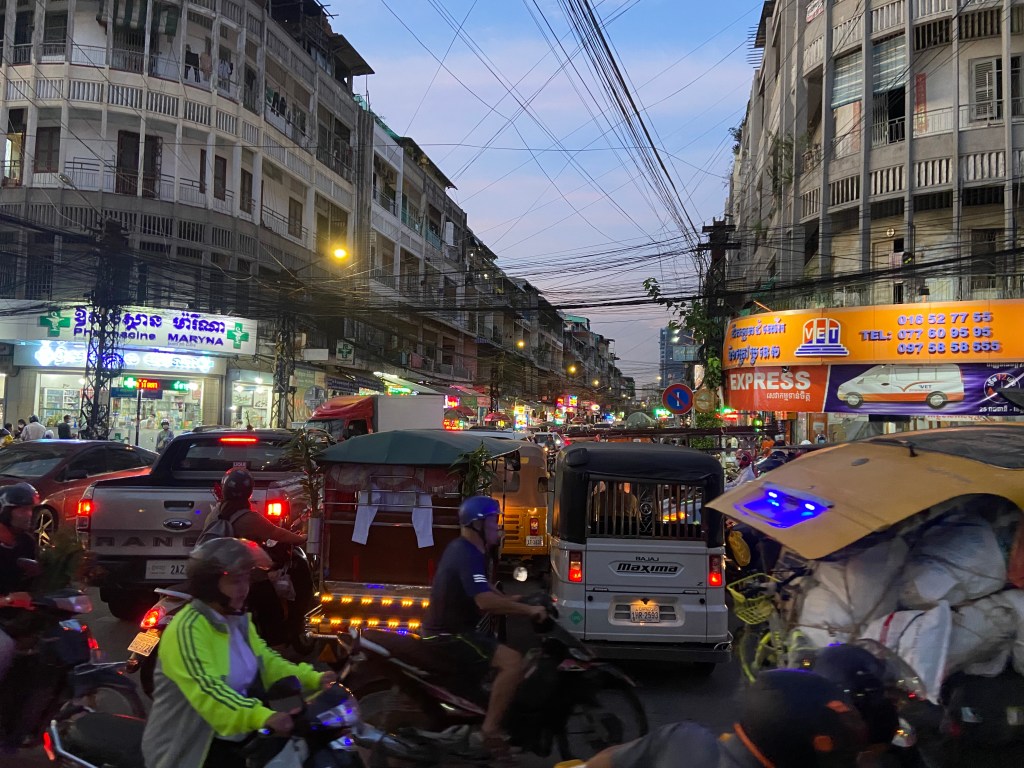
Unfortunately there was still the flight to get out there, but given the political situation in several countries that have the potential for overland routes at the time of our trip, it was the only realistic option.

Some useful websites to help find travel and transport in South East Asia:
- 12Go.asia was the best price comparison website for booking trains, buses and boats. Although we did have a few negative experiences, this was down to the specific companies listed on the website and not 12GO themselves. Fortunately, customer support was excellent for getting refunds or issues resolved. You will pay a big premium for using 12GO compared to if you buy directly from the station – your ticket may be up to 50% more expensive. 12GO has its perks, but ultimately we preferred to buy our tickets directly from the bus or train station.
- Grab (an e-hailing app like Uber) is mega useful for shorter journeys, it makes you far less likely to get ripped off for taxi rides and it avoids confusion in communicating where you want to go. Payment can be made via the app, which is surprisingly handy. Grab works in most South East Asian countries, apart from Laos where you will have to use Loca. Bear in mind Grab will only work in urban areas and is useless in rural areas.
- Rome2Rio was useful for checking out the best, cheapest or fastest route from A to B. Although it sometimes would suggest routes or buses that didn’t exist! We never booked anything through Rome2Rio, but we used it a fair bit for planning journeys.
Motorbikes
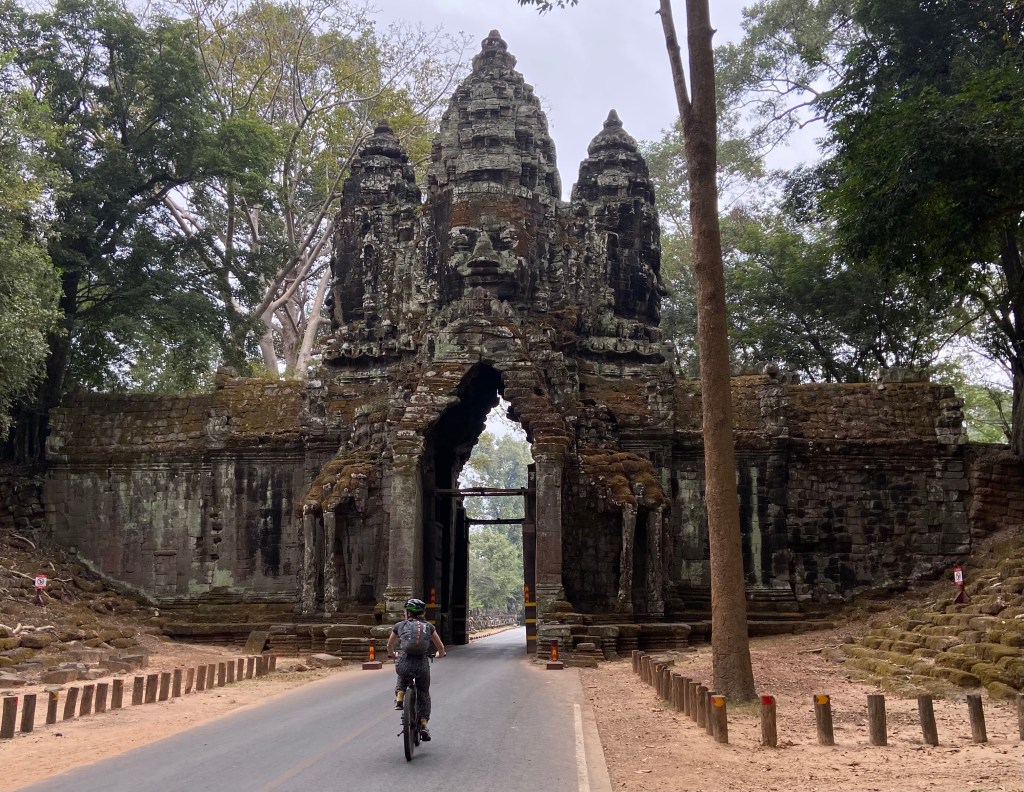
Motorbikes are the bread and butter of South East Asia, it’s the best way to get around and experience the countries, and often it is the only way to get to the climbing areas! You can rent a 125 cc bike incredibly easily all across the region, usually for around $5 a day. Depending on where you are, the bikes can be in poor condition, so take it easy and treat them with care.
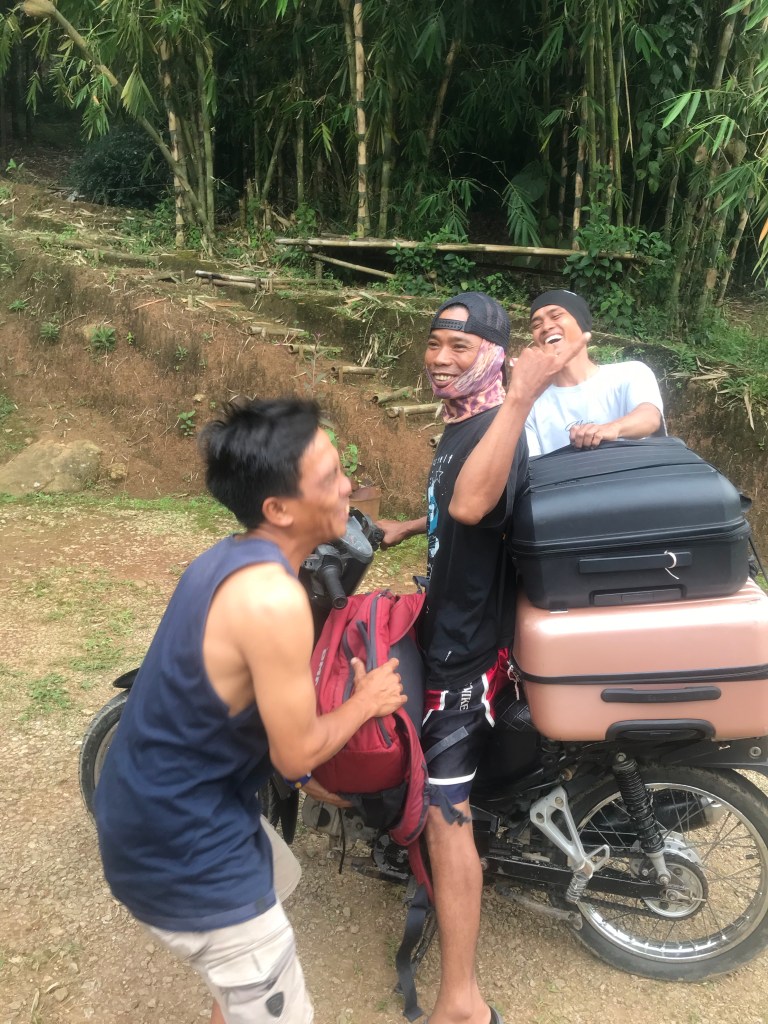
A lot of people who travel to SE Asia have never ridden a motorbike before and it’s quite common for people to have accidents. There are almost never any checks for a driving license or international driving permit when renting a motorbike, so it is your responsibility to know the legal requirements and keep yourself safe. At the very least make sure your health insurance covers you for riding a motorbike, most will rightfully only cover you if you are legally allowed to ride the equivalent bike in your home country. Our travel health insurance would cover us if we passed a qualification in our home country, which limits you to a 125 cc bike and doesn’t permit carrying a pillion.
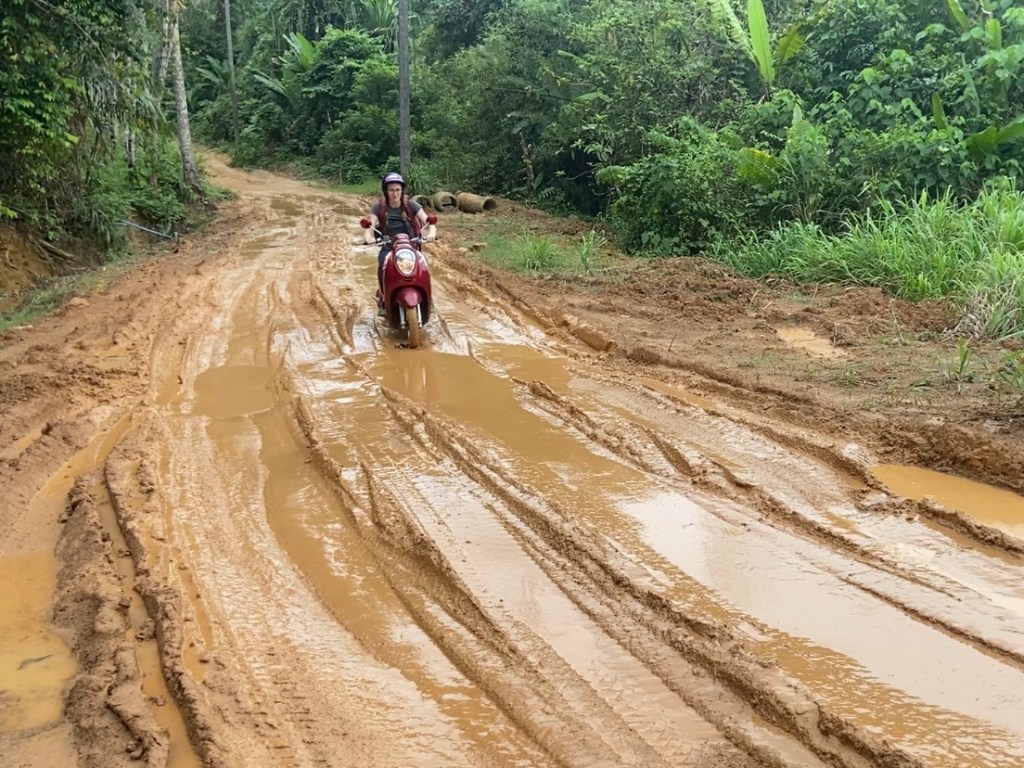
The small motorbikes typical of the region are fairly simple to ride and understand, especially automatics which are the most common type of rental bike. However, it’s important not to underestimate them as things can go wrong quickly. Don’t assume you can keep up with a local or carry what they can, they have countless years of experience and lots of skill. We both agreed we were glad to have some experience riding before going on the trip. You won’t have to do much googling to find an article about a fatality or serious accident involving a tourist with no experience (and thus void insurance), don’t put yourself in that position.
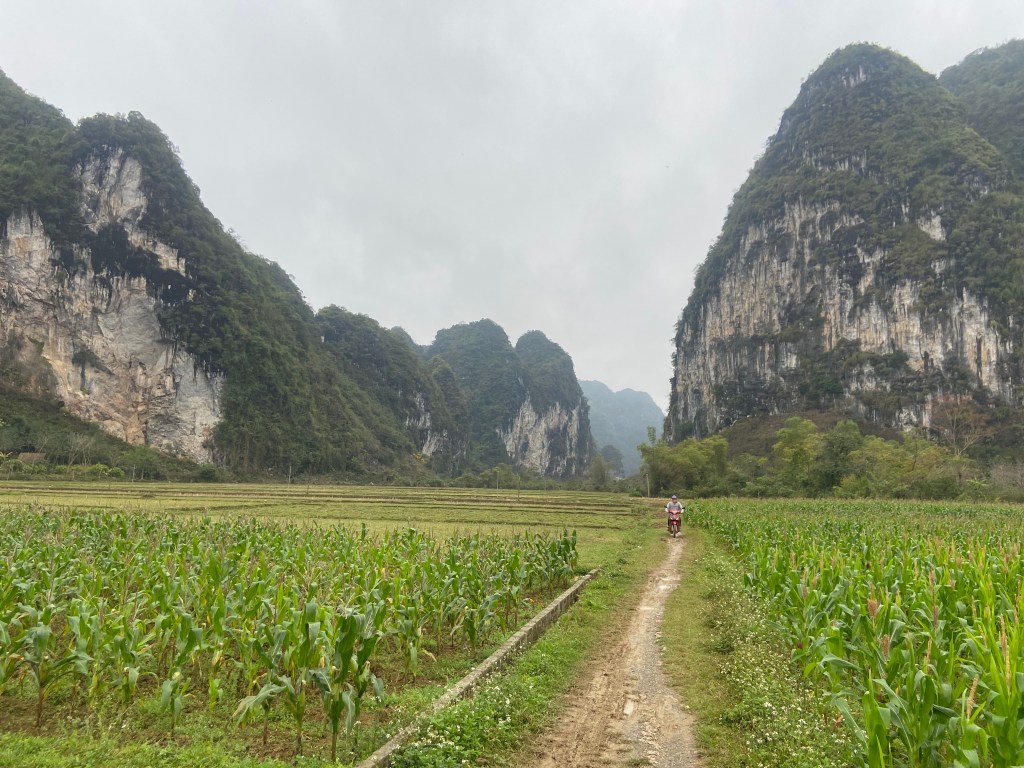
Some obvious, or not so obvious tips:
- Always wear a helmet, it is the law as well as common sense. If you have the choice, take time to find a helmet that fits properly, your head will thank you for it.
- Try to wear as many layers as possible, this is hard in the hot weather but it will literally save your skin.
- If possible, get insurance with the bike. This will only be an option with proper rental companies and isn’t always available. It’s quite cheap and covers what your health insurance doesn’t should you have a crash.
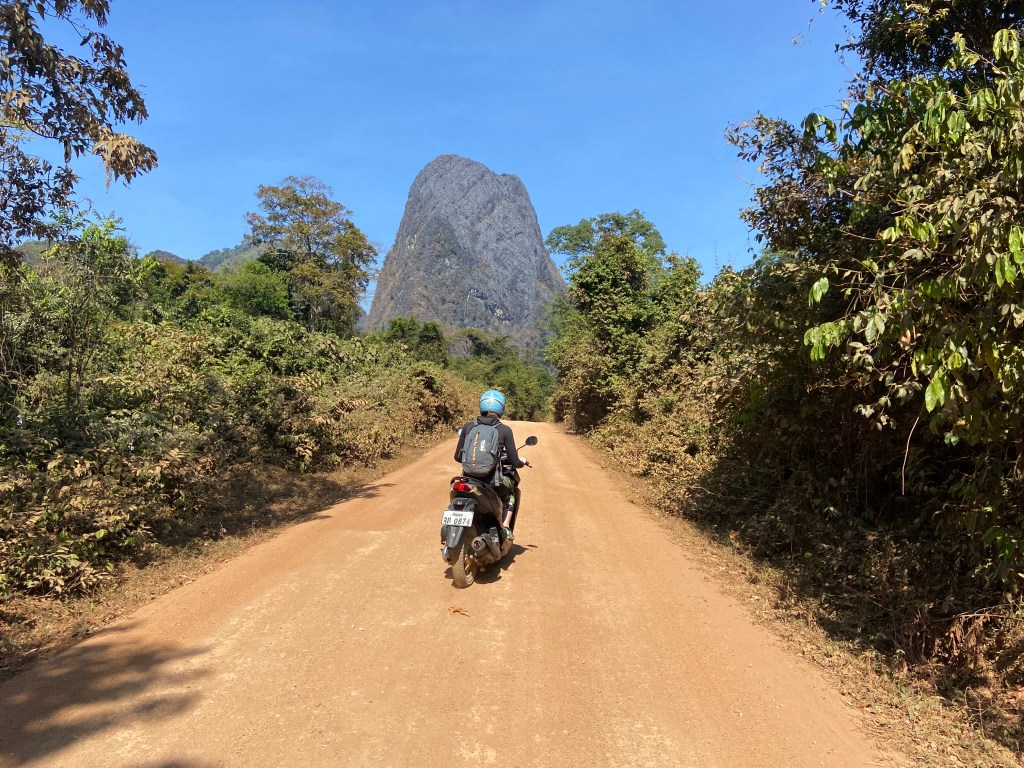
Accommodation
Accommodation is usually very easy to find in South East Asia, even in rural and non-touristic areas, you will never be too far from a homestay or someone who will rent you a room. In general we used booking.com and Agoda, which served us well for the most part. When visiting more off the beaten track spots, looking for pins on google maps will help, but sometimes we just trusted the process and found somewhere to stay onsight. Staying in independent and family run places is by far the best, whether it be a hotel, guesthouse or bungalow. You will receive a warm welcome in places like this and have the option to eat delicious home cooked & authentic food.

Money, cash and ATMs
The US dollar is the most universal currency in South East Asia and it will usually be accepted in a pinch. It is helpful to carry some spare for when you are crossing the border and arrive in a country without any local money. Usually it isn’t possible to get any local currency at the border, especially if you want a fair rate. Additionally, visas on arrival for Laos, Cambodia and Indonesia are payable with USD, you actually get a better rate if you pay with USD over local currency. In general, it is uncommon to be able to pay for accommodation, food and most other things by card, so it’s important to travel with enough cash as it can be difficult to find ATMs in more remote areas.
Top Tip: Download a currency converter app onto your phone so you can find out how much you are paying. There’s loads of apps that will convert currency but we used this one, which keeps up to date exchanges and allows you to convert offline without an internet connection.
Border crossings
Each border crossing is different and can also depend heavily on your nationality. We used a lot of land borders in South East Asia and have done elsewhere. Mostly they were trouble free and straightforward, but we did encounter the odd scam and corrupt official. Some tips are:
- You can’t always travel through every land border, some you will need an e-visa, some may not accept an e-visa and some are completely closed to foreign passports. Check the government page of the country you are travelling to beforehand.
- If given one, always keep hold of your departure card or any documents you receive on arrival – you may need it to leave the country!
- Look at the google reviews of the crossings you will take as they usually forewarn you of what to expect from the border and make you aware of any common scams or problems.
- Make sure to check if you must pay for a visa and what payment methods are accepted.

SIM cards and internet access
It’s really useful to have an internet connection whilst travelling, we used it all the time for google maps, translate, checking reviews for places on the go, and because wifi connections in hotels can be slow. We took an old phone to put a local SIM card in, and used the secondary phone as a personal hotspot for any other devices. On average, we paid roughly $5 for 30 GB of data that lasts for 30 days. This varies from country to country and between providers, but it was never much more than that.

It’s important to note you will pay much more, up to five times the price, if you go to a tourist SIM card spot. Avoid the ones at the airport or in tourist hotspots, hold out and buy them from an official phone shop or at a kiosk – this is where it is important to have a vague idea of how much you expect to pay. The process of getting a SIM is very easy and takes only a few minutes, it will definitely save you that time in due course.
Top Tip: Google maps can be downloaded offline over wifi which is handy on cross border travel to keep track of where you are without an internet connection.
Food and Drink
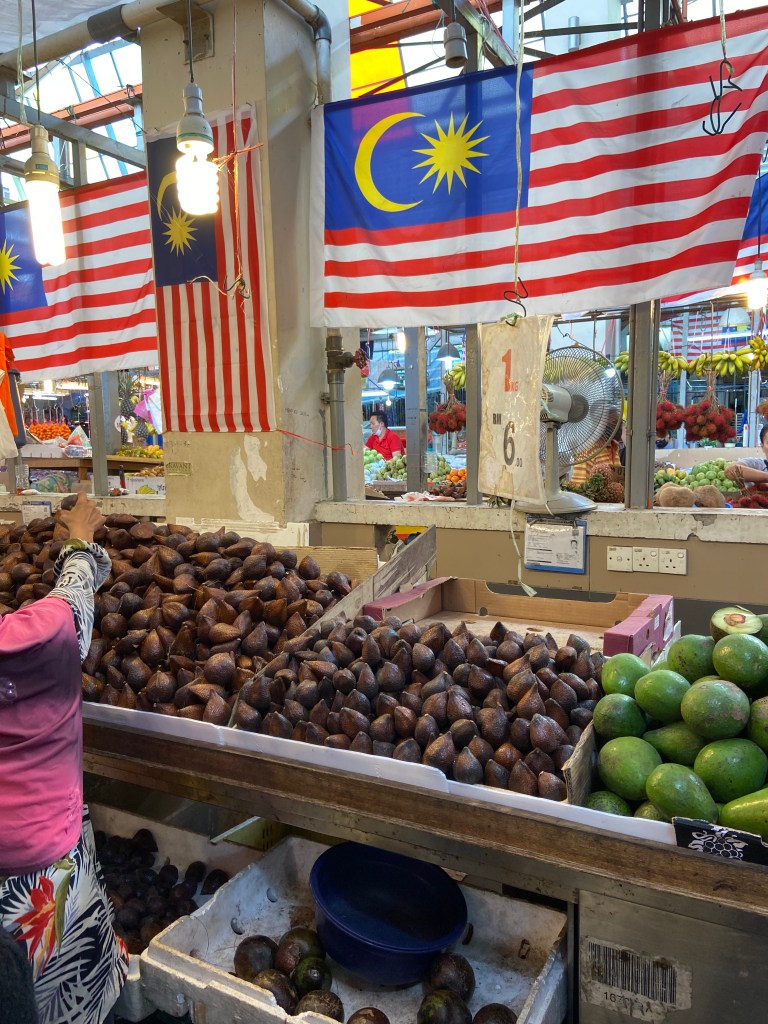
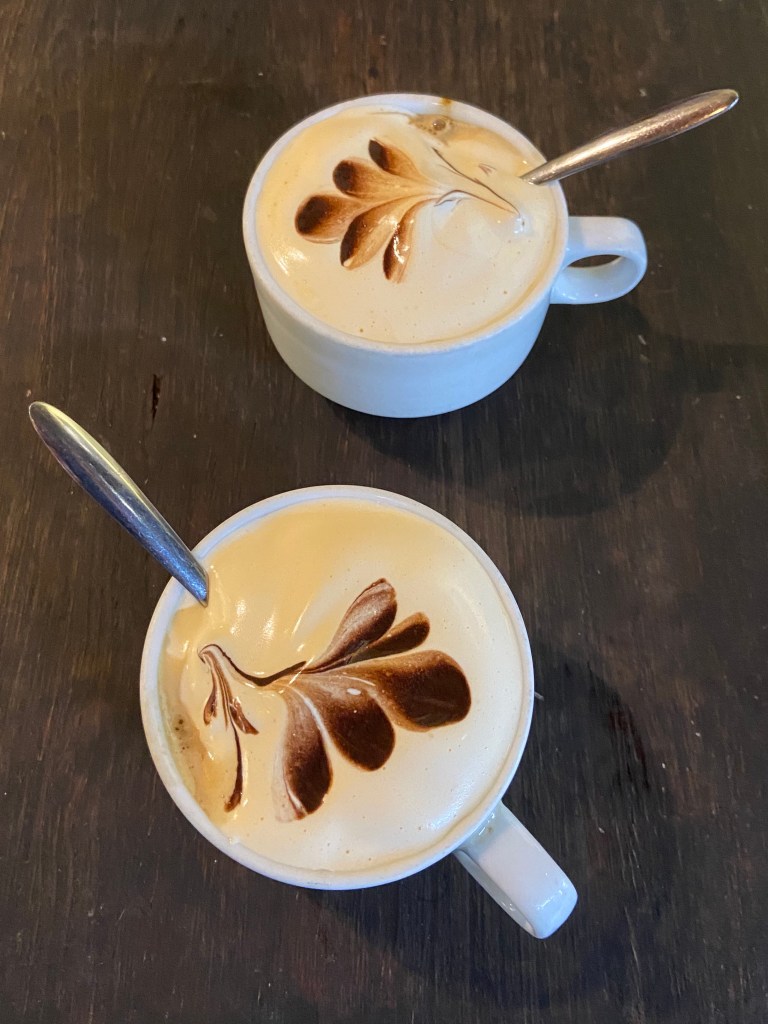
South East Asia is home to some of the most flavourful and diverse food of anywhere on Earth. It was a real pleasure to experience all these dishes, what we had previously tried in western countries doesn’t come close to the real thing, prepared authentically with fresh ingredients. It was sad to see many western tourists not experimenting and trying the cuisine. Not only is the western food in South East Asia more expensive, but also lower quality as it doesn’t suit the produce grown in the region. It should be obligatory to eat as much local food as possible, it is world renowned for a reason. Don’t be that tourist eating spaghetti bolognaise, it should be a crime!
We recommend staying at a homestay, the families are very welcoming and they will cook you local and authentic dishes. These homestays are where we ate the some of the best food of the trip and the portions also tended to be pretty sizeable, we often assumed we were expecting more guests to arrive when in fact it was all for two people!
Water safety in South East Asia
Water in South East Asia is often contaminated, and it definitely isn’t the place to start glugging straight from the tap. We used a steripen to purify water, but this isn’t always a solution, as water can also be contaminated with heavy metals, which the steripen can’t remove. In these circumstances, bottled water is the safe option. It is far from ideal in terms of plastic waste, but sometimes it’s necessary. For all the occasions we did use the steripen, we were fine and had no issues, other water purifiers and filters are definitely worth considering, we chose the one we did due to size and weight. We ignored the advice to avoid ice in drinks, due to the heat, and had no ill effects from that either. The risk is pretty easy to spot in general, drink untreated water at your peril.

Summary
South East Asia is a wonderful place to travel and climb, it was a total pleasure to spend a long time in the region and we wouldn’t hesitate to do it all again. We hope this post has been useful for anyone that wants to climb and travel in South East Asia, a world of great experiences will await you on your trip. Our final advice would be: travel slow, get off the beaten track and chase authenticity.
We write for pleasure and climbing is our passion. Our articles will never be paywalled. However, if you would like to help towards the costs of running the site or if you have found our content useful please consider contributing here. To read more about why your support matters, click here.
Relevant links and resources
You can read more of our articles about the climbing in South East Asia here.
Information about the climates and weather in South East Asia
https://southeastasiabackpacker.com/southeast-asia-climate
In depth article about burning season in South East Aisa
https://southeastasiabackpacker.com/burning-season/
Information about Degue fever from WHO
Transport


Great guide. We climbed in a few of these areas although not nearly as extensively as you did. Maggie
LikeLiked by 1 person
Thanks for the comment, hopefully there are some crags there you guys will be psyched to check out in the future. Safe travels!
LikeLike
Very inspiring – we really must extend the RockAroundTheWorld horizon eastwards! Cheers, Dom
LikeLiked by 1 person
Hi Dom, really glad you enjoyed it, thanks for the comment! We would definitely recommend a trip out there, I think you would love it, it’s a great area. Hope you’re both having a great time in Greece, the crags look awesome! Safe travels!
LikeLike
I’m planning a solo trip to SE Asia from around December to March later this year – your articles are an amazing source of information!
I’m wondering how easy it would be to find climbing partners in different areas, any places you think I would struggle?
Cheers, Luke
LikeLiked by 1 person
Hi Luke, thanks for your comment, really glad you have enjoyed the articles!
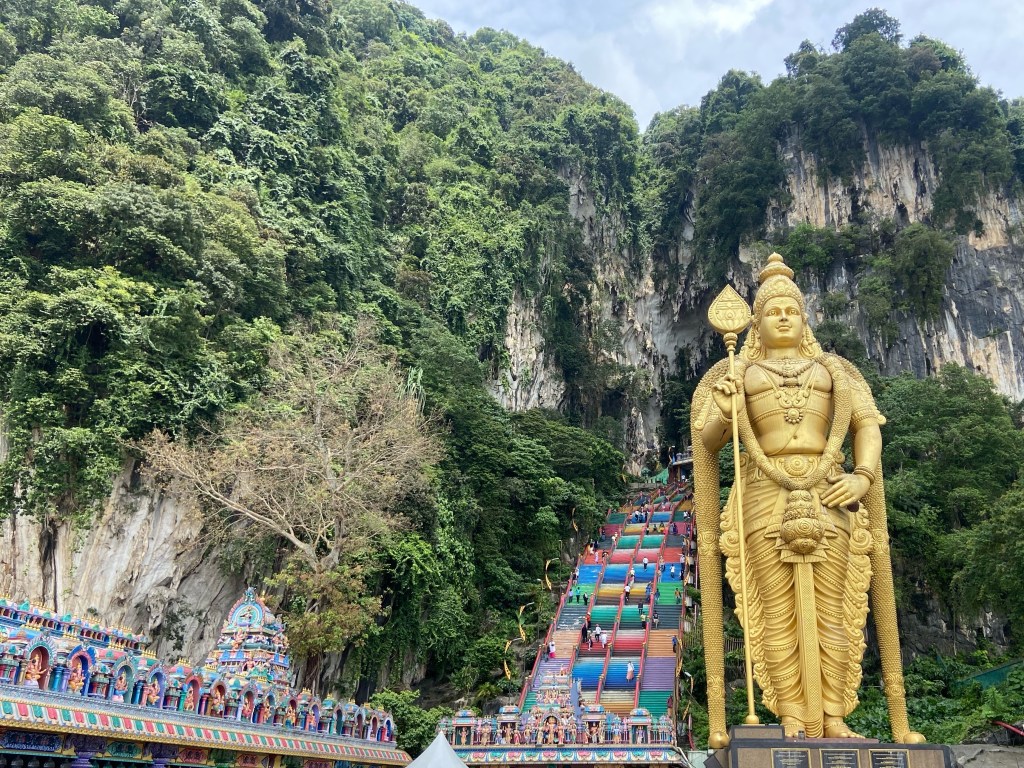
Partner wise, SE Asia is a very mixed bag, some places will be incredibly easier and others will be a bit difficult. In many of the most popular areas like Tonsai and Thakhek it is basically a 100% guarantee, you can just show up and you will easily find someone. For the more medium size areas like Cat Ba or Batu Caves it is definitely possible but perhaps worth posting on a relevant Facebook group or forum beforehand – often when we climbed in these areas there wasnt anyone else around, but the crags clearly did see activity. For smaller areas like Dingle or Igbaras you will definitely not meet any other climbers out there – so the only realistic option is to visit the nearest climbing gym and see if anyone there is available to partner up with you and make the journey there together.
On the whole it should be very feasible, touristic countries like Thailand get loads of travelling climbers and many of the less visited areas like the Philippines have super strong local climbing scenes which would be perfect. You shouldn’t struggle in general, but we would definitely recommend planning ahead and visiting the nearest climbing gym for the best chance of success in smaller areas.
All the best for your trip, hope you have a safe and amazing journey!
LikeLike
Love your website, such thoughtful detailed first hand experience. Exploring a climbing trip in Asia for next Easter (which will be end March/early April). I know temperatures will be shooting up and rainy season on the way… Across all the destinations you’ve visited or researched, what are your suggestions for the best options?
Bonus question, we will be a family with kids who like to climb but also other things too (especially swimming) so any advice to add to the above?
LikeLike
Hi, thank you for the comment and the kind words, it’s great to hear you’ve found the website useful!
It is true that the season in South East Asia can be tricky in March/April. The good news is that this is actually when the best season begins for Indonesia, specifically Java. We would definitely recommend Java, out of all the places we have been, for this time of year.
In terms of climbing with a family and at crags that are accesible with children you will definitely find plenty on Java for that. Citatah, Nglanggeran, Telung Lintang, and Lembah Kera are all easy access and with generally comfortable flat bases etc that would be no problem with children.
There are loads of other things to do on Java, like hikes, waterfalls etc that will make for great rest day activities and things to do with the family.
Really hope that helps you with your plans, let us know if you have any other questions and all the best for an awesome trip!
LikeLike